Solar Panel Incentives in 2026: Federal & State Savings Guide
Solar panel incentives play a major role in making clean energy more affordable and accessible for homeowners in 2026. These incentives refer to tax credits, rebates, and net metering policies. It also includes several state-level programs that effectively reduce initial installation costs.
They lower the overall cost of installing solar panels and make it possible for many people to access clean energy. Sometimes, they can reduce the price of a solar system by several thousand dollars. These savings can also continue over time through lower electricity bills. This makes solar power a smart choice for long-term energy savings.
What are solar panel incentives?
Solar panel incentives are programs designed to reduce the costs of installing and operating solar energy systems. They are usually provided by governments, utilities, or local agencies. Even in 2026, such initiatives significantly contribute to making solar energy a viable option.
Types of solar incentives
There are different types of solar incentives. Let's explore:
STCs(Small-scale Technology Certificates)
STCs (Small-scale Technology Certificates) are a type of upfront rebate mechanism mainly used for solar energy systems. After installing a solar system (typically ≤100kW), you receive a certain number of STCs. These STCs can be sold on the market, thereby directly reducing installation costs.
Feed-in Tariffs (FiTs)
After solar panels generate electricity, any unused power from the household can be sold back to the grid, and electricity companies pay for it based on the amount of energy exported (per kWh).
Virtual Power Plant (VPP) incentives
Multiple households' solar batteries are connected to form a "virtual power plant." The grid can draw electricity from these batteries when needed, and participants can receive cash rewards, electricity bill discounts, and higher FiTs or additional incentives.
State battery rebates
These are storage battery installation subsidies provided by state governments for household batteries (such as EcoFlow solar home battery, etc.). They usually come in the form of direct cash rebates, low-interest loans, or discounted incentives, and vary significantly from state to state.
Why governments offer solar incentives
Governments provide solar incentives to encourage the use of clean energy. Since solar power is a green energy source, it helps reduce carbon emissions. Such initiatives are a great aid in the rapid transition to renewables.
Governments also help enhance energy security through such programs by taking some load off the electricity grid. Additionally, they help households reduce their electricity bills. Without a doubt, this is an important factor that attracts more people to solar energy.
How solar incentives lower total system costs
Solar incentives make it cheaper to use solar power in multiple ways. For one, they reduce the upfront cost of installing your system. This is helpful, especially for homeowners who are willing to switch to solar.
They reduce the payback period, so you can get your money back sooner by using the savings. Also, in the long run, these incentives lead to higher overall electricity savings. They work to lower energy bills each month and even offer additional credits or payments.
Australian solar incentives in 2026: Federal programs
*The incentive amounts and eligibility details outlined below are based on publicly available information and current policy guidance at the time of writing. Solar rebates, feed-in tariffs, and battery incentives may change over time and vary depending on location, household eligibility, and installer participation. Homeowners should always confirm details with official government sources or approved installers before making decisions.
Australia continues to have a very attractive federal solar incentive program in 2026. The main initiative focuses on reducing the upfront costs of solar panel installation for homeowners and businesses. Such support not only helps make solar cheaper but also increases the rate of solar adoption nationwide.
The small-scale renewable energy scheme (SRES) — Australia's core solar rebate
The Small-scale Renewable Energy Scheme (SRES) is Australia's major federal solar incentive. It does so by using certificates known as Small-scale Technology Certificates (STCs).
How STCs work:
STCs are issued depending on the amount of clean energy a solar system is estimated to generate. The higher the system's electricity generation, the more STCs it is allocated.
These STCs work as a direct discount at the point of sale. Hence, homeowners can enjoy a reduced solar installation cost immediately on the invoice, without having to apply separately for rebates.
Gradually, the value of STCs decreases each year until 2030. Thus, in general, going solar earlier leads to greater savings. STCs are among the tools that reduce the initial system cost. Even in 2026, they remain the primary support lever that makes solar more affordable in Australia.
Homeowners who want to create and trade their own STCs must usually do so within 12 months of the solar installation date.
To be able to get STCs, your solar power system should:
Have a system capacity of less than 100 kW
Generate up to 250 MWh of electricity per annum
Use only the solar panels and inverters that are listed by the Clean Energy Council
Comply with Australian safety and quality standards
Installation to be carried out by a qualified and approved installer
The cheaper home batteries program — Australia's major battery incentive
The Cheaper Home Batteries Program will be a major energy rebate in Australia in 2026. It enables homeowners, businesses, and community groups to significantly reduce the cost of battery storage installations. The scheme provides approximately a 30% rebate on qualifying home batteries.
The scheme also covers battery storage systems ranging from 5 kWh to 100 kWh in capacity. These batteries can either be sold with solar panel systems or connected to existing ones. The discount is funded by the Australian Government so that no additional costs are passed on to consumers.
The program is based on Small-scale Technology Certificates (STCs). The amount of STCs is proportional to the usable battery capacity. These certificates make it possible to lower the battery purchase price at the time of installation.
The battery rebate will gradually diminish until 2030 as battery prices continue to fall. The program is overseen by the Clean Energy Regulator (CER).
Key eligibility criteria:
The battery capacity should range from 5 kWh to 100 kWh.
The battery has to comply with Australian safety and quality standards.
The battery model needs to have the Clean Energy Council approval.
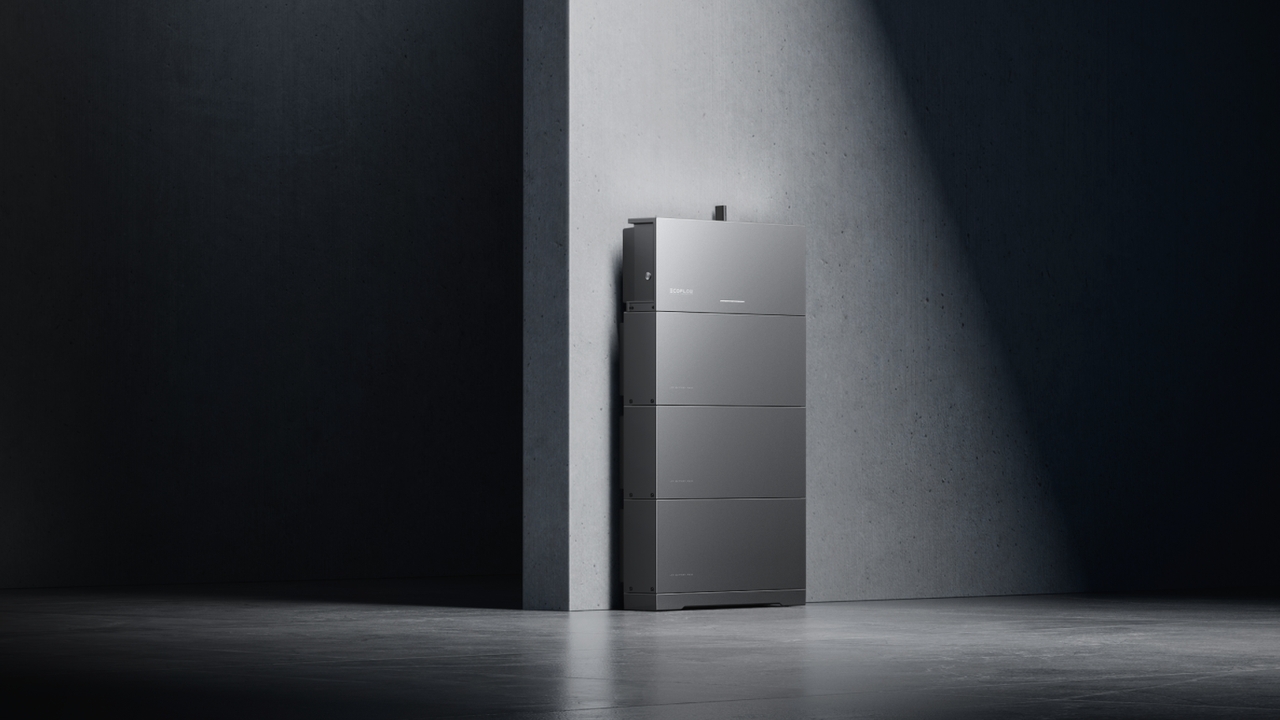
Battery systems like the OCEAN 2 Plus Single-phase Home Battery might be considered as qualifying options for the Cheaper Home Batteries Program if the installation is done via approved suppliers and in compliance with the program guidelines. The system can capture up to 24 kW of PV input through 3 independent MPPTs, supports expansion to 60 kWh per inverter, and integrates smart energy management features to optimize solar use and reduce energy costs.
Is solar still worth it in Australia in 2026?
Yes, solar still makes sense in Australia in 2026. It remains one of the most efficient methods for owners to reduce their electricity bills. Changes in incentives have occurred, but overall gains remain substantial in most states.
Typically, a 6.6 kW solar system costs about $5,000, $6,000 after the STC rebate is deducted. Generally, installation prices are approximately $880 per kW, varying by area and installer.
Electricity rates keep rising, while feed-in tariffs for selling power back to the grid have been reduced in many cases. So, now it's definitely more beneficial to consume your own solar energy at home than to sell it back.
Government incentives for solar: Australian state and territory programs
Victoria — Australia's Most Generous State Solar Program
In 2026, Victoria will be providing the most powerful solar support system at the state level in Australia via the Solar Homes Program. It mainly helps to lower the cost of purchasing a solar system.
The program offers a $1,400 solar panel (PV) grant, which can cover up to 50% of the system's cost (after other discounts, such as STCs, are applied). This amount is deducted from the bill, so the homeowner pays less from the beginning.
The state is also targeting all-electric homes. Starting in 2027, newly built houses must be all-electric. That is why 2026 is a critical period for homeowners to install solar energy systems and prepare for future energy transitions.
New South Wales — VPP Incentives + Federal Battery Rebate
People who live in New South Wales can access a great battery-based incentive in 2026 from the state through its VPP program. It aims to motivate homes and small businesses to connect their solar power batteries to the grid. So that stored energy can be released and shared during times of highest demand. At the same time, it helps reduce greenhouse gas emissions and aligns with NSW's target of achieving net zero by 2050.
Queensland — Federal-First State
Queensland will mainly be a federal solar market in 2026. The state Battery Booster program closed in May, 2024. Homeowners mainly look for national support. It includes a Small-scale Technology Certificate (STC) scheme for solar panels. Despite these programs, the cost of purchasing new solar and battery systems remains significantly reduced.
Also, Queensland has a very good feed-in tariff system in Australia. In South-East Queensland, the minimum feed-in tariff is approximately 8.782c/kWh. Customers in the region on the Ergon network could get about 12.377c/kWh. The decline in export value is encouraging homeowners to use more solar power at home.
South Australia — REPS VPP
South Australia offers a rebate on home batteries through the REPS initiative. It pays households to join a virtual power plant (up to around $670 for regular households and $880 for priority groups). This is a significant help in making battery installation costs more manageable. This state subsidy offer can be layered with the federal initiative PBP, which brings aggregate assistance to around $2050.
Western Australia — DEBS Feed-in Tariff
Western Australia employs a different scheme from other regions. The majority of the residences are part of the Synergy network, and energy production is compensated under the Distributed Energy Buyback Scheme (DEBS).
With DEBS, domestic users pay different prices depending on the time of day. They can obtain around 10c/kWh during peak periods (3-9 pm) and around 2c/kWh other times. This time-dependent tariff incentivizes those who feed energy back into the grid during periods of highest demand.
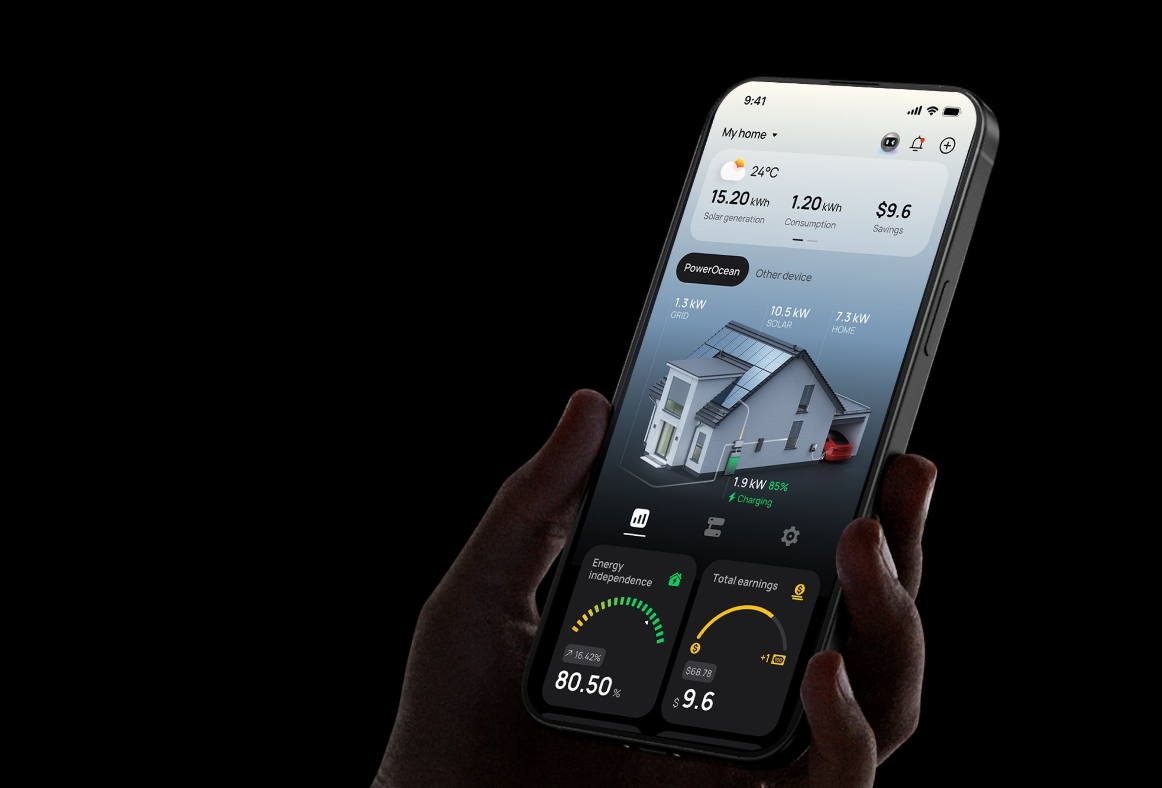
Consequently, this approach increases the significance of renewable energy storage systems. Solar panel owners can store solar power generated during daylight and release it during peak hours to earn more. Intelligent systems can additionally facilitate the execution of this plan. For instance, the EcoFlow Intelligent HEMS is able to monitor and adjust battery discharge times in accordance with DEBS near-peak pricing, so that users are not burdened with manual control.
Australian Capital Territory — Low-interest loans
The ACT facilitates home energy upgrades through its Sustainable Household Scheme. At a rate of about 3%, it lends households money at very low interest to invest in batteries and other energy-saving improvements. It is a good way for a family to pay for solar and a battery in installments.
Additionally, ACT offers a Home Energy Support program rebate of up to $2,500. It can be spent on solar power, heat pump hot water systems, reverse cycle heating/cooling, electric cooking appliances, and ceiling insulation. The point is that it provides support not only for solar energy but also for a home energy upgrade as a whole.
How to maximize your solar panel incentives
Following a few simple steps before and after your solar installation can help you maximize your savings and not miss out on any benefits.
Step 1: Verify official programs
The best place to start is the Australian Government's website and your local state energy department website for federal and state incentives. Be aware that programs change frequently, so always use the latest information available.
Step 2: Contact your electricity retailer
It is a good idea to contact your retailer and inquire about feed-in tariffs.
Step 3: Look at the offers of different installers
Do not settle for the first installer you find. Seek quotes from multiple installers. Be sure to check with each one for rebates, grants, or incentives.
Step 4: Check tax advice for solar systems
In case you are planning to request tax credits or are installing a business-related solar system, you should consult with a tax advisor. This will guide you through the interaction of incentives and your tax position.
Step 5: Investigate battery incentives
Several states offer additional allowances for batteries, especially NSW, Queensland, and South Australia. A battery is a potential way to increase your solar savings by storing your excess solar energy rather than exporting it at a low rate.
Step 6: Employ smart energy control
By integrating a smart energy system, you can accurately monitor your savings by deciding when to use, store, or export power. Technologies like the EcoFlow Intelligent HEMS manage energy use automatically, so you get more practical value from your solar installation, not just theoretical.
Conclusion
Solar panel incentives in 2026 continue to provide major savings for Australian households. Federal schemes such as STCs and the Cheaper Home Batteries Program help lower upfront prices, while state schemes offer additional rebates, loans, and battery assistance. Together, these have made solar power more affordable and viable for most houses. Homeowners can also benefit from ongoing savings through feed-in tariffs and reduced electricity bills over time. As energy prices continue to rise across Australia, these incentives make switching to solar and battery storage an increasingly attractive long-term investment.
Schedule Your Free Consultation Today!
What kind of product or solution are you interested in?
FAQs
What state offers the best solar panel incentives in Australia?
Victoria is often seen as the strongest state for solar support in 2026. It offers rebates up to $1,400 plus interest-free loans.
Is there still a federal solar rebate or incentive in Australia in 2026?
Yes. The main federal support is the Small-scale Technology Scheme (STCs) for solar panels. It gives an upfront discount on installation costs.
How do government rebates work for solar panels in Australia?
Most rebates are applied as an upfront discount on your installation cost. For solar panels, STCs are usually handled by the installer and deducted from your quote.
Are there any local council or state programs to reduce solar costs in Australia?
Yes. Many states still offer extra help on top of federal programs. For example, Victoria has solar rebates and loans, NSW offers VPP incentives for batteries, and SA has REPS payments.
Can solar still save households money in 2026 without federal incentives?
Yes, but the savings would generally be smaller and the payback period could be longer. Solar panels can still help households reduce electricity bills by generating electricity during the day, reducing reliance on grid power.