Solar Panel Efficiency: What Affects It & How to Improve
Not all solar panels generate the same amount of electricity from sunlight. A highly efficient panel can produce far more energy than a standard one using the same roof space. For Australian homeowners, that difference can mean powering more appliances, reducing electricity bills faster, or fitting a complete solar setup on a smaller roof. Solar panel efficiency plays a major role in long-term energy savings and overall system performance. Understanding how solar efficiency works helps you build a smarter and more reliable home energy system.
What is solar panel efficiency?
Solar panel efficiency shows how well a panel turns sunlight into electricity. For example, a 22% efficient panel converts 22% of the sunlight into power. The rest turns into heat or gets lost. Higher solar panel efficiency is very useful. It helps you make more electricity from the same roof space. This is especially good for Australian homes with small roofs.
Solar energy panel efficiency is measured under Standard Test Conditions (STC). These use controlled sunlight, temperature, and weather settings. Manufacturers compare solar panel cell efficiency using these standard tests. This shows how well different panels perform under similar conditions.
Why solar panel efficiency matters
Higher solar panel efficiency means your system produces more electricity from the same amount of sunlight. This directly leads to bigger savings on your power bills. In Australia, where electricity prices keep rising, even small efficiency gains add up fast.
Many Australian homes have limited roof space, especially in cities like Sydney, Melbourne, and Brisbane. Efficient panels let you generate more power without needing a huge array. You can fit a strong system even on smaller or oddly shaped roofs.
There is a clear link between panel efficiency and system size. A 22% efficient panel produces more power than a 18% one using the same space. This means you might need fewer panels overall, which cuts installation costs and makes your roof look cleaner.
High-efficiency solar panels give you better long-term value. They keep producing more power for 25 years and hold their value if you sell your home. For most Australian families, spending a bit more on efficient panels pays off with higher output and lower electricity bills.
What affects the efficiency of solar panels? (The real-world factors)
Several real-world conditions affect how efficiently solar panels perform each day. Understanding these factors helps homeowners maximize energy production and long-term savings.
Temperature
Solar panels need sunlight, but extreme heat can lower performance. In the very hot weather of Australian summers, the panels may produce a slightly lower amount of electricity as high temperatures reduce the voltage and photovoltaic efficiency.
Shading & soiling
Shading from trees, nearby buildings, or antennas can significantly reduce solar output. Dirt, dust, leaves, bird droppings, and coastal salt buildup can also block sunlight, which, over time, can reduce the efficiency of solar cells.
Angle and orientation
Panel tilt and direction affect the amount of sunlight the system receives. In Australia, north-facing panels usually generate the best yearly output. Poor installation angles can reduce the overall solar PV panel efficiency.
Aging and degradation
All panels degrade slowly over time. Most quality panels lose about 0.5% per year. A good panel should provide you with 80-85% of its original power after 25 years. The cheaper panels tend to degrade faster.
How to choose the right solar setup for your home
Once you understand efficiency, the next step is picking the right setup for your home.
Monocrystalline vs. Polycrystalline
Monocrystalline panels are made from a single crystal of silicon. They're the most efficient option available today, typically reaching 20–23% efficiency. They perform better in heat, look sleek (usually black), and take up less roof space per watt. They do cost more.
Polycrystalline panels are made from fragments of silicon melted together. They're slightly less efficient (typically 15–18%) and a little more susceptible to heat. They tend to be cheaper upfront, which makes them popular for large installations where roof space isn't a constraint.
For most Australian homeowners, monocrystalline is the better long-term choice. This is particularly true in warmer regions. The efficiency advantage and better temperature performance usually outweigh the higher upfront cost. Over a 10 to 25 year system life, these premium panels easily pay for themselves.
Balancing cost vs. Yield
Don't just chase the lowest price per panel. A cheaper, less efficient panel might cost more in lost generation over its lifetime. Look at the cost per kilowatt-hour produced over the panel's warranted life, not just the sticker price.
At the same time, the most expensive panel isn't always the best choice for your specific roof, climate, and usage patterns. Get multiple quotes, compare real output estimates (not just rated watts), and ask installers to model your annual generation.
Panels are only half the equation. Pairing them with a good inverter and solar battery storage makes a huge difference. A strong system captures more energy and lets you use it when you need it most, especially during peak evening hours or blackouts.
The best setups combine efficient panels with reliable storage for maximum performance and energy independence.
How to maintain and improve solar panel efficiency
Keeping your solar system efficient requires proper setup, regular maintenance, and smarter energy management habits.
Proper installation
Installation is crucial to the efficient operation of the panels over time. The panels need to be oriented properly, have an adequate tilt, and avoid any form of shade. In Australia, north-facing panels tend to produce the highest average energy output.
Regular cleaning
Dust, leaves, bird droppings, and salt build-up can all decrease the efficiency of solar panels over time. This is especially common in Australian coastal or dry regions. Panels are cleaned regularly to maximize absorption of sunlight and maintain consistent energy output.
Monitoring usage patterns
You can have the most efficient panels in the world, but if you're not using power at the right times, you're leaving money on the table. Monitoring your home energy use shows you exactly when you're generating and when you're consuming, and helps you shift loads to take advantage of cheap solar.
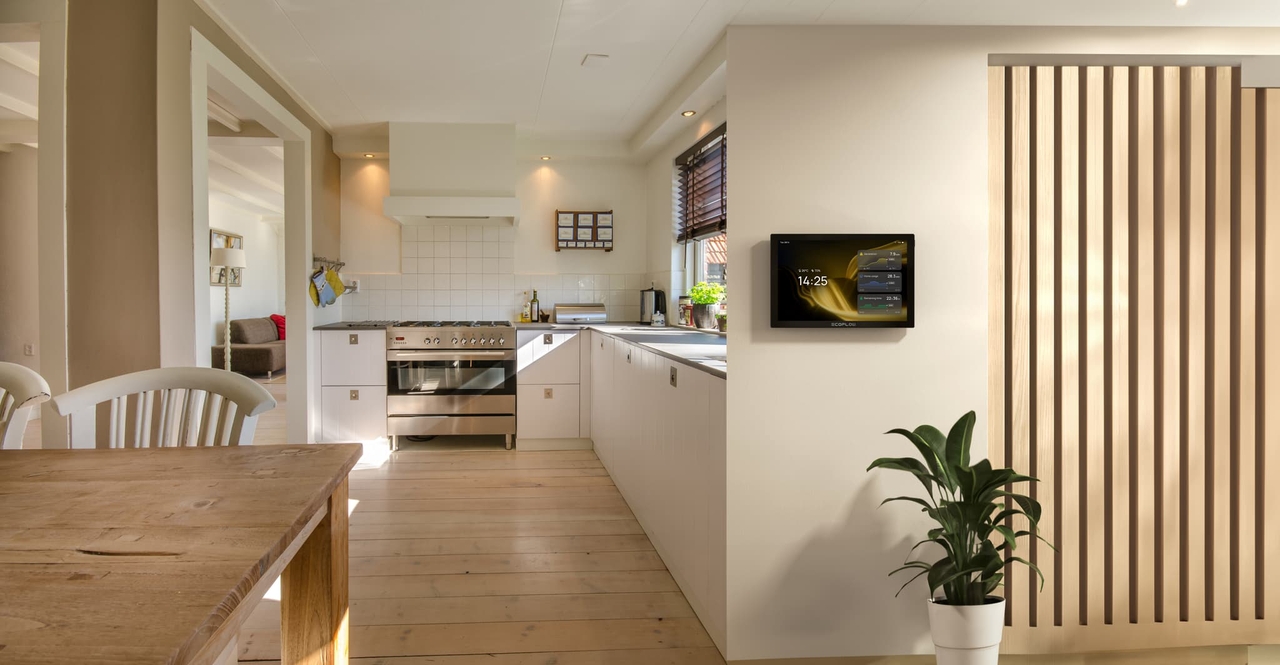
The EcoFlow PowerInsight 2 Monitor is built for exactly this. This helps you spot energy leaks instantly. You can quickly identify appliances that draw too much power. This data lets you make smarter choices about when to run high-draw devices. It is perfect for timing your dishwasher, washing machine, or EV charger. Plus, it connects directly to the EcoFlow app so you can track everything from your phone.
Storing unused energy
One of the smartest ways to improve your solar system's overall efficiency is to store the energy you'd otherwise export. Most Australian households generate more solar energy than they can use during the middle of the day, and then draw from the grid in the evening when electricity rates are highest.
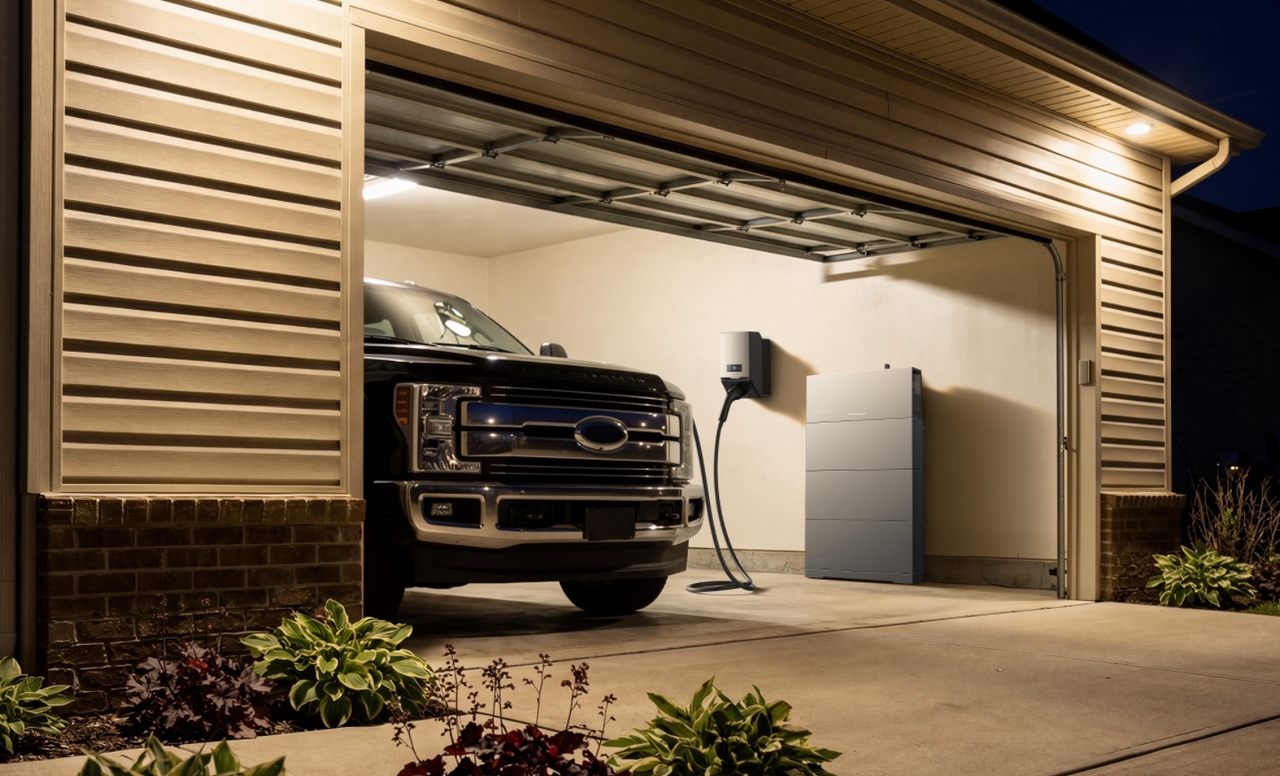
A home battery solves this. The EcoFlow OCEAN 2 Plus Single-phase Home Battery is designed for Australian households looking to make the most of their solar investment. This system features modular 5.02kWh LFP battery packs that can scale up to 60kWh on a single inverter. Storing your own clean energy allows you to power your home at night instead of buying expensive grid electricity.
Combined with PowerInsight 2 Monitor, you get a complete picture of your energy system and the storage to act on it.
Conclusion
Solar panel efficiency plays a big role in how much power you get from your system. Higher efficiency means more electricity, lower bills, and better use of your roof space. Factors like temperature, shading, and cleaning all affect real-world performance. But efficiency is only one piece of the puzzle. The smartest solar setups combine high-efficiency panels with good storage and monitoring. This creates a complete system that works harder for you.
Ready to take control of your energy? Assess your home's solar potential today. Explore integrated solutions like efficient panels, the EcoFlow OCEAN 2 Plus Single-phase battery, and PowerInsight 2 monitoring. To truly unlock energy independence, consider speaking to our energy consultant. They can design a system that matches your home and lifestyle for maximum savings and energy independence.
FAQs
What is the 33% rule in solar panels?
The 33% rule is a fire safety regulation in many areas of Australia. It limits solar panels to covering no more than 33% of your roof area. This ensures clear pathways for firefighters during emergencies. Always check your local council rules.
What are the most efficient solar panel types?
Monocrystalline panels are the most efficient, especially those using N-type, HJT, or All Back Contact (ABC) technology. These panels deliver better performance in heat and limited space, making them ideal for most Australian homes.
Do high-efficiency solar panels cost more?
Yes, high-efficiency panels usually cost more upfront. However, they generate more power from smaller roofs and save you extra on bills over time. For many Australians, the higher initial price pays off faster through better long-term returns.
Will solar panels ever reach 50% efficiency?
Standard home panels will not reach 50% efficiency anytime soon. However, researchers are building multi-junction laboratory cells using advanced materials like perovskites that can absorb different wavelengths of light, pushing past the 40% efficiency barrier.
What are the most efficient solar panels available?
The most efficient residential panels on the market today reach between 24% and 25% efficiency, such as TOPCon or Heterojunction. Leading premium brands utilize innovative back-contact cell layouts to eliminate front shadows and squeeze maximum power from small roof spaces.