How to Maximize Solar Energy for Your Home Throughout the Day
To make the most of your solar, run heavy loads like pool pumps, washing machines, hot water, and EV chargers between 10 AM and 3 PM. That’s typically when rooftop solar systems generate their highest output. Add a battery to store what you don’t use for the evening peak, and a smart monitor to handle it automatically.
This guide covers why the mismatch happens, how to shift your loads into daylight hours, and how batteries and monitors can keep you running on solar well into the evening.
Key Takeaways
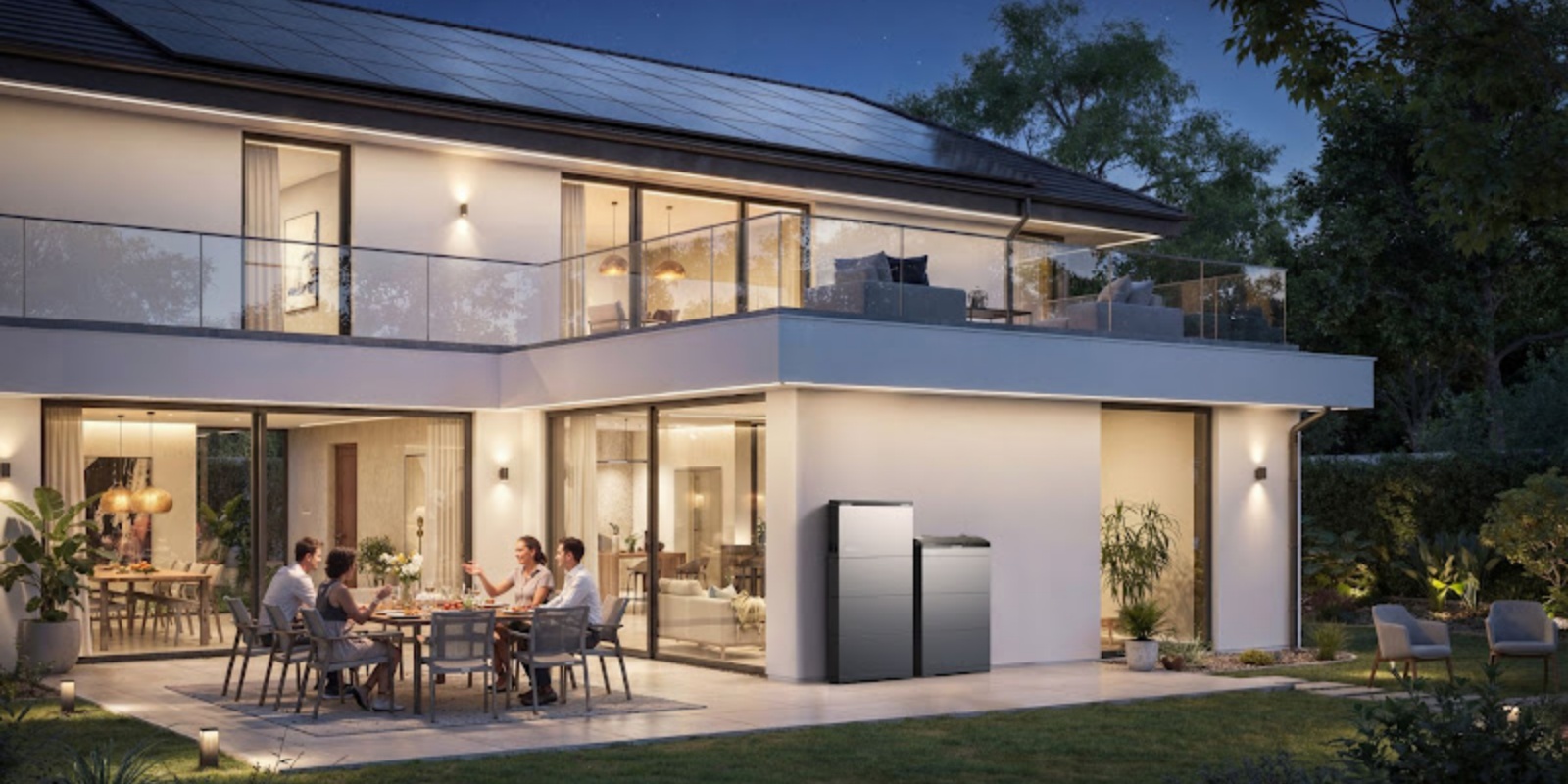
The household energy mismatch is real. Just like the grid's "duck curve," your rooftop panels peak at midday when the house is quiet, while your highest electricity demand hits from 4 to 9 PM after the sun goes down.
Low feed‑in tariffs make self‑consumption the better play. Exporting solar gets you pennies. Using it directly during the day is worth more.
Stagger your heavy loads. Run dishwashers, pool pumps, air con one after another during solar hours. Avoid spikes that pull from the grid.
Battery storage can help unlock more value from daytime solar generation by shifting surplus energy into evening use. A well‑sized battery banks your midday surplus. Covers cooking, lights, and cooling after the sun's down. An EcoFlow Solar Battery can help shift more of that stored energy into evening hours.
Real‑time visibility drives smarter habits. Good monitoring shows you phantom loads, tracks yield, and automates discharge. You can better understand energy usage and identify opportunities to improve self-consumption.
Why Is It Difficult to Use Solar Energy Throughout the Day?
For most homes, generation and consumption are on opposite schedules. You produce power during the day when nobody’s home, and you use it in the evening when the sun’s gone. Spotting that gap is the first step to doing something about it.
Solar Generation Changes From Morning to Evening
Solar generation usually builds through the morning, is strongest around the middle of the day, and then tapers off during the afternoon. How much electricity your panels produce at each point depends on factors such as weather, season, roof orientation, and system size. In practice, this means the middle of the day is often the best time to run flexible appliances and other high-energy loads, rather than waiting until the evening when solar production has already fallen.
Household Electricity Demand Varies Throughout the Day
Domestic routines don’t line up with solar cycles. Mornings are busy. Kettles, toasters, frypans, showers, everyone moving at once. Then the house empties. For six or seven hours, it’s quiet. Late afternoon, everyone’s back. Air con, heat pumps, ovens, TVs, laundry, all on at the same time. That’s when grid demand spikes. Solar’s dropped off by then. So you’re pulling from the grid at peak rates, just when you’d rather be using stored power. You charge when the sun’s high, use it when the house is busy.
Excess Midday Solar Is Often Exported
During the middle of the day, rooftop solar systems can sometimes generate more electricity than a household is using at that moment. The surplus energy may be exported back to the grid, where the value of the exported electricity depends on the available feed-in tariff offered by the retailer and location.
As feed-in tariffs have generally decreased in many Australian markets, some households may find greater value in using more of their own solar energy rather than exporting all excess generation. Battery storage can help capture surplus solar during the day and make it available later when household demand increases.
How Can You Match Home Energy Use With Solar Production?
Running high-demand appliances when solar generation is higher can increase the share of solar electricity you use directly at home.
| Appliance / Load Type | Typical Power Draw | Ideal Operating Window | Optimization Strategy |
|---|---|---|---|
| Swimming Pool Pump | Around 1,000W–1,800W depending on pump size | 10:00 AM – 2:00 PM | Set mechanical or digital timer to run strictly during peak solar. |
| Heat Pump / Hot Water | Around 1,500W–3,500W depending on system type | 11:00 AM – 3:00 PM | Use a solar diverter or timer switch to heat water during midday sun. |
| Washing Machine & Dryer | Around 1,200W–2,500W depending on appliance model | 10:30 AM – 1:30 PM | Stagger cycles using built-in delayed start settings. |
| Dishwasher | Around 1,200W–2,000W depending on cycle and model | 1:00 PM – 3:00 PM | Run after lunch using the eco mode delay timer. |
| Electric Vehicle (EV) | Around 2.4kW–7.2kW depending on charger type | 10:00 AM – 3:00 PM | Use solar-aware smart EV chargers that throttle rate to match excess output. |
Run High-Energy Appliances Around Midday
Instead of running the dishwasher after dinner or starting a wash at 6 AM, use the delay timers. Most modern appliances let you schedule starts 4 to 8 hours ahead. Just don’t fire them all at once. Induction hob, washer, oven, all together, that can spike demand past what your solar can cover. Then the system pulls from the grid. So stagger the loads. One at a time, spread across the solar window. That’s the smarter way. You use more of your own power, import less, and the savings add up.
Schedule Hot Water and EV Charging
Electric hot water cylinders and EV chargers are the biggest flexible loads in most homes. Set your hot water timer for the middle of the day, say 11 AM to 3 PM. That’s when solar’s at its peak, so you’re using spare rooftop power to heat water instead of pushing it to the grid. Same for the EV. Charge at 2.4 to 4.8 kW on a sunny weekend afternoon, and you’re running the car on clean, self‑generated energy. This can reduce reliance on grid electricity and help avoid using higher-cost power during some peak periods. Just cheap, local solar. Both options take advantage of the sun when it’s shining.
Shift Flexible Loads to Sunny Hours
Routine tasks can be shifted to solar hours. Run your split‑system AC between 1 and 3:30 PM to cool the house ahead of the afternoon heat. That reduces the load you need at 6 PM when everyone’s home and the sun’s dropped off. Same for charging. Cordless tools, battery packs, laptops, vacuum stations, do them during the day. Keeps those small loads off the evening bill. It’s not a big change, but it adds up. Shift what you can to when the sun’s up, and you’ll see it on the quarterly statement.
How Can Battery Storage Extend Solar Use Into the Evening?
Behavioral adjustments go a long way, but a dedicated home storage system captures the remaining surplus so you can run your home on clean energy long after dark. Reviewing solar battery cost alongside capacity and expected evening usage helps households plan the right system.
Store Excess Solar at Midday Instead of Exporting to the Grid
On a clear, cool day, a rooftop system often generates more than the house can use. Instead of exporting that surplus for a few cents per kWh, a battery holds onto it. The lithium iron phosphate cells store the power safely, ready to go when generation drops below demand. You stop selling cheap and buying back expensive. You keep the energy on‑site and use it when it matters. The battery changes the dynamic. Not a lot of moving parts, just a smarter way to manage your solar. Choosing an LFP battery also supports long cycle life and stable home energy storage.
Discharge Stored Solar in the Evening When Grid Prices Peak
Between 5 and 9 PM, household demand spikes. Stoves, lights, TVs, air con, all on at once. If you’re on a time‑of‑use tariff, that’s when power is most expensive. That’s where the battery earns its keep. It discharges stored solar during those peak hours, so you’re not pulling from the grid at premium rates. The lights stay on, the air con runs, and the bill doesn’t jump. You’re using the energy you stored earlier, when it was cheap and abundant. That’s the advantage. Not just generating power, but using it at the right time.
Match Battery Size to Your Usage Hours
A well-sized battery can cover part of a home’s evening and overnight electricity demand by storing surplus solar generated during the day. The appropriate capacity depends on household consumption, available solar generation and the amount of energy the household wants to shift into non-solar hours. Many households find their capacity needs increase as they add electric vehicles, ducted climate control, or induction cooktops.
For growing homes, systems like the EcoFlow OCEAN 2 Plus Single Phase provide greater flexibility for managing larger solar systems. With support for up to 24 kW PV input and expandable storage capacity of up to 60 kWh, it helps households capture more daytime solar surplus and store energy for use during higher-demand periods in the evening.
How Can Smart Energy Management Optimize Solar Use?
Maximizing energy efficiency requires continuous insight into where power is generated, stored, and consumed. Smart management systems turn complex electrical data into straightforward, automated actions. A connected Home Energy Ecosystem can coordinate generation, storage and household consumption from one platform.
Monitor Solar Generation and Home Consumption
You cannot optimize what you do not measure. Real-time dashboards provide instant visibility into production dips, baseline household consumption, and storage status, making it easy to see when excess generation is available.
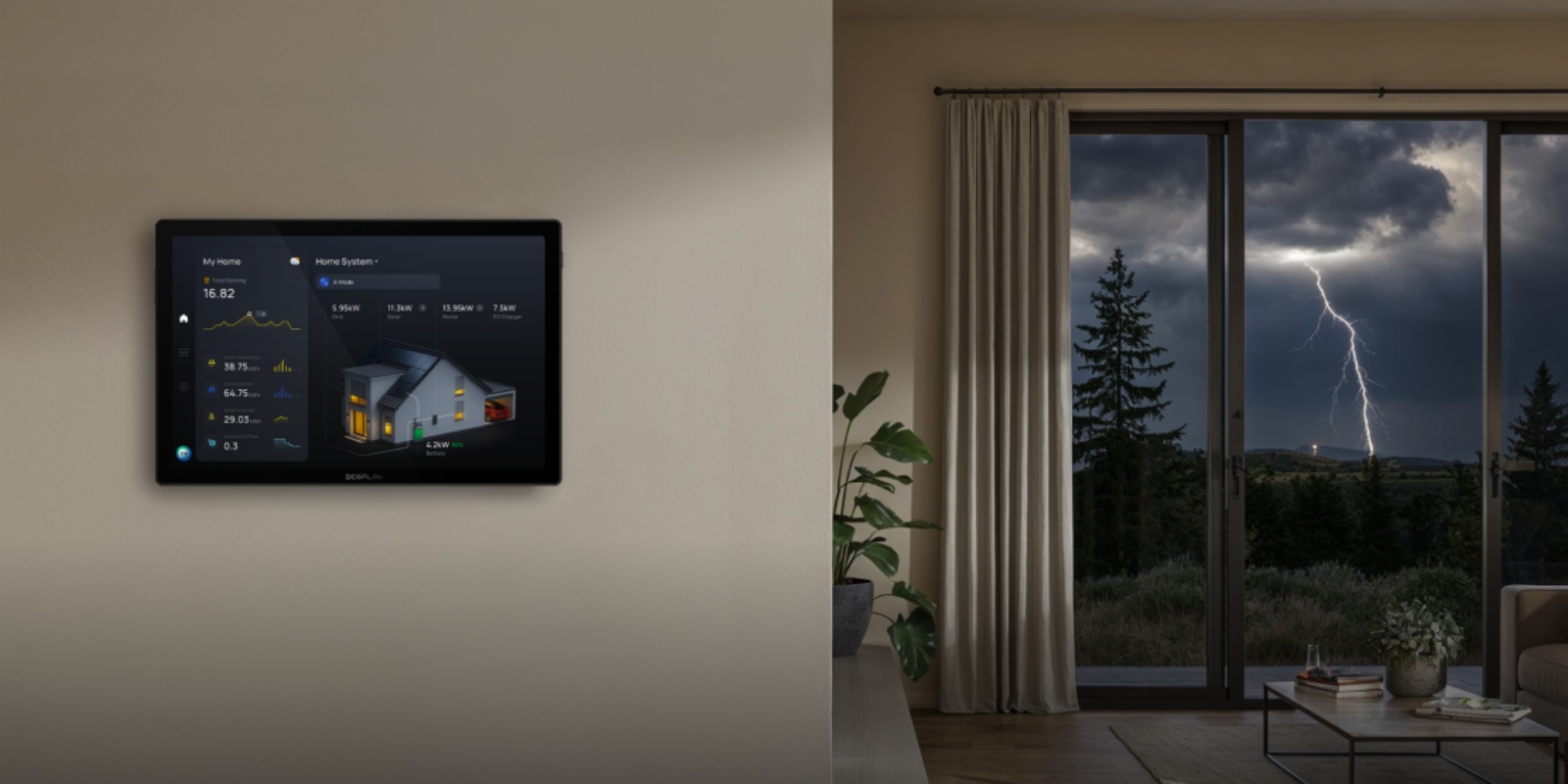
Using an integrated hub such as the EcoFlow PowerInsight 2, equipped with an intuitive 11-inch touchscreen display, allows household members to check real-time solar generation, home power draw, and overall battery capacity at a glance. Driven by the intelligent AI Energy OS, the system helps analyze energy usage patterns and provides clearer insights into household power management.
Automate Battery Charging and Discharging Based on Usage
Manual tracking gets old fast. Compatible energy-management systems can use information such as solar generation, battery status, household demand and tariff settings to help coordinate charging and discharging. Depending on the system configuration and enabled features, automation can reduce the need for manual adjustments and help households use stored energy more effectively. That’s the point of smart management.
Schedule Your Free Consultation Today!
What kind of product or solution are you interested in?

Conclusion
Maximising a home solar system takes a mix of good habits and the right tech. Move heavy loads like pool pumps and hot water into the middle of the day. That lifts self‑consumption without any extra equipment. Add battery storage and live monitoring, and you can increase solar self-consumption and make greater use of locally generated energy throughout the day. This lowers overall bills and minimizes grid reliance without unnecessary complexity.
FAQ
How do I check if my solar is working fully collecting energy?
Check your inverter’s display panel, dedicated mobile app, or smart home energy monitor during clear midday conditions to see if the instantaneous kilowatt output matches your system’s rated capacity (allowing for normal system losses caused by factors such as inverter efficiency, temperature and installation conditions). A steady green indicator light on the inverter alongside regular generation curves in your tracking app confirms that panels and strings are operating normally.
Does using more appliances during the day always increase solar savings?
Yes, provided those appliances operate within the real-time generation output of your panels and fulfill genuinely needed household tasks. Running loads like heat pump water systems, dishwashers, and pool pumps during the day replaces electricity you would otherwise have to purchase from the grid at full retail rates.
Do you need a battery to use more solar at home?
Not necessarily for daytime use, but yes if you want solar power at night. You can significantly increase self-consumption without a battery simply by shifting flexible loads (like hot water, dishwashers, and EV charging) into sunny midday hours. However, if your goal is to store daytime surplus to power your home through the evening and overnight peak rates, a battery storage system can be a useful option for households that want to store surplus solar energy for evening and overnight use.
How does seasonal weather affect solar availability?
How does seasonal weather affect solar availability?
Winter cuts your window short. Shorter days, lower sun angle, more cloud. You get less total energy compared to summer. In winter, shorter daylight hours and lower sun angles can reduce solar generation, so the most productive hours may shift compared with summer. So you need to group heavy loads tightly into that band. Planning matters more in winter. The system works year‑round, but you have to adjust your habits.