Solar and Power Inverter: How They Work Together in a Solar System
Solar panels make electricity, but it needs converting before your home can use it. An inverter turns the panels’ DC into AC, then helps manage where that power goes. Here’s how the two work together, what the main inverter types do, and what to consider when choosing and maintaining one in Australia.
Key Takeaways
The Core Partnership: Solar panels produce DC, while most Australian household appliances use nominal 230V AC. The inverter bridges that gap.
Smart Energy Routing: Modern systems balance production in real time. Power goes to household circuits first, then the battery, then the grid.
System Matching Matters: A 6.6kW panel array is commonly paired with a 5kW inverter. Array sizing must meet the inverter manufacturer’s specifications, applicable installation requirements and current STC eligibility rules.
Future-Proofing Pays Off: Going with a hybrid inverter or modular storage means you can adapt smoothly as feed-in tariffs decline.
What Is a Solar Power Inverter?
Solar panels generate DC power, while most household circuits run on AC. The inverter converts between the two and keeps the system operating safely and efficiently. A home energy ecosystem can coordinate compatible generation, storage and household energy controls.
Definition of a Solar Power Inverter
A solar inverter is a power electronics unit that converts the variable DC electricity from your panels into usable AC. In Australia, that means turning raw rooftop power into a stable 230V single-phase or 400V three-phase, 50Hz supply that’s ready for your home circuits.
Key Functions of a Solar Power Inverter
Beyond basic conversion, today’s smart inverters handle a few critical jobs:
Maximum Power Point Tracking (MPPT): Constantly adjusts voltage and current to squeeze the most wattage out of the array, even as cloud cover shifts.
Grid Synchronisation & Anti-Islanding: Locks onto the local grid frequency and disconnects instantly during blackouts, protecting linesmen working on the poles and wires.
Performance Telemetry: Streams real-time generation and fault logs straight to your phone or a wall-mounted display.
How Do Solar Panels and Power Inverters Work Together?
It’s pretty straightforward. Panels make DC power, the inverter converts it to AC, and your home uses it. Anything left over goes into a battery or out to the grid.
Solar Panels Generate DC Electricity
When sunlight hits the cells in a solar panel, they make DC electricity. That power travels down the solar cables to the inverter, and how much you get depends on the sunlight and how hot the panels are.
The Inverter Converts DC Electricity into Usable AC Power
Once DC voltage reaches the inverter, high-speed semiconductor switches and filtering convert it into grid-compatible AC. In Australia, grid-connected inverters must meet applicable AS/NZS 4777.2 requirements and the local distributor’s connection settings.
Solar Power Supplies Household Loads
Freshly converted AC electricity travels directly to your main switchboard. Household devices consume this power on a priority basis: if the pool pump and washing machine require 3kW and your roof is churning out 4.5kW, the home absorbs what it needs instantly, completely bypassing the utility grid.
Exporting or Storing Excess Solar Power
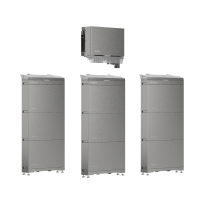
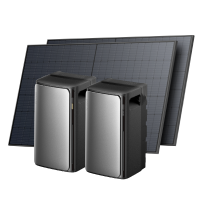
In Australia, if your panels make more power than you’re using, you can send the extra to the grid for credits, or stash it in a battery for later. And later is usually when you need it. Everyone gets home, the induction cooktop goes on, the aircon cranks up. That’s when stored solar earns its keep. For a setup that handles both generation and storage in one, the Ecoflow OCEAN 2 Plus single phase is worth a look. It’s modular, so you can add capacity as your needs change, whether that’s a new hot water system, an EV, or just a growing family.

What Are the Different Types of Solar Inverters?
The right inverter depends on your roof layout, shading, and whether you plan to add a battery. This table compares the main options before looking at how each works.
| Inverter Category | Best Suited For | Key Advantages | Typical Consideration |
|---|---|---|---|
| String Inverter | Unshaded, north-facing roofs | Most cost-effective, proven track record, simple maintenance | Generation drops if one panel in a string is shaded |
| Microinverters | Complex rooflines, partial tree shading | Panel-level optimisation, no high-voltage DC on roof | Higher upfront cost per watt |
| Hybrid Inverter | New solar + battery installations | Combines solar and battery control in one unit, compact footprint | Sizing must match both solar array and battery output |
| AC-Coupled Inverter | Retrofitting a battery to an existing PV array | Leaves existing solar setup intact, brand-agnostic | Extra conversion step (DC to AC to DC) |
String Inverters for Residential Solar Systems
Commonly installed on garage or exterior walls, a single central string inverter manages rows of panels wired in series. While exceptionally reliable and budget-friendly, the entire string can underperform if dirt, bird droppings, or branch shadows obstruct even one panel.
Microinverters for Individual Solar Panels
Mounted directly underneath each rooftop panel, microinverters perform the conversion right at the source. Shading on an eastern panel will not compromise output on the northern array, making them a sensible pick for multi-gable suburban rooftops.
Hybrid Inverters for Integrated Solar and Battery Systems
A hybrid inverter houses both solar PV inversion and battery charge control in a single enclosure. It directs DC power straight into battery storage without redundant conversions, delivering top-tier round-trip efficiency for solar-plus-storage homes. When planning solar battery storage, check usable capacity and compatibility as well as inverter efficiency.
AC-Coupled Battery Inverters for Solar Retrofits
If you already have a functioning string system installed years ago under premium feed-in tariff rules, an AC-coupled inverter lets you bolt on a home battery bank without replacing your operational solar inverter.
How to Choose the Right Solar Power Inverter for Your Home
To choose an inverter, consider how much solar your roof can generate, how your household uses electricity, and whether you want backup power or battery storage. These factors help narrow down the capacity and features you need. A solar power calculator guide can help you compare estimated generation with household demand before an installer confirms the design.
Match Inverter Capacity to Your Solar Panel System
A common Australian example is a 6.6kW solar system paired with a 5kW inverter. This DC-to-AC ratio can improve use of the inverter outside peak sunshine hours, although output may be clipped at peak generation. The permitted panel capacity and export limit depend on equipment specifications, installation requirements and the local network.
Assess Household Load and Backup Requirements
If you need essential circuits like the family fridge, home office, and Wi-Fi to keep humming through unexpected local blackouts, ensure the inverter features an automatic transfer switch (ATS) and an emergency power supply (EPS) rating capable of sustaining those surges.
Consider Future Battery Storage Plans
Even if your budget currently only covers panels, choosing a compatible hybrid inverter can help prepare for battery storage later. Adding a battery still requires compatibility checks, compliant electrical installation and any necessary network approvals.
Compare Inverter Efficiency Ratings
Check the CEC-listed inverter ratings. Most reputable modern inverters boast Euro or CEC efficiencies between 97% and 98.5%. Steer clear of unbranded units that fail to meet Australian grid-compliance standards or run hot under standard ambient conditions.

How to Get the Best Performance from Your Solar Inverter
Good placement, regular monitoring, and attention to shading can help your inverter run reliably. These checks can also help you spot performance problems before they affect your system for long.
Minimise Solar Panel Shading
Keep overhanging gum tree branches trimmed. When full shade avoidance is impossible due to chimneys or adjoining two-storey properties, consider DC optimisers or microinverters to keep unshaded panels performing at their full potential.
Monitor Solar Generation and Household Electricity Use
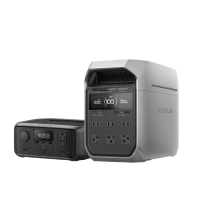
Getting the most out of your solar isn’t just about keeping the hardware happy. It’s about knowing when you’re generating and when you’re actually using power. For most Aussie families, the panels peak around 10 am to 2 pm, but the house peaks later. That’s the gap you want to close. Shift the big stuff, like the dishwasher, pool chlorinator, and washing machine, into those sunny hours. Then you’re running on your own free solar instead of buying grid power. Tools like the EcoFlow PowerInsight 2 make that easy. It gives you a clear dashboard of what you’re generating, using, and storing, so managing your energy just becomes second nature.
Keep Your Solar Inverter Well-Ventilated
Extreme Australian heat is an inverter’s natural enemy. Mount the unit out of direct western sunlight, ideally inside an airy garage, under a dedicated awning, or on a sheltered southern wall. Adequate clearance around the heat sinks prevents the unit from thermal throttling (automatically dialling back output to safeguard internal components).
Address Common Solar Inverter Performance Issues
Grid Over-Voltage Curtailment and Tripping: High local grid voltage can cause an inverter to reduce output or disconnect. The response depends on the applicable standard, regional settings and network requirements. If this happens repeatedly, ask a licensed solar electrician or your local distribution network service provider to investigate; do not change protection settings yourself.
Dust and Debris Build-Up: Keep the heat sinks free of wasp nests, spider webs, and leaf litter to sustain natural convection cooling.
Schedule Your Free Consultation Today!
What kind of product or solution are you interested in?
Conclusion
The inverter turns your panels’ output into electricity your home can use, while directing surplus power to a battery or the grid. When comparing systems, check inverter capacity, roof conditions, backup needs, and whether you may add storage later. If you’re planning a new solar installation or upgrading an existing one, ask an SAA-accredited installer (Solar Accreditation Australia) to assess your roof and household loads, then compare quotes for systems that fit your needs.
FAQs
How much does it cost to add a battery to existing solar?
The installed cost varies with battery capacity, brand, inverter compatibility, switchboard work and available incentives. Request itemised quotes showing the total installed price and any eligible discount separately. Prices and program settings may change, so confirm them again before purchase.
How many solar panels can be connected to a 5kW inverter?
A 6.6kW panel array is often paired with a 5kW inverter, equivalent to 132% of its rated AC output. The permitted array size depends on the manufacturer’s specifications, applicable installation requirements and current STC eligibility rules; ask your accredited installer to confirm the design.
Can a solar inverter work without a battery?
Yes. Standard grid-tied inverters run fine without a battery. They convert daytime solar for your appliances and export any surplus to the grid.
What is the typical lifespan of a solar inverter?
Most quality string inverters last 10 to 15 years. Microinverters often come with warranties of 20 to 25 years. Routine maintenance and mounting them somewhere sheltered, away from direct sun, helps them last longer.