Power Outage Brisbane: Causes, What to Do & How to Prepare
If the power goes out in Brisbane, first work out whether it’s just your home or a wider area. If the neighbours are without power too, check Energex’s Outage Finder to see the affected area and any available restoration information. While you’re waiting, unplug sensitive appliances, keep the fridge and freezer doors closed, and use charged power banks or a suitable home battery to keep essential devices running.
This guide covers what to do during a Brisbane blackout, how to check local outages, how to protect your appliances and food, and how to plan backup power if the outage continues.
Key Takeaways
• Energex manages the local distribution network: As the electricity distributor for South East Queensland, Energex provides outage information and handles power supply faults across its network.
• Severe weather can contribute to outages: Storms, damaging winds, flooding and other weather-related events can disrupt electricity infrastructure in Brisbane and South East Queensland.
• Food safety is time-sensitive: According to Queensland Health food safety guidance, a closed refrigerator should keep food cold for about 4 hours, while a full freezer can generally keep food frozen for up to 48 hours if it remains closed.
• Forward planning makes backup sizing easier: Understanding your household's typical electricity use can help you identify essential loads and estimate the backup capacity you may need.
• Battery storage can provide backup power: Depending on the system and configuration, a home battery can help keep selected essential loads running during a power outage.

What Causes Power Outages in Brisbane?
Brisbane’s climate and the way the suburbs sprawl out make the distribution network easy pickings for all sorts of disruptions. Knowing why the grid trips gives you a decent idea of how long a fix might take.
Severe Weather Can Disrupt Brisbane Power Networks
South East Queensland has a subtropical climate, with higher rainfall more common during the wet season from October through April. Severe thunderstorms can bring lightning, heavy rainfall, damaging winds and, in some cases, flash flooding. These conditions can damage electricity infrastructure, including overhead powerlines and other network assets.
Vehicle Accidents Can Damage Network Equipment
Vehicle crashes can also damage electricity poles, overhead lines and other network equipment. When a crash affects electrical infrastructure, crews may need to make the area safe, secure damaged equipment and complete repairs before electricity can be restored.
Planned Maintenance Can Interrupt Electricity
Energex also carries out planned maintenance and network upgrades to keep the South East Queensland distribution network operating safely and reliably. Planned outages can be checked through the Energex Outage Finder, which provides information about scheduled interruptions as well as unexpected outages.
How Can You Check a Power Outage in Brisbane?
When the lights go out, first check whether the problem is limited to your home or affects a wider area. Once supply returns, your smart meter data can help you review household electricity use.
Check The Energex Outage Finder
If you’re in Brisbane, Logan, Moreton Bay or Redlands, the Energex Outage Finder is the main place to check for local outage information. You can view planned and unplanned outages, affected areas and available restoration information. If your outage is not shown, you can call Energex on 13 62 62 for power supply problems. For fallen powerlines, electric shocks or other life-threatening electrical emergencies, call 13 19 62 or 000 as appropriate.
View Planned Outages In Your Area
If no unexpected fault appears on the live map, check the planned outages section of the Energex portal. It can show whether electricity is scheduled to be interrupted in your area for maintenance or network work.
Check Estimated Restoration Times On The Outage Finder
Where available, Energex provides restoration information for unexpected outages through the Outage Finder. Restoration estimates can change as crews assess the damage and complete repairs, so check the outage information for the latest update.
How Can You Prepare Your Home For Outages?
A little preparation can make a blackout easier to manage, especially during Brisbane’s hot and storm-prone months. If backup storage is part of your plan, compare solar battery cost with the essential loads you need to support and the runtime you expect.
Build A Dedicated Emergency Power Kit
Keep an emergency kit in a sturdy, water-resistant container somewhere the household can easily find it in the dark. Useful items include LED torches or headlamps, spare batteries, a battery-powered or hand-crank radio, a first-aid kit, bottled water and non-perishable food. ABC Brisbane is available on 612 AM.
Keep Phones And Power Banks Charged
When severe weather is forecast, charge phones, tablets, laptops and power banks before conditions deteriorate. Mobile networks can become congested during major weather events, so keeping devices charged can help you stay connected to emergency information and warnings.
Prepare Backup Lighting And Communication
Avoid using candles where possible, as an unattended or knocked-over candle can create a fire risk. Rechargeable LED work lights, headlamps and battery-powered lanterns provide practical lighting without an open flame.
| Emergency Item | Recommended Specification | Purpose |
|---|---|---|
| LED Headlamp / Torch | 300+ lumens, USB-rechargeable | Hands-free indoor navigation |
| Emergency AM Radio | Battery or hand-crank powered | Monitoring ABC Radio 612 alerts |
| Bottled Water | 3 litres per person per day | Drinking supply |
| Non-Perishable Food | Tins, muesli bars, dry crackers | Emergency food supply |
| First-Aid Kit | Standard Australian Workplace Type | Treating minor injuries |
Monitor Household Energy Consumption
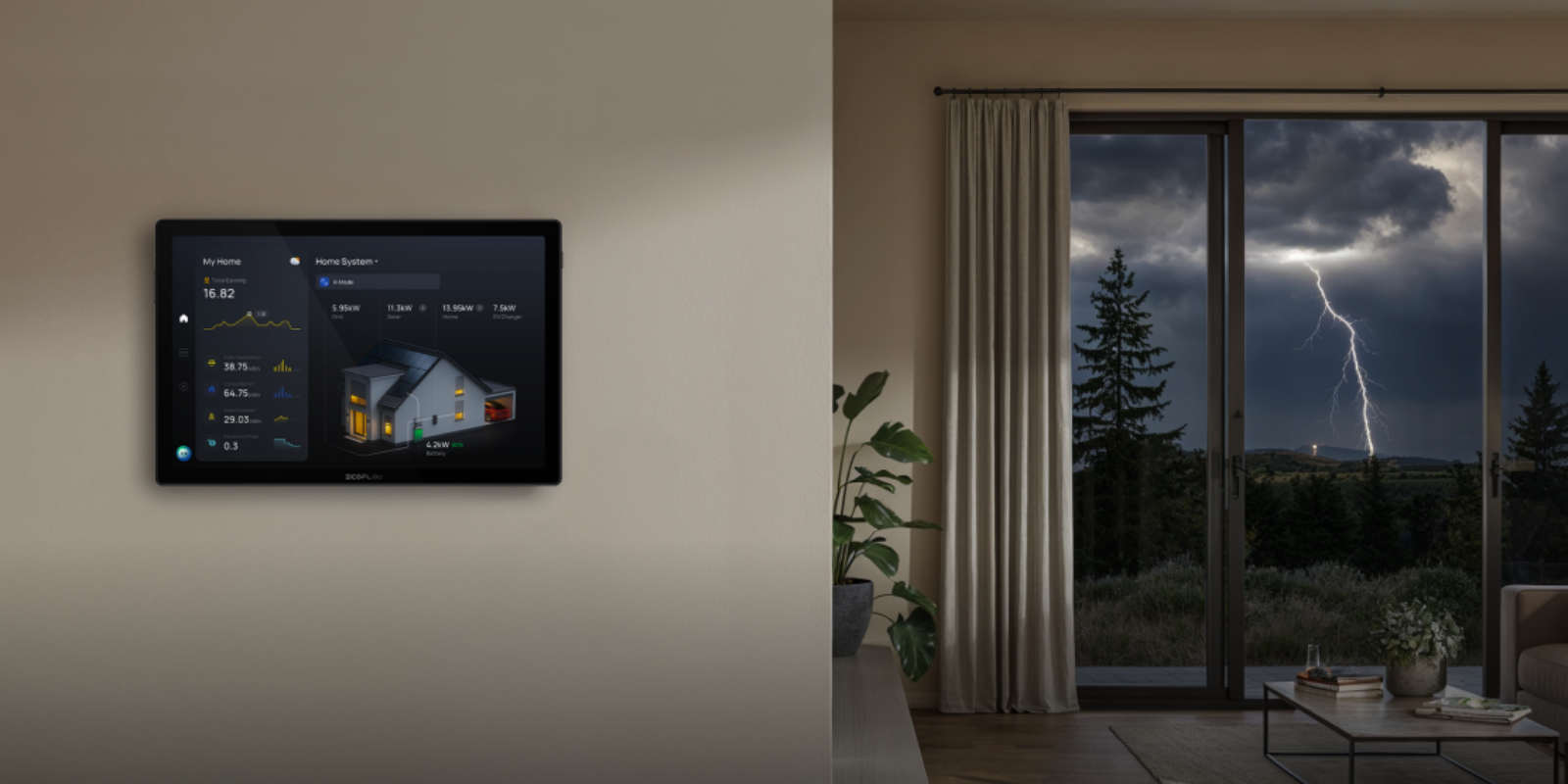
Understanding how your home uses electricity is an important part of preparing a backup plan. Brisbane’s electricity demand can vary with the season, weather and household routines, with cooling and other high-load appliances potentially increasing consumption during hot periods.
Track your electricity use to identify your typical baseline demand and distinguish higher-energy appliances, such as induction cooktops, pool pumps and electric hot water systems, from essential loads such as refrigeration, basic lighting, home internet and medical equipment. Tools like the EcoFlow PowerInsight 2 can give homeowners real-time visibility into household energy use. This information can help you estimate which loads to prioritise and choose a backup system with suitable capacity.
What Should You Do During a Brisbane Power Outage?
Once a blackout strikes, taking immediate steps preserves your high-value assets, safeguards food supplies, and keeps your living space comfortable.
Unplug Sensitive Electrical Appliances
Power can return with voltage fluctuations or disturbances, so it is sensible to unplug sensitive electronics during a prolonged outage if practical. Consider disconnecting devices such as TVs, computers, gaming consoles and other sensitive electronics, and leave one light switched on so you can tell when power has returned.
Keep Essential Devices Powered Safely
Avoid running electrical equipment or extension cords through wet areas, and never operate a petrol generator in an enclosed or poorly ventilated space because of the risk of carbon monoxide poisoning. A suitably designed battery backup system can provide power to selected essential loads without the emissions associated with a fuel-powered generator. For a fixed home setup, solar battery storage with a suitable backup configuration can support selected essential circuits.
Preserve Food Inside Your Refrigerator
Keep the refrigerator and freezer doors closed as much as possible during an outage. Queensland Health advises that a closed refrigerator should keep food cold for about 4 hours. A full freezer can generally keep food frozen for up to 48 hours, while a half-full freezer may last around 24 hours. If perishable food has been above 5°C for more than 4 hours, it should be discarded.
How Can You Stay Safe During a Power Outage?
Safety always takes priority over convenience whenever network lines break down or water levels rise. When planning a Home Energy Ecosystem, make essential backup loads and safe equipment placement part of the design.
Stay Away From Fallen Powerlines
Fallen powerlines can occur during severe weather and must always be treated as live and dangerous. Queensland electrical safety guidance advises keeping well clear and never touching or attempting to move a fallen line. Warn others to keep away and contact Energex on 13 19 62. Call 000 for a life-threatening emergency.
Avoid Flooded Electrical Equipment Completely
If your garage, living area or other part of the property is flooded and electrical outlets, appliances or wiring may be underwater, do not enter the water or touch the affected equipment. Floodwater and damaged electrical equipment can create a serious electrical hazard. If water is approaching your switchboard or other electrical equipment, keep away and contact Energex or a licensed electrical contractor for advice and safe isolation.
Use Battery Storage to Power Essential Safety Devices
For Southeast Queensland households, keeping critical equipment running through a prolonged blackout can be important for safety and comfort. Medical equipment, refrigeration, lighting and communications equipment may be among the loads a household chooses to prioritise during an outage.
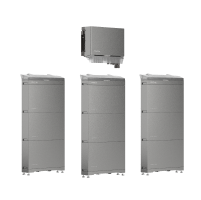
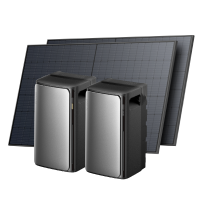
A home battery such as the Ecoflow OCEAN 2 Plus single phase can support selected backup loads when installed and configured for backup operation. Depending on the system configuration, a battery paired with rooftop solar may also be able to recharge from solar generation during a grid outage. This can provide a quieter, fuel-free backup option for selected household loads, subject to the system design and installation requirements.
Schedule Your Free Consultation Today!
What kind of product or solution are you interested in?

Conclusion
Power outages can occur in Brisbane for a range of reasons, including severe weather, network faults and planned maintenance. While you cannot prevent every outage, preparing in advance can make it easier to manage an interruption safely.
Check the Energex Outage Finder, keep an emergency kit available, follow food-safety guidance, and identify which household loads you would prioritise during an outage. For homeowners who need longer-duration backup, a suitably configured home battery paired with solar can be one option to consider.
Disclaimer: The information in this article is provided for general informational purposes only and should not be considered electrical, safety, medical, or professional advice. Power outage procedures, food-safety recommendations and backup-power requirements may vary depending on local conditions, equipment and system configuration. Always follow guidance from relevant authorities and consult a licensed electrician or qualified professional when required.
FAQs
What food should I buy in case the power goes out?
Stock the pantry with foods that don’t need refrigeration or cooking. Good options include tinned tuna and beans, canned soup, long-life UHT milk, peanut butter, dried fruit, nuts, muesli bars and ready-to-eat crackers. Keep a manual can opener in your emergency kit as well.
How long do Brisbane power outages last?
There is no single typical duration for a Brisbane power outage. Short, localised faults may be restored relatively quickly, while major storms, flooding or widespread network damage can result in much longer interruptions. For a current outage, check the Energex Outage Finder for available restoration information and updates.
What happens during a prolonged outage?
During a prolonged outage, households may face a range of challenges, including food spoilage, loss of hot water, reduced cooling and limited access to some electrically powered services. The impact will depend on the duration of the outage, local infrastructure and household needs. Keeping essential devices and backup equipment ready can make a longer interruption easier to manage.
What should backup power run?
Prioritise loads that are important for food, health, safety and communication. These may include a refrigerator used for food or medication, internet equipment, essential lighting, phone charging and medically necessary equipment. High-power appliances such as ovens and conventional electric water heaters can consume substantial amounts of stored energy, so they may need to be excluded from backup circuits depending on the system design and available capacity.
Should I turn off the breaker during an outage?
Avoid opening or working inside the switchboard during a blackout, especially if the area is wet or there may be electrical damage. For ordinary outages, you can switch off or unplug sensitive appliances and high-load equipment where practical. If your home has solar, battery storage or a backup system, follow the shutdown and operating instructions provided by the installer or manufacturer rather than changing switchboard settings without guidance. Leave one light switched on if you want a simple visual indication that power has returned.