Ohm’s Law Explained: How Electrical Loads Impact Australian Home Energy Use
Ohm’s Law explains the relationship between voltage, current, and resistance in an electrical circuit. In practice, when you run a few high-power appliances at once, your total load rises. Grasping that connection helps you manage your peak demand, get more from your solar, and work out when battery storage actually makes sense.
Key Takeaways
Core Fundamentals: Voltage (V) is electrical pressure, Current (I) is flow volume, and Resistance ® is friction in wires and appliances.
Power vs. Load: At a roughly constant supply voltage, running more appliances at the same time increases the total current drawn by the home and raises its overall power demand.
Aussie Summer Strain: Concurrent heavy loads during common evening peak periods can increase electricity costs and place greater demand on household electrical connections.
Smart Integration: Balancing heavy continuous loads with solar storage and real-time monitoring can help households optimise electricity use, reduce reliance on grid power, and improve energy flexibility.
Why Ohm’s Law Matters for Australian Home Energy Management?
Ohm’s Law shows how voltage, current, and resistance interact in your home’s electrical system. Get your head around the basics, and it becomes a lot easier to see how different appliances affect your overall power draw.
Understanding Voltage, Current And Resistance Basics
Three basic factors determine how electricity behaves in your home: voltage, current, and resistance. Voltage drives the current, while resistance limits how much current flows. Understanding these relationships is useful when looking at household electrical loads.
| Electrical Quantity | Unit & Symbol | Hydraulic Analogy | Typical Australian Household Context |
|---|---|---|---|
| Voltage (V) | Volts (V) | Water Pressure | Standard residential supply is around 230V single-phase at 50Hz in Australia, with normal variations depending on grid conditions. |
| Current (I) | Amperes / Amps (A) | Flow Rate (Litres/sec) | The physical volume of charge flowing; individual power circuits are typically rated to 16A or 20A. |
| Resistance (R) | Ohms (Ω) | Hose Diameter / Friction | The natural restriction to electrical flow provided by copper wiring and appliance heating elements. |
| Power (P) | Watts (W) or kW | Total Work Done | Calculated as P=V×I. Defines the rate at which an appliance converts energy into heat, light, or motion. |
Connecting Electrical Principles With Household Energy Use
Ohm’s Law is V = I × R, and you can rearrange it to find current: I = V / R. In Australia, the supply voltage stays around 230V, so the current an appliance draws is mainly determined by its power demand.
Most appliances are wired in parallel. That means each one sees the supply voltage and draws current based on its own needs. When you run multiple appliances at once, the currents add up, and so does the total load on your supply.
For managing household energy, P = V × I is often a more practical calculation than resistance alone because it directly shows how appliance power demand relates to current draw. It connects the appliance’s power demand directly to the current it pulls. This relationship helps determine whether your electrical circuits are approaching their limits.
In a simplified model, adding more resistive loads lowers the total circuit resistance. But real appliances aren’t purely resistive. Motors, compressors, and electronics behave differently depending on what they’re doing. So in practice, appliance power ratings and actual current draw give you a much better handle on your household loads than resistance calculations ever will.
Understanding The Relationship Between Power And Energy Consumption
Watt’s Law shows how voltage and current determine an appliance’s power demand: P = V × I. For example, a clothes dryer drawing around 10 amps at 230 volts would use approximately 2.3 kW while running. If it operates for two hours, it would consume around 4.6 kWh of energy.
This shows the difference between power and energy. Power (kW) is the rate at which an appliance uses electricity, while energy (kWh) is the amount used over a period of time. Both are important when looking at household electricity use and peak demand.
How Do Electrical Loads Affect Australian Household Energy Use?
Different appliances place different demands on a home’s electrical system. Some use a steady amount of power, while others can draw more current when motors or compressors start.
Identifying High Demand Household Appliances
Resistive heating elements typically draw a high continuous current when operating, whereas motor-driven inductive loads can create brief initial current surges during startup. The table below illustrates typical electrical parameters found across common Australian homes:
| Appliance Category | Typical Wattage (W) | Current Draw at 230V | Load Characteristics |
|---|---|---|---|
| Ducted Reverse-Cycle AC | Typical running power: 3,500–7,500 W | 15.2 A – 32.6 A | High continuous load with initial compressor start-up surge. |
| Electric Hot Water System | 3,600 W | 15.6 A | Pure resistive load; runs continuously for 2–3 hours per heating cycle. |
| EV Home Wallbox Charger | Around 7,200 W (single-phase, depending on charger specification) | 31.3 A | Sustained maximum single-phase current load over multiple hours. |
| Induction Cooktop (4 Zones) | Around 2,000–7,400 W depending on the number of active cooking zones | 8.7 A – 32.1 A | Variable resistive/inductive load pulsing during active meal prep. |
| Kettle / Espresso Machine | 2,200 W | 9.5 A | Short duration, high resistive spike lasting 2 to 5 minutes. |
Actual appliance performance can vary depending on the model, settings, and operating conditions.
Comparing Continuous And Peak Energy Usage
How much power an appliance pulls and how long it runs, both affect your bill. A kettle draws over 2,000 watts, but it’s only on for a few minutes, so it barely uses any energy. A pool pump pulls less in the moment, but leave it running for eight hours, and that’s nearly 10 kWh.
So peak demand matters, but so does duration. A short spike doesn’t cost much in energy terms. A steady, moderate draw that runs all day, that’s what really adds up. Knowing the difference helps you manage your usage and your bill.
Managing Electricity Demand During Busy Periods
Household demand usually climbs in the late afternoon and evening. People get home, cook, heat or cool the place, and plug in the EV. If you’re on a time-of-use tariff, that’s also when rates are highest, though peak windows vary depending on your retailer and plan.
For example, a home might be running the air conditioner, cooktop, dishwasher and EV charger at the same time. Each appliance draws current from the supply, so their individual loads add together. At a nominal 230V, a higher combined power demand means a higher total current draw. If the demand exceeds the capacity of the home’s electrical supply or a circuit’s protective devices, the system may require load management or electrical upgrades.
How Do Electrical Loads Affect Solar And Battery Performance?
Solar panels generate the most electricity during the day, while many Australian households use more electricity in the afternoon and evening. This difference between generation and demand is where battery storage can be useful.
Matching Solar Generation With Household Demand
During a sunny summer noon, a standard 6.6 kW rooftop solar array might generate 5 kW of clean electricity. If your home’s baseline electrical load at that moment is only 600 Watts (fridge, standby electronics, and ceiling fans), the remaining 4.4 kW feeds back into the commercial grid—often for a relatively low feed-in tariff (FiT), which may vary significantly depending on the retailer, state, and electricity plan. For many Australian households, solar batteries for home provide a practical way to store this excess generation and use it when electricity demand increases later in the day. However, if you switch on your washing machine and dishwasher around lunchtime, you can use more of that solar energy directly instead of drawing electricity from the grid.
Balancing Battery Storage And Energy Requirements
Once solar generation falls in the evening, households without battery storage generally rely more heavily on grid electricity. For customers on time-of-use tariffs, this may also coincide with higher-priced periods, depending on the retailer and plan. A home battery can store surplus daytime solar generation for later use, helping reduce grid imports when household demand rises. Choosing the right EcoFlow Solar Battery can help Australian households better balance solar generation with changing electricity loads.
Supporting Reliable Power During Peak Loads
Ohm’s Law tells us that running multiple high-power appliances at once pushes your total electrical load up fast. And with more Aussie homes adding EV chargers, air conditioners, and other energy-hungry gear, managing that peak demand is becoming essential.
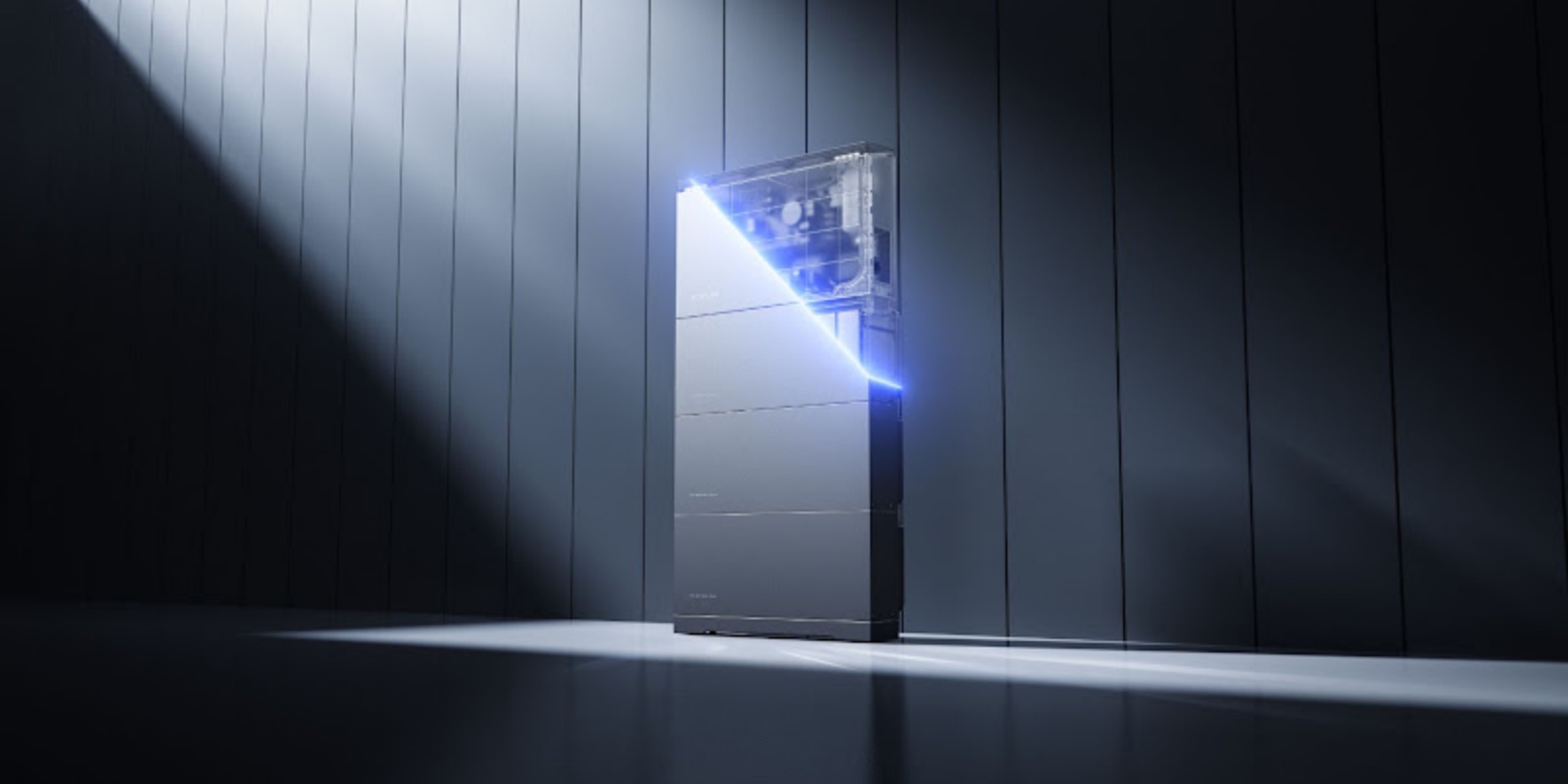
The EcoFlow OCEAN 2 Plus Single Phase helps you store daytime solar energy and provide power when household demand increases. That means you can adapt to changing energy needs without having to lean on expensive grid power when demand is high.
How Can Homeowners Track And Manage Electrical Loads?
By tracking your energy use, you’ll easily see which appliances chew up the most power and when your demand spikes. Then you can run the heavy stuff when the sun’s out, or use your battery in the evening. This provides clearer visibility into energy usage and allows homeowners to make decisions based on real consumption data.
Tracking Real Time Energy Flow
Real-time tracking shows you exactly when your power draw spikes. You can watch it jump from 500 watts to 4,500 watts and know straight away which appliance is responsible. That sort of visibility removes the guesswork. You see exactly what’s coming in and out of your switchboard, second by second.
Understanding Daily Electricity Consumption Patterns
Every home uses power differently. Most Aussie households have a morning spike from the kettle and toaster, then a bigger surge in the evening when everyone’s home. Take a look at your daily curve and you might spot some hidden drains, like an old beer fridge in the garage running non-stop. Once you know what’s going on, you can make a change. For battery-equipped homes, a battery management system can help monitor battery conditions, balance battery operation, and support safer long-term performance.
Improving Decisions Through Energy Data
Understanding electrical loads requires more than just tracking individual appliance consumption; it demands complete visibility into your home’s total energy flow. For households with solar and battery installations, real-time insight into generation, storage reserves, and live consumption helps optimize daily energy choices.
The EcoFlow PowerInsight 2 provides clear, real-time energy data visualization across your entire property. By displaying live energy flows, it helps homeowners understand their usage patterns and adjust their energy management strategies based on actual daily needs. Alt: EcoFlow PowerInsight 2 Home Energy Monitor

How Can Australian Homes Manage Future Electrical Loads?
Australian homes are adopting more electric appliances, including heat pumps, induction cooktops, and EV chargers. With more gear running on electricity, keeping a lid on peak demand is becoming a bigger part of managing your home.
Adapting To Increasing Household Electrification
Swapping gas appliances for electricity will push your home’s power demand up, particularly during peak hours. A heat pump hot water system and an induction cooktop draw more than the gas gear they replace. So before you make the switch, check your electrical capacity. You don’t want to find out the hard way when everything’s running at once.
Supporting EV And Smart Appliance Integration
A typical Level 2 EV charger may draw around 32 amps on a single-phase connection, depending on the charger model and installation setup. That’s like running three large split-system air conditioners at the same time. Smart appliances with scheduling let you shift those heavy loads to off-peak periods or times when you’ve got excess solar. Just set it and forget it.
Building More Flexible Energy Systems
Future-proofing your place means designing flexibility into your electrical setup from the start. Modular solar and battery systems let you scale up storage as your needs grow. A connected Home Energy Ecosystem can also help integrate different energy devices and make household energy management more adaptable as electricity demand increases.
Schedule Your Free Consultation Today!
What kind of product or solution are you interested in?
Conclusion
Ohm’s Law is the basic principle that explains how every appliance in your home draws power and affects your bill. With more Aussie homes running reverse-cycle air con, electric cooking, and EV charging, the total load keeps climbing. Match your heavy appliances with solar generation, add storage like the EcoFlow OCEAN 2 Plus, and keep an eye on your energy use with smart monitoring. That’s how you get on top of your energy, rely less on the grid, and make your home more resilient for the long haul.
Disclaimer: The information in this article is provided for general educational purposes only. Electrical systems, appliance loads, and solar battery installations vary between homes. Always consult a qualified electrician or accredited installer before making changes to your home electrical system or installing energy equipment.
FAQ
What is Ohm's Law in simple terms?
Ohm’s Law is about how voltage, current, and resistance work together. Think of voltage as pressure, current as flow, and resistance as something that restricts that flow. Higher pressure or less restriction means more current flows through the circuit.
How do you estimate a home's electrical load?
A simple single-phase estimate can be made by multiplying nominal supply voltage by current, but this does not by itself determine a home's safe continuous load capacity. Actual capacity depends on the supply arrangement, main protection, circuit design, connected loads, and other installation factors. A licensed electrician should assess the property before adding major loads such as an EV charger, heat pump, or large battery system.
Why did my power usage suddenly spike?
Seasonal heating or cooling is usually the answer. Could also be a faulty appliance running non-stop, or you’re using power during expensive peak times. Air con in extreme weather or a hot water element stuck in heating mode will push your daily usage up fast.
What wastes the most electricity in a house?
Heating and cooling are often among the largest sources of household electricity use, especially during periods of extreme weather. Other contributors include electric hot water systems, older refrigerators, and pool pumps running for extended periods.