KW vs KWh Explained: What Is the Difference Between Kilowatt and Kilowatt-Hour?
Understanding kwh kilowatt hour helps you read power bills without the usual confusion. It shows the difference between how much electricity a device needs at one moment and how much energy it uses over time. That matters when you compare appliances, heaters, and air conditioners at home.
Additionally, it makes solar planning easier. Once homeowners know their daily use in kWh and system output in kW, they can size panels and home batteries more sensibly. With that knowledge, it becomes easier to pick a system that suits your home and keeps running costs more manageable.
What are kW and kWh? The Basics
A kilowatt, or kW, is a unit of power. It tells you how quickly electricity is being used or generated at a given moment. A kilowatt-hour, or kWh, is a unit of energy. It measures how much electricity is used over time. Put simply, kW is the rate, while kWh is the total amount used.
A car makes it easier to picture. kW is like the speed at that moment, while kWh is like the distance covered by the end of the trip. In the Australian Government solar guidance, power is compared to water flow, while energy is the total amount collected over time.
The relationship is simple: kWh = kW × hours
So, if a 1 kW appliance runs for 1 hour, it uses 1 kWh. If a 2 kW appliance runs for 3 hours, it uses 6 kWh. That is the whole idea behind the difference between kWh and kW.
kW Usage of Everyday Home Items Explained Clearly
The table below is only a rough example. Always check the appliance label or manual for the real wattage. If the number is in watts, divide by 1000 to convert it to kW.
Home Items | Typical Power Draw (kW) | Energy used in 1 hour (kWh) | Note |
LED bulb | 0.01 | 0.01 | Very low use |
TV | 0.10 | 0.10 | Varies by screen size |
Laptop charger | 0.06 | 0.06 | Usually low |
Microwave | 1.20 | 1.20 | High power, short use |
Electric kettle | 2.00 | 2.00 | High power, short bursts |
Radiant heater | 2.40 | 2.40 | Can add up fast |
Dishwasher | 1.50 | 1.50 | Cycle length matters |
Washing machine | 0.50 | 0.50 | Depends on the wash type |
Split-system air conditioner | 1.50–2.50 | 1.50–2.50 | One of the bigger users |
EV charger | 7.00 | 7.00 | High power, large energy use |
How Do You Convert kW to kWh?
To convert kW to kWh, multiply the power rating by the number of hours used. If your appliance label shows watts instead of kilowatts, divide by 1,000 first. This is why people searching kw to kw hours are really looking for a time-based calculation, not a direct one-step switch in units.
For example, a 500-watt appliance is 0.5 kW. If you run it for 4 hours, it uses: 0.5 kW × 4 hours = 2 kWh
Real-Life Examples of kW and kWh
The difference between kW and kWh becomes much easier to follow when you see it in everyday use. A device's kW rating tells you how much power it draws at a given moment, while its final kWh total depends on how long it runs. That same logic applies to appliances, heating, EV charging, solar generation, and battery storage.
1 kW Appliance Used for 1 Hour
This is the simplest example. If an appliance draws 1 kW and runs for 1 hour, it uses 1 kWh. The same rule works for any device in the house. Once you know the power rating and the running time, you can estimate the total energy used with much greater confidence.
A Heater Shows How Usage Builds Fast
Australian energy guidance uses a practical heater example. A 2400-watt radiant heater equals 2.4 kW, so it uses 2.4 kWh in one hour. If that same heater runs for 5 hours, total use reaches 12 kWh. This is why high-draw appliances can lift bills quite quickly in cooler months.
Low-Draw and High-Draw Devices Behave Differently
The same pattern shows up across the home. A television may run for hours, but its lower kW draw usually keeps total use moderate. A dryer, heater, or EV charger uses more power from the start, so kWh rises faster. In Australian homes, heating and cooling alone can account for 20% to 50% of total energy use
kW vs kWh in Solar Power Systems
Solar systems make this difference easy to see in practice. A rooftop solar array is rated in kW, which tells you its output power at a given moment. The electricity it produces across the day is measured in kWh instead. According to Australian Government guidance, 1 kW of solar panels in Australia can generate around 3.5-5 kWh per day.
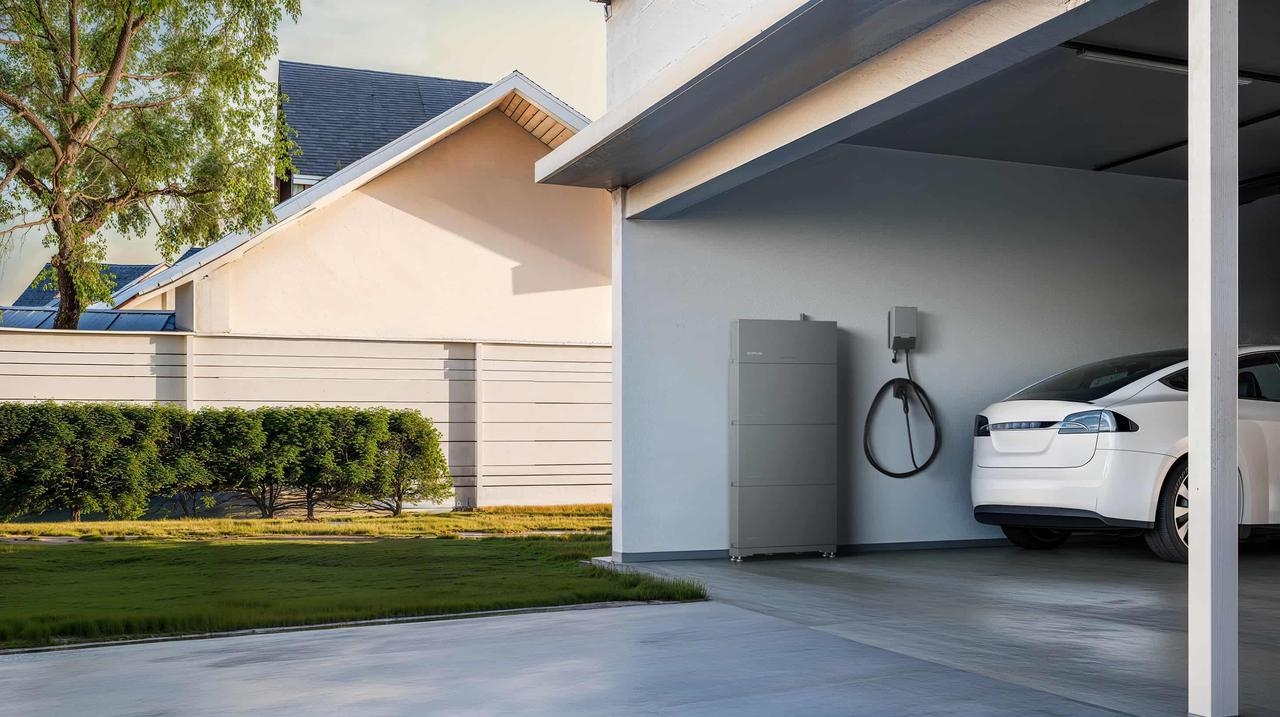
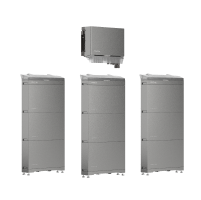
The same logic applies across the EcoFlow Home Energy Ecosystem, which brings solar, storage, and backup support into one connected setup. A system like the EcoFlow PowerOcean Single-phase Battery may be sized in kW for inverter or output power and in kWh for battery capacity. The table below shows how those two figures work together in practical terms:
PowerOcean Single-Phase Battery | Detail | What it shows |
kW rating | Up to 6 kW continuous backup power | Output power available at one time |
kWh rating | Starts at 5 kWh | Stored battery capacity |
Expandable capacity | Up to 15 kWh in one inverter | More stored energy over time |
Adding a battery to your solar system helps you use more of the energy you produce yourself. This increases your solar self-consumption and keeps you from wasting free power. Get a solar battery quote and find the best energy-saving solution for your home.
Schedule Your Free Consultation Today!
What kind of product or solution are you interested in?
What Affects a Home's kWh Usage? Key Energy Consumption Factors Explained
home's total kWh use is shaped by more than one factor. Below are the factors that influence overall household electricity use over time:
Climate and Seasonal Demand
Hot weather can drive cooling use up, while colder days increase heating demand across the home. That change can lift kWh kilowatt-hour use quite quickly, especially when systems run for long hours during peak summer or winter periods.
Appliance Load and Efficiency
Heaters, dryers, dishwashers, and older fridges often use more electricity than smaller household devices. That is why kWh kilowatt-hour totals can rise faster when high-draw appliances run often or stay on longer than needed each day.
Household Usage Patterns
Extra laundry loads, longer showers, late-night cooling, and long screen time all affect daily electricity use. Over time, these patterns can increase kWh (kilowatt-hour) totals more than expected, even when no single habit seems especially power-hungry.
Standby and Background Consumption
Many devices still draw electricity when they look switched off, including microwaves, televisions, and gaming consoles. That quiet standby use may seem minor at first, but it can still add to kWh kilowatt-hour consumption across the month.
Solar Load Shifting Timing
Using major appliances while the sun is out can cut how much electricity your home needs to take from the grid. It also helps solar cover more of the day's demand and can reduce kWh costs for jobs like washing, drying, pool pumping, and EV charging.
Household Size and Demand
Larger homes often need more lighting, cooling, and appliance use throughout the day. In the same way, bigger households tend to cook more, wash more, and charge more devices, which can push kWh kilowatt-hour demand higher over time.
Energy Monitoring and Control
Energy monitoring helps households see when electricity is being used, where demand is rising, and which patterns are pushing kWh (kilowatt-hour) totals higher. That visibility makes it easier to shift certain loads, reduce waste, and make better use of available solar energy during the day.
One practical example is EcoFlow Intelligent HEMS. Within the EcoFlow home energy ecosystem, it helps track demand, identify heavier usage periods, and support better load shifting. That can help households manage kWh use more effectively and reduce unnecessary reliance on grid electricity.
Conclusion
To conclude, understanding kilowatt vs kilowatt hour helps homeowners read electricity use more clearly, compare appliances with better judgment, and make more sensible solar or battery choices. Once power and energy are no longer mixed up, everyday decisions feel easier and more practical. For households looking at a more connected energy setup, EcoFlow is a natural option to explore.
FAQs
What is the difference between a kW and a kWh?
A kW measures power at a moment in time. A kWh measures energy used over time. So, in kW vs kWh, the first tells you the rate, and the second tells you the total used.
What runs your electric bill up the most?
In many Australian homes, heating and cooling are among the biggest drivers of electricity use, often taking 20% to 50% of home energy use, depending on the climate. Appliances also matter, with government guidance saying they can account for around 30% of home energy use. Investing in solar with battery storage (such as the EcoFlow home battery) is an effective way to power these needs and significantly lower your electricity bills.
What does 4 kWh mean in electricity?
It means 4 kilowatt-hours of energy were used or stored. For example, a 1 kW appliance running for 4 hours uses 4 kWh. A 2 kW appliance running for 2 hours also uses 4 kWh.
How many kWh should a home use?
There is no single ideal number for every home. It depends on your climate, appliances, heating and cooling, household size, and when you use power. The best guide is your own last 12 months of bill and smart meter data, which the Australian Government recommends using when estimating system size and usage patterns.
Is it cheaper to do the washing after 6 pm?
Not always. It depends on your tariff. On a single-rate plan, the rate stays the same all day. On a time-of-use plan, weekday evenings are often peak periods, while off-peak is usually overnight and on weekends. So after 6 pm, it can actually cost more, not less. Check your plan's time periods before shifting loads.