Hybrid Solar System in Australia: How It Works, Costs & Is It Worth It?
A hybrid solar system combines rooftop solar panels, battery storage, and a hybrid inverter while keeping your home connected to the grid. It lets you store excess solar generated during the day, use that energy in the evening, and, with the right backup setup, keep essential loads running during a power outage.
For Aussie households, the big questions are usually cost, battery size, how much you can save on electricity bills, and whether the extra investment makes sense compared with a standard grid-connected solar setup. This guide covers how hybrid solar works, what a typical system includes, installation costs, available incentives, and what to consider before you commit.
Key Takeaways
Hybrid solar combines solar panels, battery storage, and a grid connection in one system.
A battery can increase solar self-consumption and reduce how much electricity you draw from the grid in the evening.
To keep selected loads running during a blackout, you'll need a compatible inverter and properly configured backup or EPS circuits.
Costs depend on your solar system size, battery capacity, installation requirements, and any applicable incentives.
What Is a Hybrid Solar System?
A hybrid solar system combines features of a standard grid-connected setup with battery storage. The main difference is the addition of a battery and an inverter that manages energy flows between your panels, battery, home, and the grid.
Hybrid Solar System Explained
A hybrid solar system is a grid-connected solar setup with battery storage. Unlike standard grid-tied systems, which generally shut down during a grid outage, a hybrid system can store excess solar energy on-site while remaining connected to the local grid.
What Is a Hybrid Inverter?
The hybrid inverter is the central component of the system, combining the functions of a solar inverter and a battery inverter. It manages power flows between the solar array, battery, household loads, and grid, converting electricity between DC and AC as required.
What Components Make Up a Hybrid Solar System?
A standard residential hybrid installation consists of four core building blocks:
Solar PV Panels: High-efficiency panels, such as monocrystalline modules, mounted on your roof to capture sunlight.
Hybrid Inverter: The central component managing solar generation, battery charging and discharging, and grid synchronisation.
Battery Energy Storage System (BESS): Modern solar battery storage systems use Lithium Iron Phosphate (LiFePO4) battery packs designed for regular cycling and long operational life.
Smart Meter & Switchboard Protection: Bidirectional smart meters and appropriate switchboard protection or backup equipment used to manage grid-connected and backup operation.
How Does a Hybrid Solar System Work in Australia?
Solar panels generally generate most of their electricity during daylight hours, while many households use more electricity in the morning and evening. A hybrid system can store some of that daytime surplus for later use, reducing the need to draw electricity from the grid.
How Solar Power Is Used During the Day
During daylight hours, your rooftop panels can produce their highest output around the middle of the day, depending on the season, weather, and system orientation. Your home can use this solar supply first to power loads such as pool pumps, ceiling fans, or refrigeration, reducing the need to draw electricity from the grid.
How Excess Solar Energy Is Stored in a Battery
Once daytime household loads are covered, the hybrid system can direct surplus solar energy to the battery. In a DC-coupled configuration, the DC electricity from the solar panels can charge the battery without first being converted to AC, which can reduce conversion losses. If you add a battery to an existing standard solar system, an AC-coupled configuration may be used instead, depending on the equipment and system design.
How Battery Power Is Used at Night
Come evening, solar generation typically drops while household electricity use may increase. That’s when the battery can supply stored energy before the home draws additional electricity from the grid. Depending on the retailer, location, and tariff, grid electricity during peak periods can be significantly more expensive than the value of exported solar energy.
What Happens When the Battery Is Fully Charged?
On long, sunny days, a battery may reach its usable capacity before the end of the day, depending on the solar output, household consumption, and battery size. Once the battery is full, surplus solar can be exported to the grid, subject to the system configuration and network or export limits, and may earn a feed-in tariff credit.
Can a Hybrid Solar System Work During a Power Outage?
Yes, a hybrid solar system can provide backup power during an outage if it is designed and installed with an appropriate backup or Emergency Power Supply (EPS) function. During a grid outage, the system must safely isolate the home from the grid before supplying designated backup loads. The exact changeover time and backup capacity depend on the inverter, battery, and system configuration.
What Are the Benefits of a Hybrid Solar System in Australia?
The main benefits of hybrid solar can include higher solar self-consumption, reduced grid imports, and backup power during grid outages. The potential benefits depend on your electricity use, tariff, battery size, system configuration, and installation cost.
Increase Solar Self-Consumption
With feed-in tariffs across Australia down to just 2¢–5¢/kWh, sending your excess solar out at midday barely makes financial sense—especially when evening grid power can cost 50¢+/kWh. Storing that cheap daytime generation instead lets you run the house when retail rates peak, and that alone can slash your quarterly bill.
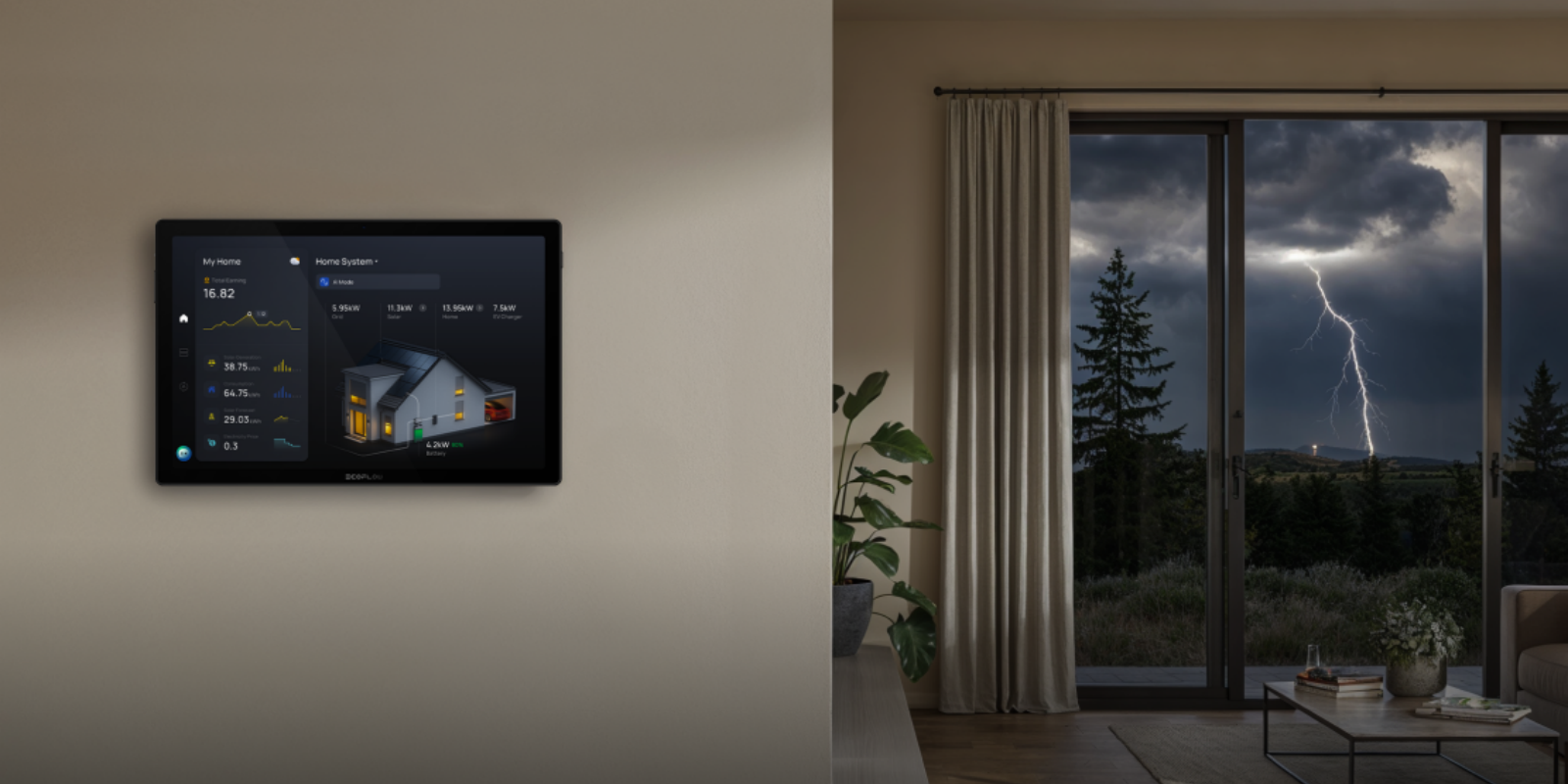
To squeeze every dollar out of that stored energy, automation is the key. A dedicated home energy display like the EcoFlow PowerInsight 2 tracks your solar, battery, and grid flows in real time, so you can schedule the big-draw appliances and keep imported grid power to an absolute minimum.
Reduce Electricity Bills
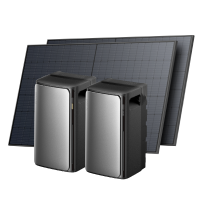
By storing low-cost daytime energy for evening use and avoiding peak tariff rates, a hybrid setup shields your household from regular electricity price hikes. An EcoFlow Solar Battery can help households make better use of stored solar energy when grid electricity is more expensive. Many homes with correctly sized systems see their quarterly utility power draw drop to negligible amounts through spring, summer, and autumn.
Get Backup Power During Grid Outages
Extreme heat, storms, and other events can contribute to local power outages. With appropriately configured backup circuits, a hybrid system can keep selected loads such as a refrigerator, lights, or Wi-Fi equipment running during an outage, depending on the available battery capacity and inverter output.
Hybrid vs. Grid-Tied vs. Off-Grid Solar
Grid-tied, hybrid and off-grid solar systems differ mainly in how they use battery storage and the electricity grid. The table below shows the key differences in cost, backup capability and day-to-day power supply.
| Feature | Grid-Tied Solar | Hybrid Solar | Off-Grid Solar |
|---|---|---|---|
| Grid Connection | Connected | Connected | Completely Disconnected |
| Battery Storage | None | Yes (Modular LiFePO4) | Yes (Large-Capacity Bank) |
| Blackout Protection | No, unless a separate backup configuration is installed | Yes, for selected or configured circuits | Designed to operate independently of the grid |
| Night-Time Power | Typically grid supplied | Stored energy first, then grid if needed | Stored energy and/or backup generation |
| System Cost | Generally lower upfront cost | Higher upfront cost due to battery storage | Usually highest due to larger storage and generation requirements |
| Best For | Day-heavy consumption | Suburban homes wanting savings & backup | Remote rural properties with no grid access |
How Much Does a Hybrid Solar System Cost in Australia?
Hybrid solar costs more upfront than a standard grid-connected system because you are also paying for battery storage and additional installation work. The final price depends mainly on the solar array, battery capacity, inverter, switchboard requirements, the type of LFP battery, and the level of blackout backup you want.
Average Hybrid Solar System Cost
Across Australia, installed hybrid solar and battery prices can vary significantly by system size, battery capacity, equipment, location, installation requirements, and applicable incentives. The following figures are indicative examples rather than fixed national prices:
6.6kW solar system + 5kWh battery: $9,000–$12,500
6.6kW–10kW solar + 10kWh battery: $12,000–$16,500
10kW+ solar + 15kWh–20kWh battery: $16,500–$22,000+
Australian Solar Battery Rebates and Incentives
Government assistance can reduce the upfront cost of eligible solar and battery systems, depending on the system, location, and program requirements.
Federal Cheaper Home Batteries Program: Since 1 July 2025, the Australian Government has provided support for eligible small-scale battery systems through the Cheaper Home Batteries Program, delivered through the Small-scale Renewable Energy Scheme (SRES). The support is designed to reduce the upfront cost of eligible battery installations, with the level of support varying under the applicable STC settings. Eligible batteries must meet the program's product requirements, including being listed on the Clean Energy Council's approved products list.
State and territory programs: Additional incentives may be available depending on where you live. For example, NSW currently offers a Virtual Power Plant incentive for eligible households that connect a solar battery to a Virtual Power Plant (VPP).
Installer requirements: Solar Accreditation Australia (SAA) is the current accreditation scheme operator for installers and designers under the SRES.
How Long Does a Hybrid Solar System Take to Pay for Itself?
The payback period for a hybrid solar and battery system varies significantly between households. It depends on factors such as daily electricity consumption, solar generation, battery size, electricity tariffs, feed-in rates, battery efficiency, installation cost, and available incentives. For this reason, an 8- to 12-year payback period should be treated as an indicative estimate rather than a typical result for every Australian household.
Payback can be shorter in some cases where upfront incentives are available, the battery is used efficiently, or the household regularly avoids higher-priced grid electricity. However, actual results depend on the system and household usage pattern.

Is a Hybrid Solar System Worth It in Australia?
Whether hybrid solar’s worth the extra outlay comes down to when you actually use your power. It makes the most sense for households with surplus daytime solar, heavier evening use, expensive peak rates, or a genuine need for blackout backup.
Who Should Consider a Hybrid Solar System?
A hybrid setup may be worth considering for:
Families whose electricity consumption is higher in the evening.
Residents on dynamic or Time-of-Use tariffs with higher peak rates.
Homeowners in areas where power outages are a concern and backup power is a priority.
EV owners who want to use stored solar energy for overnight charging.
When a Hybrid Solar System May Not Be Worth It
A hybrid system may provide less financial value if you already use most of your solar during the day, have relatively low electricity consumption, or expect to move within the next few years. For renters, installation may also be more complicated because permanent changes to the property generally require the landlord’s approval.
How to Choose the Right Hybrid Solar System
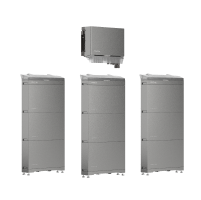
Battery capacity isn’t the only spec worth checking. If you want to run bigger gear like a split-system air con during a blackout, have a look at the battery’s continuous output and surge capacity too. The EcoFlow OCEAN 2 Plus (Single Phase) is built to handle higher-power household loads, and it takes modular LiFePO4 expansion if you need more storage down the track.
Schedule Your Free Consultation Today!
What kind of product or solution are you interested in?

FAQs
How much does a hybrid solar system cost in Australia?
Installed hybrid solar and battery systems can cost around $9,000 to $18,000 or more, depending on the solar array size, battery capacity, equipment, installation requirements, and whether the switchboard needs upgrading.
Can a hybrid solar system work during a blackout?
Yes, a hybrid system can provide backup power during an outage if it has an appropriate Emergency Power Supply (EPS) or backup configuration connected to the required circuits. The exact backup capability depends on the system design.
Can I add a battery to my existing solar system?
Yes. You can add an AC-coupled battery system, or in some cases replace the existing inverter with a compatible hybrid inverter. The suitable option depends on your existing solar system and equipment.
How long do hybrid solar batteries last?
Many modern Lithium Iron Phosphate (LiFePO4) home batteries are designed for long service life, with product warranties commonly specifying a period of around 10 years and/or a defined number of charge cycles. Actual battery life depends on factors such as usage, operating conditions, temperature, and the specific product.
Are hybrid solar systems eligible for rebates?
Eligible solar and battery systems may qualify for government incentives, depending on the system, location, product requirements, and program rules. The federal Cheaper Home Batteries Program currently provides a discount of around 30% on eligible small-scale battery systems connected to new or existing rooftop solar through the SRES. State and territory programs may provide additional incentives, including VPP-related support.