HVAC Electricity Usage in Australian Homes: Costs and Ways to Reduce Energy Bills
HVAC power use varies a lot between Australian homes. A small split system might draw less than 1kW when running, while a big ducted unit can pull several kilowatts under heavy load. To work out your running costs, multiply the system’s actual electrical draw in kW by how long it’s on, then multiply that kWh figure by your tariff. This guide covers typical consumption, what affects it, and practical ways to cut your HVAC energy bills.
We’ll break down typical kWh usage across different system types, look at what drives your running costs, and run through practical strategies from simple behaviour changes to solar and battery storage to keep your home comfortable without blowing your budget.
Key Takeaways
Heating and cooling chew through a lot of power. How much really depends on where you live, how your home's built, what gear you've got, and how you use it.
System capacity isn't the same as power draw. Just because a unit's rated for a certain output doesn't mean it pulls that from the wall. Actual electricity use comes down to the model, running conditions, and how hard the compressor's working.
Good insulation and sealing really help. If your place lets heat escape or bakes in too much sun, your system's going to work harder than it needs to.
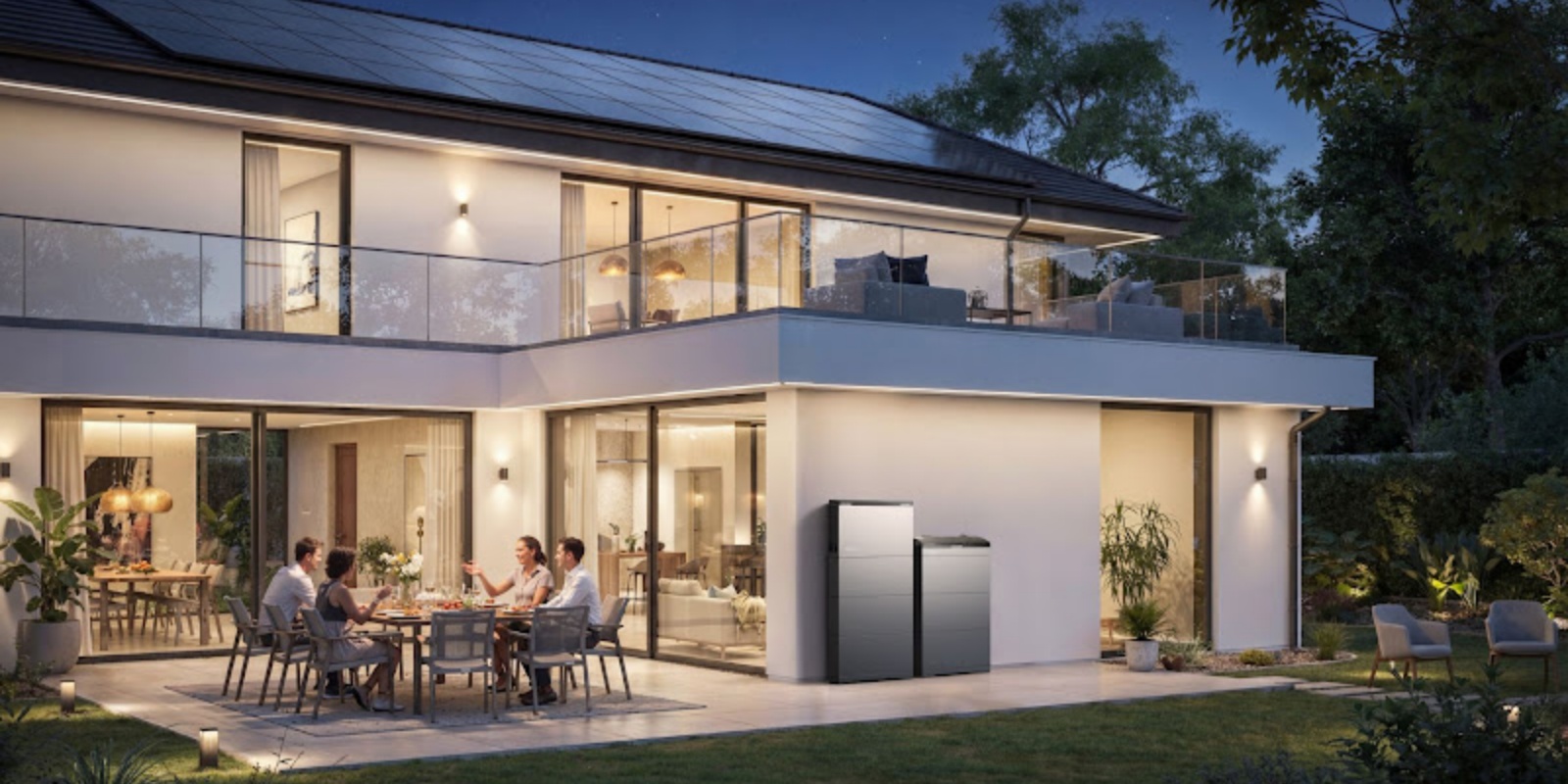
Solar panels can handle your daytime cooling or heating load. A battery banks that extra power for later. That way you're not pulling from the grid as much. An EcoFlow Solar Battery can extend that benefit into evening heating and cooling hours.
And don't overlook your thermostat. Push cooling up a notch or drop heating down a bit, and you'll close that indoor‑outdoor gap. How much you actually save depends on where you live, your home, and the system you've got.
How Much Electricity Does HVAC Use in Australian Homes?
The key number for your electricity bill is the system’s electrical input, not its heating or cooling capacity.
Average HVAC Energy Consumption in Australian Homes
Modern reverse‑cycle air conditioners run on heat‑pump tech. They put out more heating or cooling per unit of electricity than a standard electric resistance heater could. But actual efficiency depends on the model, the mode you’re running, outdoor conditions, and the load on the system. To work out what you’re actually using, look at the system’s rated electrical input and how long it’s running – not just its heating or cooling capacity. That number can be misleading.
| HVAC System Type | Typical Capacity (Thermal Output) | Typical Electrical Input Range (kW) | Example Daily Energy Use (6 Hours/Day) | Estimated Daily Cost (Based on $0.35/kWh Tariff) |
|---|---|---|---|---|
| Small Split System (Bedroom / Study) | 2.5 kW – 3.5 kW | 0.6 kW – 0.9 kW | 3.6 – 5.4 kWh | $1.26 – $1.89 |
| Medium Split System (Living Room) | 5.0 kW – 7.1 kW | 1.4 kW – 2.0 kW | 8.4 – 12.0 kWh | $2.94 – $4.20 |
| Multi-Split System (3–4 Zones) | 8.0 kW – 10.0 kW | 2.2 kW – 3.2 kW | 13.2 – 19.2 kWh | $4.62 – $6.72 |
| Ducted System (Standard 3-Bed Home) | 10.0 kW – 14.0 kW | 2.8 kW – 4.2 kW | 16.8 – 25.2 kWh | $5.88 – $8.82 |
| Large Ducted System (Zoned / Unzoned) | 16.0 kW – 20.0 kW | 4.5 kW – 6.0 kW | 27.0 – 36.0 kWh | $9.45 – $12.60 |
| Portable Air Conditioner (Single Hose) | 2.5 kW – 3.5 kW | 1.1 kW – 1.6 kW | 6.6 – 9.6 kWh | $2.31 – $3.36 |
Note: Electrical input figures are illustrative ranges rather than universal values. Actual consumption varies with the specific model, outdoor temperature, thermostat setting, compressor modulation and heating or cooling load.
HVAC Running Costs and Electricity Bills
Electricity tariffs in Australia vary quite a bit – anywhere from about 28 to 45 cents per kWh, depending on your network and your retail plan. If you’re on a flat rate, it’s simple. Just multiply your system’s input power by your unit rate and you’ve got your hourly cost.
Many Australian households are on time-of-use tariffs, where electricity prices vary depending on the time of day. During peak periods, electricity rates are often higher than off-peak prices. Running a large ducted system during expensive afternoon or evening periods may increase your electricity costs, depending on your location, retailer and tariff plan. During periods of heavy summer use, HVAC electricity consumption can become a major contributor to household energy bills, especially when systems operate for long hours during peak pricing periods.
What Factors Affect HVAC Electricity Usage in Australian Homes?
Outdoor temperature, insulation, system efficiency and your thermostat settings all affect how much electricity HVAC uses.
Climate and Home Thermal Performance
Australia’s climate zones throw up very different challenges. In Darwin, you’re fighting humidity all year. In Canberra, you’re battling sub‑zero winter mornings. Either way, the building envelope is what decides how hard your HVAC system has to work to keep things stable inside.
Ceiling & Wall Insulation: An uninsulated roof lets in up to 35% of summer heat and lets out about 25% of winter warmth.
Glazing & Window Orientation: Big west‑facing windows with no shade act like radiators in summer. Your cooling system ends up running flat out just to keep up.
Air Draughts: Gaps around doors, unsealed exhaust fans, and gaps in floorboards let conditioned air leak out constantly. It's like running the air con with the window open.
HVAC System Efficiency and Maintenance
A system that’s not running clean can chew through more power without you even noticing. Clogged filters or low refrigerant make the unit work harder – fans spin faster, compression cycles run longer, all to hit the same temperature.
And your system’s star rating matters too. Australia’s Zoned Energy Rating Label rates systems across Hot, Average, and Cold climate zones, up to 10 stars. A higher Zoned Energy Rating Label (ZERL) rating indicates better energy efficiency for the relevant climate zone. When comparing systems of a similar capacity, choosing a more efficient model can reduce electricity consumption, although actual savings depend on climate, usage patterns, system sizing and installation conditions.
Usage Habits and Operation Settings
How you use your air con makes a huge difference, probably more than you think. Set it to 18°C on a 40‑degree day and your system goes flat out. The system may operate at higher output levels for longer periods, increasing electricity consumption.
| Operational Habit | Inefficient Practice | Efficient Practice | Potential Energy Impact |
|---|---|---|---|
| Adjust thermostat settings | Cooling at 18°C–20°C / Heating at 24°C–26°C | Cooling at 24°C–25°C / Heating at 20°C–21°C | Can reduce HVAC demand |
| Use zoning effectively | Conditioning all unoccupied rooms simultaneously | Actively closing damper zones in unused areas | May reduce unnecessary heating or cooling |
| Improve shading | Leaving blinds open under direct sun | Closing external blinds/curtains before peak heat | Can lower cooling requirements |
| Reduce air leakage | Keeping windows ajar during operation | Sealing the envelope during HVAC operation | Helps maintain indoor temperature |
What Are the Best Ways to Lower HVAC Running Costs in Australian Homes?
You don’t have to give up comfort to cut heating and cooling costs. Just combine smarter use, better insulation, and modern energy tech – and you’ll stay comfortable without the bill shock.
Adjust HVAC Settings to Reduce Daily Energy Use
Set your air con to 24°C in summer and 20°C in winter. Simple changes like that keep you comfortable without thrashing your system. Add a ceiling or pedestal fan to the mix and you get a wind‑chill effect, a 25°C room can feel like 22°C, using way less power.
Improve Home Insulation for Better HVAC Efficiency
If you seal your home up properly, the air you’ve paid to heat or cool actually stays put. That means decent ceiling insulation, pelmets over the curtains, and weather‑stripping on the doors. Stop the leaks and your compressor won’t have to work as hard. It’ll drop into eco‑mode instead of running flat out all the time.
Use Solar and Battery Storage to Reduce Energy Costs
Summer afternoons and evenings are when Aussie households need cooling most. Your solar panels pump out power during the day, but peak cooling demand often stretches into the late afternoon and evening – right when grid tariffs are at their most expensive.
A battery bridges that gap. It captures your surplus midday solar and holds it for evening climate control. Systems like the EcoFlow OCEAN 2 Plus Single Phase let you store that daytime energy efficiently. Over the life of the system, a higher-efficiency unit may reduce electricity costs compared with a less efficient alternative. Whether those savings justify the higher upfront price depends on usage, climate, electricity tariffs, installation costs and the expected service life of the equipment.
How Smart Energy Management Helps Australian Homes Optimise HVAC Usage?
Smart energy tools show how much electricity your HVAC system uses and when demand is highest. A smart meter can provide interval data that helps identify expensive heating and cooling periods.
Track HVAC Energy Consumption with Smart Monitoring Tools
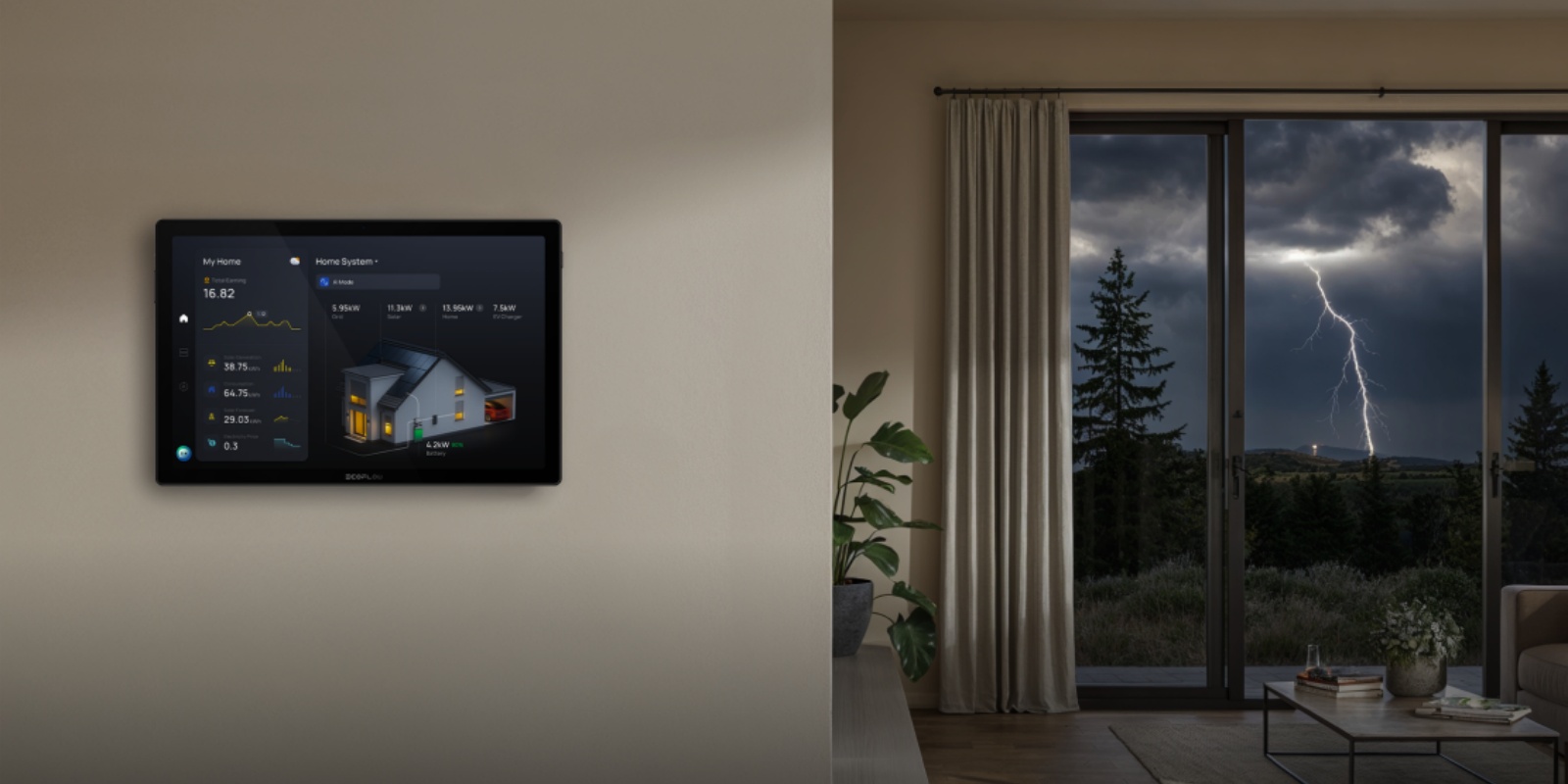
If you can’t see what your heavy‑draw appliances are doing, working out why your bill’s jumped is just guesswork. Smart energy monitors take the mystery out of it. They give you live data on generation, battery reserves, and what each circuit’s using.
A central control hub like the EcoFlow PowerInsight 2 pulls it all together on one screen. You can see exactly when your heating or cooling is pulling the most power. That makes it easy to spot patterns and adjust your habits, cutting out hidden waste like standby drain or over‑cooling without even thinking about it.
Automate HVAC Usage with Smart Controls and Energy Tariffs
Link a smart thermostat to your energy management system and you can cut costs automatically. Pre‑cool or pre‑heat during off‑peak hours or when your solar’s pumping at midday. That way your home’s thermal mass acts like a battery – it holds the temperature so your HVAC can ease off when peak rates kick in. No need to run at full tilt during the expensive hours. Just idle along and let the building do the work. A connected Home Energy Ecosystem can coordinate HVAC, solar generation and battery use around tariff periods.
Is Upgrading Your HVAC System Worth the Investment?
Weighing the capital expenditure of a new heating and cooling system against ongoing utility savings requires evaluating equipment age, reliability, and modern inverter capabilities. Reviewing the cost of installing air con alongside long-term running costs can make the upgrade decision clearer.
When Replacing an Old HVAC System Makes Sense
If your system’s over 10 or 15 years old or still running on outdated refrigerants like R22 with fixed‑speed compressors, it’s nowhere near today’s efficiency standards. Even compared to a 10‑year‑old R410A unit, modern R32 variable‑speed systems are in a different league. They give you better seasonal efficiency and lower standby draw.
And here’s the kicker. When a major component like the compressor or outdoor fan motor fails out of warranty, the repair bill can be close to what you’d pay for a new, much more efficient system. It’s worth doing the maths before you decide to patch it up.
Compare HVAC Efficiency and Long-Term Savings Before Upgrading
Before you pull the trigger on a new system, check the ZERL star ratings, the EER for cooling, and the COP for heating. Some high-efficiency reverse-cycle systems can achieve EER or COP ratings above 4.5, meaning they may provide more heating or cooling output per unit of electricity consumed. Over 10 to 15 years of use, the power savings from a high‑efficiency unit will comfortably cover the extra you paid upfront. This can improve long-term energy efficiency and reduce operating costs over the system’s lifetime.
Schedule Your Free Consultation Today!
What kind of product or solution are you interested in?

Conclusion
Cutting your HVAC costs doesn’t have to be complicated. Stick to sensible temperature settings. Sort out your insulation. And make the most of your solar. A battery can cover your evening cooling or heating load, and a good energy monitor shows you exactly where your power’s going. If your system’s getting on a bit, swapping it out for a high‑efficiency inverter model will cut your running costs too. Small steps, but they add up.
FAQ
What is the least expensive way to cool your home?
Running a standard ceiling fan or portable pedestal fan is the least expensive active cooling method, costing roughly $0.02 to $0.05 per hour compared to $0.45 to $2.00+ per hour for refrigerated air conditioning. Combining ceiling fans with passive shading and open cross-ventilation during cool evening breezes provides effective cooling at minimal cost.
How much energy can you save by lowering your thermostat?
Raising the cooling setpoint or lowering the heating setpoint generally reduces HVAC energy demand because the system has less work to do to maintain the indoor temperature. However, there is no universal percentage saving for every 1°C adjustment. The actual effect depends on outdoor temperature, insulation, solar gain, humidity and system efficiency.
What is the average HVAC runtime in summer?
Australian households run their air conditioning systems for an average of 4 to 8 hours per day during standard summer conditions, often increasing to 10 to 14 hours daily during severe heatwaves. Utilising programmable timers and automated smart controls prevents systems from running unnecessarily in empty rooms.
What is the most cost-efficient HVAC system?
For many Australian homes, a correctly sized, high-efficiency reverse-cycle split system can be one of the more energy-efficient options for heating and cooling individual rooms or smaller living areas. For whole-home applications, the best choice depends on the home’s layout, climate, insulation, zoning requirements and expected usage.