How to Save Electricity at Home in Australia: Practical Ways to Cut Your Bill
Power bills can add up quickly, especially in homes that rely heavily on air conditioning, electric hot water, pool pumps or EV charging. The good news is that cutting your bill doesn’t necessarily mean using less of everything. Often, it comes down to using your biggest appliances more efficiently and, if you’re on a time-of-use tariff, running flexible appliances when electricity is cheaper.
This guide looks at where household electricity use typically goes, practical ways to reduce consumption, how to make better use of rooftop solar, and when battery storage might make sense.
Key Takeaways
• Start with the biggest power users: Heating, cooling and hot water are among the largest sources of household energy use. Pool pumps and EV charging can add significantly to consumption.
• Set sensible temperatures: Aim for around 25–27°C for cooling in summer and 18–20°C for heating in winter. For storage hot water systems, follow the recommended settings for your system and applicable local requirements.
• Use the cheaper windows: If you’re on a time-of-use tariff, check when your plan’s peak, shoulder and off-peak periods apply. Run flexible appliances during lower-cost periods, or during the daytime when your solar system is generating.
• Use more of your solar at home: Feed-in tariffs are generally lower than retail electricity rates, so using your solar directly can provide greater savings than exporting it. Schedule flexible appliances for periods of solar generation to increase self-consumption.
• Consider a battery for later use: A home battery can store surplus solar or, with a suitable tariff and system configuration, lower-cost grid electricity for later use. This can reduce grid imports during higher-priced periods.

What Uses the Most Electricity in an Australian Home?
Household energy use is usually concentrated in a few major areas, particularly heating and cooling, hot water and major appliances.
Air Conditioning and Heating
Heating and cooling can be one of the largest sources of energy use in Australian homes, accounting for around 20% to 50% depending on the climate zone. Running a reverse-cycle air conditioner for long periods, particularly on very hot or cold days, can significantly increase household electricity use. In cooler parts of Australia, extended winter heating can also contribute substantially to seasonal energy bills, especially where insulation and draught sealing are limited.
Hot Water Systems
Water heating is another major source of household energy use, accounting for around 15% to 30% depending on location. Electric storage systems can use significant amounts of electricity because they maintain a supply of hot water in a storage tank. Costs can also vary depending on the system, its efficiency and whether it operates on a general, controlled-load or off-peak tariff.
Refrigerators, Washing Machines and Dryers
Refrigerators, washing machines and clothes dryers can also contribute to household electricity use, particularly when older or less efficient appliances are used frequently. A second refrigerator or freezer, frequent dryer use and repeated laundry cycles can all add to daily electricity consumption.
Pool Pumps, EV Chargers and Other High-Energy Appliances
Other high-energy appliances can also have a noticeable impact on household electricity use. Pool pumps, EV chargers and irrigation pumps can consume substantial amounts of electricity depending on their power rating, operating hours and usage patterns. For EV owners, a 7 kW home charger can draw a significant amount of electricity during each charging session, while pool pump consumption varies considerably by pump type and operating schedule.
How to Reduce Energy Use From High-Consumption Appliances
Start with the appliances and systems that use the most energy. Small changes to heating, hot water, laundry and other high-use appliances can reduce consumption and help lower your electricity bill over time.
Use Air Conditioning and Heating More Efficiently
Small changes to your air conditioning settings can make a difference to your electricity use. In summer, aim for around 25–27°C rather than setting the temperature unnecessarily low. In winter, 18–20°C is a commonly recommended range. Ceiling fans can help improve comfort on warmer days, while closing doors to unused rooms and using curtains or blinds can reduce heating and cooling loads.
Reduce Energy Use From Hot Water Systems
For storage of hot water systems, the thermostat is generally recommended to be set at 60°C to help control the growth of harmful bacteria such as Legionella, as advised by the Australian Government’s energy guidance. A tempering valve can reduce the temperature of hot water delivered to taps to help prevent scalding. Avoid lowering the storage tank temperature below the recommended setting simply to reduce electricity use. You can also reduce hot water demand by fixing leaks, installing a water-efficient WELS-rated showerhead and keeping showers shorter.
Run Washing Machines and Dryers Efficiently
Wash clothes in cold water where practical, and wait until you have a full load before starting the machine. Air-dry clothes when practical. If you use a dryer, avoid overloading it and clean the lint filter regularly to maintain airflow and help the dryer operate efficiently.
Optimise Refrigerators and Kitchen Appliances
Set your refrigerator to around 3°C to 5°C and your freezer to around -18°C. Check the door seals periodically and leave adequate ventilation around the appliance. If you have a second refrigerator or freezer that you rarely use, consider whether switching it off is practical. For smaller meals, a microwave or air fryer may use less electricity than a full-size oven, depending on the appliance and cooking time.
Manage Pool Pumps and EV Charging
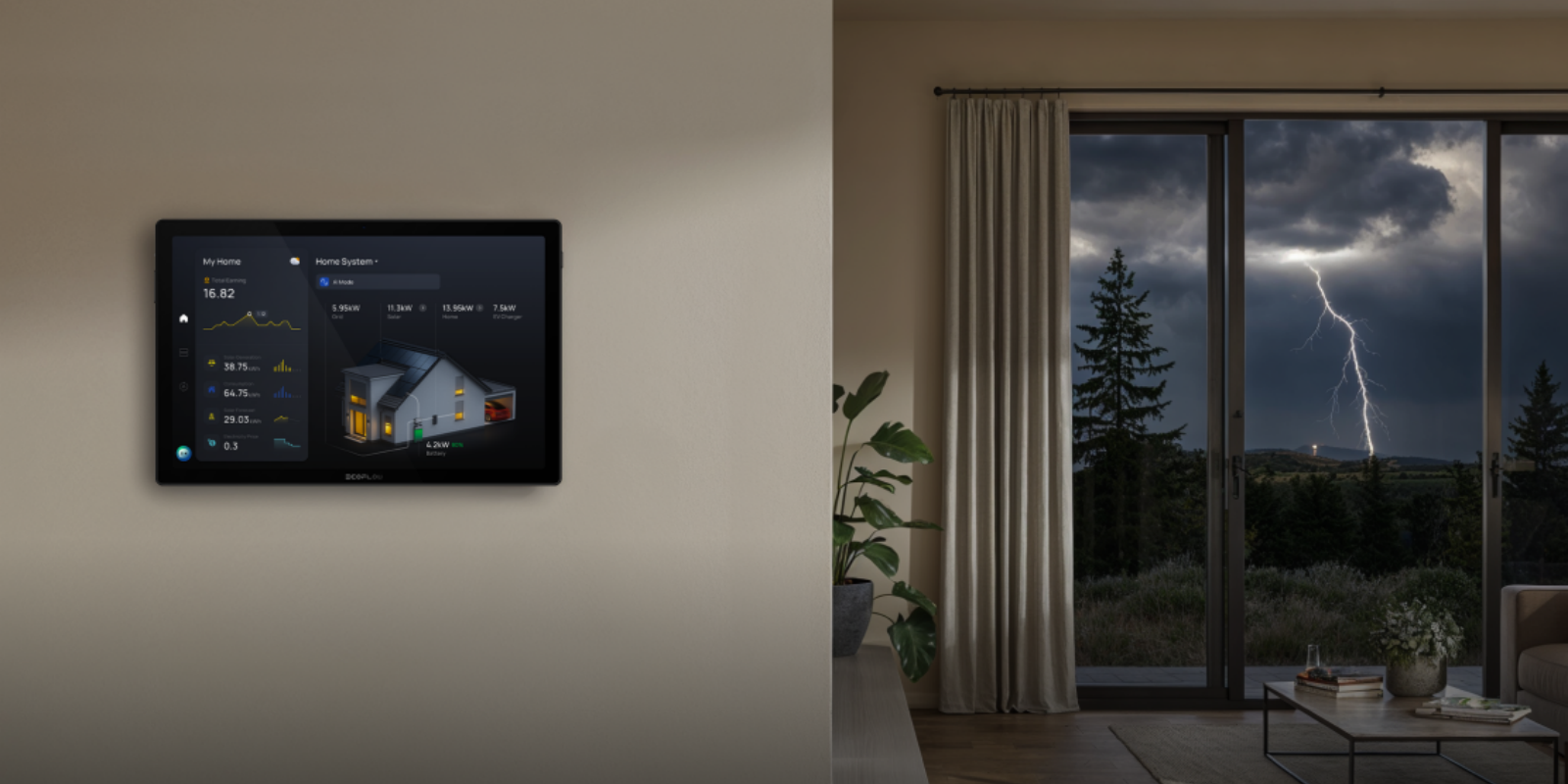
Adjust your pool pump run-times to suit seasonal conditions and your pool’s filtration requirements rather than using the same schedule all year. If you have an older single-speed pump, a correctly sized variable-speed model may reduce electricity consumption. EV owners can also schedule charging for lower-cost periods or during daytime solar generation, depending on their tariff and available solar output. A Home Energy Ecosystem can help coordinate compatible appliances and EV charging around your household energy use.
Use Electricity at the Right Time to Lower Your Bill
If you are on a time-of-use tariff, when you use electricity can be almost as important as how much you use. Reviewing your smart meter data can help you understand how much electricity you use during different pricing periods.
Understand Peak, Off-Peak and Time-of-Use Rates
Time-of-use (TOU) tariffs are available in many parts of Australia, but they are not available to all households or in all areas. Time-of-use tariffs divide electricity usage into different pricing periods, with exact hours and rates varying by retailer, tariff and location:
• Peak periods: Higher-cost windows, which often occur in the late afternoon and evening when electricity demand is higher.
• Off-peak periods: Lower-cost periods that often occur overnight, although the exact hours vary by plan.
• Shoulder and daytime periods: Some plans offer lower-cost daytime periods, including tariffs designed to encourage electricity use when solar generation is high.
Always check your specific plan’s Basic Plan Information Document (BPID) or use Energy Made Easy to confirm the applicable pricing periods.
Shift Flexible Appliances to Cheaper Hours
Delaying flexible, high-energy tasks can be relatively easy when appliances have built-in timers. You can schedule a dishwasher, washing machine or pool pump to operate during lower-cost periods, where practical. This can reduce the amount of electricity you purchase during higher-priced peak periods. The potential savings depend on your specific tariff, retailer and usage pattern, so check your plan before changing appliance schedules.
Use Solar Power When Your Panels Are Generating
Feed-in tariffs (FiTs) vary significantly between retailers, states and territories, and they are generally lower than the retail rates households pay for electricity. This means using more of your rooftop solar at home can provide greater savings than exporting the same electricity, depending on your tariff. Some solar systems may also face export limits, meaning excess generation can be curtailed when the export limit is reached. Maximising solar self-consumption and, where suitable, storing excess generation in a home battery can therefore help reduce grid imports and improve the value you get from your solar system.
Increase Solar Self-Consumption to Reduce Grid Imports
To get more value from your solar, schedule flexible appliances during the middle of the day when your rooftop system is generating electricity. For example, you could run a pool pump, washing machine or hot water system during suitable periods of solar generation, provided the appliance schedule meets your household and equipment requirements. This can increase solar self-consumption and reduce the amount of electricity you need to import from the grid.
Use Solar, Battery Storage and Smart Energy Management
Solar panels can reduce daytime grid use, while solar battery storage lets you store some of that electricity for use later in the day.
How Rooftop Solar Can Reduce Your Electricity Bill
Australia has a strong solar resource, and rooftop solar can generate substantial amounts of electricity during daylight hours. A residential solar system can help cover daytime loads such as refrigeration, home office equipment and other household appliances. However, solar generation typically falls as the sun sets, while household electricity demand can increase in the late afternoon and evening. This difference between solar generation and household demand is one reason some households consider battery storage.
How a Home Battery Can Store Excess Solar Energy
Even a well-sized solar system can produce more power during the day than your home can use. Without a battery, that surplus is exported to the grid, and you still need to buy electricity in the evening when solar generation drops.
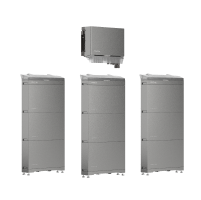
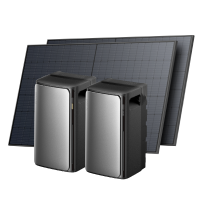
For homes with a single-phase connection, a system like the Ecoflow OCEAN 2 Plus single phase can store surplus solar for use later in the day. This helps you use more of your own solar and rely less on the grid during higher-priced evening periods. Battery size and compatibility should be matched to your household usage and existing solar system.
Use Stored Solar Power During Evening Peak Hours
Discharging a battery during higher-priced periods can reduce the amount of electricity you purchase from the grid. If your tariff has an evening peak period, using stored solar during those hours may increase the financial value of your solar generation. The exact savings depend on your tariff, battery efficiency, system size and household electricity use.
Monitor and Optimise Household Energy Consumption
Monitoring your electricity use can help you identify high-consumption appliances and see whether changes to your routine are actually reducing grid use. A system such as EcoFlow PowerInsight 2 can show solar generation, battery status, household consumption and grid imports in one place, making it easier to adjust appliance schedules based on real usage data.
Is a Home Battery Worth It for Your Australian Home?
A battery may make more sense if you already have solar, regularly export surplus electricity during the day, use a significant amount of electricity in the evening, or are on a tariff with higher peak rates. Before buying, compare the installed cost with your expected annual savings, available rebates and any potential VPP payments. Comparing solar battery cost with your expected savings can help you assess whether a battery suits your household.
Schedule Your Free Consultation Today!
What kind of product or solution are you interested in?

Conclusion
Saving electricity at home often comes down to a few practical changes: use heating and cooling efficiently, reduce unnecessary hot water use, and shift flexible appliances to lower-cost periods where your tariff allows. If you have rooftop solar, using more of your solar generation during the day can further reduce grid imports.
Start by reviewing your electricity bill and identifying where most of your electricity use occurs. From there, you can assess whether changing your daily routine, comparing electricity plans, or adding solar or battery storage could help reduce your energy costs.
Disclaimer: Electricity tariffs, feed-in tariffs, rebates and network requirements vary by state, territory, retailer, distributor and individual plan, and may change over time. Check your retailer and relevant Australian government or energy-market sources for current rates, eligibility and requirements. Appliance settings and installation should follow the manufacturer’s instructions and applicable Australian standards.
FAQs
How can I reduce my electricity bill in Australia?
You can reduce your electricity bill by using heating and cooling efficiently, washing clothes in cold water where practical, switching off a second refrigerator or freezer when appropriate, shifting flexible appliances to lower-cost periods where your tariff allows, and increasing your use of rooftop solar during daylight hours.
What uses the most electricity in an Australian home?
Heating and cooling can be one of the largest sources of household energy use, accounting for around 20% to 50% depending on the climate zone. Hot water is another major source, accounting for around 15% to 30% depending on location.
How can I save electricity without solar panels?
You can reduce electricity use by switching to energy-efficient LED lighting, reducing unnecessary standby consumption, using appliance timers to shift flexible loads to lower-cost periods where available, maintaining your air conditioning system, and comparing electricity plans to find one that better suits your household usage.
Is it cheaper to use electricity at night in Australia?
It can be cheaper at night if your electricity plan has lower off-peak rates during those hours. However, pricing periods vary between tariffs and locations, so check your electricity plan rather than assuming that nighttime electricity is always cheaper. On a flat-rate tariff, the usage rate generally stays the same regardless of the time of day.
Can solar panels reduce my electricity bill?
Yes. Rooftop solar can reduce your electricity bill by generating electricity for daytime household use, which can reduce the amount of electricity you need to buy from the grid. The savings depend on your solar system, household usage, electricity tariff, feed-in tariff and how much solar generation you self-consume.