How Much Electricity Does an Air Conditioner Use: Managing the Costs
Air conditioning is part of summer life in many Australian homes. Still, plenty of households are unsure of "how much it costs to run an air conditioner" once the heat sets in. The answer depends more on the unit itself. Your tariff, room size, climate, and thermostat habits all matter.
The good news is that AC costs are not hard to work out. Once you know the unit's input power and your electricity rate, you can get a rough cost in minutes. That makes it easier to compare usage, cut waste, and plan around peak prices.
How Much Electricity Does an Air Conditioner Use?
Before looking at running costs, it helps to understand "how much electricity an aircon uses" in daily home use. That gives the rest of the numbers more context.
AC Wattage and Energy Consumption Explained
Many people mix up cooling size and electricity draw. A 5.0 kW air conditioner does not usually pull 5.0 kW from the wall. The cooling size shows how much heat it can move. The electrical input is the part that affects your electricity bill.
If you are asking how much electricity an air conditioner uses, input power matters most. Inverter systems also adjust compressor speed as the room approaches the set temperature, so they do not always run flat out.
How Expensive Is It to Run AC in Australian Homes?
Running cost comes down to kilowatt-hours and your tariff. If a unit averages 1.0 kWh in an hour and your tariff is 35 cents per kWh, that hour costs about 35 cents. If it runs for eight hours, that is about $2.80 for the day.
Moreover, if you are comparing plans and wondering how much an aircon costs to run, check whether you are on a flat tariff or a time-of-use tariff first. Peak periods can cost more.
Key Factors That Impact AC Power Consumption
To understand air conditioner power usage in real homes, it helps to break the main cost drivers into the following parts:
AC Type and Size (kW Capacity, Inverter vs Non‑Inverter)
AC size affects power use. In Australia, split systems often range from 2.0 kW to 7.8 kW. Small rooms may suit 2.0 to 2.5 kW units. Large living areas may need 7.1 to 7.8 kW systems. Inverter models adjust output, while fixed-speed units cycle harder and can use more power over time in daily use.
Climate, Room Size, and Insulation in Australian Homes
A small bedroom in Hobart will not behave like a large living area in Brisbane. Hotter climates, bigger rooms, poor sealing, and weak insulation all push cooling demand higher. That is why the electricity consumption of air conditioning can vary widely between Australian homes. YourHome notes that efficient air conditioning works best in rooms that are well sealed and highly insulated.
Thermostat Settings, Usage Hours, and Maintenance Habits
Thermostat settings matter more than many people expect. YourHome says 25°C to 27°C is a sensible summer range. Meanwhile, Energy Rating guidance says each extra degree of cooling can increase energy use by about 5% to 10%. Dirty filters also make units work harder. That means AC energy consumption is shaped by both settings and upkeep, not just the brand on the box.
How to Calculate Your Air Conditioner's Energy Use
If you want to estimate the cost to run AC at home, start with the unit's input power. Then match that figure with your usage hours and retailer tariff. The method is simple, but it gives a much clearer view of real cooling costs.
Basic Energy Consumption Formula
The basic formula is: Energy use (kWh) = input power (kW) × hours used
First, check your unit's input power on the label, product sheet, or manual. Then multiply that number by the hours the system runs. The result shows how much electricity the unit uses over that period.
For Example: 1.2 kW × 6 hours = 7.2 kWh
Estimating Daily, Monthly, and Seasonal Usage
Once you have the kWh figure, it becomes easier to estimate longer-term use. Daily usage is based on one day of runtime. Monthly usage is the daily figure multiplied by 30. Seasonal usage is the monthly figure multiplied by the number of hot months in your area.
For example, if your unit uses 7.2 kWh per day, it would use about 216 kWh per month. Over a four-month cooling season, that would come to 864 kWh.
Using Your Retailer Tariff (¢/kWh) to Estimate Costs
The next step is to apply your electricity rate. Check your bill for the usage charge in cents per kWh. Then multiply your estimated kWh by that tariff. This gives a rough running cost for the period you want to measure.
Example: 216 kWh × 35¢ = 7,560¢
Estimated Cost = $75.60
This approach will not give an exact bill figure every time. Still, it is a practical way to compare usage, plan for summer costs, and see where savings may be possible.
Typical AC Running Costs in Australia (By Size)
To see how much an aircon costs to run across common system sizes, the table below gives a simple guide for Australian homes.
System Size | Typical Room | Approx. Input Power | Approx. Cost Per Hour | Approx. Cost for 8 Hours/Day |
Small room unit (2.0–2.5 kW | Bedroom or study | 0.5–0.8 kW | $0.18–$0.28 | $1.40–$2.24 |
Medium unit (3.5–5.0 kW) | Standard lounge or main room | 0.9–1.5 kW | $0.32–$0.53 | $2.52–$4.20 |
Large living-room unit (7.0–8.0 kW) | Large open-plan area | 1.8–2.6 kW | $0.63–$0.91 | $5.04–$7.28 |
These figures are only a guide. Real costs still depend on weather, insulation, runtime, and the unit itself.
How to Reduce AC Running Costs in Australian Homes
If you want to cut aircon electricity usage without making the house uncomfortable, the steps below are the easiest place to start:
Smart Usage: Setpoint Temperatures, Timers, and Zoning
Setpoint Choice: Aim for 25 to 27°C in summer, because lower settings usually increase running costs and strain.
Timers: Use timers to limit runtime, especially before sleep, leaving, or returning home on hot days.
Zoning: Cool only occupied areas, so the system does less work and wastes less energy daily.
Night Use: Reduce cooling in unused rooms overnight, especially when doors are closed and outdoor temperatures ease.
Improving Efficiency: Sealing, Insulation, and Maintenance
Seal Gaps: Seal gaps around doors, windows, and vents to stop cooled air from escaping and heat from entering.
Insulate Well: Effective insulation will also slow down the accumulation of heat and make rooms feel cooler, and minimize the workload of air conditioners.
Clean Filters: Clean filters support steady airflow, improve efficiency, and help the unit cool rooms more effectively.
Check Outdoor Unit: Keep the outdoor unit clear of leaves, dust, and debris so airflow stays unobstructed.
Book Servicing: Regular servicing helps spot faults early, maintain efficiency, and support smoother long-term system performance.
Using Solar and Batteries to Offset AC Power
On hot afternoons, solar can cover part of the cooling load first. Later, your solar battery can help when the rooftop output drops.
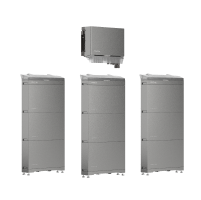
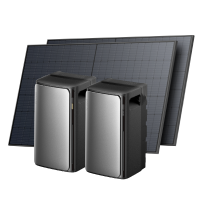
The EcoFlow home battery is one practical option for this. It can help reduce air conditioning electricity usage during peak-rate hours. The table below shows selected EcoFlow products that can help support cooling demand:
Home setup | EcoFlow option | Why it fits |
Single-phase homes | Starts at 5 kWh, expands to 15 kWh in one inverter, and offers up to 6 kW continuous backup. | |
Three-phase homes | Starts at 5 kWh, expands to 45 kWh, and supports 10 kW rated backup, with 12 kW for 60 seconds. |
Ready to take control of your energy savings? Contact the EcoFlow expert today to get a solar battery quote for your home system.
Schedule Your Free Consultation Today!
What kind of product or solution are you interested in?

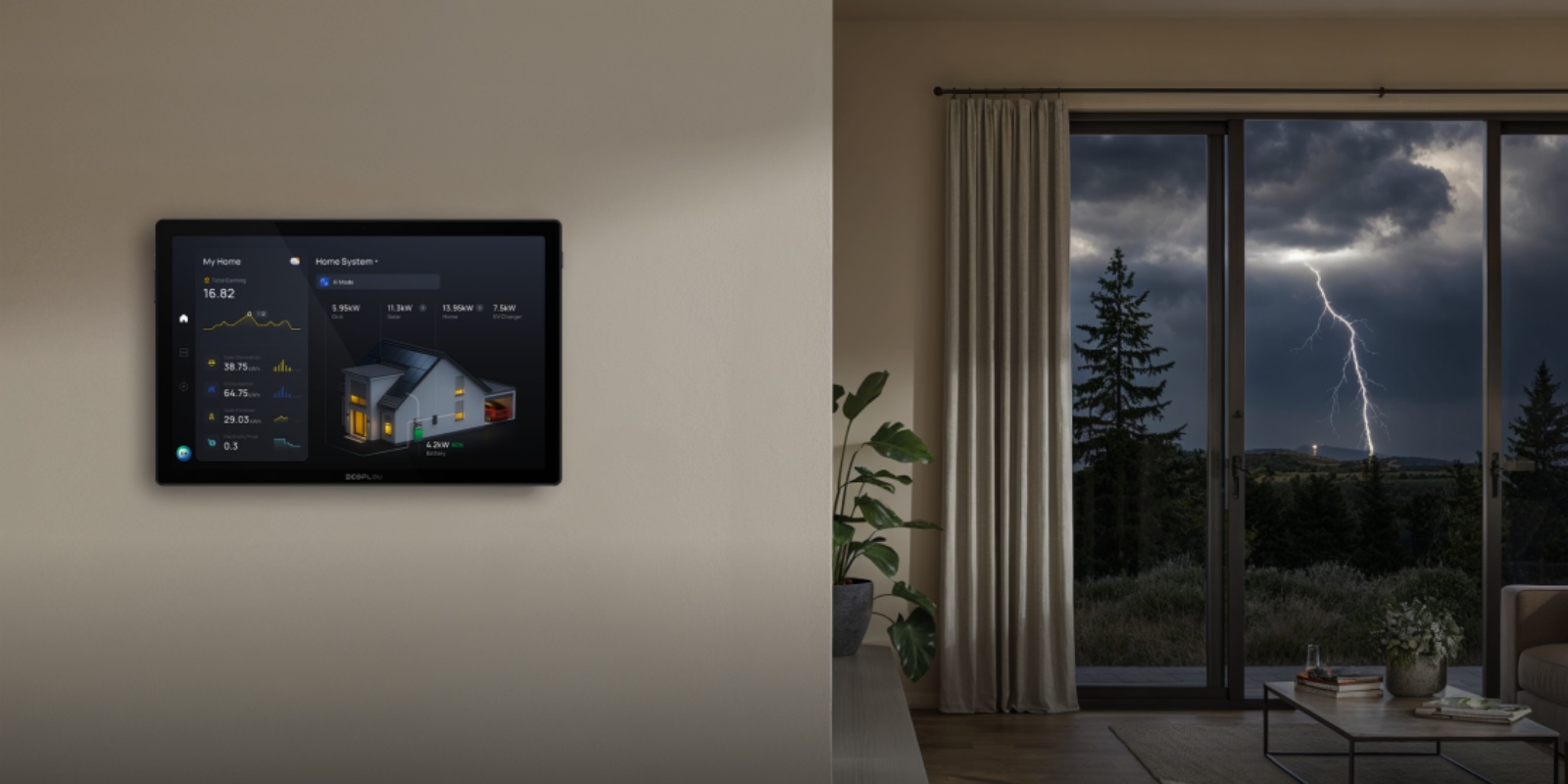
Homeowners can use live tracking to watch how cooling demand changes during the day. That gives better context for air conditioner power usage and makes it easier to test timers, setpoints, and runtime habits.
The EcoFlow PowerInsight 2 Monitor supports this by showing real-time home energy use, solar generation, and battery activity on an 11-inch touch screen. With that view in place, homeowners can spot when AC is driving demand higher and make changes before the bill arrives
Conclusion
To conclude, air-conditioning costs vary with system size, usage habits, room conditions, and electricity rates. Once you know the unit's input power, it becomes easier to estimate "how much does it cost to run an air conditioner" in Australia. If cooling is a major part of your summer bill, the EcoFlow home battery is worth considering as part of a smarter home energy setup.
FAQs
1. How much does it cost to run an AC 24 hours a day?
It depends on the unit size, the thermostat setting, and your electricity rate. If a system uses about 1.0 kW each hour and your tariff is 35 cents per kWh, the daily cost is about $8.40. Larger units can cost more. This is a simple way to understand "how much does it cost to run an air conditioner" over a full day. To lower these bills, you can invest in solar panels and battery storage (like the EcoFlow home battery) to power your AC for free using stored sunshine.
2. What is the 3-minute rule for air conditioners?
Most air conditioners do not restart straight away after stopping. A short delay is common, and it helps protect the compressor from extra stress. It also reduces stress from rapid stop-start cycles.
3. Do air conditioners turn off when they reach the temperature?
They respond when the room reaches the set temperature, but not every system does it the same way. Some units switch off and back on later. Inverter models usually slow down instead of stopping fully. That helps keep the room more stable and avoids sharp temperature swings.
4. Is 24 degrees the coldest for AC?
No, 24 degrees is not usually the coldest setting. Many systems can be set lower, depending on the model. In most Australian homes, 24 degrees is simply a moderate cooling point, not the minimum. It is also useful to remember that lower settings usually increase air conditioner power usage over time.
5. Is AC good for BP patients?
Air conditioning is not a treatment for blood pressure. Still, a cooler room can help during very hot weather. Heat can put extra stress on the body, especially for people with heart or blood pressure concerns. Keep the room comfortable, not freezing. If symptoms worsen or medication is involved, it is best to check with a doctor.