How Many Solar Panels Do I Need in Australia? A Home Sizing Guide
Many Australian homes use solar systems in the 6.6 kW to 13.3 kW range, which would equate to around 15–31 panels when using 440W modules. A modest household using 16–20 kWh per day may need around 15–18 panels, while an all-electric household with an EV and ducted AC may require 25–35 panels or more, depending on location, roof orientation, and actual electricity use.
This guide covers typical Australian panel counts, a practical step-by-step sizing calculation, real-world roof constraints, and key checks to make before installation so you can better plan your rooftop solar system.
Key Takeaways
• Common system sizes: A 6.6 kW to 10 kW system (15–23 panels) remains a common option for suburban homes.
• Where you live affects your yield: Solar generation varies by location, with annual average daily output per kW generally higher in sunnier regions and lower in southern locations.
• Plan for future electricity use: An EV, induction cooktop, heat pump, or other electrified appliance can significantly increase household electricity demand.
• Roof layout matters: If your roof faces multiple directions or receives partial shade from trees, multi-MPPT inverters and monitoring can help manage different roof sections and make better use of available generation.
How Many Solar Panels Do Australian Homes Need?
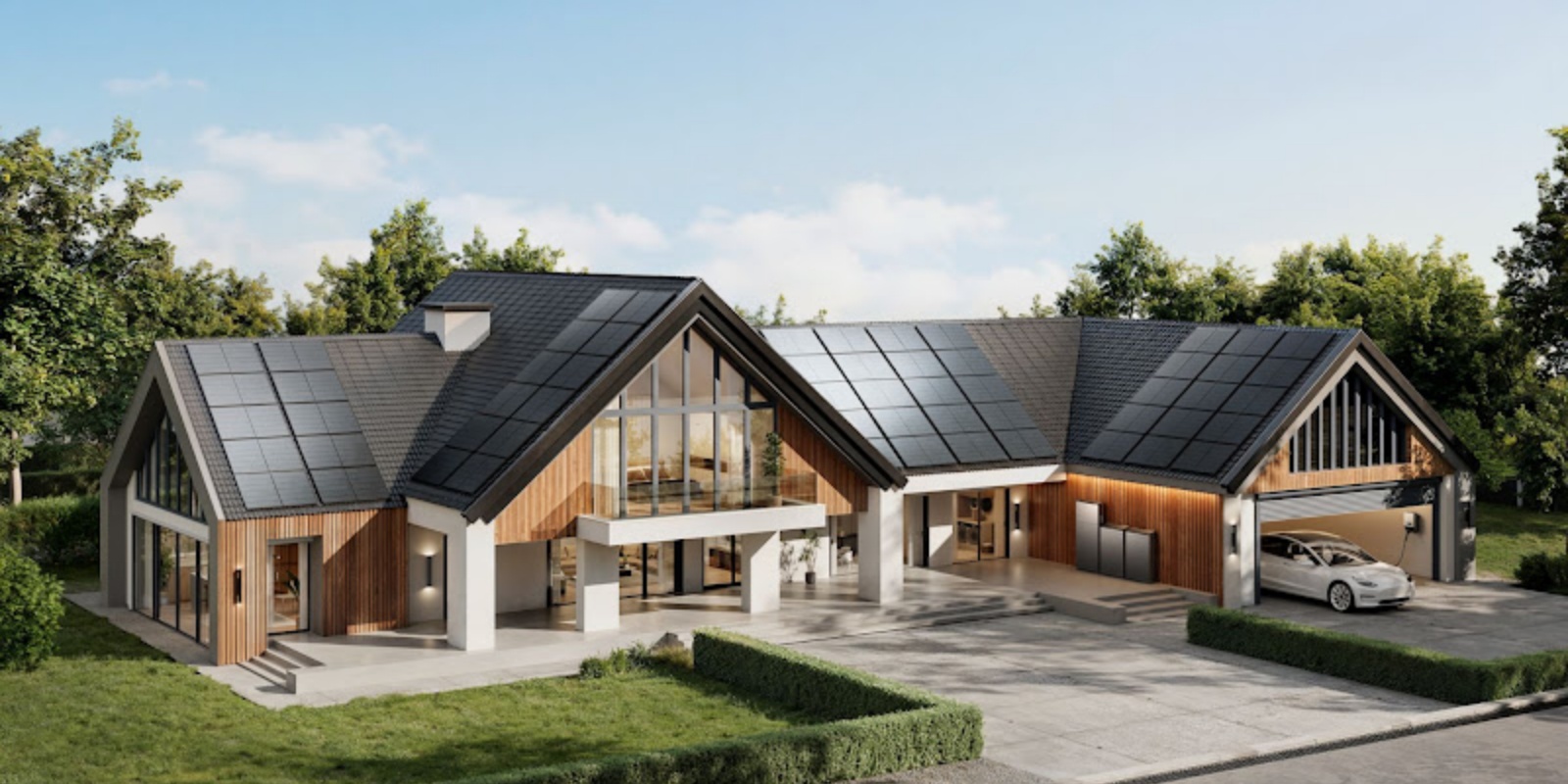
Roof space, household size, electricity use, and when that electricity is consumed all affect the solar system size you may need. The table below shows approximate panel counts for different system sizes using 440W modules.
| System Size | Panel Count (approx. 440W) | Typical Daily Production | Best Suited For |
|---|---|---|---|
| 6.6 kW – 10 kW | 15 – 23 panels | 25 – 42 kWh | Small homes, couples, modest power users |
| 10 kW – 13.3 kW | 23 – 31 panels | 40 – 55 kWh | 3–5 person families, pool pumps, mild AC use |
| 13.3 kW+ | 31+ panels | 55+ kWh | Large homes, full electric (EV + Heat Pump), acreage |
*Daily production is indicative only and varies by location, season, roof orientation, shading and system losses.
Small Homes (6.6–10 kW): 15–23 Panels
A 6.6kW solar system has long been a common residential system size in Australia. For smaller dwellings, downsizers, or duplexes with modest electricity use of around 12–18 kWh per day, 15–23 panels may provide a suitable starting point, depending on location, roof orientation, shading, and household consumption patterns. If you are away from home during daylight hours and have relatively modest energy demand, a system in this range may help cover daytime electricity use and reduce grid electricity purchases.
Average Homes (10–13.3 kW): 23–31 Panels
For households with higher electricity use, including homes with heat pumps, regular air conditioning, or increased daytime consumption, a 10 kW to 13.3 kW system can be a suitable option.
Important grid caveat: The maximum solar system and inverter size you can connect depends on your local DNSP, connection type, and applicable grid connection requirements. A single-phase connection does not automatically rule out a larger solar array or inverter, but some networks impose specific connection or export limits. For example, a DNSP may allow a larger inverter while limiting grid exports to a lower level. If you are considering a 10 kW+ system, your installer should confirm the applicable connection requirements, export settings, and whether any additional network approval or electrical work is needed.
Large Homes (13.3 kW+): 31+ Panels
Larger suburban homes, rural properties, or homes running heated pools, bore pumps, and multi-zone ducted systems may have substantially higher electricity demand. A system with 31 or more panels can provide a larger generation capacity for households using 30+ kWh per day, although the required size depends on location, roof conditions, and when electricity is consumed. Adding solar battery storage can help shift some daytime solar generation to periods of higher evening demand.
How Do You Calculate How Many Solar Panels You Need?
Instead of relying only on rules of thumb, you can estimate the solar system size and panel count using five straightforward steps.
Estimated solar system size (kW) ≈ Daily Energy Use (kWh) ÷ Equivalent Solar Generation (kWh/kW/day)
Panel count ≈ Required System Size (kW) ÷ Panel Wattage (kW)
Calculate Your Average Daily Electricity Use
Check your latest electricity bill and look for your average daily electricity use in kilowatt-hours (kWh). Comparing usage across different billing periods can help show how your consumption changes between seasons. Australian household electricity use varies considerably; the Australian Government currently gives an average range of around 11–23 kWh per day. If your quarterly bill shows average daily consumption of 20 kWh, use that figure as a starting point for your solar sizing estimate. Your smart meter interval data can also help show when that electricity is being used.
Estimate Solar Generation From Your Location
Solar generation varies considerably across Australia. Peak Sun Hours (PSH) are a simplified way of expressing the equivalent number of hours of solar irradiance at 1,000 W/m² received in a day. Actual rooftop generation also depends on location, roof orientation, tilt, shading, weather, and system losses.
For a practical estimate, the Australian Government provides typical average daily generation per 1 kW of solar capacity, including around 4.4 kWh in Darwin and Perth, 4.3 kWh in Canberra, 4.2 kWh in Brisbane and Adelaide, 4.0 kWh in Sydney, 3.6 kWh in Melbourne, and 3.5 kWh in Hobart. These are annual averages, so actual generation varies by season and site conditions.
Calculate Your Required Solar System Size
Divide your daily electricity use by the typical daily generation per kW for your location to estimate the required solar system capacity before site-specific adjustments.
Example (Sydney household using 20 kWh/day):
Using a simplified 4.0 kWh/kW/day generation estimate for Sydney:
20 kWh ÷ 4.0 kWh/kW/day ≈ 5.0 kW
Account for Solar System Losses
Real-world solar generation is lower than the panel’s rated output under laboratory test conditions. Shading, dirt, wiring losses, inverter conversion, high temperatures, orientation, and other factors can reduce actual generation. For a simple preliminary estimate, applying an adjustment factor such as 0.80 can provide a conservative sizing allowance, although the actual performance ratio will vary by system and location.
5.0 kW ÷ 0.80 = 6.25 kW estimated array size
In practice, a 6.6 kW system or another nearby system size may be considered depending on the household’s annual electricity use, roof space, local solar generation, and network requirements.
Calculate the Number of Solar Panels
Convert your estimated system capacity to watts and divide it by the rated output of the panels you plan to use. Residential panels are available in a range of wattages, so the exact panel count will depend on the selected model.
6,600 W ÷ 440 W per panel = 15 panels
What Factors Can Change the Number of Solar Panels You Need?
Roof layouts are rarely straightforward, and changes in household lifestyle can significantly affect electricity demand over time.
Panel Power Wattage and Efficiency
Higher-wattage panels can reduce the number of panels required for a given system size. If roof space is limited, choosing a higher-wattage 440W or 450W module can allow more total capacity to be installed within the available area. Conversely, if you have ample roof space, a lower-wattage panel may still provide the required total system capacity, depending on the available roof area and panel pricing.
Roof Space, Orientation, and Shading
In Australia, north-facing panels can provide strong midday generation, while east-west arrays can spread solar generation more evenly across the day. East-facing panels tend to generate more in the morning, while west-facing panels can produce more later in the afternoon.
Shading from trees, neighbouring buildings, or other roof sections can reduce solar generation and affect string performance. The Ecoflow OCEAN 2 Plus single phase inverter uses three independent MPPTs (Maximum Power Point Trackers) to manage separate roof orientations individually. This helps limit the effect of shading or uneven panel angles and improves overall system output on complex roofs.
Current and Future Electricity Consumption
Sizing a solar system based only on past electricity bills may not account for future electricity use. Adding a heat pump water heater, induction cooktop, or electric vehicle can increase household consumption, although the impact varies significantly by appliance usage and household habits.
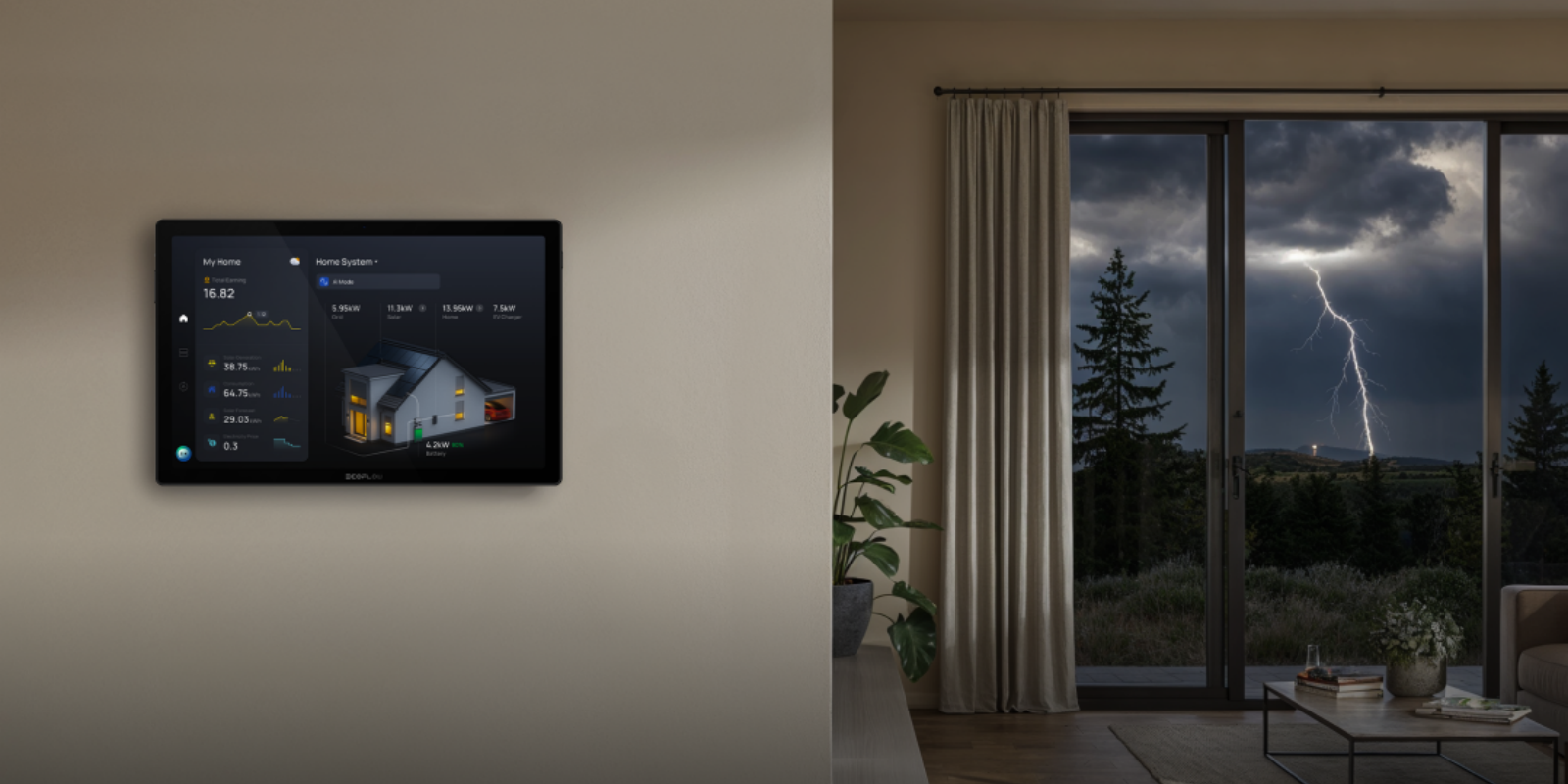
Monitoring devices such as EcoFlow PowerInsight 2 display solar generation, household consumption, and battery charge levels in real time on an 11-inch touchscreen. This data can help homeowners and installers choose an appropriate initial system size and decide whether more panels or battery capacity may be needed later.
What Should You Check Before Installing Solar Panels?
Getting several quotes without first checking your home’s electrical setup, roof condition, and network requirements can lead to unexpected installation work or additional costs. If you are planning a Home Energy Ecosystem, check how the panels, battery, and compatible devices will work together.
Check Your Electrical Setup
Older homes may have legacy switchboards with rewirable ceramic fuses or other electrical equipment that needs assessment before a solar installation. Your installer should assess the switchboard and electrical installation against the applicable AS/NZS 3000 requirements and local electrical safety rules before connecting the inverter. Any required switchboard upgrades will depend on the condition and configuration of the existing installation. You should also check whether your home has a single-phase or three-phase supply, as the connection type can affect the inverter size and export limits that apply to your installation.
Confirm Roof Space and Structural Suitability
A typical residential solar panel is around 1.7 square metres, although panel dimensions vary by model. As a practical estimate, a 20-panel array may require roughly 34–40 square metres of suitable roof area, depending on panel dimensions, layout, roof features, and required setbacks. Beyond the available roof area, structural condition and roof material also matter:
Colorbond / Tin: Often suitable for standard mounting systems, subject to the roof structure and installation requirements.
Concrete Tile: Commonly used for solar installations, although damaged tiles may need to be replaced during installation.
Terracotta / Slate: More fragile roof materials that require appropriate handling and mounting methods to reduce the risk of damage or water ingress.
Check Local Grid and Permit Requirements
Your local Distributed Network Service Provider (DNSP)—such as Ausgrid, Energex, Powercor, or Western Power—sets requirements for the size of solar systems that can be connected and the amount of electricity that can be exported to the grid. Export limits vary by DNSP, connection type, and local network conditions. Some single-phase connections have fixed export limits, while some networks offer dynamic export arrangements that can allow higher exports when network conditions permit. Your SAA-accredited installer can advise on the applicable grid connection requirements and manage the required application or approval process where applicable.
Review Installer Credentials and Warranties
For a grid-connected solar system eligible for STCs, the designer and installer must meet the applicable Solar Accreditation Australia (SAA) accreditation requirements. Solar Accreditation Australia (SAA) became the accreditation scheme operator for installers and designers under the Small-scale Renewable Energy Scheme in 2024, replacing the Clean Energy Council’s accreditation services. For systems seeking STCs under the SRES, the installation must meet the applicable accreditation, product, standards, and compliance requirements, including design and installation by appropriately accredited SAA professionals.
• Product Warranty: Covers manufacturing or product defects. Warranty periods vary by manufacturer and product, so check the specific terms for the panels and inverter.
• Performance Warranty: Covers the panel’s rated performance over a specified period. Many panels come with long-term performance warranties, but the guaranteed output and warranty period vary by manufacturer.
• Workmanship Warranty: Covers installation-related workmanship, such as mounting and cabling, subject to the installer’s warranty terms. Check the coverage period and exclusions before signing the contract.
Schedule Your Free Consultation Today!
What kind of product or solution are you interested in?


Conclusion
Working out how many panels you need starts with understanding your household electricity use, estimating local solar generation, and choosing a system that fits your roof and electrical setup. A 15- to 18-panel system (around 6.6 kW) can suit households with relatively modest electricity use, while homes with higher demand may consider 24 or more panels and a larger system. Factor in shading, future electricity needs such as EVs and heat pumps, available roof space, and local network requirements, and work with a qualified, appropriately accredited installer to determine the final system design.
Disclaimer: The information in this article is for general guidance only and does not constitute professional electrical, solar, or financial advice. Solar system sizing, grid connection requirements, export limits, and available incentives may vary by location and change over time. Consult a qualified installer and your local DNSP before making installation or system-sizing decisions.
FAQ
How many solar panels do I need for 10,000kWh a year?
A rough estimate is around 13–20 panels using 440W modules, depending on location, system performance, and roof conditions. Australia-wide solar generation varies by location: the Australian Government estimates around 4.4 kWh per day per kW in Perth, 4.2 kWh in Brisbane, 3.6 kWh in Melbourne, and 3.5 kWh in Hobart. Actual system sizing should account for seasonal generation, shading, orientation, and system losses.
Can I add more panels later if my energy needs increase?
Potentially, yes, provided your existing inverter, roof space, electrical setup, and grid connection can accommodate the additional panels. If the existing inverter does not have sufficient capacity, options may include upgrading the inverter, using a separate inverter, or adding another suitable system configuration. Your installer should confirm the applicable technical and network requirements before expanding the system.
How much power does a solar panel generate?
A 440W solar panel can generate roughly 1.5–2.2 kWh of electricity per day on an annual-average basis, depending on location and system conditions. Actual daily generation varies with season, weather, orientation, shading, temperature, and other system factors.
How long do solar panels last?
Solar panels are generally designed for long-term operation, and many residential panels come with performance warranties of around 25 years or longer. Panel output gradually declines over time, but the degradation rate and guaranteed end-of-warranty output vary by manufacturer and model. Check the specific product warranty for the panel you are considering.