How Long Does it Take to Charge an Electric Car: Make EV Charging Convenient
You are out on a road trip, and the battery light on your electric car goes off. You pull up to a charging station and question yourself on how long it takes to charge an electric vehicle to proceed with your journey.
It is possible to learn what aspects affect the time of EV charging, and you will be able to plan your trips better and prevent unnecessary delays. We will discuss the question of how long to charge an electric vehicle and give you hints on how to make the process of charging your car as efficient as possible in this article.
How Long Does It Take to Charge an Electric Car?
Charging times for electric vehicles depend on several technical factors, including battery capacity and the type of charging station used. The following table provides an overview of some well-known electric car models, focusing on their objective configuration parameters and functional charging characteristics:
Model | Tesla Model 3 Standard Range Plus | Nissan Leaf (40 kWh) | Chevrolet Bolt EV | Hyundai Kona Electric | Kia EV6 |
Battery Capacity (kWh) | 54 | 40 | 66 | 64 | 77.4 |
Max Charging Rate (kW) | Up to 170 | Up to 50 | Up to 55 | Up to 100 | Up to 230 |
Typical AC Charging Power (kW) | Up to 11.5 (with onboard charger) | 6.6 | 7.2 | 7.2 | 11 |
Charging Time (0-80%) at Fast Charger | Approximately 30 minutes (using Supercharger V3) | Approximately 40 minutes (CHAdeMO fast charger) | Approximately 30-45 minutes (DC fast charging) | Around 54 minutes (DC fast charging to 80%) | Approximately 18 minutes (DC fast charging to 80%) |
Charging Time (0-100%) at Home Charger | About 7 hours (at 11 kW AC charger) | About 7.5 hours (at 6.6 kW AC charger) | About 9.5 hours (at 7.2 kW AC charger) | About 9 hours (at 7.2 kW AC charger) | About 7 hours (at 7.2 kW AC charger) |
What Affects EV Charging Speed?
Certain technical and environmental aspects may influence the rate at which an EV charges, such as the type of charging station and the temperature of the battery. The considerations that influence the main parameters of EV charging are as follows: it is important to charge an electric car within various conditions, which depend on the following factors:
Battery Capacity: Larger batteries take longer to charge, especially at lower power levels. However, the charging rate may decrease as the battery approaches full capacity.
Onboard Charger Power Rating: The speed of charging will be constrained by the maximum power that the onboard charger of the car can handle. A higher onboard charger capacity allows faster charging at compatible stations.
Charger Power Output: The maximum power output of the charging station (in kW) is a direct factor that determines the rate of charge, particularly when charging with DC fast charging.
Charging Station Compatibility: The rate of charging depends on the compatibility of the vehicle with the charging port and the charging station.
State of Charge (SoC): Charging is generally more intense when the battery is at a lower SoC, with the rates decreasing towards full capacity to prevent damaging the battery.
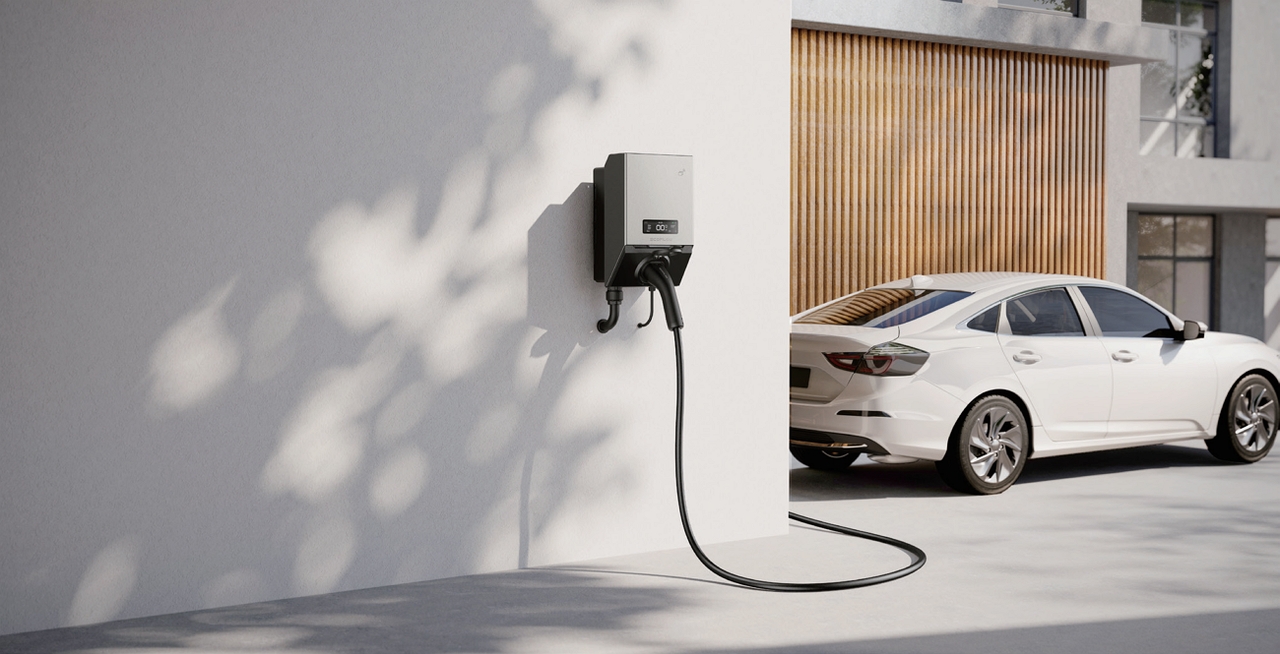
How Fast Is Residential EV Charging?
The residential charging rate of EVs in Australia is mainly dependent on the power supply and the kind of charger installed at home. The question that arises, however, is, how long does it take to charge an electric car at home?
Standard Household Power Supply (Single-Phase 230V)
Typical Charger Power: Up to 7.2 kW (single-phase AC charger)
Charging Speed: Approximately 30-40 km of range per hour of charging
Full Charge Time: Around 8-12 hours for a full battery (e.g., 60 kWh battery)
Three-Phase Power Supply
Typical Charger Power: Up to 22 kW (three-phase AC charger)
Charging Speed: Approximately 100-150 km of range per hour
Full Charge Time: About 4-6 hours, depending on vehicle capacity
Types of EV Chargers and Typical Charging Times
In Australia, where many households rely on overnight home charging and occasional public top-ups, understanding charger types is essential for planning your EV use. The type of charger you use has a direct impact on how long it takes to charge an electric car and how convenient daily driving feels. Let us have a look at the types of chargers you can use at home:
Level 1 (Standard Home Outlet) Charging Times
Level 1 charging uses a standard Australian household power outlet (230), making it the simplest way to charge an EV. It does not require any further installation, and you simply have to insert your car into a standard socket with the help of the cable provided. Nevertheless, this convenience is accompanied by the rather slow charging rates.
Typical Power Output: around 1.4–2.0 kW
Charging Speed: adds roughly 5–10 km of range per hour
Full Charge Time: around 20–40+ hours, depending on battery size
Level 2 Home and Public Chargers
The most viable and common type of charge 2 is the one that is used by homeowners in Australia who desire quicker and more dependable charging. It needs a special wall-mounted charger, and it is usually placed in a garage or a driveway. The time for people who want to know how much time to charge an electric car is mentioned below.
Typical Power Output: Single-Phase: up to 7.2 kW/ Three-Phase: up to 11–22 kW (if available)
Charging Speed: adds roughly 25–65 km of range per hour
Full Charge Time: about 4–10 hours, depending on the vehicle
DC Fast Charging and Rapid Top-Ups
Fast charging is the quickest method of charging an electric vehicle, which is mostly applied at public charging stations in Australia, particularly on highways and other major traveling routes. DC fast chargers provide power to the battery and allow significantly higher charging rates.
Typical Power Output: 50 kW to 350 kW
Charging Speed: adds roughly 150–300 km of range in 15–30 minutes
Charge Time (0–80%): usually 20–45 minutes, depending on the vehicle and charger
How to Estimate Charging Speeds for Your EV
As you are aware of how much time it takes to charge an electric car in Australia, the next step is to find out how fast your own electric vehicle will charge in real life. There is no fixed charging time; it is based on a mix of your vehicle, charger, and usage patterns. The following is the way you can approximate it better:
Battery Capacity (kWh): The larger your EV battery, the longer it will take to charge. For example, a 40 kWh battery will charge much faster than a 75 kWh one under the same conditions.
Charger Power Output (kW): The power rating of the charger sets the maximum possible speed. A 7.2 kW home charger will be much slower than a 50 kW or 150 kW DC fast charger.
Vehicle's Maximum Charging Rate: Your EV has a built-in charging limit. Even if you plug into a high-power charger, the car will only draw what it can handle. For instance, some models like the Hyundai Kona Electric charge more slowly than newer high-speed EVs on ultra-fast chargers.
Simple Formula to Estimate Charging Time: Charging Time (hours) = Battery Capacity (kWh) ÷ Charger Power (kW)
Home vs. Public Charging: What's Best for Daily Use?
Once you have been informed of how much time to charge an electric car, the second question that comes to mind is where you will charge your car on a daily basis. We shall consider the real-life comparison between home and public charging:
Daily Commuting and Overnight Home Charging
Home charging is the simplest and most economical method of EV daily driving for most Australian owners. You can simply plug in your car when you get home and leave it to charge overnight instead of using the public stations. This approach works especially well for regular commuting.
Installing a dedicated Level 2 home charger makes this process much faster and more reliable than using a standard outlet. Such products as the EcoFlow PowerPulse 2 EV Charger are meant to be used at home, and they come in either single-phase or three-phase power systems that are typical of Australian households. This makes it possible to charge much faster and have more control over how energy is used. Integrating with a solar system allows you to charge your EV using excess solar energy, effectively reducing your fuel costs to near zero.
Public Charging Stations: When and Why They're Useful
Home charging will take care of most of your day-to-day requirements, although when you are on the road, you will need to use public charging stations. The following are the reasons and when you may use them after knowing how long it takes to charge an electric vehicle:
Long-Distance Travel: Add 150300 km of range to the battery in 2030 minutes with DC fast chargers. Ideal in case of interstate or regional road travel, where charging at home is not possible.
Fast Charges on Busy Days: Public Level 2 chargers (e.g., EcoFlow PowerPulse 2 at workplaces or in parking lots) can charge 50-100 km of range in 1-2 hours. Convenient in case you have to travel more than you thought you would, or you forgot to charge at home.
Urban Charging of Apartment or Unit Dwellers: When there is no personal garage, the solution is offered by the public stations at the shopping centers, offices, or car parks.
Backup in Case of Low Battery: Rapid public chargers can rescue you in case you run out of charge. Particularly helpful in rural areas or in areas with fewer charging stations along long highway routes.
Mastering Modern Power: Drive for Free with Home Solar Systems
For Australian EV owners, combining a solar system with a home battery is one of the smartest ways to cut electricity bills and maximize convenience. By storing solar energy during the day, you can charge your EV at night without relying on grid power.
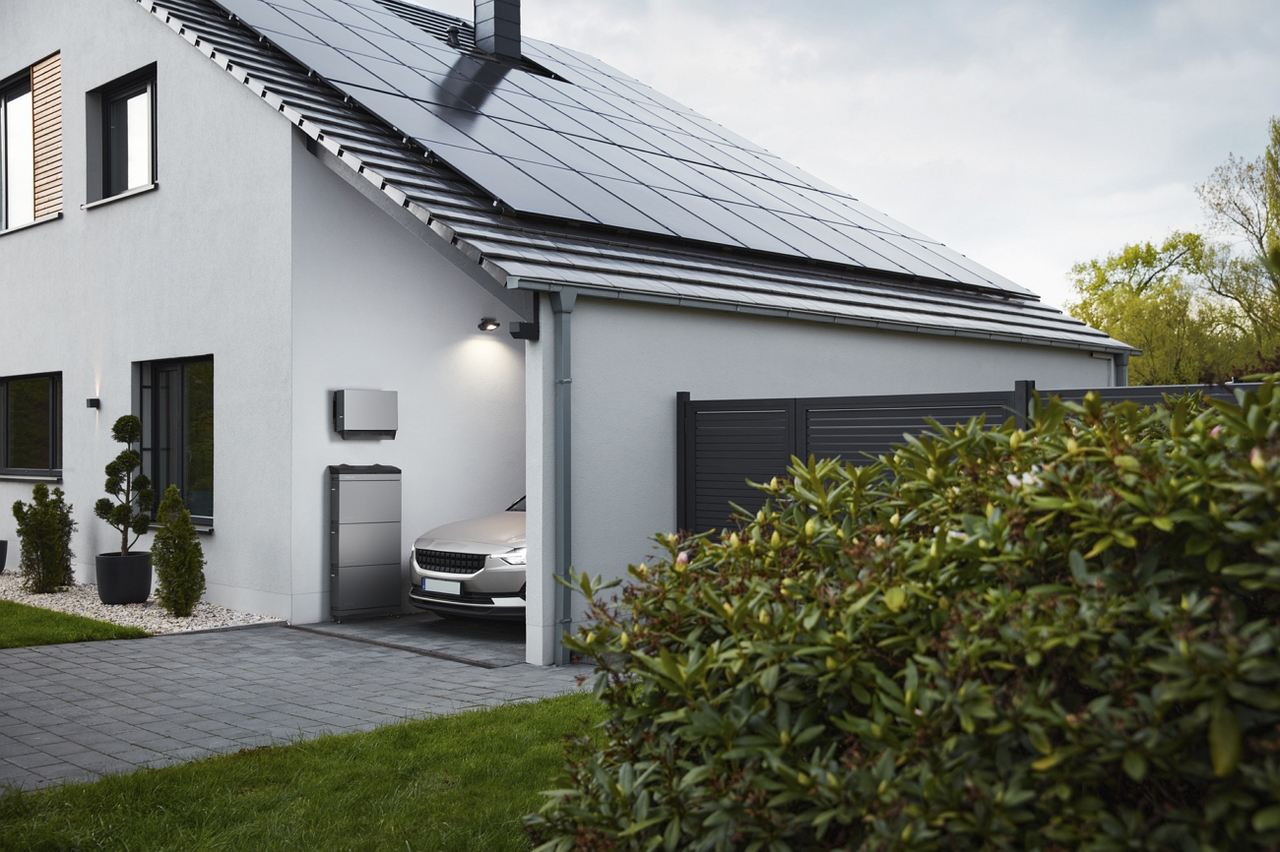
The EcoFlow home battery solution is a good example. It offers several solar battery solutions that work perfectly with EV charging at home. This is especially for people who are concerned about how long to charge an electric car. Mentioned below are the most relevant EcoFlow options for Aussie homes looking to level up EV charging:
Product | ||
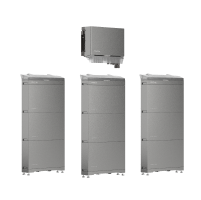
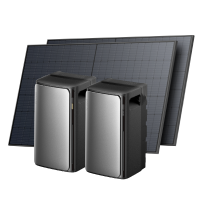
Power Type | Single-phase | Three-phase |
Storage Capacity | Up to 15 kWh in one inverter | Up to 45 kWh |
Key Features | Modular design; 6 kW continuous output; 6000+ charge cycles | Scalable; 12 kW of steady output power; 20ms switch-over time |
Ideal For | Typical single-phase Australian homes | Homes with higher energy needs |
Ready to take control of your energy savings? Contact the EcoFlow team today to get a solar battery quote for your home system.
Schedule Your Free Consultation Today!
What kind of product or solution are you interested in?

5 Practical Tips to Make EV Charging Easier
After exploring how long it takes to charge an electric car, it's time to look at practical ways to make charging simpler and cost-effective. Follow the tips provided below to learn how to make the most out of your EV charging:
Overnight at Home: Charge with a special Level 2 charger, such as EcoFlow PowerPulse 2 EV Charger, to charge faster and safer at home. Overnight charging will utilize the low-peak electricity rates and will have your EV ready every morning.
Arrange Long Trips: Find DC fast chargers on your path. Plan stops to make a quick top-up and prevent range anxiety using apps or in-car navigation.
Use Solar + Battery for Cost Savings: Systems like the EcoFlow PowerOcean let you charge your EV with stored solar energy, reducing reliance on grid power. Charge your EV during the evening using free solar energy collected during the day.
Monitor Battery Health and State of Charge: Avoid charging 100% every day unless needed. Many EVs and smart apps, like the EcoFlow App for home batteries, allow you to schedule optimal charging levels.
Keep Charging Cables Handy and Compatible: Have a home cable for Level 2 charging and a portable EV cable for public stations. Make sure that the local standard (Type 2 in Australia) is used to ensure that the connector is not a source of delays or compatibility problems.
Conclusion
To conclude, this article provided a detailed guide on how long it takes to charge an electric vehicle. Practical measures to make EV charging easier in Australia were also addressed in the article. By combining home solar panels with EcoFlow home batteries or using PowerPulse 2 chargers, homeowners can charge their EVs efficiently. This saves on electricity costs and lets you enjoy reliable backup power, making EV ownership more sustainable.
FAQs
1. How much does a full charge cost for an electric car?
Charging costs will vary according to your electricity charges and the size of your EV battery; home charging is often lower than at public stations. Coupled with a solar system, it is possible to further save money using EcoFlow PowerOcean to store free solar energy and charge an EV.
2. How far can an electric car go on a full charge?
Most Australian EVs have a range of between 200 and 600 km, depending on model, battery capacity, and driving conditions. When you use the stored solar energy in an EcoFlow home battery, you can go as far as you can without using the grid.
3. What is the 80% rule for EV?
Many EV experts recommend charging up to 80% for daily use to prolong battery life and avoid long charging times. For longer trips, you can safely charge to 100%, and a smart system like EcoFlow PowerPulse 2 can help manage this efficiently.
4. Can I charge my EV to 100% every night?
A full charge of the battery should not be charged every day unless it is during a long journey. An EcoFlow PowerOcean battery will allow you to set up charging schedules to balance between full charge capacity and battery life.
5. Is it better to slow charge or fast charge an electric car?
Overnight charging is less harsh on the battery and more affordable, whereas fast charging can be used to charge the battery on the road. At home, a slow charge with an EcoFlow solar + battery system will be as efficient as possible with a lower reliance on the grid.