What is Green Power? A Guide to Clean Energy Solutions in Australia
More households than ever are asking the same question. What is green power, and how do I get more of it? You might see this term on your electricity bill. You might hear about it through a government rebate scheme. Or you might simply be researching rooftop solar panels. Either way, green power is at the heart of Australia's energy transition. This guide explains what green power actually means and why it matters. We will look at which energy sources qualify. Critically, you will learn how to participate and maximize every kilowatt your home generates.
What is green power?
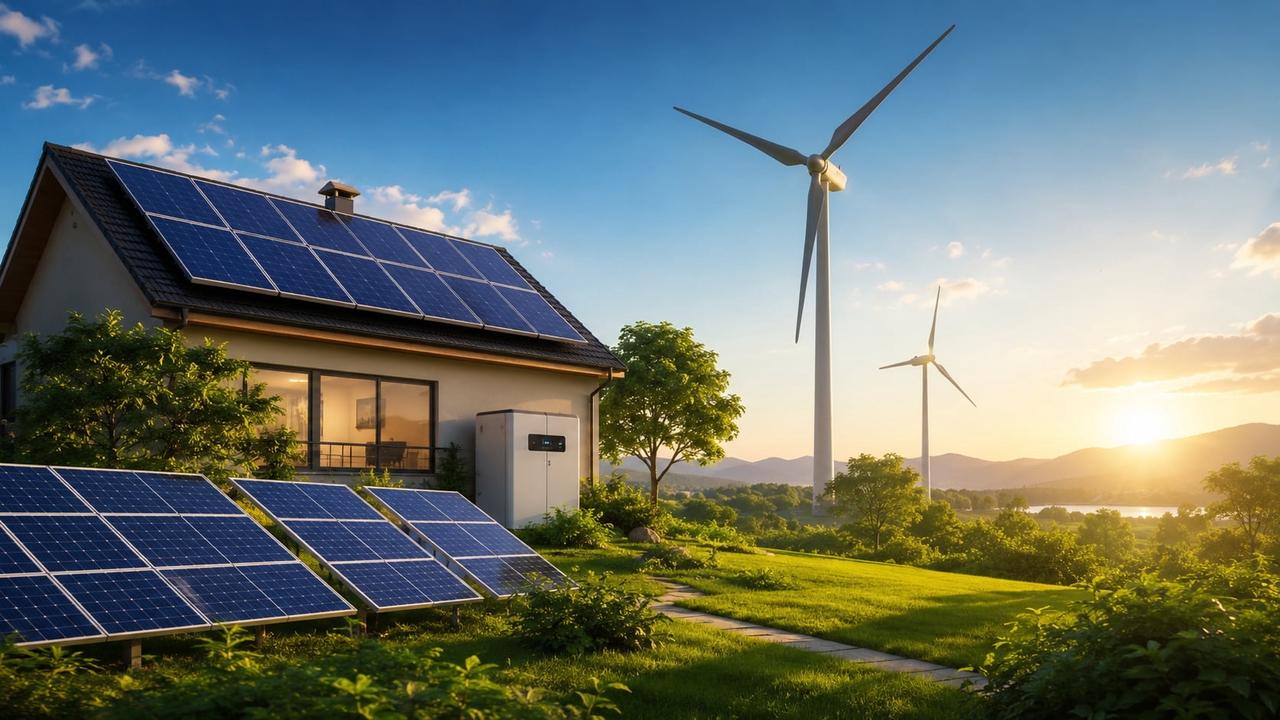
Green power is electricity generated from renewable sources with minimal environmental impact. It comes from natural resources that replenish over time. This includes solar, wind, hydro, geothermal, and biomass energy. In Australia, solar power is the most common form of green power. This is due to the country's strong sunlight. Rooftop solar adoption also continues to grow rapidly across the nation.
Many people confuse renewable energy with green power. They are similar but not quite the same thing. All infinite resources are renewable energy. Some renewable sources still have a local environmental impact. Green energy is the cleanest kind of renewable energy. It provides the greatest environmental benefits. It does not emit greenhouse gases. By selecting green power, you are helping to protect the unique Australian landscape.
The benefits of switching to green power solutions
Switching to green power solutions delivers benefits that go well beyond good intentions. For Australian homes, the case is practical, financial, and long-term.
Environmental impact
Green power reduces air pollution and cuts greenhouse gas emissions. It helps Australia to be less dependent on coal and gas-powered electricity. The switch to cleaner energy sources, such as solar and wind, also advances national sustainability goals and protects natural ecosystems for future generations.
Financial savings
Green power can lower your electricity bills over time. By using solar and smart battery storage, you buy less power from the grid, especially during peak pricing. Many Australian households save hundreds of dollars each year on energy costs.
Energy independence
Green power gives households greater control over electricity use and reliability. Solar panels combined with battery storage reduce dependence on the grid. They also provide backup power during outages. This is especially valuable during storms, heatwaves, and other extreme weather conditions in Australia.
Types of green power sources
Australia has access to a diverse mix of green power sources. From rooftop solar to wind farms and beyond, here's a breakdown of the main types. Each one plays a role in powering homes and communities across the country.
Solar power
Solar power converts sunlight into electricity using photovoltaic panels or concentrated solar systems. It is Australia's most popular green energy source because of the strong sunlight conditions across the country. Homes with solar systems can lower electricity costs while reducing dependence on fossil fuel energy.
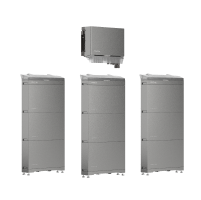
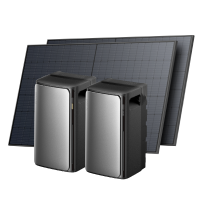
Maximizing green solar power energy is not only about generation but also about storage and self-consumption. The EcoFlow OCEAN 2 Plus Single-phase home battery boosts solar efficiency by storing excess energy generated during the day for later use. The system also greatly increases your solar self-consumption. This allows homes to reduce grid dependency and maximize clean energy savings.
Wind energy
Wind energy generates electricity through turbines that convert the kinetic energy of moving air into mechanical power. Wind farms can be built onshore or offshore. Offshore installations often produce higher and more consistent energy output. Wind power is highly sustainable because it does not require fuel combustion. It also produces no direct greenhouse gas emissions during operation.
Geothermal
Geothermal energy uses heat stored beneath the Earth's surface to generate electricity or provide direct heating. Power plants draw on underground reservoirs of steam or hot water to drive turbines and generate electricity. Geothermal systems are highly reliable. They can operate continuously regardless of weather conditions. This makes them an excellent source of stable baseload renewable power.
Hydro-energy
Hydro-energy, or hydropower, is a source of electrical energy derived from running or falling water. Examples of systems used to harness hydropower include dams, river-based plants, and pumped-storage plants. This form of energy is one of the earliest renewable energy sources. It offers high efficiency and dependable electricity generation. It also supports grid stability and energy storage capabilities.
Biogas/Biomass
Biogas and biomass energy systems turn organic waste into usable electricity or heat. Typical sources include agricultural waste, animal manure, food waste, and plant material. These systems are an effective way to achieve cleaner, more sustainable energy production, decreasing landfill waste, and generating renewable energy.
How to participate and maximize your energy
You can support clean energy in several ways. Choosing the right path depends on your living situation and budget.
Green Power Programs
You can simply switch to a GreenPower plan through your electricity retailer. They match the power you use with clean energy from accredited renewable projects. It's an easy way to support extra green energy without changing anything at home.
Community Solar
Join a community solar farm. You buy or subscribe to a share of a large solar project. Clean energy feeds into the grid and reduces your bill. It's perfect for renters and apartment dwellers.
Renewable Energy Certificates (RECs)
Renewable Energy Certificates increase the amount of clean electricity across Australia. RECs are purchased by businesses and households to support renewable energy projects. That will spur more demand for cleaner electricity and spur more investment in solar, wind, and other green power.
Self-generation
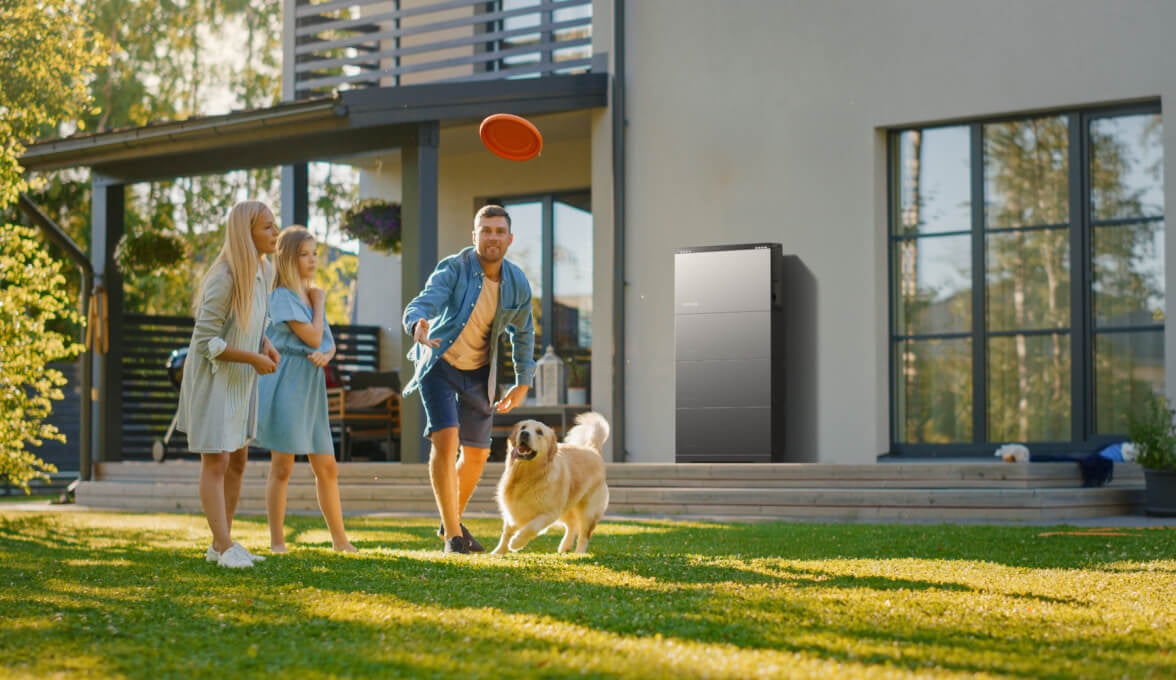
The most impactful way is generating your own clean energy on-site with rooftop solar panels. This gives you direct control and the biggest savings. For example, the EcoFlow OCEAN 2 Plus Single-Phase Home Battery is the natural next step after going solar. It stores surplus daytime generation. Then, it powers your home through the evening, overnight, and during outages.
Monitor and optimize what you generate
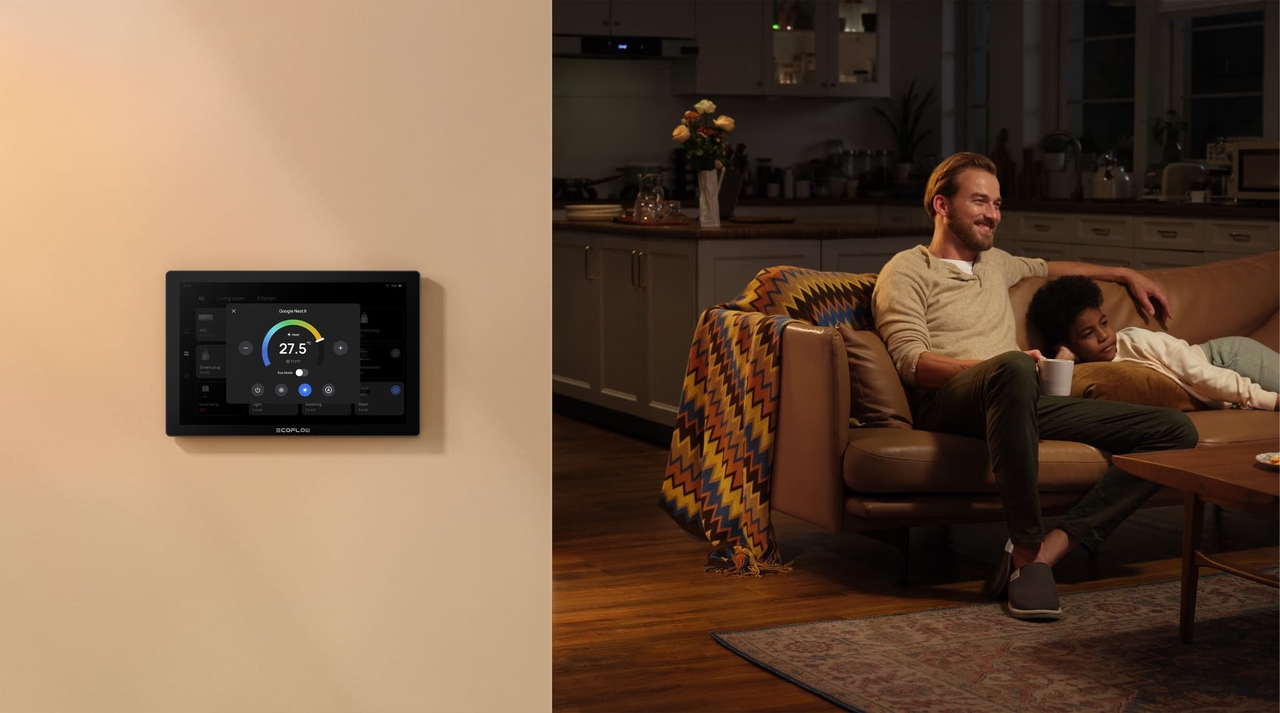
Participating in green power energy is important, but maximizing your energy usage creates even greater value. Real-time monitoring helps households track how much solar energy is produced, stored, and consumed throughout the day. Shifting high-draw appliances to peak solar hours can significantly improve energy savings, while responding to changing electricity tariffs becomes much easier with access to live energy data. Smart home energy management solutions, such as the EcoFlow PowerInsight 2 Monitor, can provide a clearer overview of household energy performance through real-time monitoring and visualized energy insights.
Ready to create a greener and more energy-efficient home? Book a free consultation with our energy experts today to discover smart green power solutions.
Schedule Your Free Consultation Today!
What kind of product or solution are you interested in?
Case studies: Green power in action
Green power isn't just a theory — real Australian households, schools, and communities are already cutting costs and emissions. Here's how green power solutions are being put to work across the country.
Residential success
Many Australian families are seeing great results with solar and battery storage solutions, such as the EcoFlow OCEAN 2 Plus Single-phase. These homes drastically reduce their reliance on the grid in the hot summer months when air conditioners are working hard. During the day, these systems store solar power and provide reliable energy at night and during outages. Families are saving money on their bills and enjoying peace of mind when the grid struggles.
Australian education initiatives
Schools, universities, and training centers across Australia are leading the way. Solar panels and battery storage systems are being installed to cut the cost of electricity. These green installations are used to teach students about clean energy and to meet sustainability goals. From Sydney to Perth, schools are cutting their carbon footprints and creating real-world examples of green power in action.
Community projects
Local Australian microgrids are making a real difference in rural areas. Communities are combining solar, wind, and battery storage to create reliable green power systems. These setups provide backup power during storms and outages, improving energy resilience for towns far from the main grid. Families and businesses enjoy more stable electricity while supporting a cleaner future.
Conclusion
Green power is no longer a niche choice or a future aspiration. It is a practical, accessible, and cost-effective way for Australian households to take control of their energy. The pathway to cleaner and more independent energy has never been clearer. It starts with understanding the difference between renewable energy and certified green power. From there, you simply choose the right solar-plus-storage system for your home. For households ready to go beyond the basics, a complete green power ecosystem is available. You can combine rooftop solar, the EcoFlow OCEAN 2 Plus Single-Phase Home Battery, and the EcoFlow PowerInsight 2 monitor. This integrated setup lets you generate, store, manage, and optimize your energy all in one place.
FAQs
What is the difference between green power and renewable energy?
Renewable energy comes from naturally replenished sources like solar, wind, and hydro. Green power is a cleaner category of renewable energy. It focuses on electricity sources with lower environmental impact, lower emissions, and stronger sustainability standards than some large-scale renewable projects.
Is nuclear power considered green energy?
Nuclear power does not produce carbon emissions, but it creates radioactive waste and mining impacts. Because of this waste and potential environmental risks, most global standards do not include nuclear power under the definition of green energy.
Can I go fully off-grid with green power?
Yes. A correctly sized solar array, sufficient battery storage, such as the EcoFlow OCEAN 2 Plus Single-phase, scalable up to 300 kWh, and a backup source can make full off-grid living achievable for many Australian households.
Can renters participate in green power?
Yes. Renters can opt into GreenPower-accredited energy plans through their retailer or subscribe to community solar schemes for bill credits. Some renters may also negotiate rooftop solar installations directly with their landlord.
What are the main types of green power?
The main types of green power include solar, wind, hydro, geothermal, and biomass energy. In Australia, solar power remains the most widely used option. Strong sunlight conditions, lower installation costs, and growing demand for cleaner household energy continue driving solar adoption nationwide.