Granny Flat Cost in Australia: Energy Considerations for Creating an Efficient Independent Living Space
Building a granny flat in Australia can typically cost between $100,000 and $250,000+, depending on size, finishes, location, and council requirements. But once it’s built, electricity bills can eat into your returns. A well-designed solar and battery system can significantly reduce grid dependence and help homeowners cut electricity costs over time, especially as energy prices continue to rise.
This guide covers realistic build budgets, what actually drives power usage in a granny flat, and how smart energy choices can turn a basic secondary dwelling into a low‑cost, eco‑friendly setup.
Key Takeaways
Upfront vs Operating Costs: Build costs for a standard 60m² granny flat usually land between $120,000 and $200,000. But what you pay to run it depends on how you heat, cool, and heat water.
Solar & Storage Synergy: Adding solar and battery storage, such as the EcoFlow OCEAN 2 Plus Single Phase, can help granny flats increase solar self-consumption, better manage electricity usage, and improve energy flexibility for residents.
Smart Energy Visibility: A user-friendly system like the EcoFlow PowerInsight 2 helps residents monitor household energy usage more easily, without requiring complex controls or technical knowledge.
Future‑Proofing Matters: Pre‑wire for EV chargers, heat pumps, and induction cooktops while you’re building, it saves you from costly rewiring work later on.
What Determines the Cost of Building a Granny Flat in Australia?
Before you lay a brick or pour any concrete, it’s worth knowing where your construction budget’s actually going. From council approvals to insulation ratings, the final cost can vary a fair bit depending on which state you’re in.
Typical granny flat construction costs
In most Aussie capitals, a turnkey granny flat will set you back anywhere from $100,000 to over $250,000. Flat‑pack kits look cheap – some start around $40,000 – but once you add the slab, plumbing, sparky work, and council sign‑off, you’re looking at $120,000 for a realistic entry‑level build. A mid‑range custom job runs $160,000 to $200,000, and that gets you decent quality and a good energy rating.
Construction size, layout and design choices
Granny flat size limits and planning requirements vary by state, territory and local authority. In NSW, for example, planning rules commonly allow secondary dwellings of up to 60 square metres under applicable conditions, but homeowners should check the requirements for their specific site before finalising a design. A standard 60m² two‑bedroom layout gives you the most livable space, but the final build cost depends on the finishes. Raked ceilings, custom joinery, a tiled verandah, or double‑glazed windows can all push the quote up or down.
Location, approvals and site preparation requirements
Site conditions heavily dictate initial outlay. Sloped blocks requiring retaining walls or piers, reactive clay soils, or properties located in bushfire-prone areas (BAL rated) or flood overlays require specialized engineering. Furthermore, local council fees, sewer connection points, and boundary setback mandates vary from Sydney’s inner suburbs to regional Victoria.
Energy features that influence granny flat costs
Energy-efficiency requirements under the NCC, together with state-specific frameworks such as BASIX in NSW, influence the thermal performance and energy features of new secondary dwellings. High-efficiency split systems, heat pump hot water, double glazing, and rooftop solar may increase upfront costs, but they can improve comfort and energy performance over the lifetime of the dwelling. When planning these upgrades, homeowners should also factor in the cost of battery storage, including equipment, installation and future energy needs.
Table: Main Factors Affecting Granny Flat Costs in Australia
| Cost Category | Typical Price Range (AUD) | Key Cost Drivers & Considerations |
|---|---|---|
| Basic Kit / Prefab Build | $50,000 – $90,000 | Excludes site works, utility hookups, council fees, and finishings. |
| Turnkey Standard (60m²) | $130,000 – $190,000 | Includes site prep, standard finishes, council approvals, basic appliances. |
| Premium Custom Build | $200,000 – $280,000+ (depending on design complexity and site requirements) | High-end architectural finishes, BAL compliance, smart energy tech. |
| Site Prep & Services | Typical range: $10,000–$30,000+ | Soil testing, trenching utilities, sewer connections, earthmoving. |
| Energy System Upgrades | $8,000 – $20,000 | Solar PV, battery storage, efficient appliances and smart energy management solutions depending on system size and requirements |
Note: Granny flat construction costs and energy upgrade expenses can vary significantly depending on location, design choices, site conditions, installer rates and household energy requirements. The figures provided are general estimates only and should be used as a guide rather than a fixed quote.
How Much Does It Cost to Run a Granny Flat?
If your granny flat’s a proper standalone home, you’ll have all the usual gear – air con, hot water, induction cooktop, and maybe an EV charger down the track. All that pulls a lot of power. Stick with just the grid and you’re at the mercy of whatever the electricity companies charge. But get solar and a battery in from the start, and you can keep a lid on running costs, rely less on the grid, and save yourself from having to upgrade the switchboard later.
What drives granny flat electricity use?
Heating, cooling and hot water are among the largest contributors to household energy consumption in Australia. In a granny flat, these loads can have a noticeable impact on electricity usage, especially during periods of extreme weather.
How rooftop solar can reduce electricity costs
A 3kW to 6kW solar array is a common residential setup in Australia and can help generate renewable electricity during daylight hours. Solar generation can help supply daytime household loads such as air conditioning, refrigeration and cooking appliances, reducing the amount of electricity needed from the grid.
When battery storage makes sense for a granny flat
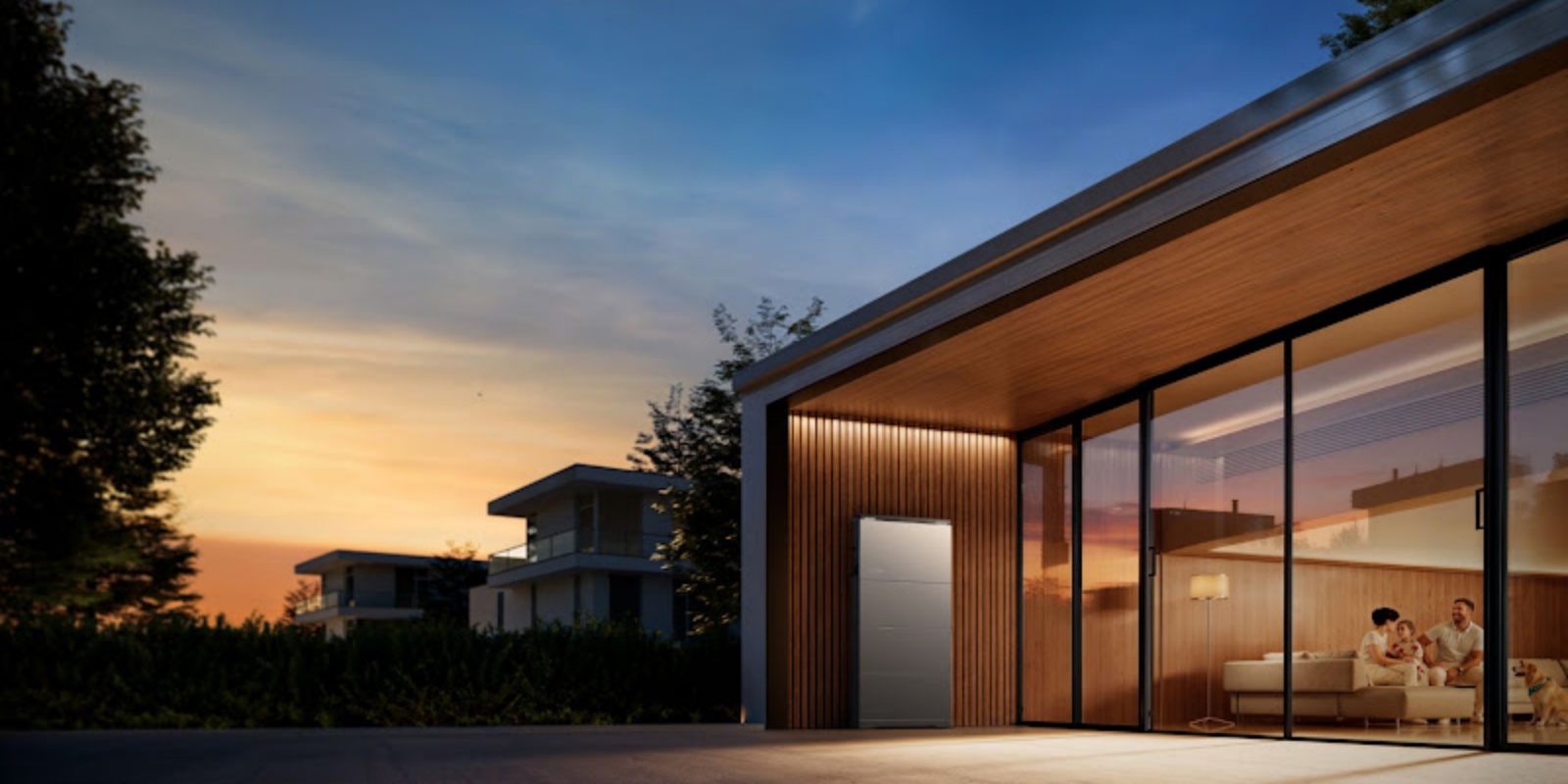
Solar peaks in the middle of the day when you’re probably not home or using much power. Without a battery, surplus solar is typically exported to the grid at the applicable feed-in tariff, which may be lower than the retail electricity rate paid for energy imported later in the day. Add a battery and you can store that daytime energy to run things in the evening – cooking, cooling, heating overnight.
When you’re designing a granny flat for the long haul, battery storage gives you the right mix of flexibility and room to grow. A system like the EcoFlow OCEAN 2 Plus Single Phase can integrate with a solar setup to improve energy flexibility. With suitable system sizing, battery storage allows homeowners to store excess solar generation and use it later when household demand increases, helping reduce dependence on grid electricity.
What Smart Energy Features Improve Granny Flat Efficiency?
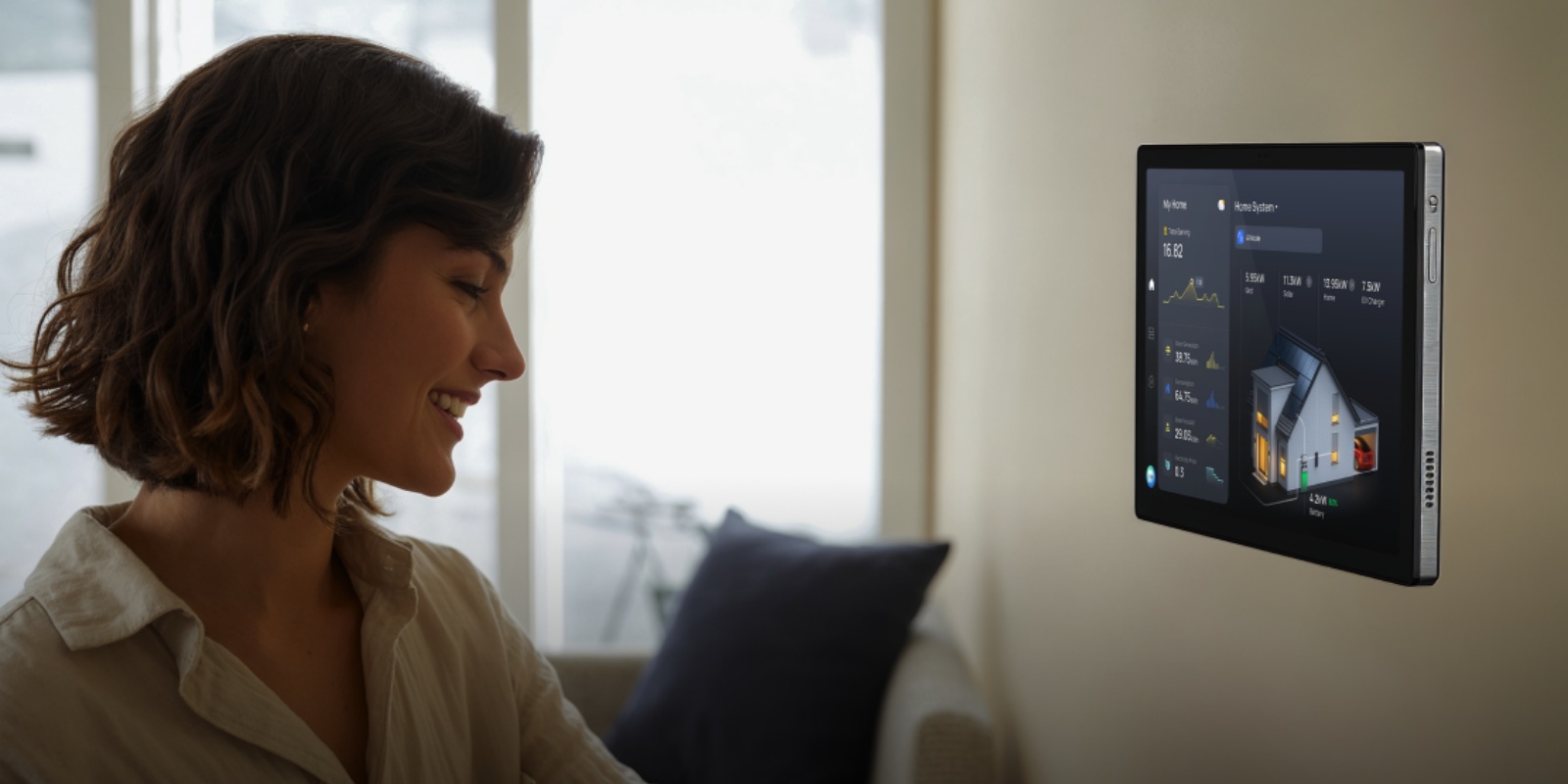
When your granny flat has elderly parents or long‑term tenants living in it, simple energy management makes a big difference to everyday comfort. They need an easy way to see what’s going on – check daily usage, see what the solar’s doing, and keep an eye on the battery – without having to navigate confusing menus or touch the switchboard.
Real-time energy monitoring for better electricity awareness
A live energy dashboard shows you exactly where your power’s going. You can spot the high‑draw appliances straight away, which makes it easy to change up habits – like running the washing machine when the sun’s cranking.
Intelligent management of solar, battery and household energy
Smart energy management can help automate energy decisions, such as when to use solar generation, when to charge the battery, and when to draw electricity from the grid based on available tariffs and household needs. By connecting solar generation, battery storage and household energy controls into a Home Energy Ecosystem, homeowners can create a more coordinated approach to managing electricity use and improving everyday efficiency.
Simple energy control for comfortable independent living
A simple touchscreen makes it easy for older residents or tenants to control heating, cooling, and lighting without any fuss.
Smart energy tools help you stay on top of your power use. A central hub like the EcoFlow PowerInsight 2 puts everything in one place – battery levels, solar output, and home controls – on a clean, straightforward touchscreen that’s built for everyday life.
How Should Homeowners Plan a Future-Ready Energy System for a Granny Flat?
A little forward thinking during the architectural design phase can help reduce potential retrofitting costs later on.
Planning energy needs before construction
Map out realistic occupant lifestyle requirements early. Will the granny flat house a retired couple using steady daytime power, or a remote worker running multiple computers and aircon units? Identifying peak power windows guides accurate electrical system sizing.
Choosing scalable solar and battery capacity
Energy needs don’t stay the same forever. Going with modular, expandable solar and battery gear means you can start with a standard setup and add more later as your needs grow without having to rip everything out and start again. Choosing the right EcoFlow Solar Battery can also help homeowners build a more flexible energy system that supports changing electricity needs as the granny flat is used over time.
Preparing for future home electrification
Many Australian households are moving toward all-electric homes as heat pumps, induction cooking, and EV charging become more common. So it pays to wire your granny flat for an all‑electric future: put in a dedicated 32A circuit for EV charging, go with a heat pump for hot water, and fit an induction cooktop. This approach can make future electrification upgrades easier to manage.
Is an Energy-Efficient Granny Flat Worth the Additional Investment?
Investing in energy efficiency upfront can help reduce ongoing energy use and improve indoor comfort. Features such as good insulation, efficient appliances, solar and battery storage may also improve the long-term appeal and usability of the property.
Comparing upfront costs with long-term savings
| Comparison Aspect | Traditional Standard Build | Energy-Efficient Build |
|---|---|---|
| Upfront Capital Outlay | Lower baseline construction cost ($120k–$150k) | Moderate additional investment depending on upgrades, such as solar, battery storage, insulation and efficient appliances |
| Quarterly Power Bills | Higher ongoing electricity costs depending on usage and tariffs | Potentially lower electricity costs with solar, battery storage and efficient appliances |
| Thermal Comfort & Climate | Prone to rapid heat loss/gain; heavily reliant on HVAC | Improved indoor comfort with better temperature stability throughout the year |
| Environmental Footprint | Higher carbon footprint via grid power mix | Lower potential emissions through greater use of renewable energy |
| Property Resale & Rental Appeal | Standard secondary dwelling value | Potentially stronger appeal among tenants and buyers looking for energy-efficient homes |
Improving comfort through energy efficiency
Good insulation, double-glazed windows, and smart climate control keep the place comfortable through blistering summer days and freezing winter mornings. These upgrades are also key features of energy efficient homes, helping households reduce ongoing energy consumption while improving indoor comfort. And lower power bills take the stress out of running it, so it’s a genuinely comfortable space to live in.
Increasing long-term property value and usability
An energy‑efficient granny flat is easier to rent out, attracts better tenants who’ll pay a bit more for lower bills, and gives you flexibility whether it’s for aging parents, adult kids, or a home office setup.
Schedule Your Free Consultation Today!
What kind of product or solution are you interested in?

Conclusion
Building a granny flat is one of the smartest ways to add extra living space and bump up your property’s value. But the real success of a secondary dwelling comes down to how comfortable it is to live in and what it costs to run. Get the thermal design right, put solar on the roof, and add decent battery storage – like the EcoFlow OCEAN 2 Plus Single Phase with the PowerInsight 2 for easy monitoring – and you can create a more energy-efficient living space that improves comfort, supports lower electricity consumption, and provides greater flexibility for future energy needs.
FAQ
How much does a granny flat cost in Australia?
Building a granny flat in Australia will usually cost between $100,000 and $250,000+, depending on size, finishes, and site conditions. Basic kit homes start lower – around $50,000 before installation – while high‑end custom 60m² designs with eco‑friendly features can push up towards the top end.
How much electricity does a granny flat use?
A typical 1 to 2-bedroom granny flat may use several kilowatt-hours of electricity per day, depending on occupancy, appliance usage, climate conditions and heating or cooling requirements. Actual usage depends on heating and cooling habits, the type of hot water system, appliance ratings, and the time of year.
Do I need a separate meter for my granny flat?
Whether a separate meter is required depends on the property’s electrical configuration, local requirements and how electricity costs will be managed. For rented granny flats, a separate meter or suitable sub-metering arrangement can make it easier to measure electricity use accurately. Installing a sub‑meter or smart monitoring setup makes it much easier to split power costs accurately between the main house and the granny flat.
Can solar panels power a granny flat?
Solar panels can supply a significant share of a granny flat’s daytime electricity needs, but actual generation depends on system size, location, roof orientation, shading, weather and household demand. A suitably designed solar system may help cover loads such as lighting, refrigeration and air conditioning during periods of strong solar generation.
Is battery storage worth adding to a granny flat?
Yes, if you want to save daytime solar for evening use and cut your reliance on the grid. Storage means you can use more of your own solar energy, improve resilience during some power outages when configured with suitable backup capability, and better manage electricity costs.