EnergyAustralia Plans and Electricity Tariffs Explained for Home Battery Storage
A Time-of-Use tariff can work well with a home battery when there is a clear gap between peak and off-peak electricity rates and the household has sufficient evening electricity demand to use stored energy effectively. The battery can store excess solar during the day or, where the plan allows, charge from the grid during cheaper periods, then supply the home when electricity prices are higher. The actual savings depend on the tariff structure, household usage and how the battery is operated.
This guide runs through how EnergyAustralia’s plans and tariffs work with battery storage, which plan features actually matter, and how Australian households can make smart moves to cut their energy bills.
Key Takeaways
Tariff selection affects battery payback: A Time-of-Use tariff can create savings opportunities when there is a meaningful price difference between peak and off-peak rates and the household can shift energy use effectively.
Feed-in tariffs affect the value of solar exports: When a plan offers a relatively low feed-in tariff, using more solar energy at home can be more valuable than exporting it. The exact export rate varies by retailer, state, network and electricity plan.
Balance fixed and variable rates: Daily supply charges continue to apply regardless of battery capacity; compare total annual costs rather than single kWh rates.
Smart hardware enhances automation: Utilising intelligent management hardware and monitoring tools helps automate charge schedules around shifting network pricing.
Why EnergyAustralia Plans Matter for Home Battery Storage
Investing in a home battery is one option for households looking to increase energy independence and better manage electricity costs. Without an electricity plan aligned to your system’s capabilities, some households may not fully utilise their available battery capacity.
Relationship Between Electricity Tariffs and Battery Savings
Electricity tariffs set the price you pay for every kilowatt‑hour you pull from the grid. On a standard flat-rate plan, electricity prices remain consistent throughout the day, meaning the value of stored energy is generally based on the difference between the retail electricity rate and the cost of generating or storing that energy.
With a dynamic or Time‑of‑Use tariff, prices go up and down throughout the day. When grid rates spike in the late afternoon and evening, the value of every kilowatt‑hour from your battery jumps. A larger difference between off-peak and peak prices can improve the potential value of battery cycling, although the overall payback period also depends on battery cost, system efficiency, electricity usage and tariff conditions.
Impact of EnergyAustralia Plans on Solar Self-Consumption
The value of exporting surplus solar has changed as feed-in rates have become less generous on many retail plans. For households with a battery, this can make self-consumption more attractive, particularly when the electricity rate avoided by using stored energy is significantly higher than the feed-in credit available for exports. However, the best approach depends on the specific rates and battery efficiency of each system. For Queensland readers, a solar feed in tariff qld comparison can provide useful local context before selecting a plan.
EnergyAustralia plans reflect this reality. When exporting surplus solar provides a relatively low credit, storing more solar energy for later household use may become a more attractive option, depending on battery costs, usage patterns and tariff conditions. A tailored plan ensures that your solar generation serves your high-draw appliances first, charges your storage reserve second, and only exports excess energy once domestic reserves are completely topped up. Pairing the plan with an EcoFlow Solar Battery can help households retain more solar energy for use when grid prices are higher.

What EnergyAustralia Plan Features Should Battery Owners Compare?
Evaluating energy plans requires looking beyond catchy headline discounts. A thorough comparison of specific pricing components helps avoid hidden costs and underperforming setups.
Electricity Usage Rates and Peak Pricing Periods
Retailers divide electricity pricing into distinct time blocks (or tariff periods). For battery owners, understanding the duration of these windows is crucial for sizing usable storage.
| Tariff Period | Typical Pattern | Relative Price Level | Possible Battery Strategy |
|---|---|---|---|
| Peak | Often concentrated in higher-demand periods, such as evenings | Usually higher | Use stored energy to reduce grid purchases during expensive periods |
| Shoulder | Transitional periods between peak and off-peak pricing | Usually moderate | Prioritise direct solar use and flexible battery charging |
| Off-Peak | Lower-demand periods defined by the retailer and network | Usually lower | Consider charging strategies where the tariff and battery settings make financial sense |
Note: Actual peak, shoulder and off-peak periods vary by EnergyAustralia plan, distribution network and meter configuration.
Solar Feed-In Tariffs and Export Rates
EnergyAustralia’s solar feed-in rates vary by plan, location and eligibility requirements. Some plans may offer a higher rate for eligible solar exports, while others may use a simpler single-rate structure or apply conditions to higher export credits. Before choosing a plan, check the current Energy Price Fact Sheet to confirm the feed-in rate, any daily or monthly export limits and the conditions attached to the offer.
Daily Supply Charges and Fixed Energy Costs
The daily supply charge is a flat rate billed every single day for maintaining the connection to the electrical grid, regardless of zero consumption days. Even when a battery covers most of a home’s electricity demand, the daily supply charge still applies. A plan with a lower usage rate but a substantially higher fixed charge may therefore cost more overall. Comparing agl energy rates can also provide useful context when assessing how fixed and variable charges differ between retailers.
How to Choose an EnergyAustralia Plan for Your Home Battery System?
Finding the right electricity plan requires matching retailer offerings with the practical demands of your lifestyle and property.
Match Energy Plans With Household Consumption Patterns
Every household has a distinct consumption profile that dictates the best tariff choice:
Evening-Heavy Households: Families running heavy appliances, cooling, or cooking primarily between 5:00 PM and 9:00 PM benefit most from Time-of-Use tariffs, as the battery directly bridges the high-cost grid window.
Daytime-Active Households: Homes with remote workers or continuous daytime loads already consume solar generation live, meaning grid reliance during evening peak windows is naturally lower and tariff arbitrage yield may be smaller.
Select Energy Plans That Support Battery Charging and Savings
When Australian households evaluate an EnergyAustralia tariff plan, ensuring the battery system interacts smoothly with peak/off-peak price signals and daily solar patterns is essential. A connected Home Energy Ecosystem can help coordinate battery operation with changing household demand and tariff periods.
If your battery system supports scheduled charging and discharging, you can adjust its operation to match the tariff rather than relying on a fixed charging pattern. The EcoFlow OCEAN 2 Plus Single Phase is designed to give homeowners greater control over solar generation, battery storage and grid interaction, which can be useful when managing different electricity price periods.
Compare Total Energy Costs Instead of Individual Rates
A plan marketing an exceptionally high solar feed-in credit might compensate by charging inflated peak rates or higher daily supply fees. Because Australian residential solar systems generally prioritise on-site solar consumption before measuring electricity exported to the grid, households should compare how much energy they use directly versus export when evaluating battery value.
Run the numbers using historical billing statements with this formula:
Estimated Annual Electricity Cost = Annual Supply Charges + (Grid Peak Imports × Peak Rate) + (Grid Shoulder Imports × Shoulder Rate) + (Grid Off-Peak Imports × Off-Peak Rate) − (Surplus Solar Exports × Feed-in Rate)
Note: “Imports” refers strictly to net electricity drawn from the grid after solar self-consumption and battery discharge have been exhausted, not total household consumption. For a more realistic battery comparison, factor in round-trip efficiency losses, battery degradation, cycling limits and any VPP payments.
How Can Home Batteries Maximise Savings With EnergyAustralia Plans?
Extracting the highest value from your storage hardware comes down to proactive energy orchestration throughout the day.
Use Stored Solar to Avoid Evening Peak Rates
Peak shaving is one of the main factors that can influence battery value for households on suitable tariff structures. As solar generation tapers off in the late afternoon, an automated battery discharge profile can help supply household loads using stored energy during higher-priced periods.
Optimise Charge/Discharge Schedule Around Time-of-Use Tariffs
During periods of low solar generation, relying only on rooftop solar may leave the battery with less stored energy for the evening. If the electricity plan offers sufficiently low off-peak rates and the battery system supports grid charging, a scheduled recharge during those lower-priced periods may be worth considering. The potential benefit depends on the difference between the charging rate and the rate the battery helps you avoid later.
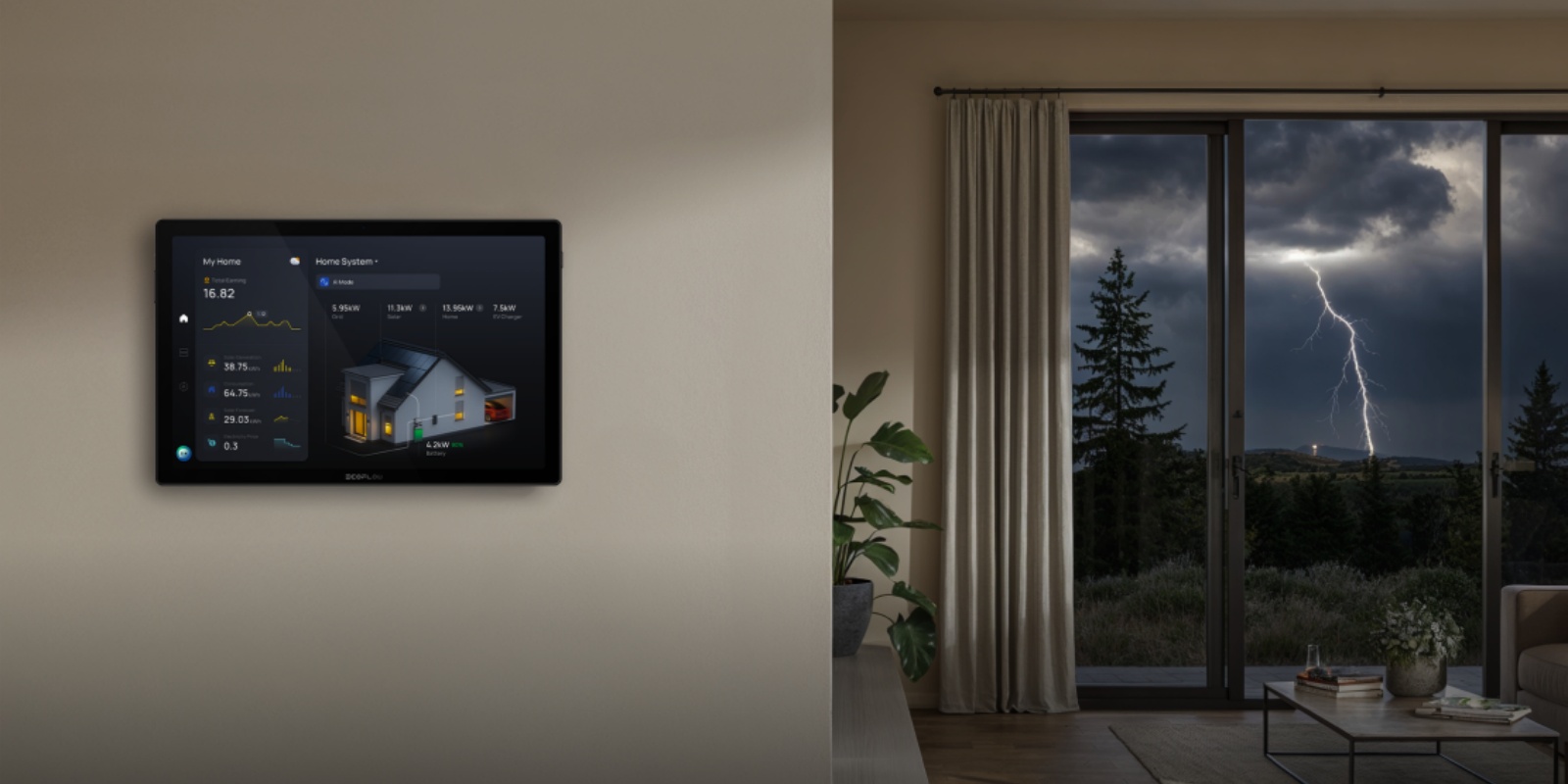
Homes on Time-of-Use tariffs need clear visibility into their real-time consumption trends to capitalise on these price differentials. Integrating the EcoFlow PowerInsight 2 gives homeowners an intuitive, comprehensive view of whole-home energy flows. This visibility can help homeowners understand when electricity is being used, identify high-consumption periods and adjust battery settings or household usage accordingly.
What Should You Check Before Switching EnergyAustralia Plans?
Before locking in a new contract or tariff change, taking time to verify contract specifics ensures a smooth transition without unexpected bill shocks.
Review Contract Terms and Electricity Rate Changes
EnergyAustralia plans can have different pricing structures and contract terms, so don’t assume that a plan labelled as fixed will keep every component of your bill unchanged. Check the current Energy Price Fact Sheet or Basic Plan Information Document for the applicable rates, review dates, notice periods and any conditions that may affect future charges.
Check VPP or Plan Compatibility With Your Storage System
Some retail offers or Virtual Power Plant (VPP) programmes require specific certified battery inverters and communication protocols to enable automated grid support events. Confirm that your hardware meets network integration standards and inverter approvals with your local distributor before enrolling in specialized participation plans.
Consider Future Household Energy Needs and Electrification
Planning for future home upgrades prevents frequent contract switching. If you plan to add an electric vehicle, upgrade to an electric heat pump hot water system, or swap gas cooking for induction within the next 12 months, factor those added kilowatt-hours into your tariff calculations today.
Schedule Your Free Consultation Today!
What kind of product or solution are you interested in?
Conclusion
Getting the most out of your solar battery comes down to pairing a suitable battery system with a tariff structure that supports flexible energy use. EnergyAustralia’s Time‑of‑Use plans and solar‑friendly packages give you a framework for cutting bills, but potential savings depend on monitoring energy flows, understanding tariff structures and adjusting battery operation where appropriate. With smart hardware that handles charging around peak times and puts clean power first, Australian homeowners can put together a domestic energy setup that’s reliable and cost‑effective in the long run.
FAQ
Do you need a smart meter for time‑of‑use tariffs?
Yes, most Time-of-Use tariffs require an interval meter (often referred to as a smart meter) so electricity usage can be measured across different time periods. That’s how your retailer can apply peak, shoulder, and off‑peak rates to your bill.
Which tariff type saves the most with a home battery?
Time‑of‑Use tariffs usually give you the biggest savings when you’ve got a battery. They let you dodge those premium peak rates and make the most of the price gap between day and night.
What is a solar feed‑in tariff and how does it affect battery savings?
It is the credit received for exporting excess solar to the grid. In many Australian markets, solar feed-in rates are lower than household electricity purchase rates, meaning self-consuming stored solar can sometimes provide greater financial value than exporting excess generation. The outcome depends on the specific retailer plan, export rate and household consumption profile.
Does EnergyAustralia charge exit fees for plan switching?
EnergyAustralia generally does not charge exit fees for standard residential electricity plans, but customers should check the specific terms of their current contract before switching.
Keep in mind: While the retailer charges no exit penalties, your local electricity distributor (DNSP) may still apply standard administrative fees if a manual final meter read, physical disconnection, or special move-out service is required when moving premises.