Energy Storage Systems: What Are They and How They Work
Australia needs a lot more storage, and fast. The Australian Energy Market Operator (AEMO) forecasts the country will need at least 22 GW of storage capacity by 2030. Right now it has around 3 GW. The gap is real, and closing it matters for every household connected to the grid.
But energy storage is not just a grid-scale concern. Over 250,000 Australian homes have now installed a home battery backup system, up sharply since the federal Cheaper Home Batteries Program launched in mid-2025. For households with rooftop solar, storage changes what that solar is worth.
This guide covers the energy storage meaning in plain terms. It explains how different storage systems work, the different types of energy storage available, and why the technology matters for Australia's grid and for individual households.
What is energy storage?
Energy storage is the process of capturing energy at one point in time and releasing it at another. The gap between those two moments is what makes storage useful.
Electricity is hard to store in its raw form. Energy has to be converted into something else first. That might be a chemical reaction in a battery. It might be water lifted to a higher elevation. It might be heat absorbed into molten salt. Each approach answers the same problem: how to hold energy in place until it is needed.
The Australian Renewable Energy Agency (ARENA) describes energy storage as a critical enabling technology for the clean energy transition. Solar panels and wind turbines generate power when conditions allow. They cannot generate on demand. Storage bridges that gap.
How do energy storage systems work?
Every energy storage system (ESS) follows the same basic cycle regardless of the technology used.
Charging is when the system absorbs incoming energy. A home battery charges from solar panels during the day. A pumped hydro system uses surplus electricity to pump water uphill. A flywheel spins faster when energy is fed in.
Storing is the holding phase. The energy sits in its converted form, whether chemical, potential, thermal, or kinetic, waiting to be called on.
Discharging is when the stored energy is released back as electricity. The battery sends power to the home. The water flows downhill through a turbine. The flywheel slows and transfers its rotational energy back to the grid.
For home battery systems, an inverter handles the conversion between the two forms of electricity the system uses. Solar panels and battery cells produce direct current (DC). Home appliances and the grid run on alternating current (AC). The inverter switches between them during both charging and discharging. It also decides in real time where power should go, between the solar panels, the battery, the home, and the grid.
Different types of energy storage
The different types of energy storage available today cover a wide range of scales, technologies, and purposes.
Battery Energy Storage Systems (BESS)
Battery storage is the most widely deployed form of energy storage for homes and electric vehicles. It stores energy in chemical form inside battery cells. When the battery discharges, a chemical reaction releases electrons as electrical current.
Lithium-ion is the dominant chemistry for both residential and grid-scale use. It offers high energy density, good round-trip efficiency, and a relatively compact footprint. Lead-acid batteries are older and heavier. They are less efficient and have a shorter lifespan, but they are cheaper upfront and still used in some off-grid applications.

For Australian homes, Lithium Iron Phosphate (LFP) chemistry has become the preferred option within the lithium-ion family. LFP cells are more thermally stable than older NMC formulations. That matters in hot Australian climates where batteries face sustained heat exposure.
Modular home battery systems like EcoFlow PowerOcean deliver on the core value of energy storage: capturing daytime rooftop solar and shifting power consumption to expensive evening peak hours.
Designed specifically for single-phase grid connections, this system utilizes scalable LFP modules. Usable capacity starts from a 5 kWh base unit and can be expanded up to 60 kWh allowing households to match storage size to their actual evening power demand.
Learn more about EcoFlow PowerOcean.
Mechanical Storage
Mechanical storage uses physical forces to hold energy. Three main types are in use or development.
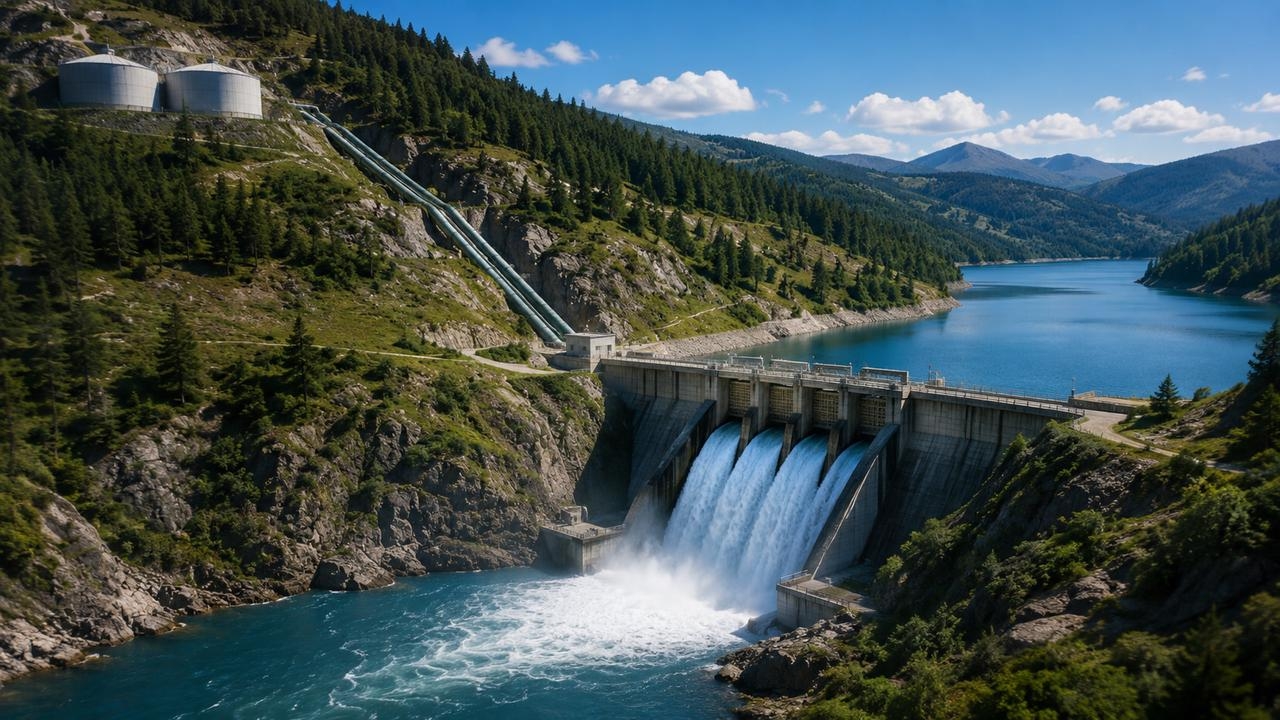
Pumped storage hydro is the most established. Surplus electricity pumps water from a lower reservoir to a higher one. When electricity is needed, the water flows back down through turbines. The Snowy Mountains Hydro Scheme is Australia's most famous example. Pumped hydro can hold energy for days or weeks, making it suitable for seasonal storage that batteries cannot yet match.
Flywheels store energy as rotational kinetic energy in a spinning rotor. They respond to grid signals in milliseconds, which is faster than most batteries. Flywheels are not suited to long-duration storage. They are more useful for short bursts of stabilisation, particularly frequency control services.
Compressed air energy storage pumps air into large underground caverns or pressure vessels during low-demand periods. That compressed air is released through turbines when demand rises. It is a relatively niche technology globally, but it is being explored for long-duration storage applications where geology allows.
Thermal Storage
Thermal storage keeps energy in the form of heat or cold rather than electricity. Molten salt systems are the most commonly discussed example. They are heated using surplus solar energy and can hold that heat for hours. When electricity is needed, the heat is used to produce steam and drive a turbine.
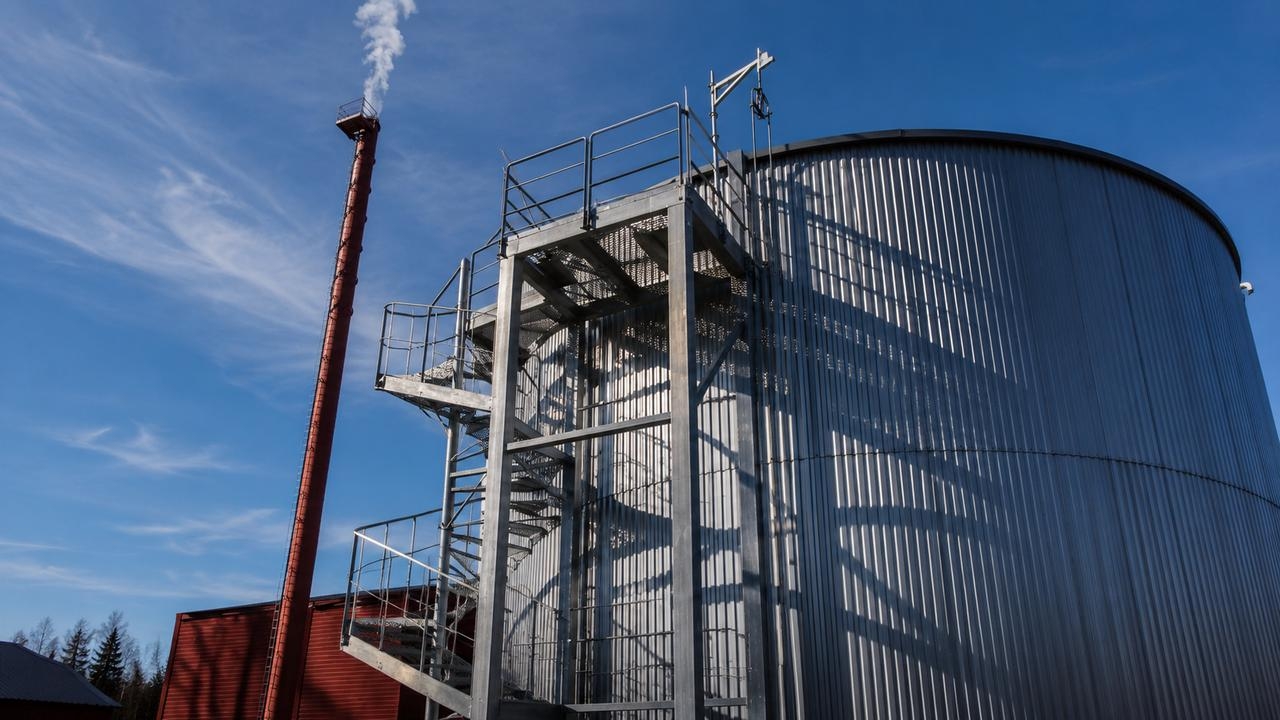
Ice storage works in the opposite direction. Buildings chill water to ice overnight when grid rates are low. During the day, that ice cools the building without drawing expensive peak-rate electricity.
Thermal storage is most cost-effective when the end use is heating or cooling. Converting stored heat back to electricity introduces efficiency losses.
Chemical (Hydrogen)
Green hydrogen is made by using electricity to split water into hydrogen and oxygen through a process called electrolysis. Hydrogen gas can be stored in tanks, transported by pipeline, or converted back to electricity through a fuel cell or turbine when needed.
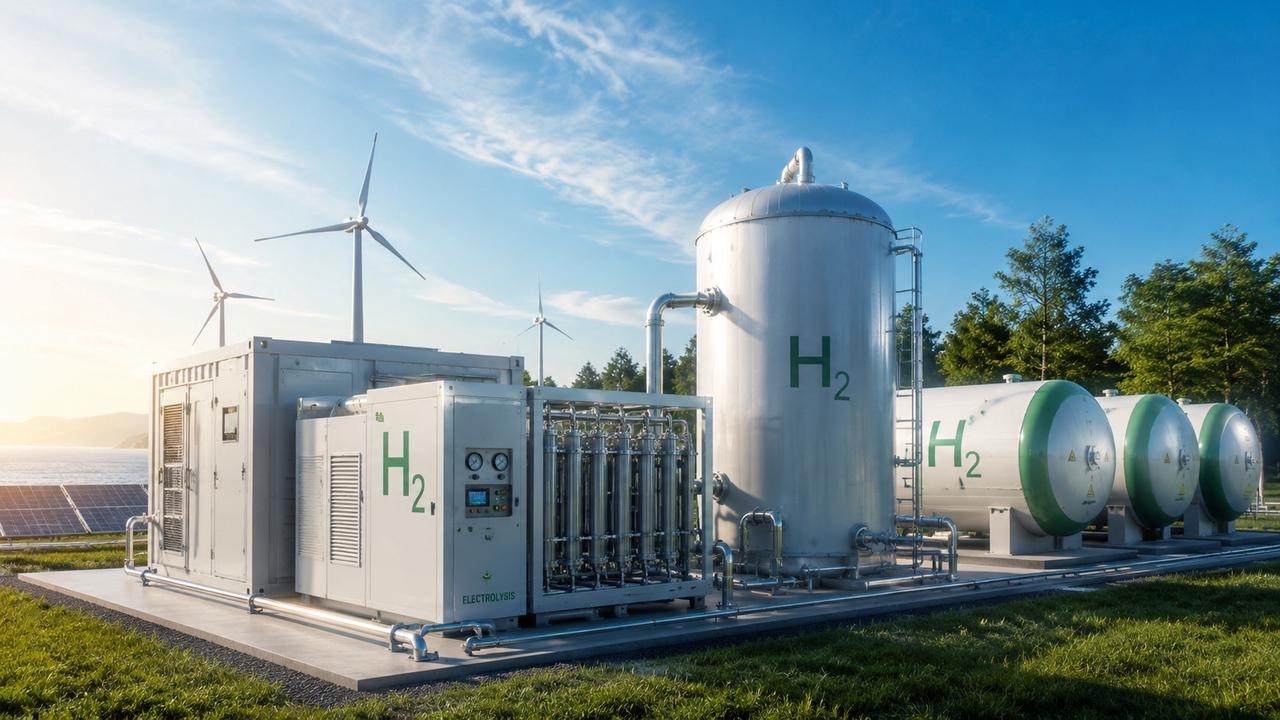
Hydrogen is attractive for long-duration and seasonal storage. It can hold far more energy per kilogram than any battery chemistry currently available. The challenge is efficiency. Each conversion step, from electricity to hydrogen to electricity again, loses energy. The round-trip efficiency of hydrogen storage is currently much lower than that of batteries. Cost is also still high at current scale.
Australia is investing heavily in green hydrogen as a potential export commodity and as a fuel for heavy industry. Its role in residential energy storage is limited for now.
The importance of energy storage
Energy storage functions as a standard buffer for modern power systems and individual properties. It balances daily supply fluctuations, integrates variable renewable generation, and provides measurable operational and financial benefits.
Grid Stability and Reliability
The electricity grid runs on a constant balance between supply and demand. If supply drops or demand spikes, frequency and voltage can shift outside safe ranges. Energy storage responds in fractions of a second to smooth those fluctuations. This was once the job of large spinning turbines in coal and gas plants. As those retire, storage takes on more of that stabilising role.
AEMO's records show renewable penetration in the National Electricity Market reached 72.1% instantaneously in October 2025. At those levels, grid stability depends increasingly on fast-responding storage rather than thermal generation.
Renewable Integration
Solar and wind are variable. They generate when the sun shines and the wind blows. Storage makes their output dispatchable, meaning it can be released when the grid actually needs it. Without storage, surplus renewable generation is wasted or creates negative pricing events. With storage, that surplus can be captured and shifted to high-demand periods. Understanding solar battery storage options helps households see how residential and grid-scale storage connect.
NSW alone has identified a need for 56 GWh of storage by 2030 due to higher-than-expected solar adoption on the grid.
Reduces Environmental Impact
Storage reduces curtailment of renewable generation. When a solar farm cannot export surplus power because the grid is saturated, that energy is wasted. A battery alongside the solar farm captures it instead. Less wasted renewable generation means less fossil fuel needed to fill the gap at other times of day.
At the household level, storing self-generated solar reduces how much carbon-intensive grid electricity the home imports.
Enhancing Energy Independence
For homes and businesses, storage reduces dependence on grid supply. A household with solar and a battery covers more of its own energy needs. This matters most during peak pricing hours and during outages. Australia's grid faces increasing stress from extreme heat events, storms, and the retirement of ageing generation assets.
Cost Savings
Energy storage allows households and businesses to shift when they buy electricity. Charge during cheap off-peak periods. Discharge during expensive peak windows. For households on time-of-use tariffs, this time-shifting reduces the cost of each unit consumed from the grid. A closer look at solar panel installation cost helps households understand the full investment picture before adding storage.
How to choose the right energy storage system
Selecting a home battery requires matching technical specifications to your actual consumption habits. Review these core factors to ensure the system meets your current and future electrical requirements:
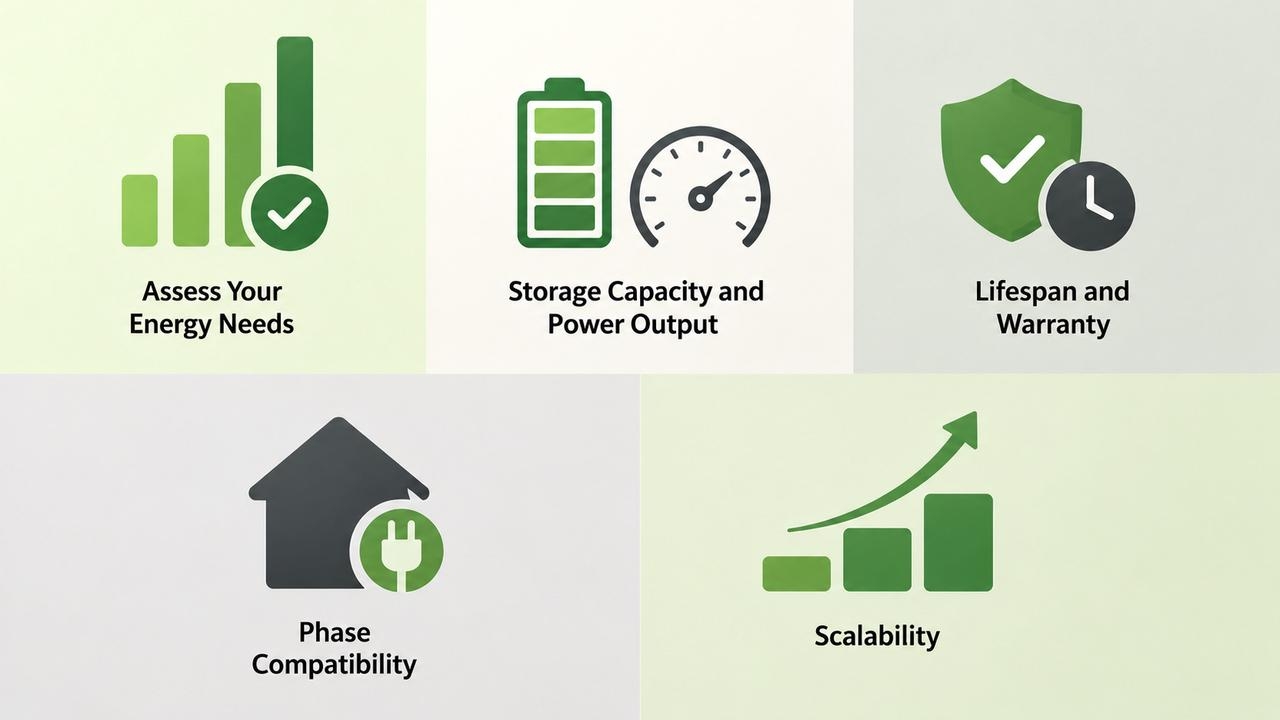
Assess Your Energy Needs
Start with actual consumption data. Most energy retailers provide 30-minute interval data through their apps once a smart meter is installed. Look at daily usage totals and, more importantly, when that usage happens. Evening usage is what a home battery is designed to cover.
Storage Capacity and Power Output
Capacity is measured in kilowatt-hours (kWh). It describes how much total energy the battery holds. Power output is measured in kilowatts (kW). It describes how fast the battery can deliver that energy. A high-capacity battery with low output power may not cover a peak demand spike. A high-output battery with limited capacity may run flat quickly. Both numbers matter.
Lifespan and Warranty
Most quality residential LFP batteries carry a 10-year warranty covering both product defects and capacity retention. Check what percentage of original capacity is guaranteed at the end of the warranty period. A battery warranted to retain 70% capacity after 10 years is a different product from one warranted at 80%.
Phase Compatibility
Australian homes are either single-phase or three-phase. Most suburban homes are single-phase. Larger properties and some newer suburbs have three-phase supply. The battery and inverter must match the home's phase configuration. Not all battery systems support both.
Scalability
Household energy needs change. An EV might arrive in three years. A second air conditioning system could be added. Modular battery systems allow capacity to be added incrementally without replacing the existing installation. Starting smaller and expanding later is often more financially practical than trying to predict future needs from day one.
Conclusion
Energy storage sits at the centre of Australia's electricity transition. Without it, the grid cannot reliably absorb the volume of renewable generation being added. Without it at the household level, rooftop solar loses much of its financial value once the sun goes down.
The different types of energy storage, from batteries to pumped hydro to hydrogen, each serve different roles at different time scales. Batteries are the dominant technology for homes and for short-duration grid services. Pumped hydro and hydrogen are better suited to longer-duration storage where batteries have limitations.
For Australian households, understanding the energy storage meaning and options available is a useful first step. The next step is matching system specifications to actual household usage.
For a personalised assessment based on actual usage patterns and local grid conditions, contact our professional energy consultants before comparing products or quotes.
Schedule Your Free Consultation Today!
What kind of product or solution are you interested in?
FAQs
What is the true energy storage meaning in simple terms?
Energy storage is the process of capturing energy when it is available and releasing it when it is needed. A home battery takes in solar power during the day. It holds that energy. It releases it to run the house at night. That is energy storage at its most straightforward.
What is the most common type of energy storage?
Pumped hydro is the most common by total capacity installed globally. It accounts for the majority of the world's grid-scale storage. Lithium-ion batteries dominate residential and EV storage across Australia.
Can energy storage systems reduce electricity bills?
They can, in many cases. A home battery that stores cheap solar and releases it during expensive peak hours reduces how much grid electricity is purchased at high rates. The extent of savings depends on system size, household usage patterns, local tariff structure, and how much solar is generated on-site.
Can an energy storage system protect my home during a grid blackout?
Some systems offer this. Not all home batteries include backup capability. Systems with backup switching isolate from the grid when power goes out. They then run the home from stored energy until grid supply returns. Check whether any system being considered includes this feature before purchasing.
How does an energy storage system provide grid stabilisation?
Grid frequency must stay within a narrow band to keep equipment running safely. When frequency drifts, storage systems can inject or absorb power within milliseconds to correct it. This is faster than gas turbines can respond. Battery storage has largely taken over this frequency control role in parts of the Australian grid as coal and gas plants retire.