Top 5 Energy Monitors in Australia to Track and Cut 2026 Power Bills
Electricity prices are a major concern for households across Australia in 2026. The cost of living continues to climb higher every single month. At the same time, solar feed-in tariffs are declining rapidly. This major change means you must use your solar power in your home to actually save money. But how do you know exactly where your power is going? This is exactly where an electricity usage monitor becomes essential. Tracking your daily energy takes the total guesswork out of your quarterly bills. It helps you see exactly what you use, minute by minute. In this comprehensive guide, we will explain the best Australian home energy monitors. We will also show you how tracking your power can lead to massive savings.
What is an energy monitor?
An electricity consumption monitor is a smart, connected device for your home. It tracks your electricity use in real time. It shows you exactly how much power your house pulls from the grid at any given second.
Here is a simple breakdown of how it works. Most hardwired systems use small, smart sensors called CT clamps. A licensed electrician attaches these clamps to the main power lines inside your home's switchboard. These sensors constantly measure the electrical current flowing through thick wires. Then, the system sends this data wirelessly to a mobile app or a dedicated digital display in your living room.
Many homeowners are confused when their quarterly electricity bill arrives. The numbers often seem completely disconnected from their actual daily lives. You might have been on holiday for a week, yet the bill is still incredibly high. This happens because a standard bill provides absolutely no context. A regular utility bill only shows your total usage long after the fact. It gives you a lump sum for the whole month or quarter. It does not tell you which specific appliances use the most power. An energy usage monitor gives you the detailed, real-time facts you need to make smart choices right now.
Key benefits of home energy monitoring
Using a power consumption monitor offers many clear, practical advantages for your wallet. It turns an invisible force into clear, easy-to-read numbers. Here is how it solves common energy problems for Australian families:
Identify energy vampires: Many modern devices use power even when they are supposedly turned off. These are called phantom loads. A monitor helps you find these sneaky drains so you can unplug them completely.
Spot appliance inefficiencies: An old refrigerator in the garage or a faulty hot water heater can pull way too much power. Monitoring your home helps you spot these specific issues early, before they cost you hundreds of dollars.
Optimize Time-of-Use tariffs: Grid power is often much cheaper late at night or during the middle of the day. Tracking helps you shift heavy chores to these off-peak electricity windows. Utilizing a power usage monitor gives you the real-time insight needed to beat high peak rates.
Track solar self-consumption: If you have rooftop solar panels, you need to use that power during the sunny daytime hours. A tracking app tells you exactly when your panels are producing the most free energy, so you can run your appliances.
Environmental awareness: Using less power from the coal-heavy grid directly reduces your carbon footprint. It helps protect the environment while keeping your hard-earned money in your own pocket.
Top energy monitors and energy monitoring system options in 2026
Choosing the best system can be tricky. There are many great, reliable options on the market right now. Here are the top five choices for Australian homes this year. Make sure to review their features to find the right fit for your family.
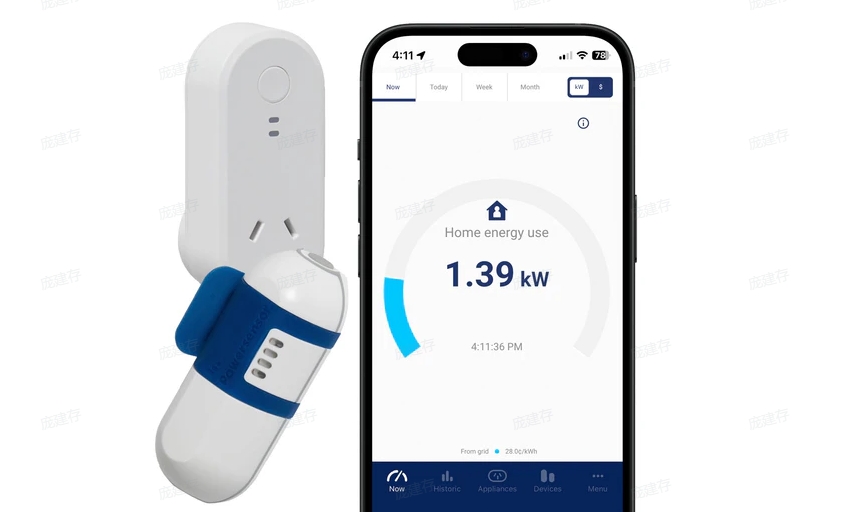
PowerSensor Energy+
A smart home energy monitoring system designed in Australia, helping users track, analyze, and optimize household electricity usage in real time. No electrician or professional tools required, complete the DIY installation in just 10 minutes, and view energy data and electricity costs anytime via the app.
Features:
Update data every 30 seconds to instantly view the whole-house energy consumption, power peak, and electricity cost.
Supports the setting of multiple electricity price packages (peak-valley electricity price, fixed rate, seasonal rate, etc.).
Compatible with photovoltaic systems, it displays the grid's "import/export" electricity in real time.
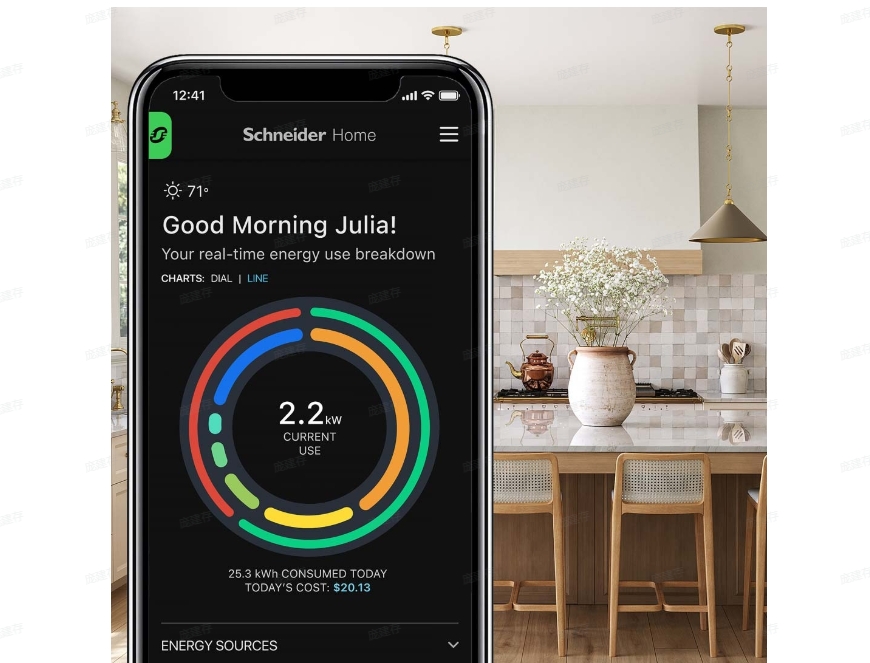
Schneider Electric Home Energy Monitor
The Schneider Electric home energy monitor is a highly robust tracking system built for maximum electrical safety and reliability. It is a panel-based solution that integrates directly into your existing switchboard to read your total energy flow. This premium tool is backed by one of the most trusted names in global electrical infrastructure.
Features:
It accurately tracks your whole-home power and sends real-time data straight to your smartphone.
It can also track solar production if you already have panels installed.
It is a premium choice backed by a well-known electrical brand.
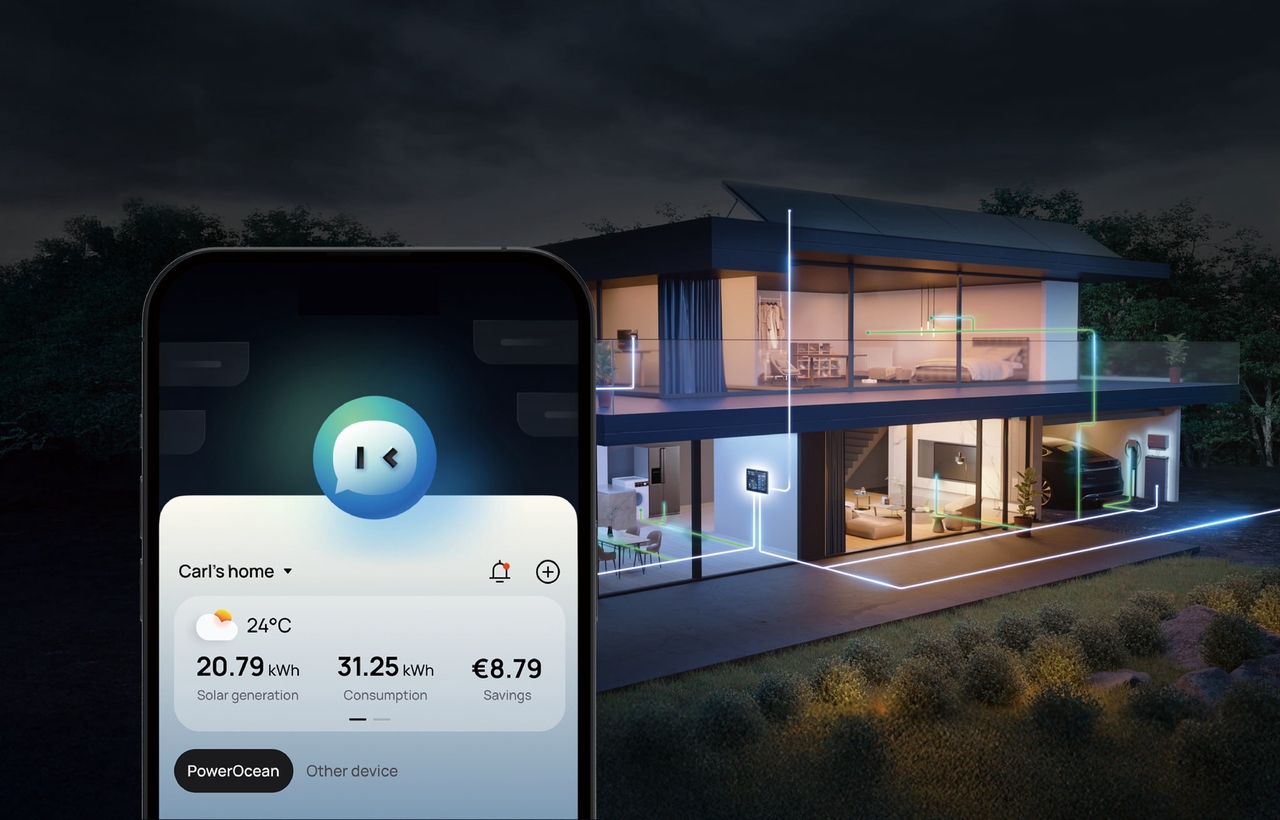
EcoFlow Intelligent HEMS
The EcoFlow Home Energy Management System is an advanced smart energy brain engineered for modern sustainable properties. It monitors your main grid power connection while tracking your rooftop solar production simultaneously. It provides a complete, bird's-eye view of your household utility habits to stop unnecessary power loss.
Features:
It pairs seamlessly with smart plugs and the EcoFlow HEMS APP to automate your daily energy.
You can easily set rules to direct your free solar power exactly where you need it most.
Centralize monitoring, management, and optimization of whole-home energy usage within a single app, with real-time tracking of electricity consumption details.
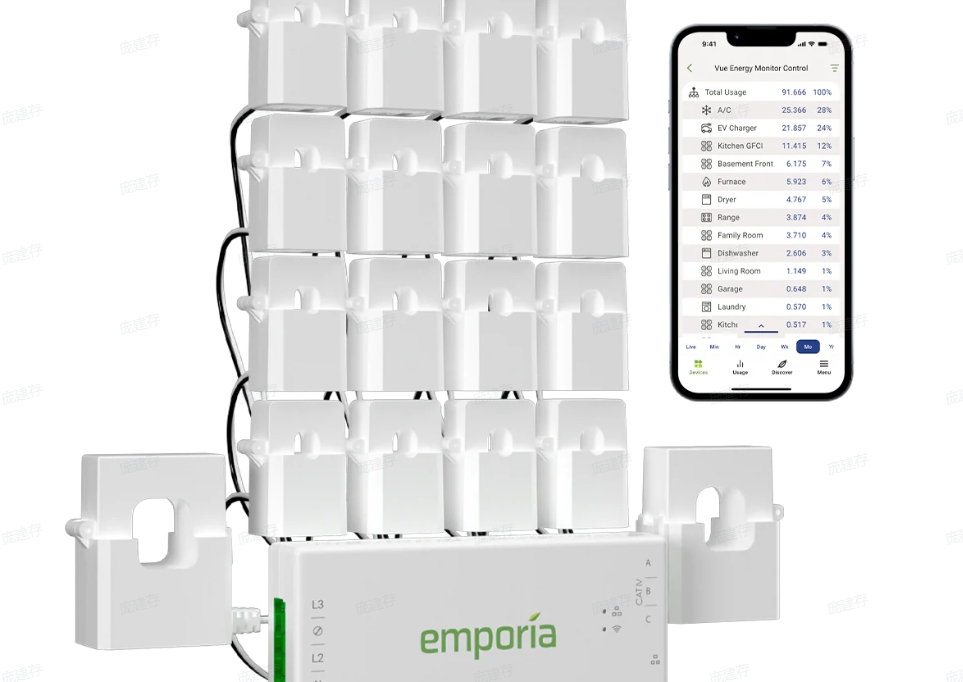
Emporia Vue Gen 3
The Emporia Vue Gen 3 is a highly popular, budget-friendly option that provides exceptional whole-home energy tracking. It mounts inside your main electrical panel to monitor your primary power lines with great accuracy. This system is an excellent choice for budget-conscious families looking for serious value.
Features:
You can clamp these extra sensors onto individual circuits inside your panel.
This lets you track specific zones like the kitchen, electric vehicle charger, or air conditioner.
The app is very detailed and helps you track your specific time-of-use costs.
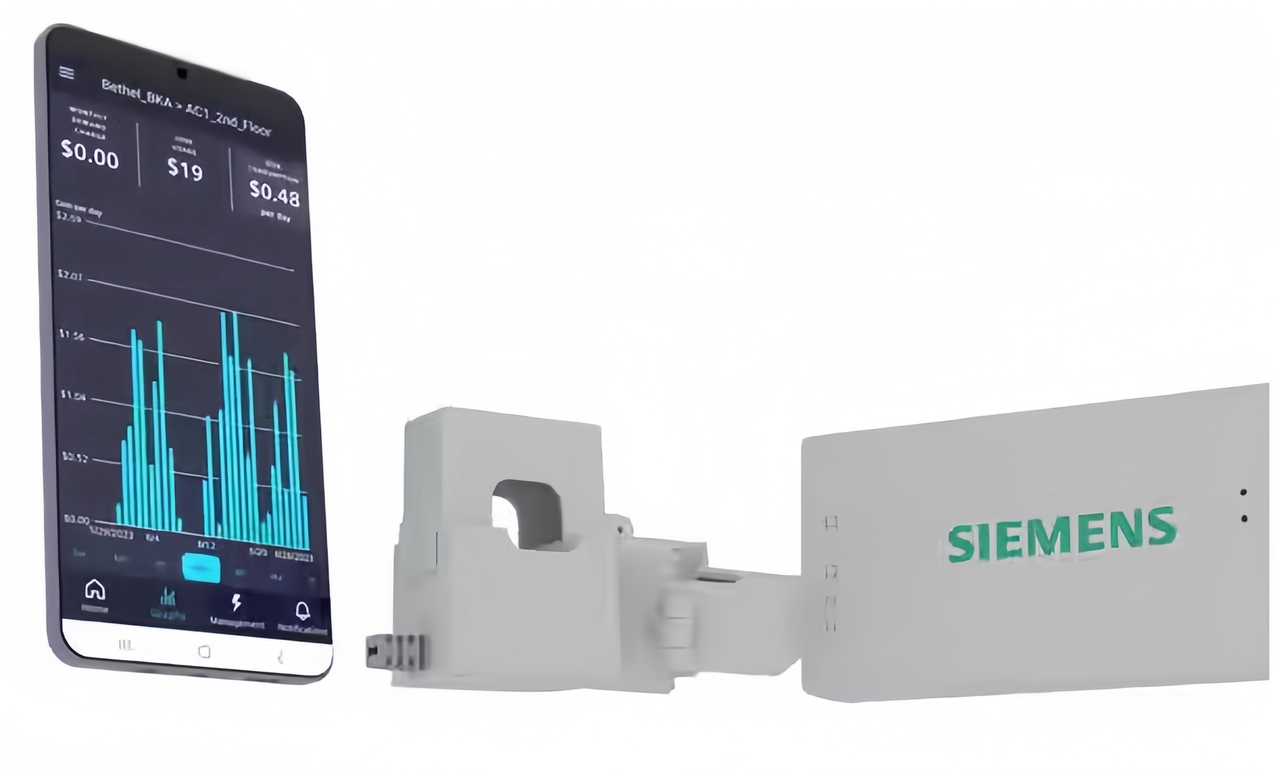
Siemens Inhab Energy Monitor
The Siemens Inhab Energy Monitor provides a highly reliable, real-time view of your home's total electricity consumption. It is engineered to give everyday users a clear understanding of their daily utility patterns. This system offers a fantastic balance of high-quality hardware and straightforward software design.
Features:
It tracks overall household use and can monitor separate circuits for a much deeper look.
It sits firmly in the middle of the market price range.
The mobile app is clean, simple, and very easy for beginners to read.
How to choose the right electricity usage monitor for your home
Picking the best electric power usage monitor means looking closely at your specific household needs. Here is a quick guide on what to check before you make a purchase.
Installation and safety
Safety always comes first when dealing with electricity. Some simple energy monitors are DIY. They just plug safely into a standard wall socket. However, Australian electrical regulations are very strict for a reason. If you want a panel-based energy monitoring system setup, you must hire a licensed electrician. They are required by law to open your switchboard safely to install the CT clamps. Call this out clearly when planning your budget.
Real-time data and app quality
Data is only useful if it is fast and accurate. Look for a monitor that updates the numbers every 1 to 5 seconds. You do not want a slow system that only updates every 30 minutes. Furthermore, your mobile app should be highly intuitive and available for both iOS and Android phones. For a dedicated screen, it is wise to choose something like an energy consumption monitor for easy family viewing.
Solar and battery compatibility
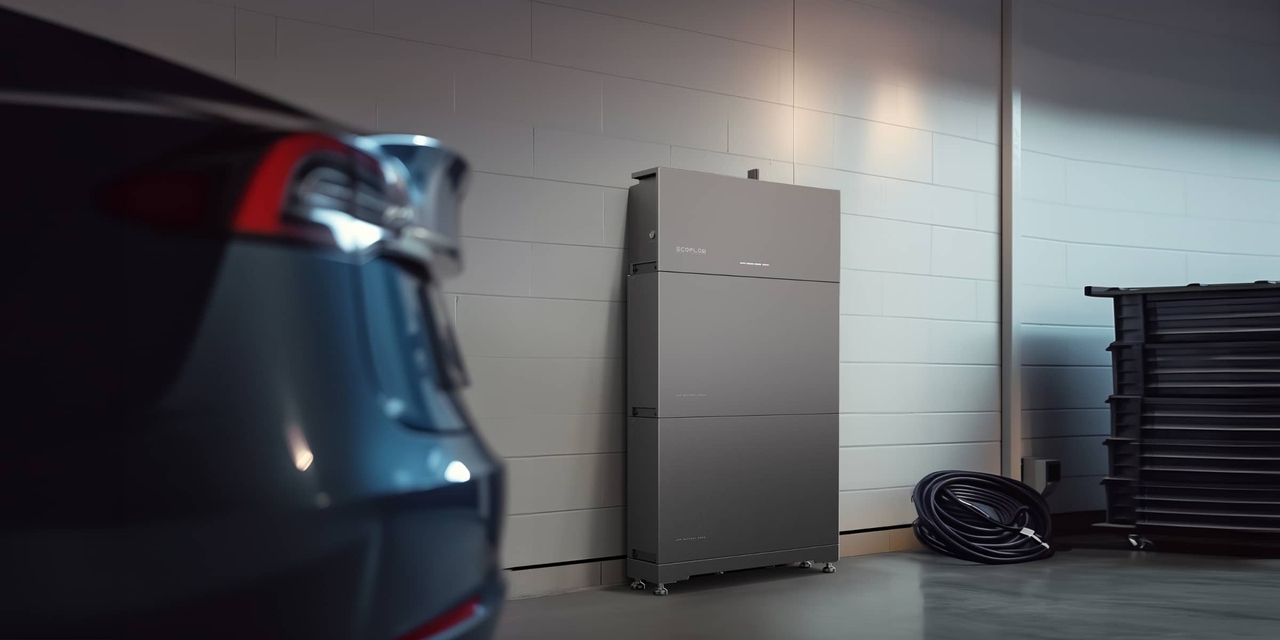
For homes with rooftop solar, ensure the monitor can track both grid consumption and solar export. It needs to show you the full energy picture. For battery owners, integration with a home energy management system provides much deeper insights. For example, the EcoFlow PowerOcean Single-Phase Battery works flawlessly with EcoFlow's tracking ecosystem. This gives you seamless control over your storage.
Circuit-level vs whole-home monitoring
A basic whole-home system tracks your total usage as one large number. Advanced systems let you dig much deeper. Often equipped with additional CT clamps, they let you monitor individual circuits. This means you can track your heavy air conditioner, pool pump, EV charger, or hot water system separately. This detail helps you find exactly where your cash goes.
Cost and subscription fees
Prices for these tools vary widely. Simple plug-in meters can cost as little as $30. Complete whole-home systems often range from $150 to over $300, plus the licensed electrician's fee. Also, be sure to check the fine print. Some brands charge monthly subscription fees for cloud data storage and advanced analytics. Always verify these hidden costs before buying.
Practical tips to reduce energy consumption with a monitor
Having an electricity power usage monitor installed is just the beginning. You must use the data to actually change your daily habits. Here are practical ways to lower your bills.
Find and eliminate phantom loads
Many gadgets draw power even when they are fully "off". Smart TVs, gaming consoles, and plugged-in phone chargers are huge offenders. You might be surprised to learn how much power your home uses when you are asleep. Standby power is a real issue in modern Australian homes. A good tracker reveals these hidden standby costs quickly. Finding and unplugging these devices has the potential for massive savings of 5% to 10% annually. It is a very simple step with a fantastic financial payoff.
Shift high-usage activities to off-peak hours
Use your real-time data to identify your peak consumption periods. Then, change your daily routine. Run the dishwasher, washing machine, and pool pump during off-peak times. Electricity is much cheaper during the day or very late at night. Shifting these big chores is the easiest way to save cash. Using advanced electrical usage monitoring ensures you always know when rates are lowest.
Set energy usage alerts
Most smart monitoring apps allow you to set custom alerts for your house. You can tell the app to notify you if there is an unusual power spike. Get notified instantly if something is left overnight, like a garage heater or outdoor lighting. These quick warnings stop you from wasting money while you are sleeping.
Track seasonal patterns
Your power use changes drastically with the weather. Compare your summer versus winter consumption data. Heating, ventilation, and air conditioning (HVAC) are often the biggest drivers of high bills in Australia. Real-time data helps you adjust your thermostat settings smartly. It also shows you exactly where to improve insulation, where it matters most.
Maximum savings with a home battery
Australia experiences intense weather, from scorching summer heatwaves to freezing winter nights. This means your energy needs change drastically throughout the year. For solar homes, use monitoring to know exactly when to run appliances directly from the solar panels. This is much better than exporting power at low feed-in rates. For battery owners, integrate your battery with a smart system. This allows you to automate charging decisions perfectly. You can store free solar energy and deploy it when grid prices peak in the evening.
Conclusion
In 2026, investing in a home energy monitor is one of the smartest decisions Australian households can make, as it empowers you to identify hidden costs, maximize your solar ROI, and make data-driven decisions. By providing real-time visibility into your energy usage, these devices help you shift high-consumption activities to off-peak hours, optimize battery storage, and prepare for future upgrades, such as home batteries or smart home integration. Ultimately, energy monitoring isn't just about lowering bills; it's about taking control of your energy independence and contributing to a more sustainable future.
FAQ
How much can an energy monitor save on electricity bills?
Studies show that tracking your usage can reduce your bills by 8% to 15%. Seeing your real-time data helps you quickly build better habits. You will learn to turn off unused lights and unplug devices that constantly drain phantom power.
What is an energy monitor used for?
It is a dedicated device used to track the electricity flowing through your home. It shows you exactly how much power your house and appliances use. This helps you find energy hogs, track your solar production, and reduce your total grid power costs.
What's the difference between a smart meter and an energy monitor?
A smart meter is installed by your power company mostly for billing purposes. It records usage in 30-minute blocks and does not provide instant feedback. A home tracker gives you real-time, second-by-second data directly to your smartphone, so you can take action immediately.
Is there a way to monitor my electricity usage?
Yes, there are a few good ways. You can check your retailer's mobile app, use a basic plug-in watt meter for single appliances, or install a hardwired whole-home tracker. A panel-based system provides the most accurate, real-time data for your entire house.
Are energy monitors worth it?
Yes, they are highly worth the investment. The upfront cost is usually paid back very quickly through the steady savings on your energy bills. They are especially valuable for Australian homes with solar panels, helping you maximize your daily self-consumption.