Electricity Market Reform in Australia: What It Means for Homeowners and Solar Battery Storage
Australia’s electricity market is changing as rooftop solar, home batteries, smart meters and time-based tariffs become more common. For homeowners, these changes can affect when electricity costs more, how much exported solar is worth, and how solar systems interact with the grid.
This guide explains the main electricity market reforms affecting Australian households, what they could mean for your power bill, and where home battery storage fits in.
Key Takeaways:
Feed-in tariffs are not the only factor to consider: In some markets, daytime export rates are only a few cents per kWh, while some networks are introducing two-way pricing that can vary the value or cost of exports depending on network conditions.
Peak pricing can increase electricity costs: Depending on the retailer and tariff, electricity rates during peak periods can be higher than off-peak rates, which can make using solar behind the meter more valuable than exporting it.
Smart meters and dynamic exports are becoming more common: Smart meters can record electricity use at regular intervals, while some distribution networks can adjust rooftop solar export limits in response to network conditions.
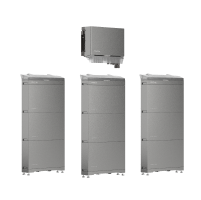
A home battery can increase solar self-consumption: A system such as the EcoFlow OCEAN 2 Plus can store surplus daytime solar for later use and provide backup power when configured for backup operation.
Monitoring helps you understand your energy use: Tools like the PowerInsight 2 show household consumption, solar generation and battery status in real time, making it easier to adjust usage around different tariff periods.
What Is Electricity Market Reform in Australia?
Electricity market reform in Australia refers to changes to how electricity is generated, distributed, priced and managed across the National Electricity Market (NEM). The Australian Energy Market Commission (AEMC), Australian Energy Regulator (AER), Australian Energy Market Operator (AEMO), state governments and distribution networks each have different roles in these reforms.
For households, relevant changes include the wider use of smart meters, time-of-use and demand tariffs, flexible solar export limits, and new ways for home batteries and other consumer energy resources to interact with the grid. These reforms are intended to help the electricity system accommodate growing amounts of rooftop solar, battery storage and electric vehicles while maintaining reliable operation.
Why Is Australia Reforming the Electricity Market?
The growth of rooftop solar, home batteries and other household energy technologies is changing how electricity moves through the grid and when demand is highest.
The Growth of Rooftop Solar and Home Batteries
Australia has one of the highest rates of rooftop solar uptake in the world. In some areas, substantial amounts of solar electricity are exported to the grid around midday, when household demand may be relatively low. Home battery installations are also increasing, giving networks another source of distributed energy to manage alongside rooftop solar.
The Rise of Consumer Energy Resources (CER)
Rooftop solar, home batteries, electric vehicles and other household energy technologies are increasingly grouped under the term Consumer Energy Resources (CER). As more homes install these systems, they have a greater impact on when electricity is drawn from or supplied to the grid. Market reforms are intended to make it easier for these resources to interact with the wider electricity system rather than operate independently of it.
Managing Grid Reliability, Solar Exports and Peak Demand
One of the challenges for electricity networks is the difference between daytime and evening demand. Rooftop solar can reduce grid demand around midday, while demand may rise again in the late afternoon and evening as solar generation falls and households use more electricity.
In areas with high solar penetration, large amounts of electricity being exported at the same time can create local voltage and network capacity challenges. Flexible export limits, time-based tariffs and other market changes are being introduced partly to manage these pressures and reduce the need to rely solely on network upgrades.

How Will Electricity Market Reforms Affect Your Power Bill?
For households, some of the most relevant changes involve when electricity costs more, how much you receive for solar exports, and how your usage is measured.
How Time-of-Use and Demand Tariffs Change What You Pay
More households are using electricity plans with time-of-use (TOU) or demand tariffs. TOU plans charge different rates at different times of day, with off-peak electricity often cheaper and peak periods more expensive. In Queensland, households can also compare the solar feed in tariff qld offers available from different retailers when assessing the value of exported solar.
Demand tariffs may also add a charge based on electricity demand during a specified peak period. Using several high-power appliances at the same time can therefore increase your bill, depending on the tariff structure, even if your overall electricity consumption stays similar.
What Changing Feed-in Tariffs and Two-Way Pricing Mean for Solar Owners
Solar feed-in tariffs have declined in many markets, and some plans now pay only a few cents per kWh for daytime exports. Some networks have also introduced forms of two-way pricing or flexible export arrangements, where the value or cost of exporting electricity can vary depending on network conditions.
For solar households, this can make using more solar at home or storing surplus generation for later use more valuable than relying solely on daytime export income.
How Smart Meters and Flexible Solar Exports Affect Your Electricity Use
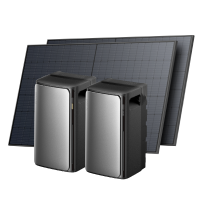
Smart meters record electricity use at regular intervals, making time-based tariffs and more detailed billing possible. They are also part of the wider move toward more flexible management of household solar, including how an EcoFlow Solar Battery can be used to store excess generation rather than export it when network conditions are less favourable.
In areas with flexible export limits, compatible solar systems can adjust how much electricity they send to the grid based on local network conditions. Export limits may be higher when network capacity is available and reduced during periods of congestion.
How Do Home Batteries Fit Into the Changing Electricity Market?
Home batteries can give households more control over when they use solar or grid electricity, which may be useful as tariffs and solar export rules change.
Using More of Your Solar Instead of Exporting It
When feed-in tariffs are low, using your solar at home can be worth more than exporting it. A battery stores surplus daytime generation for use in the evening, making solar battery storage a practical way to reduce the amount of electricity you need to buy from the grid during higher-priced periods.
Charging When Electricity Is Cheap and Using It During Peak Hours
With a time-of-use or dynamic tariff, some batteries can also charge from the grid when electricity is cheaper and discharge during peak periods. For households comparing battery technologies, an LFP battery can be considered alongside factors such as usable capacity, charging schedules and expected cycle life.
Using a Home Battery With a Virtual Power Plant
A Virtual Power Plant (VPP) connects participating home batteries so they can respond to grid needs, including by supplying electricity to the grid when required. Depending on the program, households may receive bill credits, incentives or other benefits for participating.
Using Battery Storage During a Power Outage
A battery with backup capability can keep selected household loads running during a blackout, such as a fridge, Wi-Fi and lighting. Some systems can also use rooftop solar to recharge the battery during an outage, provided the system is designed and configured for backup operation.

How Should Australian Homeowners Prepare for Electricity Market Reform?
A few practical changes can help households adjust, from using more solar during the day to checking their tariff and monitoring electricity use.
Consider Solar Self-Consumption, Not Just Feed-in Tariffs
Base your system calculations on self-consumption percentages rather than feed-in income alone. Run appliances like dishwashers, washing machines and pool filtration pumps during the middle of the day. If your household is out during the day, using automated appliance timers or smart plugs can help use excess solar before it is exported to the grid.
Choose a Battery System That Can Adapt to Future Energy Markets
Energy tariffs, export rules and VPP programs can change over time, so it is worth considering a battery system that can adapt to different ways of using and storing electricity. Look for features such as flexible charging schedules, backup power, VPP compatibility and expandable capacity.
The EcoFlow OCEAN 2 Plus Single Phase, for example, combines battery storage with a hybrid inverter and supports capacity expansion from 5 kWh to 30 kWh. This allows households to add more storage later if electricity use increases, such as after installing an EV charger or switching to electric heating and cooling. It can also provide backup power during outages and schedule battery charging and discharging around electricity tariffs.
Monitor Electricity Prices and Your Household Energy Use
Real-time monitoring helps you understand when your home is using grid electricity, generating solar power, or charging and discharging the battery. It can also make it easier to identify high-consumption appliances and adjust your usage around time-of-use tariffs.
The PowerInsight 2 brings household consumption, solar generation, battery status, and historical energy use into one interface. You can see how appliances such as air conditioners or EV chargers affect demand and adjust battery schedules or heavy loads to make better use of solar and lower-priced electricity periods.
Check State-Specific Rules and Incentives
Electricity market rules, tariffs and incentives vary across states and network areas:
Victoria: Strong government focus on electrification, widespread smart-meter use, and state-specific retail protections such as the Victorian Default Offer (VDO).
New South Wales: The Peak Demand Reduction Scheme (PDRS) provides incentives for activities that reduce peak electricity demand, including eligible batteries, Virtual Power Plants (VPPs) and other demand-response measures. Current rules and eligibility can change, so check the latest battery, VPP and activity requirements through the NSW Climate and Energy Action portal.
Queensland: While the state's previous Battery Booster program is closed, distributed energy management increasingly includes dynamic export arrangements. Networks such as Energex use dynamic connections that adjust export limits according to network conditions, while battery owners can also participate in VPP programs where available.
South Australia: High rooftop-solar penetration has led to measures such as flexible export arrangements and the Smarter Homes requirements that can include emergency management of certain solar systems.
Check your state’s current energy or clean-energy portal and consult a Clean Energy Council (CEC) accredited installer to verify which incentives, tariff conditions or network export rules apply to your property and NMI.
Schedule Your Free Consultation Today!
What kind of product or solution are you interested in?

Conclusion
Australia’s electricity market is changing, with evolving solar export arrangements, time-based tariffs and more flexible ways to manage household energy resources. For homeowners, these changes make it increasingly useful to understand when electricity costs more, how solar exports are valued and how much solar can be used at home or stored for later.
A battery system like the EcoFlow OCEAN 2 Plus, paired with energy monitoring through the PowerInsight 2, can help you store surplus solar, adjust your usage around different tariffs, and keep selected loads running when the power goes out. Before you pick a system, consider how much solar you generate, what you use in the evening, your local tariffs, the export rules, and how much battery capacity your household actually needs.
Disclaimer: Electricity tariffs, feed-in tariffs, network export limits, incentives and energy market rules can vary by state, network area, retailer and household circumstances, and may change over time. Check the latest information with your electricity retailer, distribution network and relevant government or regulatory authority before making decisions about a solar or battery system.
FAQs
Will electricity market reform increase household electricity bills?
Not necessarily. The effect depends on the tariff, retailer, network area and household electricity use. Homes that draw more electricity from the grid during higher-priced periods may face higher costs, while households that shift some usage to lower-priced periods, use more solar directly or store surplus solar in a battery may be able to reduce their grid purchases.
Are home batteries becoming more important in Australia?
They can be increasingly useful for some Australian households, particularly where solar export payments are low or electricity prices vary significantly by time of day. A battery can store surplus daytime solar for later use, helping reduce grid purchases during higher-priced periods. However, the potential financial benefit depends on the household’s tariff, solar generation, electricity use and battery costs.
Can home batteries participate in the electricity market?
Yes, in some programs. Home batteries can participate in the wider energy system through Virtual Power Plants (VPPs) and other demand-response arrangements. Depending on the program, participating batteries may be dispatched during periods of high demand or other specified conditions, with households receiving incentives, credits or other benefits.
Does electricity market reform affect every Australian state the same way?
No. The specific rules, tariff structures and timelines vary by state, retailer and network area. The National Electricity Market (NEM) covers Queensland, New South Wales, the Australian Capital Territory, Victoria, South Australia and Tasmania, although retail and network arrangements differ between jurisdictions. Regulators, market bodies, state governments, retailers and distribution networks each have different roles in implementing these arrangements.