Electricity Cost QLD: How Much Is Electricity in Queensland?
Electricity prices in Queensland vary by location, retailer, tariff type and household usage. Households in South East Queensland can choose from competitive market offers, while regulated notified prices apply in regional Queensland. Your final bill also depends on daily supply charges, electricity consumption and major loads such as air conditioning, electric hot water and pool pumps.
This guide explains typical Queensland electricity rates, household electricity costs and the differences between SEQ and regional pricing. It also shows you how to estimate your bill, compare plans and reduce electricity use during higher-priced periods.
Key Takeaways
• Typical Rates: Residential electricity rates vary by retailer and tariff. As a current benchmark, the 2026–27 SEQ DMO flat-rate comparison price is based on 4,600 kWh of annual usage, while individual market offers and ToU rates can differ.
• Regional Differences: SEQ has competitive retail offers, while regulated notified prices apply in regional Queensland under the state's electricity pricing framework.
• Household Use: Daily electricity consumption can range from around 6–9 kWh for a small one-person household to 25–35+ kWh for larger, energy-intensive homes, although actual usage varies significantly.
• Solar Savings: When the retail electricity rate is higher than the feed-in tariff, using more solar power at home can provide greater value than exporting the same electricity to the grid.
• Lower Your Bill: Shift flexible electricity use away from higher-priced periods, reduce air-conditioning costs, use controlled-load tariffs where eligible and compare plans through Energy Made Easy.
How Much Does Electricity Cost in Queensland?
Electricity prices vary between South East Queensland and regional Queensland, and the amount you pay also depends on your retailer, tariff, daily supply charge and electricity use.
Average Electricity Cost per kWh in QLD
Residential electricity rates in Queensland vary significantly by retailer and tariff. As a current reference point, the 2026–27 DMO for the Energex area uses a flat-rate residential comparison price of $1,988 a year based on 4,600 kWh of annual usage. Individual market offers can have different usage rates and supply charges, while ToU plans may charge different rates depending on when electricity is used.
Some retailers also offer daytime or solar-focused pricing designed to encourage electricity use when solar generation is typically higher. Controlled-load tariffs, including Queensland tariffs such as Tariff 31 and Tariff 33, can provide lower rates for eligible appliances such as electric hot-water systems. Always check the specific rates and time periods on your electricity plan.
Average Electricity Bill in Queensland
Annual electricity costs vary considerably across Queensland depending on household size, electricity use, tariff and retailer. For a current SEQ benchmark, the 2026–27 DMO comparison price for a flat-rate residential customer in the Energex area is $1,988 per year based on 4,600 kWh of annual usage. Actual bills can be higher or lower depending on consumption and the plan selected.
Households with heavy air-conditioning use, electric hot water, pools or other large loads may have substantially higher seasonal bills, particularly during periods of high electricity consumption.
Electricity Cost per Day, Month and Year
Your electricity bill generally combines usage charges based on the electricity you consume with a daily supply charge for your connection.
| Timeframe | Typical Cost Range | What It Reflects |
|---|---|---|
| Per Day | $3.80 – $6.50 | Daily supply fee (~$1.10–$1.40) + 8–18 kWh usage |
| Per Month | $115 – $200 | Average seasonal consumption across mid-sized homes |
| Per Year | $1,400 – $2,300+ | Full annual cycle including seasonal air-con spikes |
These figures are illustrative estimates rather than official Queensland averages. Actual costs vary by tariff, retailer, household consumption and seasonal usage.
What Determines Your Electricity Cost in QLD?
Your electricity bill is mainly affected by household consumption, tariff type, supply charges and high-use appliances such as air conditioning, electric hot water systems and pool pumps.
Electricity Usage and Household Size
Bigger households generally use more electricity for hot water, laundry, cooking and entertainment. However, air conditioning, pool equipment and appliance efficiency can have a greater effect on electricity consumption than household size alone.
Supply Charges and Usage Charges
Your bill includes a fixed daily supply charge plus a usage charge for each kilowatt-hour you consume. The daily supply charge generally applies regardless of how much electricity you use.
Electricity Tariffs and Time-of-Use Rates
Single-rate tariffs charge the same usage rate throughout the day, while time-of-use tariffs apply different rates during peak, shoulder and off-peak periods. Controlled-load tariffs such as Tariff 31 and Tariff 33 can provide lower rates for eligible appliances, while demand tariffs add a separate charge based on electricity demand during defined periods.
Air Conditioning and Hot Water Usage
In Queensland, air conditioning and electric hot water can be significant household electricity loads. A large ducted air-conditioning system can use several kilowatts while operating, while an electric storage hot-water system can add significantly to electricity costs if its consumption is charged at a higher general-use rate rather than an applicable controlled-load rate.
Solar Panels and Feed-in Tariffs
Feed-in tariffs in Queensland vary by location and retailer, while the price paid for electricity imported from the grid is generally much higher than the value of exported solar. When this price difference applies, using solar power directly at home can provide greater value than exporting the same electricity to the grid. Solar feed in tariff QLD rates can therefore affect how much households benefit from increasing solar self-consumption and reducing unnecessary exports.
How Much Electricity Does a Typical Queensland Home Use?
Household size provides a useful starting point for estimating electricity use, although air conditioning, hot water, pools and solar generation can make a significant difference. If you are assessing solar battery storage, also check how much of that electricity use occurs after sunset.
Electricity Usage for a 1-Person Household
A one-person household in an apartment or modest home may use around 6 to 9 kWh per day, depending on cooking, hot-water use, heating or cooling and appliance efficiency. Refrigeration, lighting, cooking and evening appliance use typically make up part of this consumption.
Electricity Usage for a 2-Person Household
A two-person household may use around 11 to 14 kWh per day under moderate electricity-use conditions. Regular hot-water use, cooking, laundry and evening appliance use can increase consumption compared with a one-person household.
Electricity Usage for a 3–4 Person Household
A three- to four-person household may use around 16 to 22 kWh per day under moderate-use conditions. Cooking, hot water, dishwashers, laundry, entertainment and heating or cooling can all increase daily consumption, particularly during periods of heavier seasonal use.
Electricity Usage for a Large Household
Large households or homes with five or more occupants can consume 25 to 35+ kWh per day, particularly when they have multiple air-conditioning systems, electric hot water, swimming pools or other high-load appliances. Actual consumption can vary substantially depending on appliance efficiency and usage patterns.
How Much Does 10, 20 or 30 kWh of Electricity Cost?
For illustration, assuming a flat usage rate of 30c per kWh and a daily supply charge of $1.20, the estimated costs would be:
| Daily Consumption | Daily Cost (incl. Supply) | Approximate Monthly Cost | Approximate Quarterly Cost |
|---|---|---|---|
| 10 kWh/day (Small Home) | $4.20 | ~$126 | ~$378 |
| 20 kWh/day (Medium Family) | $7.20 | ~$216 | ~$648 |
| 30 kWh/day (Large / Pool Home) | $10.20 | ~$306 | ~$918 |
These figures are illustrative calculations based on the stated assumptions and do not represent current Queensland retail prices.
How to Calculate Your Electricity Cost in QLD
You can estimate your electricity cost using the usage rates, daily supply charge and billing period shown on your latest bill. If applicable, calculate controlled-load charges and solar feed-in credits separately.
How to Calculate Your Electricity Bill
To estimate your electricity bill:
Multiply your electricity use by the applicable usage rate:
Usage cost = Total kWh × Rate per kWh
Multiply the daily supply charge by the number of billing days:
Supply cost = Billing days × Daily supply charge
Add any applicable controlled-load charges, such as Tariff 31 or Tariff 33.
Subtract any applicable solar feed-in credits.
Check your bill to confirm whether the displayed rates include GST before adding tax separately.
How to Estimate Your Monthly Electricity Cost
Track your electricity use over the same period each week. Subtract the previous meter reading from the current reading to estimate weekly consumption, then multiply the kWh used by your applicable usage rate and add seven days of supply charges. You can multiply the weekly estimate by about 4.3 to approximate a monthly cost, although actual monthly bills vary by billing period and seasonal usage. If you have a smart meter, its usage data can help you track these patterns.
How to Compare Electricity Plans in Queensland
For households in South East Queensland, Energy Made Easy is a free and independent government comparison service operated by the Australian Energy Regulator (AER). It allows consumers to compare electricity plans available in their area.
You can enter your suburb or postcode to start a comparison, and using your NMI can provide more personalised results based on your electricity usage. You can also enter information from your bill if you do not use an NMI. Compare the estimated costs, rates, discounts, fees and other plan conditions rather than focusing on a single advertised percentage.
The DMO acts as a comparison price in SEQ, and retailers are required to show how their offers compare with it. However, the DMO is not a cap on your actual annual bill.
What to Check on Your Electricity Bill
• Billing Period Days: Check the total number of billing days so you can compare bills over similar periods rather than comparing bills with substantially different billing lengths.
• Actual vs Estimated Reading: Check whether your bill is based on an actual or estimated meter reading. An estimated reading can differ from your actual consumption and may be adjusted when a later actual reading becomes available.
• Controlled Load Breakdown: If your home has an eligible controlled-load service, check whether eligible appliances such as electric hot water are billed under the applicable controlled-load tariff rather than the general usage rate.
• Solar Credits: Check your exported solar volume and solar generation data to understand how much electricity is being exported rather than used directly in your home.
When Should You Consider Solar or Home Energy Management?
Solar panels generally generate most of their electricity during daylight hours, while household electricity demand can remain high in the late afternoon and evening. If your feed-in tariff is lower than the rate you pay for grid electricity, increasing daytime self-consumption or storing surplus solar may help reduce your electricity costs.
The Ecoflow OCEAN 2 Plus single phase stores surplus solar for use after sunset or during higher-priced periods. Before installing a battery, compare its usable capacity, output, installation cost and expected savings against your household’s evening electricity use.
How to Reduce Your Electricity Cost in Queensland
Potential savings can come from reducing air-conditioning and hot-water consumption, shifting flexible electricity use away from higher-priced periods and using more solar power during the day.
Use Less Electricity During Peak Periods
If your home is on a time-of-use tariff, consider shifting flexible loads away from higher-priced periods. On Energex’s current network TOU structure, the peak period is generally 4pm to 9pm, while the daytime off-peak period is 11am to 4pm. However, the exact periods and prices on your retail electricity plan can differ, so check your retailer’s tariff before changing appliance schedules.
Dishwashers, washing machines and pool pumps can often be scheduled for periods when electricity is cheaper or when rooftop solar generation is higher, where practical.
Reduce Air Conditioning and Hot Water Costs
For cooling, setting the air conditioner at a moderate temperature can help reduce energy use. Australian Government guidance notes that each degree of additional cooling can increase energy consumption by around 5% to 10% and recommends operating air conditioners at around 25°C to 27°C where comfortable. Regularly maintain air-conditioner filters and keep doors and windows closed while cooling to reduce unnecessary energy use.
For electric hot water, address leaks promptly and check whether your system is eligible for a controlled-load tariff such as Tariff 31 or Tariff 33.
Make Better Use of Solar Power
Consider using flexible appliances during periods of higher solar generation where this fits your household routine. For example, pre-cooling the home during the afternoon may allow you to use more self-generated solar electricity and reduce cooling demand later in the day. Choose a comfortable temperature rather than unnecessarily lowering the thermostat. A Home Energy Ecosystem can help coordinate compatible solar, storage and household devices around this daily routine.
Monitor Your Home Electricity Usage
Managing electricity use can be easier when you have visibility into how and when your home consumes energy. Instead of relying only on periodic bills, real-time or interval data can help you identify high-consumption appliances and understand daily usage patterns.
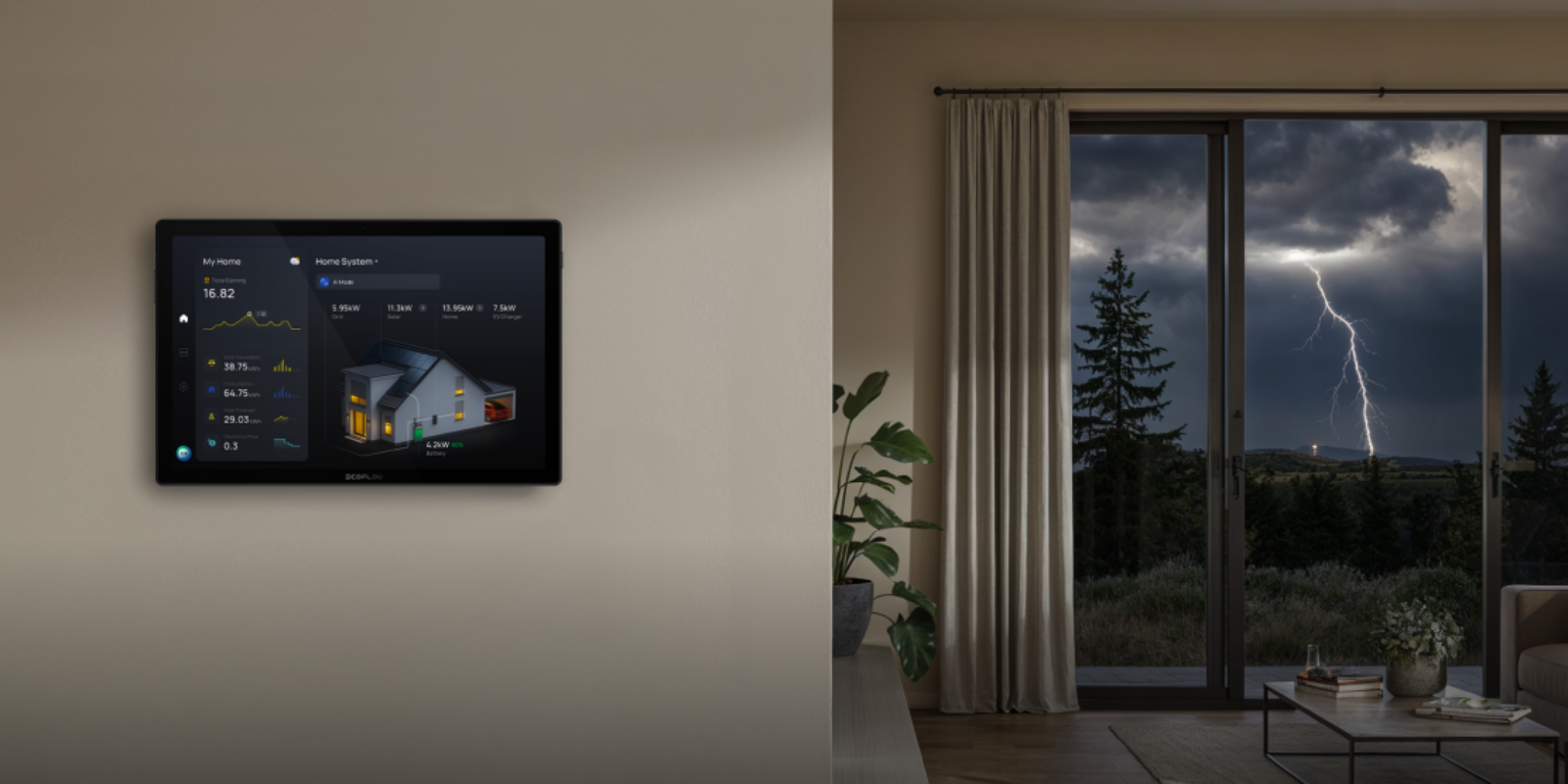
This is where a home energy dashboard like the EcoFlow PowerInsight 2 fits into a modern household. By giving you immediate visibility into total power consumption, solar production, and battery reserves, it eliminates the guesswork. You can pinpoint exactly when heavy appliances switch on, see how much energy your air conditioner pulls across an afternoon, and fine-tune your family’s routines so you are always making the smartest use of self-generated power.
Schedule Your Free Consultation Today!
What kind of product or solution are you interested in?

Conclusion
Queensland electricity costs vary by location, tariff, retailer and household usage, so start by checking the usage rates and daily supply charge on your latest bill. Compare available SEQ plans through Energy Made Easy, shift flexible appliance use away from higher-priced periods where applicable and make better use of daytime solar where possible. If evening electricity consumption remains high, use your interval data to assess whether energy monitoring or battery storage could provide enough value to justify the investment.
Disclaimer: Electricity prices and tariffs in Queensland may change and vary by location, retailer and tariff type. The figures in this article are for general reference only. Check the latest rates and your retailer’s current offer before making decisions.
FAQs
Why is my electricity bill so high in Queensland?
High electricity bills in Queensland can be driven by heavy air-conditioning use, inefficient electric hot-water systems, high overall consumption and low daytime solar self-consumption. Hot and humid conditions can increase cooling demand, while using electricity during higher-priced tariff periods can also increase costs when a time-of-use plan applies.
Is electricity more expensive in Brisbane or regional Queensland?
Regional Queensland customers are covered by the Queensland Government’s Uniform Tariff Policy, under which electricity tariffs in regional Queensland are aligned with those in South East Queensland. The Queensland Competition Authority (QCA) sets notified prices for regional Queensland, while the Australian Energy Regulator (AER) regulates the Default Market Offer that applies in South East Queensland. Actual bills still vary depending on usage, tariff and retailer offer.
What is the cheapest time to use electricity in Queensland?
If you have rooftop solar, using electricity during periods of strong solar generation can increase self-consumption and reduce the amount of electricity you need to buy from the grid. If you are on a time-of-use tariff, the cheapest period depends on your specific retail plan. For example, Energex’s current network TOU structure has a daytime off-peak period from 11am to 4pm, but retailers may apply different periods and rates.
Using your own solar electricity can reduce grid purchases, but it does not necessarily mean that all electricity costs are eliminated because daily supply charges and other charges may still apply.
Is solar power worth it in Queensland?
Solar power can help Queensland households reduce electricity purchases from the grid, particularly when solar generation is used directly in the home. The potential value depends on the system cost, solar generation, household consumption, electricity rates and feed-in tariff. When the retail electricity rate is significantly higher than the feed-in tariff, using more solar electricity on-site may provide greater value than exporting it.
How can I compare electricity prices in QLD?
You can compare electricity prices in Queensland using Energy Made Easy, the Australian Government’s free and independent energy comparison service operated by the Australian Energy Regulator. Enter your suburb or postcode to see plans available in your area, or use your NMI for a more personalised comparison. You can also enter information from your electricity bill if you do not use an NMI.