Electricity Comparison in Queensland: Choosing the Right Energy Plan With Solar Battery Storage
Queensland receives high levels of solar exposure, making rooftop solar common across the state. However, pairing solar panels with a home battery can change how your household manages energy use and grid dependence. Rather than simply exporting excess power for modest credits, you can store surplus daytime solar energy and use it during higher-cost evening periods to help reduce grid electricity costs. This guide breaks down Queensland’s tariff structures, explores the best energy plans for battery owners, and outlines practical steps to improve the value you get from your solar setup.
Key Takeaways
Compare Self-Consumption Benefits Against Feed-in Tariffs: In many cases, using surplus solar to offset grid purchases can provide substantially more value than exporting the same electricity, particularly when evening import rates are much higher than the available feed-in tariff.
Time-of-Use (ToU) Tariffs Can Enable Battery Arbitrage: Pairing a correctly sized battery with a ToU tariff helps reduce exposure to higher-cost evening periods, which may occur around 4 pm–9 pm on some Queensland Time-of-Use tariffs.
Daily Supply Charges Can Be Important Alongside kWh Rates: For households that draw very little grid power, a plan with a low daily supply charge (c/day) often yields bigger quarterly bill reductions than minor usage discounts.
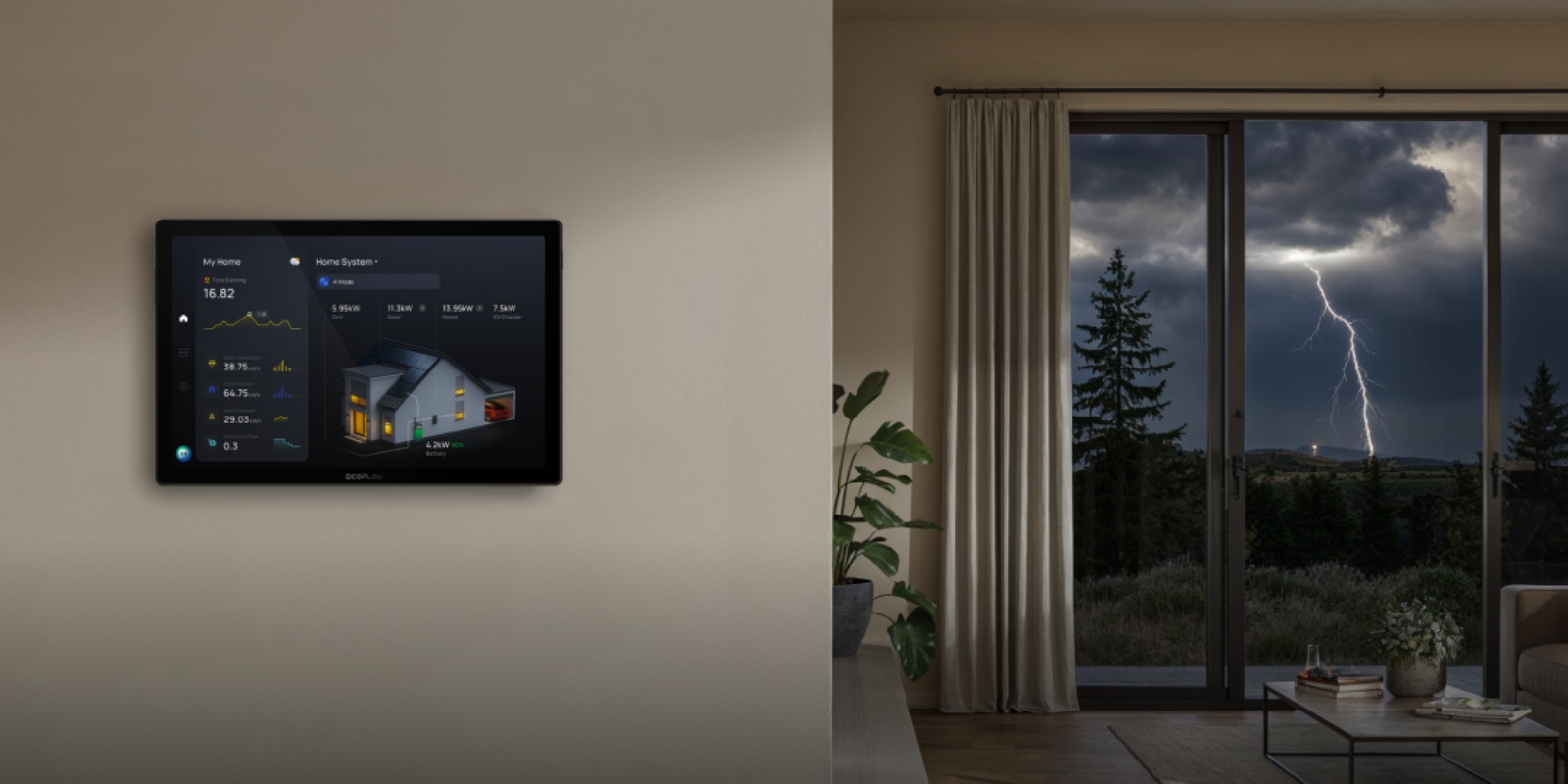
Hardware & Visibility Drive Savings: Real-time monitoring with the EcoFlow PowerInsight 2 helps identify usage gaps, while residential storage like the EcoFlow PowerOcean 2 Plus Single Phase automates peak avoidance and off-peak charging.
Check Metering Before Switching: Accessing ToU or solar sponge tariffs requires a Type 4 smart meter; always confirm meter compatibility and potential installation fees with your retailer.
What Factors Affect the Value of QLD Electricity Plans?
Evaluating an electricity contract in Queensland involves balancing recurring connection fees against variable consumption rates and solar incentives.
Electricity Usage Rates and Daily Supply Charges
Queensland electricity bills typically include two main costs:
Daily Supply Charge: A fixed fee for keeping your property connected to the grid.
Usage Rates: The price per kWh of electricity imported from the grid.
For solar battery owners, the supply charge can become especially important when grid imports are low. A plan with a lower daily charge may sometimes provide greater savings than a small discount on usage rates you rarely pay.
Solar Feed-In Tariffs and Export Benefits
A Solar Feed-in Tariff (FiT) is the credit your retailer pays for surplus solar electricity exported to the grid.
FiT rates vary by retailer, location and plan, and some higher rates may come with eligibility requirements. Feed-in tariff arrangements differ between South East Queensland and regional Queensland. In South East Queensland, solar feed-in rates are generally set by individual retailers and vary by plan. In regional Queensland, eligible customers may have access to a regulated feed-in tariff, with the applicable rate determined under Queensland’s regulated pricing framework. Reviewing a current [solar feed in tariff qld] comparison can provide more local context before choosing an electricity plan. Reviewing a current solar feed in tariff qld comparison can provide more local context before choosing an electricity plan.
Because grid electricity often costs more than the FiT you receive, using surplus solar to increase self-consumption can be more valuable than exporting it.
Tariff Structures and Pricing Periods
Network tariffs and retail electricity plans are not the same thing. Your distributor’s tariff affects how electricity is metered and charged at the network level, while your retailer sets the rates, supply charges, FiT and other plan conditions you see on your bill.
| Pricing Structure | How It Works | Potential Battery Benefit |
|---|---|---|
| Flat Rate | A broadly consistent usage rate throughout the day. | Simple pricing with less exposure to peak-rate changes. |
| Time-of-Use (ToU) | Rates vary by time of day. | Battery can help reduce peak-period grid imports and may allow charging during lower-cost periods. |
| Controlled Load | Lower rates for eligible dedicated appliances. | Helps keep hot water and other high-load appliances from draining the main battery. |
Note: The exact tariff names, pricing periods and eligibility requirements vary by distributor and retailer. Always check the current plan’s Basic Plan Information Document before switching.
Which Electricity Plan Types Suit Solar Battery Households in QLD?
Selecting the right electricity plan can determine how effectively your battery reduces grid imports and manages energy costs. However, there is no single tariff structure that is best for every Queensland solar battery household.
Flat Rate Plans for Simple Energy Pricing
Flat rate contracts (often aligned with distribution Tariff 11) apply a consistent price per kilowatt-hour across all 24 hours.
The upside: Predictability. If prolonged summer storms blanket Brisbane or the Gold Coast for a week, you will not face surge pricing when your battery runs flat and you need to pull power from the grid at 6 pm.
The limitation: Flat plans do not reward you for shifting battery charging to cheap off-peak or "solar sponge" middle-of-the-day periods.
Time-of-Use Plans for Battery Charging Flexibility
ToU tariffs divide the day into different pricing periods, such as peak, shoulder and off-peak periods. Some Queensland electricity plans may also include discounted daytime periods, sometimes referred to as “solar sponge” periods, designed to encourage electricity use when solar generation is high.
Evening Peak Arbitrage: On plans with higher late-afternoon and evening rates—for example, peak periods that run around 4 pm to 9 pm—a battery can discharge to reduce grid imports when electricity is more expensive.
Off-Peak Top-Ups: During cloudy stretches, you may be able to schedule the battery to charge from the grid during lower-priced periods, depending on the plan's off-peak schedule.
Controlled Load Tariffs for Specific Appliance Usage
Controlled Load tariffs (such as Tariff 31 and Tariff 33) deliver metered, lower-cost electricity to dedicated high-draw appliances that run on separate physical circuits.
Tariff 33: Provides controlled electricity periods for eligible appliances, with availability schedules determined by the distributor.
Tariff 31: Commonly applies to dedicated hot water systems, with controlled supply periods varying depending on the network provider.
Using controlled loads prevents heavy resistive appliances from prematurely draining your primary home battery during the evening. For more detail, a guide explaining what is controlled load can help households assess whether dedicated appliance tariffs suit their setup.
| Plan Category | Key Benefits for Battery Owners | Potential Drawbacks | Target Household Profile |
|---|---|---|---|
| Time-of-Use (ToU) | Higher peak rates may be reduced through battery discharge; access to cheap off-peak/solar sponge charging. | Higher electricity costs may apply if the battery is undersized and grid power is required during peak periods. | Homes with properly sized batteries looking to maximise financial arbitrage. |
| Flat Rate | Steady, predictable pricing regardless of the time of day. | Missing out on low daytime and late-night import rates for supplemental charging. | Smaller battery setups or households wanting a simple, set-and-forget setup. |
| Controlled Load (T31/T33) | Can help separate eligible high-load appliances from general household electricity usage. | Requires dedicated meter wiring and carries a separate secondary daily supply charge. | Homes with large electric hot water tanks, pool pumps, or separate workshops. |

How Can Solar Battery Owners Choose the Right Electricity Plan?
Finding an optimal energy plan requires aligning your equipment specifications with daily household habits and financial targets. An EcoFlow Solar Battery solution can support this process by storing surplus generation for use during higher-priced periods.
Match Plans With Solar Generation and Battery Capacity
Your system specifications are one of several factors that influence which tariff structure may deliver better value.
A property with a 10 kW rooftop array and a 15 kWh battery may be well positioned to cover a substantial share of evening demand, particularly during periods of strong solar generation. Whether a Time-of-Use plan is financially attractive will still depend on the household’s consumption profile, battery usable capacity, import rates and export terms.
Conversely, a modest 3.3 kW solar setup paired with a compact 5 kWh battery may have less stored energy available after periods of poor solar generation. In that scenario, a plan with high peak import rates could become less attractive if the household frequently needs to draw electricity from the grid during those periods.
Consider Household Electricity Consumption Patterns
Examine when your household actually draws the bulk of its power. If family members work from home with ceiling fans, computers, and heat pumps running during daylight hours, daytime solar self-consumption will absorb much of your array’s output. Under these conditions, the battery primarily supports the dinner rush and evening entertainment. If the home stays empty until 5:30 pm, your solar system may charge the battery earlier in the day, leaving more surplus energy available for export.
Evaluate Potential Savings Based on Your Energy Goals
Every home prioritises different financial metrics:
Targeting Maximum Bill Reduction: Consider Time-of-Use plans with suitable solar-sponge periods and peak pricing differences, allowing your battery to reduce reliance on higher-cost periods.
Targeting Stability: Opt for competitive flat-rate plans featuring the lowest available daily supply charge.
What Should Queensland Households Check Before Switching Energy Plans?
Before signing a new energy contract or initiating a retail transfer, verify the technical and contractual parameters of your connection.
Review Your Historical Electricity Usage
Reviewing detailed historical consumption profiles over summer and winter quarters helps prevent unexpected rate traps. To streamline this process, the EcoFlow PowerInsight 2 offers a home energy dashboard that helps visualise energy flows, battery status and household consumption patterns. Having clear visibility into your self-consumption ratio and grid dependency helps households select an electricity plan that better matches their actual energy habits.
Understand Pricing Rules and Contract Terms
Energy fact sheets (Basic Plan Information Documents) contain critical contractual details that are easy to overlook:
Conditional Discounts: Ensure advertised percentage discounts do not hinge on strict direct-debit or on-time payment conditions that void savings if missed.
Rate Variabilities: Confirm whether rates are fixed for 12 months or subject to mid-contract market adjustments.
Demand Charges: Some residential tariffs and plans may include demand-based charges, where part of the bill is influenced by the level of electricity demand recorded during specified periods. Because the calculation method varies, check the plan’s pricing methodology carefully before switching.
Confirm Smart Meter Compatibility Before Switching
Time-of-Use, Solar Sponge, and multi-rate tariffs require an interval-capable smart meter (Type 4).
Older accumulation meters may not support the interval data required by some modern time-based plans. If your property needs a meter upgrade, ask the retailer about installation arrangements, timing and any applicable charges before switching.
If your property requires a smart meter upgrade, your incoming retailer will coordinate the installation with the local metering coordinator. Always confirm whether the retailer absorbs this installation fee or passes it through as a connection charge.
How Can Solar Battery Storage Maximise Electricity Plan Benefits?
Combining intelligent energy hardware with an aligned retail plan can improve energy independence and help households better manage changing electricity costs. A connected Home Energy Ecosystem can coordinate storage, monitoring and tariff-aware energy use across the household.
Store Solar Power to Avoid Peak Rate Imports
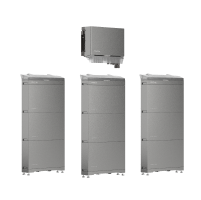
For solar-equipped Australian households, an intelligent storage system can help reduce reliance on the grid during higher-cost periods. The EcoFlow PowerOcean 2 Plus Single Phase offers high-capacity, expandable residential storage designed to capture surplus midday solar production. By discharging stored energy during higher-cost evening periods (which may include peak windows such as 4 pm to 9 pm depending on the tariff), it can help reduce grid reliance for household loads such as induction cooktops, lighting, and air conditioning.
Charge From the Grid When Rates Are Lowest
Modern storage systems allow programmed charging profiles. If consecutive days of heavy rain or tropical storms roll through Queensland, you can configure your battery management app to charge from the grid during available off-peak periods, depending on the retailer’s tariff structure and pricing conditions. When peak rates are significantly higher than off-peak rates, your home can rely more on stored energy and reduce the amount of electricity purchased during higher-cost periods.
Adjust Battery Settings Seasonally for Changing Usage
Adapting battery charge and discharge profiles to Queensland’s seasonal shifts keeps efficiency high year-round:
Summer Strategy (December – February): Prioritise reserve capacity for cooling loads. Consider maintaining sufficient battery charge before evening peak periods to support higher cooling demand.
Winter Strategy (June – August): Shorter daylight hours reduce total solar generation. Adjust your system to prioritise daytime household essentials, using targeted overnight off-peak top-ups to maintain an uninterrupted power buffer.
Schedule Your Free Consultation Today!
What kind of product or solution are you interested in?
Conclusion
There is no single best electricity plan for every solar battery household in Queensland. The right choice depends on how much electricity your home generates, stores and consumes, when you use electricity, and how your retailer prices imports, exports and supply charges.
For many battery owners, the goal is not simply to find the lowest advertised usage rate. Instead, compare the total cost of the plan after accounting for solar self-consumption, battery discharge, unavoidable grid imports, feed-in credits and daily supply charges.
FAQ
Do you need a smart meter for time-of-use tariffs in QLD?
Yes, a Type 4 digital smart meter is generally required for many Time-of-Use tariffs because standard mechanical meters cannot record the specific time of day electricity is used. Your energy retailer can arrange a smart meter installation if your switch requires one.
How often should you compare electricity plans in QLD?
Review your energy plan every 6 to 12 months, particularly following the annual July 1 price resets by the Australian Energy Regulator and the Queensland Competition Authority. Checking the market semi-annually ensures your feed-in tariff and daily supply charge remain competitive.
What is the best time-of-use tariff for battery charging overnight?
A suitable tariff may include off-peak periods during overnight hours, but the ideal option depends on your retailer, battery size and household usage pattern. This window allows you to cost-effectively top up your battery from the grid during extended periods of cloudy weather.
Is it worth getting a solar battery in QLD?
Yes, installing a solar battery can be worthwhile in Queensland because solar feed-in tariffs are often lower than the retail electricity rates households pay when importing power from the grid. Storing surplus daytime solar energy can help reduce reliance on higher-cost grid electricity during evening periods.