Electric Car Charger Types and Plugs: The Ultimate Beginner's Guide
Getting an electric vehicle is straightforward. Understanding how to charge it is where new owners sometimes get stuck. The terminology alone feels like a different language. Level 1, Level 2, DC fast, Type 2, CCS2, CHAdeMO. Tethered. Untethered. Hardwired.
Here is the good news. For most Australians buying a new EV in 2026, only a handful of these things actually matter. The charging world has consolidated around two connectors and three levels. Once those basics are clear, most home charging decisions become much easier.
This guide covers electric car charger types, plugs, home installation options, and what a smart home charging setup actually looks like, including how a home battery backup can make home charging cheaper when paired with solar.
Knowing the three charging levels (how fast do you want to charge?)
power flows.
Level 1: Standard household powerpoint
Level 1 charging uses a regular household socket and the cable supplied with your EV. It is the slowest charging option, adding roughly 10–15 km of range per hour. Suitable for plug-in hybrids or occasional charging, but generally too slow for daily use with full battery EVs.
Level 2: Dedicated wall charger
Level 2 charging uses a professionally installed wall charger connected to your home's electrical system. It charges much faster than a standard socket, typically adding 40–50 km of range per hour. Most EV owners choose this option because it can fully recharge a vehicle overnight.
Level 2 is the most common daily charging method for EV households. It is fast enough to replenish overnight what was driven during the day. Understanding solar panel installation cost alongside wallbox installation helps households plan both investments together.
Level 3: DC fast charging
Level 3 charging delivers power directly to the battery, making it the fastest charging method available. Commonly found at highways, service stations, and shopping centres, it can add hundreds of kilometres of range in a short stop, making it ideal for long-distance travel.
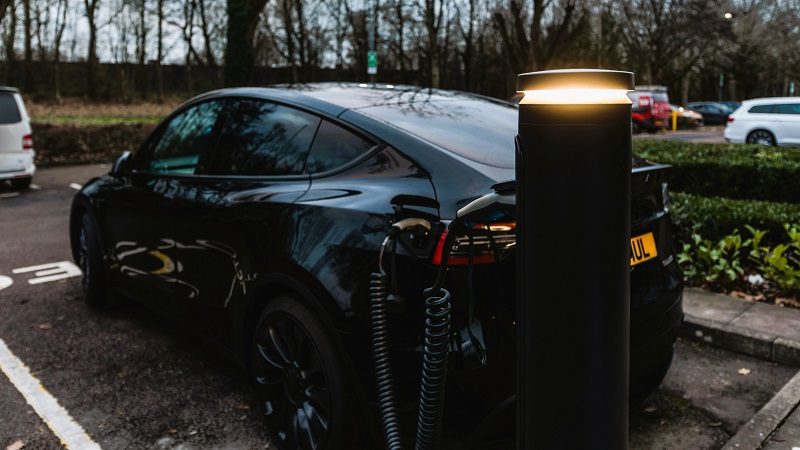
Once you understand charging speed tiers, the next critical factor is matching the correct plug connector to your Australian EV model.
Knowing EV plugs and connector types (what fits your car?)
The connector on the charging cable is what physically plugs into the car. There are several types of electric car chargers, but Australian EV owners in 2026 mainly need to know two.
Type 2 (Mennekes): the AC standard
Type 2 is the standard connector for AC charging in Australia and is used by most modern EVs. It supports home wall chargers and public AC charging stations. Some public chargers require drivers to bring their own Type 2 cable to connect.
CCS2 (Combined Charging System 2): the fast-charging standard
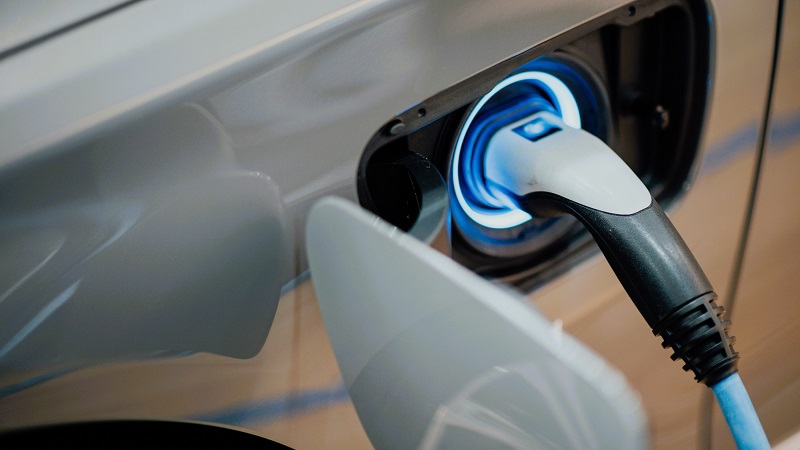
CCS2 is Australia's standard connector for DC fast charging. It combines a Type 2 plug with additional pins for high-speed charging. Most new EVs use CCS2, and fast-charging stations provide the cable, making long-distance charging convenient and straightforward.
According to energy.gov.au, CCS2 is the standard plug for DC fast charging in Australia. All new EVs and all new DC fast chargers use it. The cable is always attached at DC fast charging stations, so nothing needs to be brought along.
Home charging outlets: plugs vs. hardwiring
Home charging involves a choice between three installation approaches, each with different performance and cost implications.
3-pin powerpoint (Level 1)
Any existing 240V outdoor power point will work. No installation required beyond having the socket already in place. Charging speed is around 10 to 15 km per hour. Level 1 is fine for PHEVs. As a primary method for a full battery EV, it is not practical.
Portable EVSE (electric vehicle supply equipment)
A portable charger plugs into a standard 15-amp or 10-amp socket (depending on the model) and provides slightly more power than a bare 3-pin plug. These are often supplied with the vehicle. They are convenient for travel but still slow compared to a dedicated wallbox. Most deliver around 2 to 3.3 kW.
Hardwired Level 2 wallbox
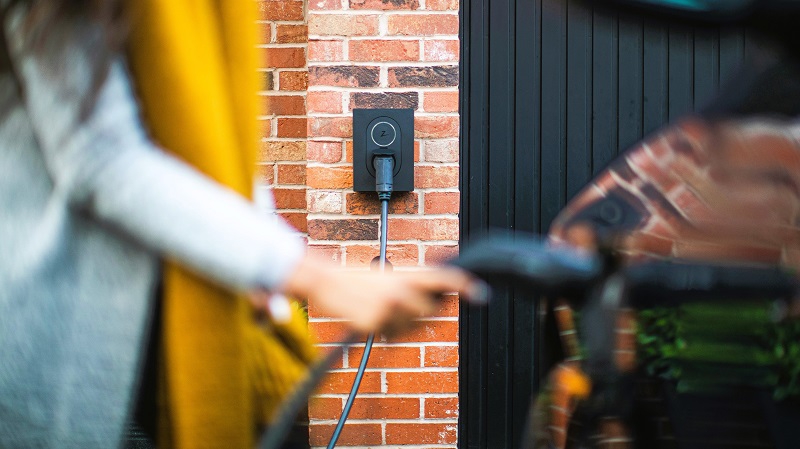
This is the standard home charging setup. A licensed electrician installs a dedicated circuit from the switchboard to a wall-mounted EV charger. Hardware costs typically range from $700 to $1,500 for the charger unit. Installation adds $400 to $700 depending on switchboard proximity and cable run distance.
However, after weighing speed, cost and installation rules, smart integrated wallboxes can help improve energy efficiency by linking EV charging to rooftop solar and home battery storage.
Combining a wallbox with solar battery storage extends that benefit into the evening, allowing EV charging from stored solar after dark. Additionally, all home EV charger installation must be carried out by a licensed electrician. High-current electrical work of this type is not a DIY project under Australian standards.
A prime example of a smart home EV charging solution
The EcoFlow PowerPulse 2 EV Charger is one example of how modern home EV charging solutions approach the needs of Australian households.
It offers adjustable charging speeds from 6A to 32A, letting the household balance charging speed against grid cost or solar availability. Charging at lower current during peak-rate evening hours, for example, or ramping up during the midday solar soak window when generation is cheapest.
Smart energy management is built in. The PowerPulse 2 integrates with the EcoFlow Home Energy Ecosystem. It can coordinate with a home battery system to charge the EV from stored solar when available rather than drawing from the grid. That integration can help reduce the per‑kilometre cost of EV ownership for households with solar and battery storage.
Its universal Type 2 connector works seamlessly with every new electric vehicle sold across Australia. IP55 weatherproof rating suits outdoor installation. The unit supports single-phase supply, which covers the majority of Australian homes. Actual charging speed, cost savings, and solar utilisation depend on household energy use, system configuration, and local electricity tariffs.
Wrapping up
Choosing the right electric car charger type is more straightforward than the terminology suggests. For most Australian homes, a Type 2 Level 2 wallbox hardwired by a licensed electrician is the practical daily charging answer. It delivers 7.4 kW overnight. CCS2 handles fast charging on the road.
The plugs and levels are fixed by the car already purchased. What changes with time is how smart the home charging setup becomes. Pairing a wallbox with solar and a battery lets the household charge from self-generated power rather than buying grid electricity. That reduces both cost and emissions per kilometre driven.
For a personalised recommendation on home EV charger installation based on the home's power supply and solar setup, contact our professional energy consultants.
Schedule Your Free Consultation Today!
What kind of product or solution are you interested in?

FAQs
Can I plug my EV into any public charging station?
Not always. Public AC chargers use Type 2, which all new Australian EVs support. Public DC fast chargers use CCS2, which all new EVs also support. Older stations may have CHAdeMO cables. If the car uses CHAdeMO for DC charging, CCS2 fast chargers are not compatible without an adapter. Checking connector compatibility before a road trip using apps like PlugShare or Chargefox avoids surprises.
Can I charge my EV using a standard household 3-pin wall socket?
Yes, with the right cable. Most EVs come with an adaptor that converts the Type 2 cable to a standard 3-pin 10-amp socket. It works, but it is slow, around 10 to 15 km of range per hour. It is fine for a PHEV or an occasional top-up. For a full BEV used daily, a dedicated Level 2 wallbox is strongly worth the installation cost.
What is the difference between a tethered and an untethered EV charger?
A tethered charger has a fixed cable permanently attached to the unit. Pick it up and plug it into the car. Simple. An untethered charger has a socket on the unit but no cable. The driver supplies their own Type 2 cable. Untethered units are more flexible if the household ever changes EV brands. Tethered units are more convenient day-to-day. Both deliver the same charging performance.