EAPA Vouchers Explained: How NSW Households Can Get Energy Bill Support
The NSW Energy Accounts Payment Assistance (EAPA) scheme issues digital vouchers worth $50 each to eligible households, directly offsetting overdue residential energy bills. You can receive up to $500 per fuel type per assessment, with an annual cap of $1,000 for electricity and another $1,000 for gas. The scheme targets NSW residents facing acute, short-term financial hardship.
This guide covers everything you need to know: what EAPA vouchers are, who qualifies, how to apply, what the assessment process involves, and practical strategies to help reduce your ongoing energy costs over the longer term.
Key Takeaways
Direct bill credit: EAPA vouchers are not cash. Approved credits go straight to your retailer including AGL, Origin, EnergyAustralia, or whichever provider you're with.
No concession card required: Eligibility rests on genuine, temporary hardship, not on holding a Centrelink concession card.
Covers both fuels: If you're eligible, you can get help with both your electricity account and your reticulated natural gas account.
Two ways to apply: Lodge your application online through Service NSW, or book an in-person or phone appointment with an accredited community welfare provider – think The Salvation Army, St Vincent de Paul, or Anglicare.
Lock in long-term savings: Use this short-term relief as a springboard. Pair it with smarter energy use and, where viable, residential battery storage to cushion your home against future tariff movements.

What Are EAPA Vouchers And How Do They Work?
When household finances hit an unexpected rough patch, EAPA acts as a circuit breaker to keep essential utilities connected.
Rather than handing out physical coupons or depositing funds into personal bank accounts, the NSW Government operates EAPA as an electronic voucher scheme. Once an assessment confirms your household is in genuine short-term distress, digital voucher units are generated and transmitted directly to your energy retailer, immediately knocking down your outstanding balance.
EAPA Voucher Amounts And Yearly Limits
EAPA assistance is issued in $50 units, with the amount awarded determined during the assessment. Under the current program settings, eligible households can receive up to $500 per application for electricity or natural gas.
Eligible customers may generally apply up to twice per financial year for each fuel type, subject to the assessment and program rules in effect at the time.
| Fuel Type | Maximum Per Application | Typical Maximum Across Two Applications | Notes |
|---|---|---|---|
| Electricity | Up to $500 | Up to $1,000 | Applied directly to the eligible electricity account |
| Natural Gas | Up to $500 | Up to $1,000 | Reticulated natural gas only |
| Both fuel types | Up to $1,000 across one application for each fuel type | Up to $2,000 | Subject to separate eligibility and assessment requirements |
EAPA limits and eligibility rules are subject to change. Check the latest NSW Government guidance before applying.
How EAPA Payments Are Applied To Your Bill
Once your application has been approved, the EAPA payment is applied directly to your eligible electricity or natural gas account rather than being paid into your bank account. The timing of the credit may vary depending on the assessment process and your energy retailer. Comparing current AGL energy rates with other retailer offers can also help households identify potential savings.
If you have booked an EAPA assessment, you should also contact your energy retailer and let them know. If your retailer is aware that you have an EAPA assessment appointment booked, it cannot disconnect your energy supply while you are waiting for the assessment.
Who Is Eligible For EAPA Vouchers?
Qualifying for EAPA does not depend on strict income brackets alone; instead, assessors examine your real-time capacity to pay your current utility debt.
NSW Residents Who Are the Named Account Holder
To claim support, you must live in New South Wales and hold an active, open residential account for electricity or natural gas. The utility bill must display your name (or your partner’s name, provided you share the primary residence). EAPA cannot be claimed on closed accounts, business premises, or holiday rentals.
Households in Temporary Financial Crisis
The scheme is explicitly tailored for short-term distress rather than ongoing base-level bills. Typical circumstances accepted by assessors include:
Sudden loss or reduction of household employment income.
Urgent medical expenses or long-term illness impacting living budgets.
Essential home maintenance emergencies (such as a burst water heater or urgent electrical repairs).
Family emergencies, bereavement, or domestic and family violence disruptions.
Do You Need a Concession Card to Get EAPA?
No, holding a Pensioner Concession Card or Health Care Card is not a general requirement for EAPA. The scheme exists to help NSW households facing short‑term financial hardship, crisis or emergency – specifically when there’s an overdue residential energy bill in play. During the assessment, your assessor looks at your actual circumstances and your capacity to pay, not whether you carry a concession card.
What this means in practice: you can still qualify for EAPA without a concession card, as long as you meet the other eligibility criteria.
How To Apply For EAPA Vouchers?
Securing voucher support follows a straightforward three‑step procedure. It’s structured to assess your situation fairly, with minimal red tape.
Find An Approved EAPA Provider
Assistance can be sought through two main paths:
Online through Service NSW – Lodge your application directly via the digital self‑service portal, using your MyServiceNSW account. It's available 24/7.
Through a community welfare organisation – If your situation is more complex, or you'd simply prefer to talk to someone face‑to‑face or over the phone, accredited non‑profit partners can step in. These include The Salvation Army, St Vincent de Paul Society, Anglicare, and Wesley Mission – all of which conduct independent assessments in person or by phone.
Gather Required Information And Documents
Having your paperwork ready before you apply can speed up approval considerably. Here's what to gather:
Your most recent electricity and/or gas bill – make sure it shows your account number, supply address, and current overdue balance.
Proof of identity – driver licence, Medicare card, or passport will do.
Evidence of household income – recent payslips, Centrelink income statements, or bank statements covering the last 30 to 90 days.
Receipts or quotes for any unexpected emergency expenses – for example, medical invoices or urgent repair bills.
Attend An Assessment Interview And Track Your Status
Whether you apply online or through an approved EAPA provider, your circumstances will be assessed before a decision is made. You may be asked questions about your household income, essential expenses, energy debt and the circumstances causing your financial hardship.
After booking an EAPA assessment, contact your energy retailer and let them know about the appointment. If the retailer knows that you have an EAPA assessment appointment booked, it cannot disconnect your energy supply while you are waiting for the assessment.
If your application is approved, the EAPA payment is applied directly to your eligible energy account. The timing of the credit may vary depending on the assessment process and retailer.
How Can Households Reduce Energy Costs Beyond EAPA?
EAPA can help address immediate financial pressure, but reducing ongoing energy consumption may help deliver savings over a longer period. Households can combine efficiency measures with available energy upgrade programs, solar generation and battery storage. Reviewing solar battery cost information can help households assess whether the potential long-term savings justify the upfront investment.
Improve Everyday Household Energy Efficiency
Start by identifying where your household uses the most electricity. Running washing machines on cold cycles, avoiding unnecessary standby consumption and using heating and cooling efficiently can help reduce day-to-day energy use. A connected Home Energy Ecosystem can coordinate monitoring, solar generation and storage in one place.
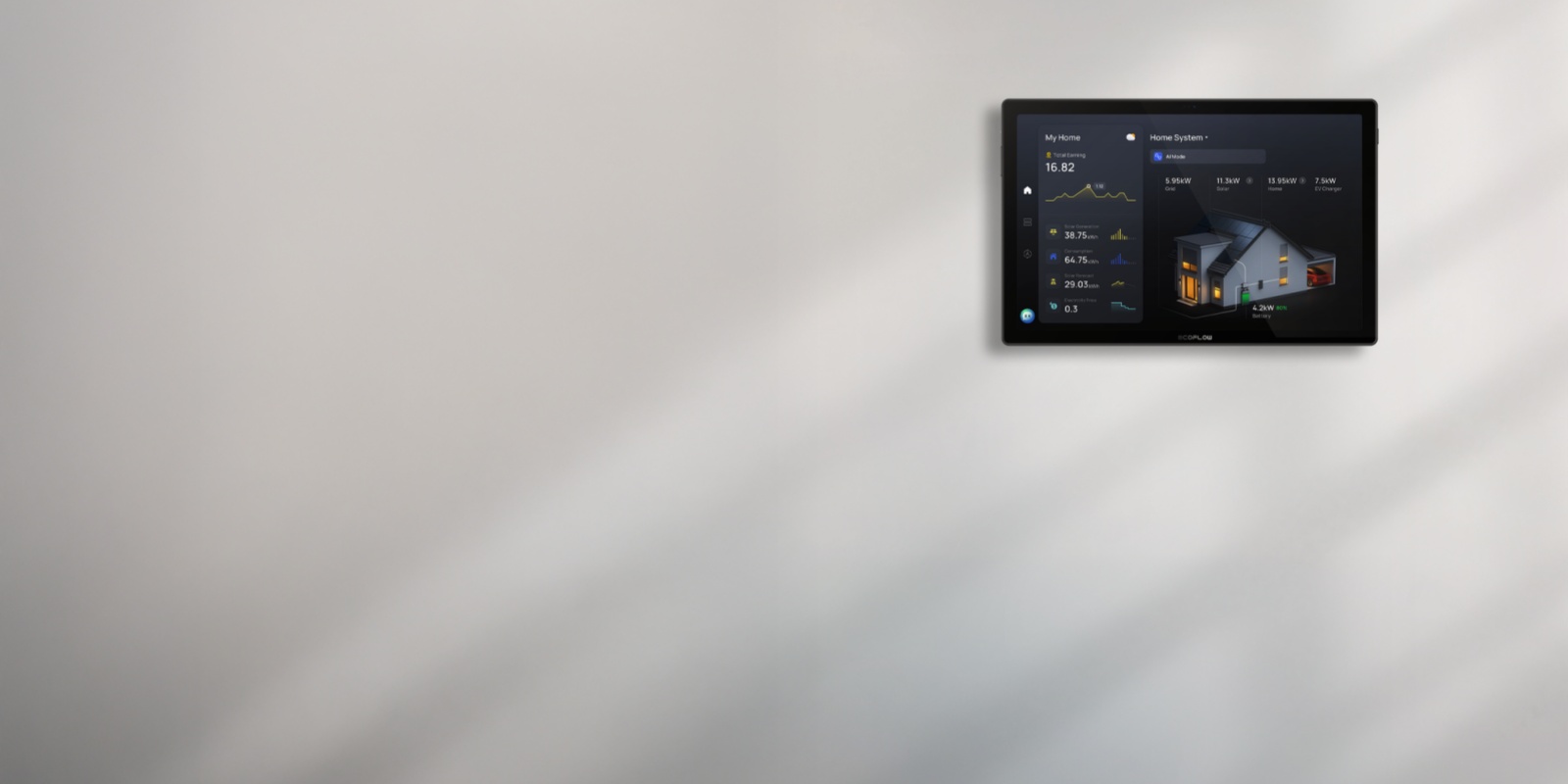
Smart energy monitoring can also make consumption patterns easier to understand. Tools such as the EcoFlow PowerInsight 2 can provide visibility into household electricity consumption, solar generation and battery storage, helping homeowners identify when energy-intensive appliances are being used.
Explore Energy Upgrade Support Programs
NSW households may also be able to access rebates, discounts or other support for energy-efficient upgrades. Depending on eligibility and the program available at the time, these may include more efficient hot water systems, air conditioning and lighting.
Before purchasing equipment, it is advisable to check the current NSW Government eligibility requirements and available incentives, as program conditions can change.
Consider Solar And Battery Storage
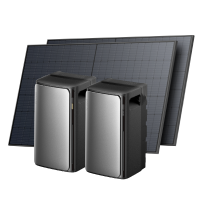
For households with rooftop solar, using more of the electricity generated during the day can reduce reliance on grid electricity. A home battery can store surplus solar generation and make that energy available later, including during evening periods when household demand may be higher An EcoFlow Solar Battery can store surplus daytime generation for use when household demand or grid prices are higher.
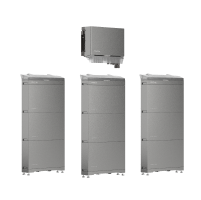
Systems such as the EcoFlow OCEAN 2 Plus Single-Phase can be considered by homeowners looking to increase solar self-consumption and manage household energy use. However, the financial value of a battery depends on factors such as electricity tariffs, solar generation, battery capacity, installation costs, system efficiency and household consumption patterns.
Schedule Your Free Consultation Today!
What kind of product or solution are you interested in?
Conclusion
A sudden financial shock should never force a family to choose between putting food on the table and keeping the power running. The NSW EAPA voucher scheme serves as an accessible, non-judgemental emergency buffer to help clear utility arrears when unexpected life events hit. By applying early, working transparently with your energy provider, and exploring tools like real-time energy monitors and battery storage, you can address immediate bill stress and work towards more manageable, predictable energy costs over time.
FAQ
How Many Times Can You Apply for EAPA?
You can generally receive EAPA vouchers up to twice per financial year per fuel type, up to the maximum annual limit of $1,000 for electricity and $1,000 for gas. Each application requires a new assessment to verify your ongoing or current financial hardship.
Can I Apply for EAPA Vouchers Online in NSW?
Yes, you can apply directly online through the Service NSW website using your linked MyServiceNSW account. The digital portal allows you to upload your bill, submit proof of identity and income, and track the progress of your application in real time.
How Much Discount do Pensioners Get on Electricity in NSW?
Eligible pensioners in NSW receive an ongoing discount of $285 per financial year (for standard retail customers) through the NSW Low Income Household Rebate. This rebate is applied as a daily credit directly across your regular quarterly power bills once registered with your retailer.
What is the Amount of the NSW Seniors Energy Rebate in 2026?
The NSW Seniors Energy Rebate provides $200 per financial year per eligible household. This payment is available to self-funded retirees who hold a valid Commonwealth Seniors Health Card and is paid directly into the applicant’s nominated bank account.