Daylight Saving Victoria: How Longer Evenings Affect Home Energy Use
When daylight saving starts in Victoria, the evenings stay lighter for longer. That can mean dinner outside, a walk after work or more time in the backyard. It can also change when you switch on lights, run appliances or turn on the air conditioner.
The effect on your power use depends on the weather, your home and your routine. This guide covers the 2026–27 daylight saving dates, what longer evenings may mean for household energy use, and a few practical ways to make the most of rooftop solar and lower-cost electricity.
Key Takeaways
Dates to remember: Victoria springs forward on Sunday, 4 October 2026 and returns to standard time on Sunday, 4 April 2027.
The net energy reality: Modest lighting savings are frequently outweighed by higher late-afternoon air conditioning loads during hot Victorian summers.
Shifted peak hours: Cooking, entertainment, and cooling demand cluster into a tighter, hotter late-afternoon and dusk window.
Smarter solar capture: Pairing daytime PV generation with a battery system allows households to store surplus solar for use during expensive evening peak tariff rates.
Visibility pays off: Monitoring energy flows via smart display consoles helps detect shifted usage patterns and fine-tune time-of-use habits.
When Does Daylight Saving Start and End in Victoria?
Victoria changes its clocks twice a year. Daylight saving starts on the first Sunday in October and ends on the first Sunday in April.
Daylight Saving Dates for 2026–2027
To keep your clocks and appliances aligned with local sunrise and sunset shifts, here are the official Victorian dates for the upcoming season:
| Period | Date | Time Change | Action Required |
|---|---|---|---|
| Starts | Sunday, 4 October 2026 | 2:00 am AEST 3:00 am AEDT | Turn clocks forward 1 hour (lose 1 hour of sleep) |
| Ends | Sunday, 4 April 2027 | 3:00 am AEDT 2:00 am AEST | Turn clocks backward 1 hour (gain 1 hour of sleep) |
While smartphones and smart meters adjust automatically overnight, mechanical timer switches, ovens, and older irrigation controllers will still need a manual tweak.
How Does Daylight Saving Change Household Energy Use?
The clock change does not alter how much daylight Victoria gets, but it shifts daylight later by the clock. That can affect when people use lighting, cooling and other household appliances.
Reduced Need for Evening Lighting
Natural sunlight sticking around well into the evening means interior downlights, hallway pendants, and bedside lamps stay off until dinner is practically over. Because darkness arrives an hour later by the clock, households naturally delay switching on living areas and garden lighting, trimming basic lighting loads right through spring and summer.
Changes in Cooling and Air Conditioning Demand
The most significant impact in Victoria happens on the thermal front. Melbourne’s notorious heatwaves, often driven by scorching northerly winds from the interior, mean peak daily temperatures don’t hit at midday; they typically bake brick veneers and roof cavities well into late afternoon. With daylight saving, families arrive home from work and school around 5:00 pm or 6:00 pm when the sun is still sitting high and ambient heat is near its peak. Instead of cooling a house during cooler dusk conditions, reverse-cycle air conditioners must ramp up harder to pull down blistering indoor temperatures, driving up peak cooling demand.
Changes in Household Activity Patterns
Extended daylight fundamentally alters family habits. Victorians spend more time outdoors after knock-off, firing up gas BBQs, heading to the park, or working in the garden, which initially defers indoor energy use. However, when everyone migrates back inside around 8:00 pm, cooking, laundry, TV streaming, and dishwashers run in a concentrated window, shifting the evening power peak into a narrower, sharper spike.

Does Daylight Saving Actually Save Energy?
Daylight saving may reduce the need for lighting at certain times, but that does not automatically mean lower electricity use overall. Heating, cooling and household routines can have a greater effect on a bill.
Why Longer Evenings Do Not Guarantee Lower Energy Use
LED lights use much less electricity than older incandescent bulbs, so keeping them off for an extra hour may make only a small difference to your bill. Air conditioning and other high-use appliances can have a bigger effect, especially on hot afternoons. That’s why longer evenings don’t necessarily lead to lower household energy use. For households considering storage, comparing solar battery cost with potential electricity bill savings can also help determine whether a battery is a worthwhile investment.
How Lighting and Cooling Demand Affect Energy Consumption
The interplay between lighting drops and cooling rises determines the bottom line on your quarterly bill:
| Energy Driver | What Actually Happens | Impact on Electricity Costs |
|---|---|---|
| LED Lighting | Lamps and ceiling lights remain switched off until late in the evening. | Minor bill reduction (savings are small due to low wattage). |
| Air Conditioning | Aircon kicks on earlier relative to sunset, battling sustained outdoor heat. | Moderate-to-high increase during hot December–February stretches. |
| Pool & Spa Pumps | Pools see heavier use after school and work, prompting longer filtering runs. | Noticeable increase if run during standard afternoon tariff rates. |
| Late Cooking | Ovens, air fryers, and cooktops add internal heat to already warm living spaces. | Compounds cooling strain on air conditioning systems. |
Why the Impact Varies With Household Habits and Weather
The effect varies from one household to another. A well-insulated home may stay comfortable as temperatures drop in the evening, while a home exposed to strong afternoon sun may need more cooling after work. Insulation, window shading and the weather all affect how much electricity you use. Households exploring ways to make better use of their solar generation can also learn more about EcoFlow solar battery solutions when comparing options for storing surplus electricity.

How Can Victorian Households Adapt Their Energy Use During Daylight Saving?
A few small changes can help keep energy use in check through the warmer months. Start with shading and ventilation, then look at when you run appliances and how much solar power your home uses.
Making Better Use of Natural Daylight
Before touching any dials, take full advantage of simple passive design tactics:
Keep sheer curtains or outdoor blinds drawn across west-facing windows during the heat of the afternoon to block radiant heat load.
Throw open doors and windows once the cool southerly buster rolls through in the evening, establishing cross-ventilation instead of leaving the split system humming.
Rely on the lingering dusk for meal prep and evening reading rather than switching on entire room downlight tracks.
Aligning Household Electricity Use With Solar Generation
If you have rooftop solar, running appliances during the day can help you use more of the electricity your system generates. The best time depends on your system and the weather, so check your solar app or smart meter to see when generation is usually highest. A fixed 12 pm schedule may not match your home’s solar output every day. Understanding this gap between generation and household demand is also useful when evaluating whether solar battery storage suits your energy needs.
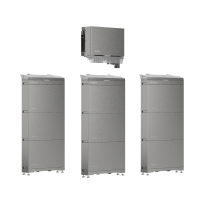
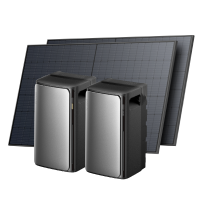
If your household uses more electricity in the evening, a battery can store surplus solar power for later use. The EcoFlow OCEAN 2 Plus Single Phase supports up to 24 kW of PV input and works with compatible storage configurations and energy management features. Whether a battery will reduce your bills depends on your system, electricity plan, solar generation and household usage.
Shifting Flexible Electricity Use to Lower-Cost Periods
Under Victorian Time-of-Use (ToU) electricity tariffs, peak rates typically kick in on weekday afternoons and evenings. Time-of-use tariff periods can vary by electricity retailer and plan. During daylight saving, households should check whether their peak and off-peak periods follow Australian Eastern Standard Time (AEST) or Australian Eastern Daylight Time (AEDT). Confirm the applicable hours with your electricity retailer before changing appliance or battery schedules. Schedule flexible, heavy consumers, such as dishwashers and pool pumps, well before this shifted window or overnight to avoid unexpected peak charges.
Monitoring Household Energy Use
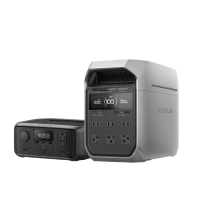
Understanding your consumption patterns is essential during daylight saving, as changing lighting, air conditioning, and recreational power needs can catch you off guard. Tracking your daily curves reveals exactly when peak loads occur and where power is leaking. Equipped with a vivid 11 inch touchscreen, the EcoFlow PowerInsight 2 helps homeowners view energy data from compatible systems at a glance. By providing a clear, real-time snapshot of home energy flow, it delivers the visibility you need to make sensible, informed adjustments to everyday energy habits throughout the warmer months.
Schedule Your Free Consultation Today!
What kind of product or solution are you interested in?
Conclusion
Daylight saving gives Victorians more light in the evening, but its effect on power bills depends on how each household uses that extra daylight. Lighting use may fall for a while, while cooling and appliance use can vary with the weather and daily routine.
Shade the home before hot afternoons, use solar power when it is available, and check your electricity plan before shifting appliances to a different time. If you have rooftop solar, tracking your household’s usage can help you decide whether a battery would make sense.
FAQs
Are Solar Batteries Worth It in Victoria?
Yes, solar batteries are increasingly worth it for Victorian households, particularly for families who use most of their power during late afternoons and evenings. Victoria’s relatively low solar feed-in tariffs (often under 5 cents per kWh) mean storing excess solar power on-site to offset peak retail grid electricity yields far greater economic return than exporting it.
Why Do Some Australian States Not Observe Daylight Saving Time?
Queensland, WA and the NT skip daylight saving because they sit closer to the equator, so day length barely shifts through the year. In the tropics and subtropics, stretching evening daylight buys you little and it keeps homes hotter for longer, pushing up evening cooling bills.
How Much Does a Home Battery Cost in Victoria?
A standard residential solar battery in Victoria usually runs $9,000 to $16,000 fully installed, depending on usable capacity, brand, inverter compatibility and how fiddly the install is. While Solar Victoria’s state rebates and interest-free battery loans are now closed, eligible households can access point-of-sale discounts through the federal Cheaper Home Batteries Program. Paired with green finance options and VPP sign-up incentives, these programs help significantly lower the upfront cost.
Can Daylight Saving Affect How Much Solar Energy a Home Battery Stores?
No. Daylight saving doesn’t change how much sun hits your panels or how much your battery holds, it just shifts your solar window against the clock. Peak generation tracks solar noon, not clock time, so true peak lands about an hour later (around 1:00–1:30pm AEDT). That delay works in your favour: it stretches useful generation deeper into the late afternoon, closing the gap between sunset and the evening power spike.
Do I Need to Adjust My Home Battery Settings When Daylight Saving Starts?
Yes, you should double-check your tariff schedules. While smart batteries sync their display clocks via Wi-Fi, Victorian electricity distributors (DNSPs) usually log smart meter data in fixed standard time (AEST) year-round. If your battery uses automated tariff-matching profiles, ensure discharge schedules align with when your retailer actually charges peak rates—which will sit one hour later on the clock during daylight saving (e.g., a 3:00 pm AEST peak becomes 4:00 pm AEDT)