Types of Renewable Energy: A Beginner’s Guide to a Greener Future
Australia's energy mix is changing fast. In 2025, renewables supplied around 43% of the country's electricity. A decade ago that figure was 17%. Solar is now the second-largest source of electricity nationally, sitting just behind black coal.
For households, that shift has practical consequences. Grid prices reflect the energy mix. Feed-in tariffs have fallen as solar export volumes grew. Battery storage is becoming a normal part of home energy planning. Understanding where renewable energy fits into all of this is no longer just for engineers.
This guide covers what renewable energy is and the main types of green energy sources generating power today. It also covers why the transition matters and what Australian homeowners can do to benefit directly.
What is renewable energy?
Renewable energy comes from sources the planet continuously restores. Sunlight. Wind. Moving water. Geothermal heat. Organic matter. These resources replenish on a human timescale. Using them does not deplete them for future generations.
That is the core distinction from fossil fuels. Coal and gas took millions of years to form. Burning them releases carbon stored over geological time and reduces a finite resource. Capturing sunlight or wind does neither.
The energy.gov.au statistics for 2024 put renewables at 36% of Australia's total electricity generation, a record for that year. Solar was the biggest slice at 18%, wind at 12%, hydro at 5%. The Clean Energy Council's 2025 figures pushed that share to 43%. By Q1 2026, renewables were covering 46.5% of National Electricity Market generation.
These are electricity figures only. Transport and industry in Australia still run largely on fossil fuels. The electricity grid is where the renewable transition is most visible.
The core types of renewable energy
So how many types of renewable energy are there? The answer depends slightly on how broadly the category is drawn. In practical terms, five sources make up the bulk of what is being built and used globally right now.
Solar energy
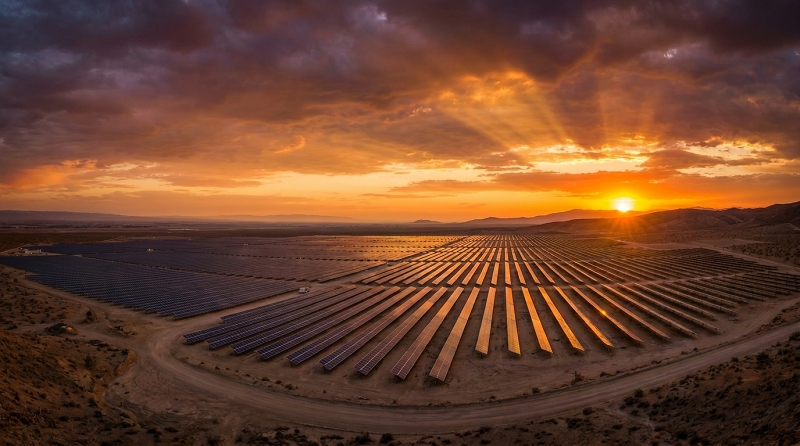
Most rooftop solar runs on photovoltaic panels. Silicon cells inside each panel absorb light and produce a direct current. An inverter takes that raw DC and turns it into the AC electricity household appliances actually run on. There is also a utility-scale version called concentrated solar thermal, which uses mirrors to focus sunlight onto a fluid, heat it, and drive a steam turbine. That one rarely shows up on residential roofs.
Australia gets some of the highest solar irradiance of any inhabited continent. Small-scale rooftop solar grew 15% in 2024. Over 4.4 million Australian homes now have panels. Solar is one of the different types of renewable energy where Australia's geographic advantage is clearest.
Wind energy
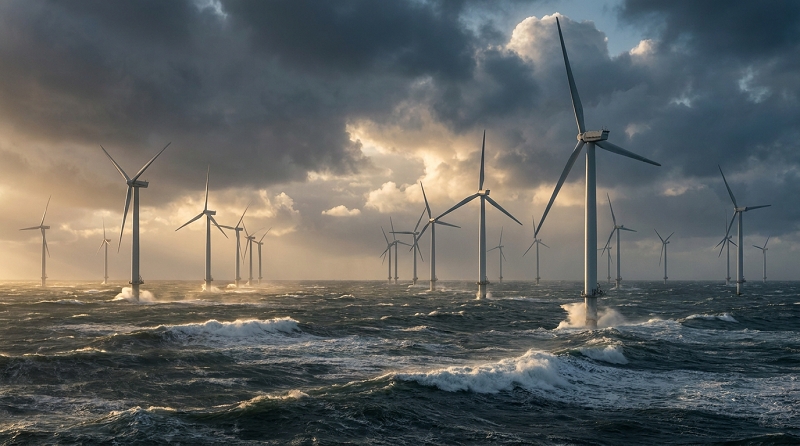
A spinning rotor is at the heart of every wind turbine. Moving air pushes the blades. The rotor turns a generator. Wind now supplies around 12% of Australia's electricity. Most of the capacity sits in south-eastern Australia, the south-west of Western Australia, and parts of Queensland.
Wind and solar complement each other. Wind tends to peak in cooler months and at night. Solar peaks during warm daylight hours. A grid with both is more consistent than one relying on either source alone.
Hydropower
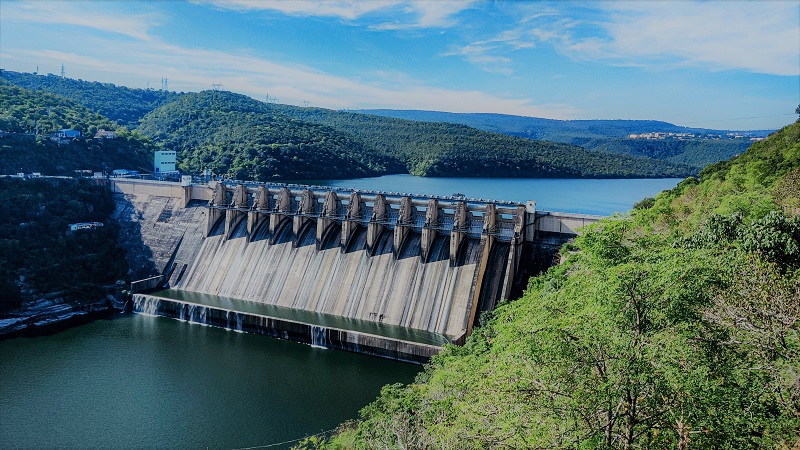
Hydropower has been generating electricity in Australia since 1916, when Tasmania's first hydro scheme switched on. The principle is simple: water flows through a turbine, the turbine spins a generator. Tasmania still gets around 94% of its electricity from renewables, with hydro doing most of the heavy lifting.
The main advantage of hydro is dispatchability. Operators can store water and release it on demand. That makes it a valuable stabilising resource as variable renewables scale up across the NEM.
Biomass energy
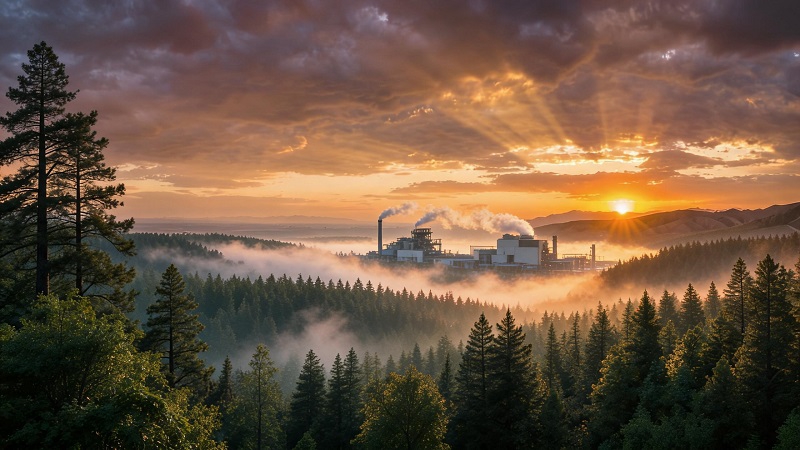
Biomass covers a wide range of organic materials burned or converted into usable energy. Farm waste, timber off-cuts, and fast-growing crops can all be processed into electricity, heat, or liquid fuel. The conversion method varies depending on the feedstock.
Biomass is sometimes classified as renewable because the carbon it releases was absorbed during plant growth. Its net environmental benefit depends heavily on what feedstock is used and how it is sourced. It is among the more contested of the different types of renewable energy from an emissions accounting perspective.
The environmental and economic benefits of renewable energy
Renewable energy delivers both environmental and economic benefits by reducing greenhouse gas emissions, lowering energy costs, improving energy security, and supporting long-term sustainable growth.
Environmental impact and decarbonisation
Electricity is where the emissions story has moved fastest. Coal generation hit a new Q1 low in 2026, down 4.4% from the same quarter the year before. Gas dropped too, hitting its lowest quarterly average since Q4 1999. Renewables filled much of that gap.
At the household level, switching from grid electricity to solar generation reduces the carbon intensity of daily energy use. The scale of that reduction depends on the local grid mix. A solar household in coal-heavy New South Wales is displacing higher-emissions electricity than one in South Australia, where renewables already dominate.
Economic growth and job creation
Australia's clean energy sector has attracted substantial private investment over the past decade. Wind and large-scale solar projects create construction and maintenance jobs in regional areas. The Clean Energy Council describes the sector as driving a jobs and investment boom across regional Australia.
For households, the economic case for solar is tied to self-consumption. The more solar generated on-site and used directly, the less grid electricity is purchased at retail rates. The scale of savings varies with system size, tariff structure, and daily usage patterns.
Energy independence and price stability
Once installed, solar and wind generation have near-zero fuel costs. The capital cost is upfront. After that, the marginal cost of each kilowatt-hour generated is low. That is structurally different from fossil fuel generation, where the fuel cost is ongoing and linked to commodity markets.
For households, generating power on-site provides some insulation from retail price movements. How much depends on how much of the home's load is covered by self-generated power versus grid imports.
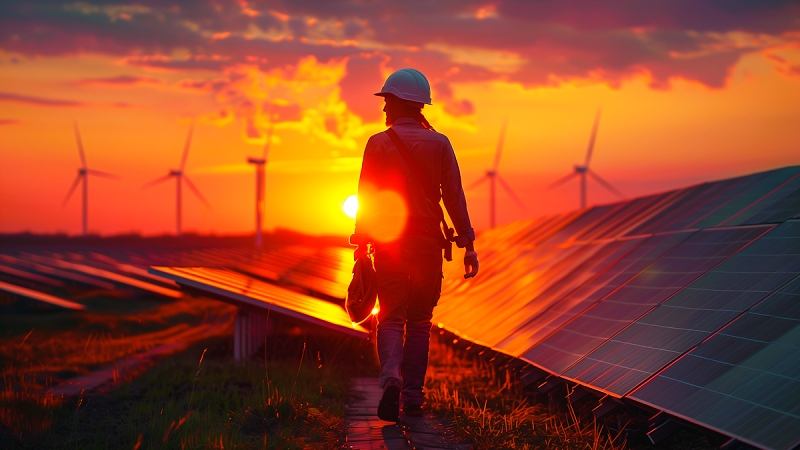
Centralized vs. distributed power: how clean energy reaches you
Clean energy reaches homes through both centralized power plants and distributed systems, each offering unique benefits for reliability, efficiency, and energy independence.
Centralized generation
Utility-scale renewable projects connect directly to the high-voltage transmission network. These include large wind farms and solar farms above 5 MW. They generate electricity in bulk and deliver it across long distances to distribution networks and then to homes.
In 2026, around 2.6 gigawatts of new utility-scale solar projects started construction. More capacity is committed through the Capacity Investment Scheme. Australia's utility battery storage capacity has also tripled since 2024.
Distributed generation
Distributed generation refers to smaller systems installed close to the point of use. Rooftop solar is the dominant example in Australia. Over 4.4 million households generate electricity on-site, reducing how much needs to travel from distant power stations.
Distributed generation eases pressure on network infrastructure and lets households participate directly in the energy system. It also creates grid management challenges. When large numbers of households export surplus solar at the same time, it can affect local voltage stability.
Smart grid and net metering
Old electricity infrastructure was one-directional. Power flowed from generators to homes. Smart grid upgrades add communication in both directions. Smart meters sit at the household end of that upgrade. They log 30-minute consumption intervals, talk back to the retailer, and make time-of-use tariffs and net metering actually workable.
Net metering in Australia is implemented primarily through feed-in tariffs. Households receive a credit for electricity exported to the grid. In most states, those rates have declined as solar export volumes increased. That is one reason battery storage has become more relevant for solar households.
How homeowners can maximize renewable energy benefits
Home solar and storage directly reduce reliance on the types of non-renewable energy that still dominate evening peak generation in Australia. Gas and coal cover most of the demand that solar cannot reach. A battery system addresses that gap.
Storing excess solar energy for later use
Solar panels generate most power between 10 am and 3 pm. Household demand peaks in the late afternoon and evening. Without storage, surplus daytime solar goes to the grid at a low feed-in rate. The household then buys power back in the evening at a much higher retail rate.
A home battery intercepts that surplus. It covers evening demand from stored solar, reducing grid imports during expensive peak hours. The scale of bill reduction depends on battery capacity, household usage patterns, and local tariff structure. Working out what size solar battery is needed before comparing products helps set realistic expectations.
Backup power during grid outages
Home battery systems with backup switching keep essential appliances running during grid outages. The battery isolates from the grid and supplies the home until grid power returns.
This is relevant across many Australian regions. Summer storms, cyclones, and bushfire-related disruptions all cause outages. The appliances that can be supported and the duration of backup depend on battery capacity and inverter design.
Choosing the right home energy storage system
Selecting a home battery system involves weighing several factors. Battery chemistry, usable capacity, modular expandability, safety certifications, and inverter compatibility all matter.
LFP (lithium iron phosphate) chemistry is the standard recommendation for Australian residential installations. It offers better thermal stability than older lithium-ion types and performs well in sustained heat. DC-coupled systems connect solar panels to the battery before the inverter. This avoids an extra conversion step and reduces energy losses compared to AC-coupled alternatives.
Australian solar households need home batteries built to withstand local hot weather, scalable capacity for growing power loads, and safe LFP chemistry for long-term daily cycling. Many modular storage systems integrate these key practical features to maximise self-consumption of rooftop solar.
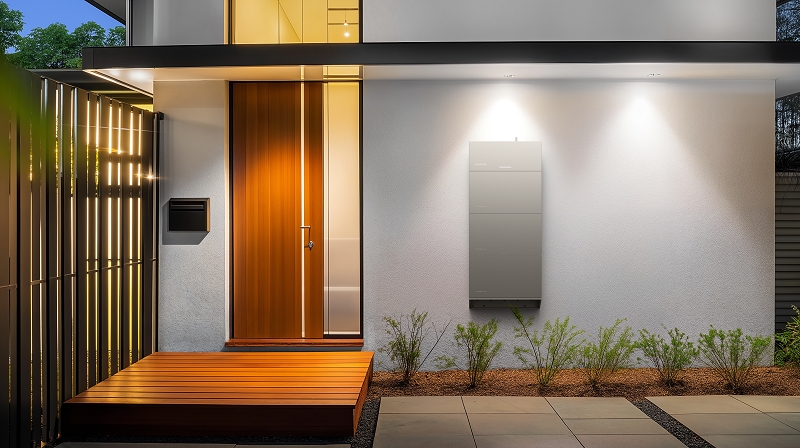
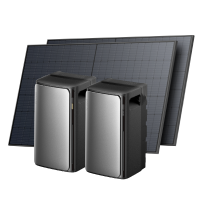
A modular solution such as the EcoFlow PowerOcean Single-Phase Battery delivers a practical modular storage design tailored to Australian residential energy demands. It uses LFP chemistry, supports capacity expansion from 5 kWh per unit, and carries IP65 weatherproof certification suited to Australian climate conditions.
The future of renewable energy
Battery storage is scaling at both the utility and household level. Utility battery capacity in Australia tripled in 2025. More than 350,000 home battery systems are now helping displace gas generation during evening peaks. Over 10 GWh of home storage has been installed nationally.
Grid modernisation is ongoing. Interconnector expansion and smart meter rollout are both underway. Distributed generation is also being integrated into grid management platforms. Together, these build a grid that works reliably with high renewable penetration.
Emerging technologies at various stages of development include green hydrogen, offshore wind, and enhanced geothermal systems. Green hydrogen is receiving significant investment as a potential fuel for heavy industry and export. Offshore wind is the subject of several committed projects off Victoria's coast.
Virtual Power Plants aggregate home batteries into coordinated grid resources. They are already operating commercially in Australia. They represent one pathway through which residential storage contributes directly to grid stability while earning bill credits for enrolled households.
Signing off
Not every renewable source works the same way or suits every location. Solar dominates in Australia's sunny interior. Wind holds the south and west. Hydro anchors Tasmania. Geothermal and biomass play smaller, more niche roles. The mix that makes sense depends on geography, grid needs, and what is available.
For most Australian households, the most direct entry point is rooftop solar and a battery. Solar cuts daytime grid purchases. A battery covers the evening. Together they shift the household's relationship with the grid from dependence to something closer to backup.
The transition is underway, but it is not uniform across all sectors or states. Understanding the technology and the options available helps households make informed decisions about their own energy setup.
For a personalised assessment of home solar and storage options, contact our professional energy consultants based on actual household usage and local grid conditions.
Schedule Your Free Consultation Today!
What kind of product or solution are you interested in?
FAQs
Can a home run 100% on renewable energy?
A home with large enough solar and battery storage can meet most of its electricity needs from on-site generation across most of the year. Covering extended cloudy periods or very high-consumption days typically requires a large battery bank, a backup generator, or grid connection as a safety net. Most Australian households with solar and storage still maintain grid connection.
What is the lifespan of modern home storage batteries?
LFP batteries used in residential systems are generally rated for 10 to 15 years of operation, or several thousand charge cycles. Actual lifespan depends on installation conditions and charge management. Installing in a shaded, ventilated spot and keeping firmware updated both help extend cell life in Australian conditions.
Why is a DC-coupled storage system better than an AC-coupled one?
In a DC-coupled system, solar energy flows directly into the battery before reaching the inverter. This skips one conversion step, which reduces energy losses. AC-coupled systems convert solar DC to AC and then back to DC for storage, which introduces additional conversion losses at each step. DC coupling is generally more efficient. AC coupling is more flexible for retrofitting storage onto existing solar systems.