Compare Energy Plans SA (South Australia) - Save More With Top 3 Plans
South Australians pay some of the highest electricity bills in the world. Many households waste hundreds of dollars on outdated energy plans. Comparing energy plans in SA can save you serious money every year. Energy prices in SA keep changing more than ever before. Solar, batteries, and EVs are reshaping how homes use power. This article covers top SA plans, comparison tips, bill-reduction strategies, and the best battery storage solution available today.
Understanding how electricity pricing works in South Australia
There are two elements to your electricity bill. The daily connection fee is paid in addition to the usage charges. When you know both, you can select the appropriate plan.
Daily supply charges
Supply charges are set at daily charges for electricity. Despite their low electricity consumption, households pay them. Apartments are generally more expensive to supply in smaller apartments. Homeowners who use less should shop around for supply rates. Power rates vary widely across electricity retailers today.
Usage rates (c/kWh)
The usage rates are expressed as the cost per kWh of electricity used. The more it is used, the higher the electricity bill becomes each month. Smaller usage rates tend to be better for larger families. If you have numerous appliances in your home, you should consider usage fees before choosing an electricity plan.
Single-rate vs time-of-use tariffs
A single-rate tariff is a fixed rate for both day and night usage. TOUs are tiered rates that charge different prices at different times of day. Household electricity rates are usually lower outside peak hours. TOU electricity plans might be well-suited for families that charge EVs at night.
Solar feed-in tariffs (FiTs)
Solar feed-in tariffs are a way of rewarding solar energy exported to the grid. Households sell daytime solar generation to retailers at a price. There are large differences between the feed-in tariff rates offered by electricity retailers. Households should compare the feed-in tariff and usage charge before deciding on plans.
Why compare energy plans SA matters in 2026?
SA energy prices are moving faster than most people can imagine. Households are losing hundreds of dollars per year by being on the wrong plan.
Electricity prices continue to fluctuate
Wholesale electricity prices rise during periods of high electricity demand, such as the summer. The rates are also regularly adjusted due to supply shortages and increased demand. Families that compare plans pay less in advance, before bills become costly. Comparisons will save the household budgets.
Many households are still overpaying on legacy plans
Older electricity plans have high rates and hidden conditions. Many households don't review a contract after moving to a new home. If you're looking at present offers, you can locate discounts, flexible billing, and support. Plan reviews save unnecessary expenditures.
The rise of solar, batteries, and EVs changes energy needs
This changes how households use electricity through solar panels, Battery Management System (BMS), and electric vehicles. Many of the new schemes include some benefits for daytime exports and nighttime vehicle charging. If they are a family that uses contemporary technology, they need flexible pricing and features. Saving and support are ensured through plan comparisons.
Three Cheapest electricity plans - Compare energy plans in South Australia
Learn about a straightforward comparison of some of the most popular SA electricity plans. Record usage, supply costs, and annual costs to better select.
Comparison of single-rate electricity plans
The cost will depend on how much you use and how your household uses it. The lowest cost plan will depend on the individual's consumption pattern. Low usage rates might result in high supply charges. The more you use, the less you pay. Shop around for annual charges, supply fees, and usage. Some plans may seem like a bargain, but they're actually more expensive in the long run. Before you select an electricity plan, always check your bill. Shop around to determine the best overall savings plan for you.
Provider | Plan | Supply Charge (c/day) | Usage Rate (c/kWh) | Estimated Annual Cost |
Lumo Energy | Lumo Basic | 101 | 40.65 | $2,520 |
Energy Locals | Residential Classic | 135 | 38.5 | $2,530 |
Flipped Energy | Anytime Switched On! | 116.9 | 39.78 | $2,532 |
Origin Energy | Origin Go Variable | 102.2 | 42.44–45.87 | $2,619 |
OVO Energy | The One Plan | 118.8 | 42.9 | $2,704 |
Comparison of Time-of-use (TOU) plans
Time-of-use plans rework electricity pricing and are based on hourly rates. Households can gain from changing their consumption habits during peak periods. Washing machines, dishwashers, batteries, and EV charging should be done outside peak hours. TOU rates are comparable to flat rates during non-peak hours. Helps to reduce electricity cost and overall electricity demand. Smart scheduling optimizes energy savings and home efficiency day by day.
Provider | Peak Rate | Shoulder Rate | Off-Peak Rate | Daily Charge | Estimated Annual Cost |
Energy Locals | 57.50c | 33.00c | 25.50c | 136.5c | $1,809 |
ENGIE | 47.23c | 33.14c | 17.12c | 105.29c | $1,875 |
Flipped Energy | 63.38c | 39.59c | 10.92c | 121.0c | $1,856 |
Momentum Energy | 40.04c | 31.35c | 25.63c | 170.06c | $1,962 |
Origin Energy | 53.69c | 31.71c | 26.49c | 104.45c | $2,063 |
Comparison of solar energy plans
Plans need to be tailored to energy export for solar battery houses. A Virtual Power Plant is a network of many home batteries. Retailers use this network during periods of high electricity demand. Joining a VPP program can help you get better feed-in rates. But the retailer has some control over your battery in VPPs. The stored energy can be released to the grid rather than to your house.
Retailer | Battery Plan | Peak Export Incentive | VPP Required | Notable Benefit |
AGL | Battery Rewards | 25c/kWh (5 pm–9 pm) | Optional | Up to $1,600 gift card rewards |
Origin Energy | Battery Maximiser | 22c/kWh peak FiT | Yes | Automated battery optimization |
Origin Energy | Battery Starter | 18c/kWh peak FiT | No | Manual battery control |
EnergyAustralia | BatteryEase | 12c/kWh FiT | Yes | Monthly participation credits |
How to compare electricity plans step-by-step (SA guide)
Step 1: Check your last 12 months of electricity usage
Pull out your last four electricity bills now. Add up your total kilowatt-hours used each quarter. This number tells you exactly how much power you consume annually.
Step 2: Identify your tariff type
Your tariff type is clearly mentioned in your bill. You are either on flat-rate, TOU, or controlled load. When you know this, you can compare the appropriate types of plans.
Step 3: Compare supply and usage charges
Don't compare supply charges and usage rates alone. A low rate per use and a high daily fee are more expensive. Always work out the total cost per annum before making the decision.
Step 4: Check solar export rates
Solar households have to compare the feed-in tariffs from the various retailers. The export rate does not necessarily reflect export value. Don't forget to compare it directly with that retailer's usage rate as well.
Step 5: Review contract flexibility and exit fees
High exit fees are found in some plans. Always read the terms of the contract before making any changes in plans. Choose market offers that have flexibility and no switching fees.
Step 6: Use comparison platforms to evaluate real-time deals
Platforms like Compare & Connect display existing deals in the SA market. Fill in information on your use and receive tailored cost projections. This cuts your manual research time by hours each time.
How to reduce electricity bills in South Australia
South Australian households face some of the highest electricity prices in the country, making energy-saving strategies more important than ever. Fortunately, small daily changes and smarter energy management can significantly reduce long-term power costs. Some of these strategies are:
Reduce standby and phantom power usage
Standby electronics silently suck up power, increasing your bills. Turn off appliances at the power point when not being used. When not in use, unplug TVs, chargers, and consoles. Smart power boards automatically turn off devices that aren't in use. Standby waste is lowered by hundreds of dollars a year through small daily habits.
Improve home heating and cooling efficiency
Seal around doors and windows. With good ceiling insulation, heat loss does not occur on cold nights. Heavy curtains are effective in blocking out summer heat. Avoid setting your air conditioner below 24 degrees. Turn off the doors to unused rooms to save energy.
Shift electricity usage to off-peak periods
Use the dishwasher's delay-start button to run it overnight. Fill up your car at the lowest rates, in off-peak hours. Program the pool pump to run during low hours. Take advantage of smart timers to automatically program appliances. These changes enable actual savings on time-of-use tariffs.
Pair solar with advanced battery storage
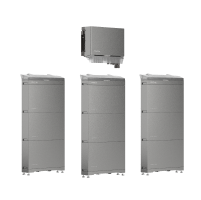
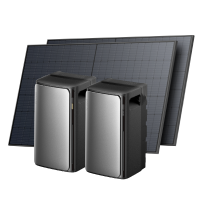
One of the useful ways to reduce the electricity bill is to use a solar battery. OCEAN 2 Plus Single-phase is a single-phase home energy storage system. It supports whole-home backup power and high-load household electricity demands, and features a modular, scalable design that can be expanded up to approximately 300kWh through multiple system configurations.
The system uses LFP batteries with a lifespan of up to around 10,000 cycles, and is equipped with multiple MPPT inputs (up to three), allowing it to optimize solar energy capture and adapt to complex rooftop photovoltaic layouts.

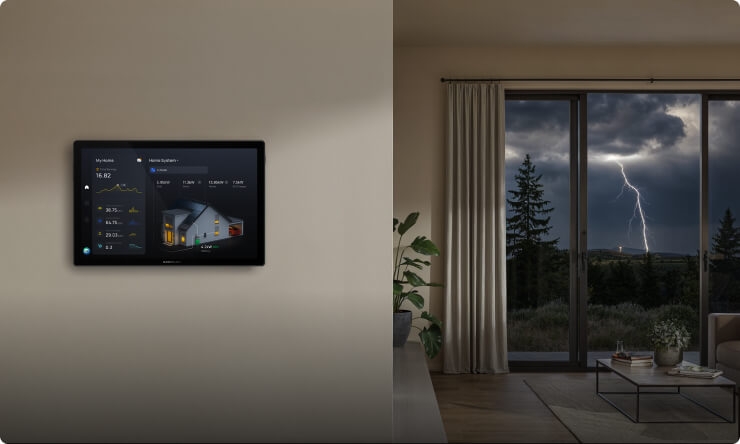
On the basis of OCEAN 2 Plus Single-phase being responsible for power generation, energy storage, and power supply, households also need a visual energy management entry, and PowerInsight 2 Monitor is precisely designed to fulfill this function. It features an approximately 11-inch high-resolution touchscreen that displays real-time household electricity usage, solar power generation, and battery charge/discharge status, allowing users to clearly understand the overall flow of energy in their home.
Ready to reduce electricity bills? Contact EcoFlow professional energy professionals to request a consultation today.
Schedule Your Free Consultation Today!
What kind of product or solution are you interested in?
Conclusion
Compare Energy Plans SA (South Australia) possesses significant importance. It helps South Australians to lower their electricity bill. Old plans cost households hundreds of dollars annually without anyone ever knowing. Making changes, such as shifting consumption to non-rush-hour times, can make a big difference. Reducing standby power and sealing draughts also makes a quick contribution to cost reduction. The best way to save energy is to store it for solar households. Can attain maximum solar savings and protect homes during blackouts. A good plan and clever storage solutions always prevail. Make comparisons today and control your energy bills.
FAQs
Who is the cheapest energy provider in SA?
Origin Energy, AGL, and EnergyAustralia consistently offer competitive retail electricity rates across South Australia. However, "cheapest" depends heavily on your usage profile and tariff structure. Regularly comparing standing offers with market offers saves SA businesses significant money.
Where can I compare energy plans Adelaide online fast?
Energy Made Easy and Compare the Market deliver instant, side-by-side plan comparisons for Adelaide businesses. Both platforms pull live retailer data directly. Entering your NMI number generates personalized results within minutes, enabling faster, more operationally efficient plan-switching decisions.
Which energy provider is the cheapest in South Australia?
Lumo Energy currently offers SA's lowest estimated annual cost. Their Lumo Basic plan costs around $2,520 yearly. However, the cheapest provider depends on your household usage. Always compare supply charges and usage rates together carefully.
Is there a solar rebate in South Australia?
The federal Small-scale Technology Certificate scheme is available to SA households. This solar rebate is a great way to make solar power more affordable up front. The rebate amount will vary based on the system's size and location. Only use an accredited installer through the Clean Energy Council.
What is the best site to compare energy prices?
In Australia, some of the most commonly used electricity price comparison websites include Canstar. These platforms allow users to compare different energy plans by state and usage level, and provide estimated annual costs. If you want the most official and objective data, you can use the government’s Energy Made Easy (AER) tool.
What is the best way to compare solar energy plans?
Always compare the feed-in tariff with the usage rates. Add both charges together to find the total cost per year. If you have a home battery, think about battery plans. This is made much easier with platforms such as Compare & Connect.