CEFC Green Loan Australia: Financing Solar and Battery Storage Upgrades
Rising electricity costs are pushing more Australian households towards solar and battery storage. But the upfront cost can be a real obstacle. The Clean Energy Finance Corporation (CEFC) doesn’t lend to households directly. Instead, it runs a $1 billion Household Energy Upgrades Fund (HEUF) that supports participating lenders . Those lenders then offer discounted finance for eligible upgrades . This guide breaks down how the scheme works, who may qualify, and what to check before you apply.
Key Takeaways
How the finance works: The CEFC doesn't lend to homeowners directly. It works through the $1 billion HEUF, backing participating lenders to offer discounted finance on eligible energy upgrades.
Eligible tech: The loan covers solar PV, standalone or retrofitted batteries, hybrid solar‑battery systems, heat pumps, and EV charging gear.
How much you can borrow: Green loan amounts commonly range from several thousand dollars up to around $50,000, depending on the participating lender, product type, and applicant circumstances.
Compliance requirements vary by finance product: Eligible equipment, installer accreditation and supplier requirements depend on the participating lender and the type of upgrade. For solar and battery installations, check the lender’s current eligibility criteria and ensure the installation meets applicable Australian accreditation, safety and technical requirements.
Smart storage value: Future‑proof your setup with expandable battery hardware and live energy monitoring. As your household adds more electric loads and EV charging, you'll be set up to maximise self‑consumption.
How Does CEFC-Supported Green Finance Work in Australia?
You don’t apply to the CEFC for a loan. Through the Household Energy Upgrades Fund, they back participating lenders who then offer discounted finance for eligible home upgrades.
Right now, lenders like ING, Plenti, and Brighte have HEUF‑supported products, and CommBank also offers finance through the fund. Loan amounts, interest rates, eligibility, and repayment terms vary by lender, so check the specific product before you hit apply. Don’t assume they’re all the same.
How Green Finance Can Help With Solar and Batteries
Without a battery, extra solar gets pushed to the grid. A battery changes that. It stores that power for when you actually need it, so you’re buying less from the grid later.
A green loan spreads the system cost over time. Before applying, homeowners should compare the solar battery cost with expected electricity savings, considering their energy usage, tariff structure, feed-in rates, and loan terms. Run the numbers for your situation, not a generic example.
What Solar and Battery Upgrades Can Be Financed Through CEFC-Backed Loans?
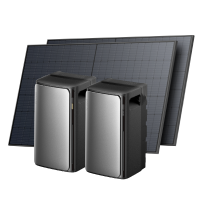
Eligible upgrades depend on the lender and finance product. Solar PV, home batteries, EV charging equipment and other energy-efficiency improvements may be covered under participating programs. Choosing reliable storage solutions, such as an EcoFlow Solar Battery, can help households make better use of financed solar upgrades by storing excess generation for later use.
| Upgrade Category | Financed Equipment | Primary Household Benefit |
|---|---|---|
| Solar Panel Systems | Monocrystalline Tier-1 PV arrays, microinverters, string inverters | Generates free, clean daytime power to offset high daytime retail electricity tariffs. |
| Battery Storage Systems | High-voltage LiFePO₄ batteries, hybrid inverters, DC-coupled storage | Stores daytime solar surplus for evening use, blackout backup, and off-peak charging. |
| All-in-One Solar & Battery Packages | Integrated solar array + modular hybrid storage + smart energy controllers | Complete energy independence, high self-consumption, and future EV charging support. |
| Electrification Add-ons | Heat pump hot water, split-system AC, Level 2 EV home chargers | Converts thermal and transport energy loads from expensive gas/petrol to self-generated solar. |
Solar Panel Systems
Financing covers complete rooftop PV setups, from high-efficiency monocrystalline panels and mounting hardware to standard string inverters or microinverter systems. Many solar finance programs require eligible systems to use products listed on recognised clean energy approval databases, such as the Clean Energy Council approved products list.
Battery Storage Systems
Financing applies to standalone battery storage units added to existing solar setups or installed as brand-new DC- or AC-coupled systems.
For Australian homeowners planning to upgrade their home energy storage through a green loan, selecting a battery system requires looking beyond immediate daily electricity consumption; it should also accommodate future increases in energy demand from electric vehicles (EVs) and all-electric household appliances.
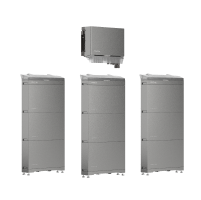
The EcoFlow Ocean 2 Plus Single Phase system helps households boost their solar self-consumption rate while supporting flexible modular capacity expansion, allowing the energy storage setup to adapt effortlessly to long-term changes in domestic power needs.
Solar and Battery Packages
Bundling rooftop solar panels with a matched hybrid inverter and modular battery storage under a single green loan quote simplifies financing. Comprehensive packages streamline installer warranties, reduce installation labour overheads, and guarantee that the solar generation capacity matches the battery’s charge and discharge rates.

Who Can Apply for CEFC-Backed Green Loans in Australia?
Lenders assess applications through standard responsible lending frameworks alongside specific environmental property criteria. Eligibility covers a broad cross-section of property owners across all Australian states and territories.
Homeowners With Eligible Properties
Applicants must hold an ownership stake in a residential property situated in Australia. Freestanding houses, townhouses, and semi-detached properties generally qualify without complication. Properties governed by strata schemes or community titles may require body corporate approval for roof installations prior to loan disbursement.
Owner-Occupiers and Landlords
Green loans are not restricted to primary residences. Owner-occupiers can apply to reduce their own quarterly utility bills, while property investors and residential landlords can access CEFC-backed financing to upgrade rental properties. Installing solar and storage on rental dwellings enhances property valuation, attracts quality long-term tenants, and supports higher rental yields while meeting rental energy efficiency standards.
Borrowers Meeting Income and Credit Criteria
Like all regulated consumer finance products under the National Consumer Credit Protection Act, applicants must demonstrate repayment capacity: Participating lenders apply their own eligibility and responsible-lending criteria. Depending on the finance product, applicants may need to meet requirements relating to age and residency status, income and employment, credit history, property ownership and overall repayment capacity. Because these criteria vary between lenders, check the current eligibility requirements of the specific HEUF-supported finance product before applying.
How Can You Apply for a CEFC-Backed Green Loan for Solar Battery Installation?
Start with your electricity bills and a system quote. You can then compare eligible finance products, check the lender’s requirements and apply before the installation is completed.
1. Match System Size to Household Energy Needs
Start by reviewing your quarterly electricity bills from the past 12 months. Note your average daily consumption in kilowatt-hours (kWh) and your peak demand patterns. A home using 20 to 25 kWh per day with significant evening usage may benefit from a solar PV system sized between 6.6 kW and 10 kW paired with a battery around 10 kWh to 15 kWh, depending on household consumption patterns and energy goals.
2. Choose a Participating Lender
Evaluate financial institutions offering CEFC-supported green loan products. Consider whether you prefer:
Green Personal Loans: Fixed or variable unsecured loans (e.g., CommBank Home Energy Loan, Brighte Green Loan, Plenti Green Personal Loan).
MozoGreen Mortgage Add-ons: Drawing an additional tranche against your existing home loan at discounted mortgage rates (e.g., ING Green Upgrade Loan, Bank Australia Clean Energy Home Loan).
Clean Energy Finance Corporation
3. Submit Quotes and Verify Installer Accreditation
Check the participating lender’s installer and equipment requirements before accepting a quote. For solar and battery projects, this may include relevant installer accreditation, approved equipment and consumer-protection requirements. The written quote should clearly identify the brand, model and capacity of the proposed equipment. The written quote must clearly list the brand, model, and capacity of all panels, inverters, and battery modules.
4. Get Approval Before Installation
Always secure formal loan approval before signing contracts or permitting tradespeople on your roof. Many green loan programs disallow retrospective financing for systems already installed or commissioned prior to application lodgement. Once approved, the lender releases the funds directly to the accredited provider upon completion and grid sign-off.
What Should Australians Consider Before Choosing a CEFC-Backed Green Loan?
A low interest rate does not necessarily mean a cheaper loan. Compare the total cost of borrowing with the expected savings from the solar or battery system.
Loan Amounts and Repayment Terms
Green loan amounts generally range from $4,000 to $50,000, with terms extending from 1 to 7 years for personal loans (and up to 10–15 years for dedicated green mortgage tranches).
Shorter terms (3–5 years): Higher monthly repayments, but substantially less total interest paid over the life of the asset.
Longer terms (7–10 years): Lower monthly outlays that align easily with your quarterly electricity bill savings, although total interest costs will be marginally higher.
Always check for early repayment flexibility—ensure your lender does not charge exit fees if you decide to pay out the balance ahead of schedule.
System Size and Energy Needs
Avoid undersizing your storage capacity to save on the initial quote. As Aussie households replace gas water heaters with electric heat pumps and transition to electric cars, domestic power demand climbs. Choosing an energy storage system with scalable modular architecture enables you to add extra battery blocks down the track without replacing the primary inverter or rewiring the main switchboard. As households gradually add EV chargers, smart appliances, and other electric loads, a connected Home Energy Ecosystem can help coordinate energy generation, storage, and consumption more efficiently.
Long-Term Savings Benefits
The payback timeline for a solar and battery system depends heavily on your local solar irradiation, grid tariffs, and how effectively you avoid peak electricity rates. Installing a smart meter can also improve visibility into household energy usage and help homeowners make better decisions about solar generation and battery charging patterns. Across major Australian capitals, average payback periods for a typical 6.6 kW solar array paired with a 10 kWh battery generally break down as follows:
| Capital City | Peak Sun Hours (Daily Avg) | Avg. Grid Tariff (Peak / Flat) | Typical Payback Period | Key Drivers |
|---|---|---|---|---|
| Brisbane (QLD) | ~5.2 hrs | ~28–34c / kWh | 4 – 6 Years | High solar yield all year round; offsets high summer air-conditioning costs. |
| Sydney (NSW) | ~4.6 hrs | ~32–42c / kWh | 5 – 7 Years | Elevated peak retail tariffs make battery discharge during 5–9 PM highly profitable. |
| Adelaide (SA) | ~4.8 hrs | ~42–50c / kWh | 4 – 5 Years | Nation-leading grid electricity prices maximise the financial value of every stored kWh. |
| Melbourne (VIC) | ~3.8 hrs | ~26–32c / kWh | 7 – 9 Years | Lower winter solar generation extends payback; benefits most when paired with heat pumps. |
| Perth (WA) | ~5.4 hrs | ~30–31c / kWh | 5 – 6 Years | Exceptional sun exposure balances out flat regulated Synergy tariffs. |
The Impact of Time-of-Use (ToU) Tariffs and Feed-in Tariffs (FiTs)
Feed‑in tariffs are sitting at historic lows, usually 3 to 6 cents per kWh. So exporting your daytime solar to the grid barely pays. Meanwhile, peak evening rates across the NEM can push 40 to 50 cents per kWh. The gap is huge. That's why storing your solar and using it when you need it makes far more sense than selling it cheap and buying back expensive.
Without a battery: You export cheap solar by day and buy expensive grid power by evening, stretching payback times.
With a battery under a suitable ToU tariff, surplus solar that might otherwise be exported at a relatively low feed-in rate can instead be stored and used to reduce grid imports during higher-priced periods. The value of each stored kilowatt-hour depends on the applicable import and export rates, battery efficiency, system costs and household usage patterns.
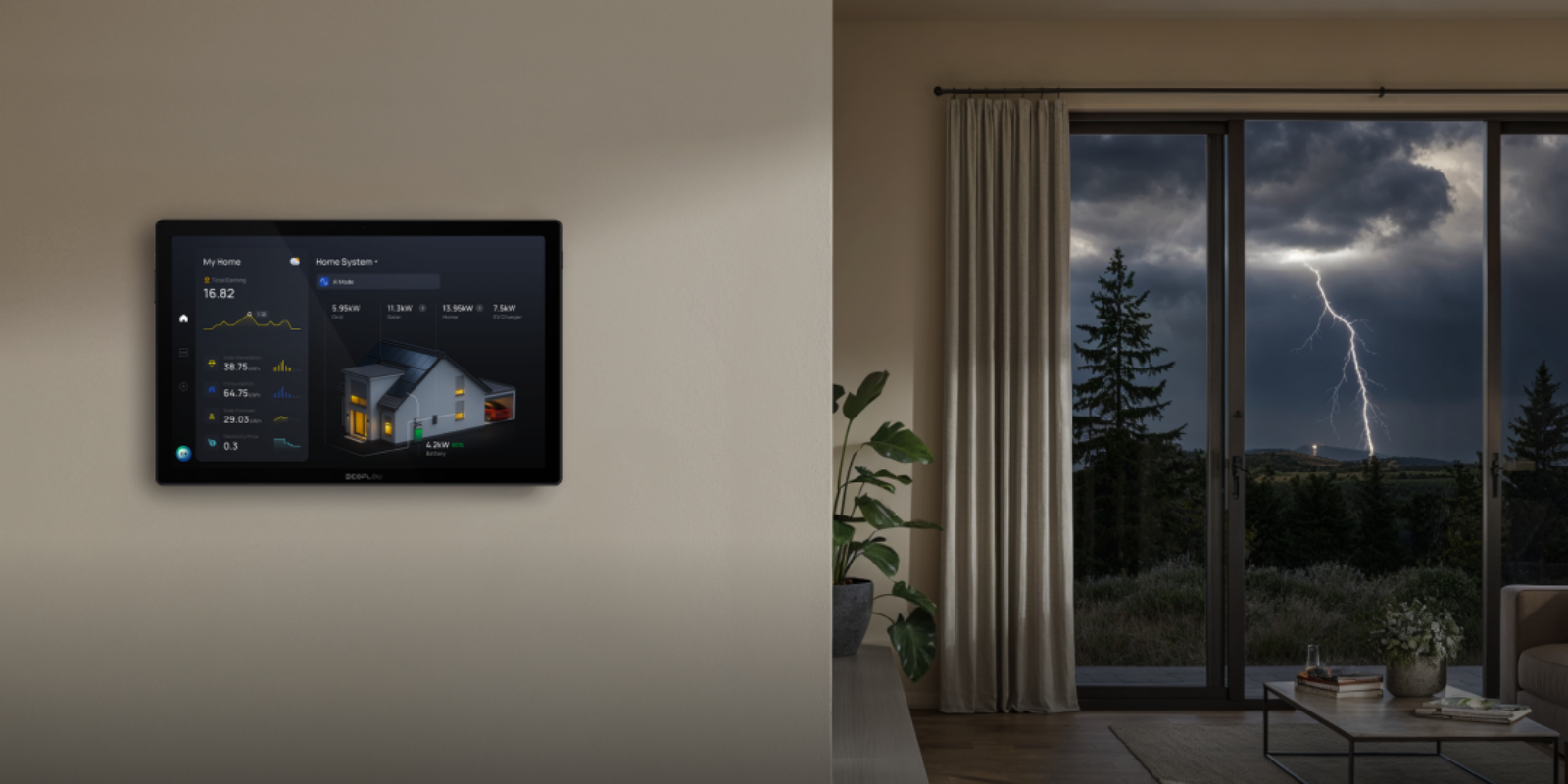
To hit the shorter end of the payback spectrum, ongoing visibility into your household’s dynamic power flows is essential. Real-time monitoring tools, such as the EcoFlow PowerInsight 2, track grid import spikes, automate battery discharge during peak tariff windows, and ensure every kilowatt-hour generated delivers maximum bill reduction.
Schedule Your Free Consultation Today!
What kind of product or solution are you interested in?

Conclusion
CEFC-supported green loans can cut the upfront cost of solar, batteries, or other eligible home energy upgrades. But the loan itself comes from a participating bank or lender . So run the numbers, compare financing costs, the system price, and the expected energy savings, then decide what actually adds up.
Work with SAA-accredited installers to make sure the job meets standards and keeps your rebates valid . Choose high-performance, expandable hardware so the system can grow with you. And track your household power flows actively, that visibility lets you shift usage, avoid expensive grid imports, and get the most out of what you’ve installed. Lower grid reliance, more predictable bills, and a cleaner home setup are the outcome, not the pitch.
FAQ
What are the downsides of green lending?
Green loans require strict adherence to approved clean energy product lists and accredited installer networks, which limits your choice of equipment and contractors. If you select non-approved hardware, your application will be rejected or default to standard higher personal loan rates. In addition, taking on debt introduces ongoing repayment commitments that must be serviced regardless of fluctuations in your household income.
Is it hard to get approved for a solar loan?
No, securing approval for a green loan is generally no harder than qualifying for a standard personal loan, provided you satisfy the lender’s regular income and credit criteria. Because green loans are supported by government wholesale funding and backed by tangible home improvements, participating lenders maintain streamlined, digital application pathways that frequently deliver conditional approval within 24 to 48 hours.
What documentation is needed for a green loan application?
You will need to supply government-issued identification (such as an Australian driver’s licence or passport), proof of property ownership (rates notice or mortgage statement), recent income documentation (two recent payslips or tax returns), and an itemised quote from an SAA-accredited solar installer detailing the CEC-approved hardware.
Do I have to use a lender-approved installer?
Many CEFC-supported green loan programs require installers to hold relevant accreditation, such as Solar Accreditation Australia (SAA), and comply with consumer protection standards such as the New Energy Tech Consumer Code (NETCC). Submitting a quote from an unaccredited installer will prevent the lender from disbursing green loan funds.
Which banks give green loans?
Multiple major Australian financial institutions and specialist non-bank lenders offer green loans backed by CEFC initiatives. Prominent participating providers include Commonwealth Bank (CommBank), ING Australia, Bank Australia, Great Southern Bank, RACQ Bank, Brighte, and Plenti.