What Are Carbon Emissions and Why Do They Matter?
Australia produced around 446 million tonnes of carbon dioxide equivalent in the year to June 2024. That is 27% below 2005 levels, which sounds like progress. Transport emissions, though, rose 0.3% over the same period. Stationary energy and industrial emissions ticked up too.
Numbers like that are why understanding carbon emissions still matters. This is because national emission trends are driven by millions of daily individual and household choices, which gives everyday Australians real power to shift the overall numbers downwards.
This guide covers what carbon emissions are and why they matter. It also covers where they come from and what home battery backup systems and other practical tools can do to help.
What are carbon emissions and carbon footprints?
Carbon emission meaning, at its simplest: it is the release of carbon dioxide and other greenhouse gases into the atmosphere as a result of human activity. Burning petrol releases CO₂. Running gas heating releases CO₂. Manufacturing cement releases CO₂.
But carbon emissions is not just about CO₂. Methane from livestock and landfills, nitrous oxide from fertilisers, and industrial refrigerant gases all trap heat in the atmosphere too. Scientists convert them all into a single unit called carbon dioxide equivalent, or CO₂e. One tonne of methane, for instance, is roughly equivalent to 21 tonnes of CO₂ in terms of warming impact over a century.
A carbon footprint is the total of all those emissions attached to a person, household, business, or product. Direct emissions are the ones people create themselves. Driving to work. Running the heater. Taking a flight. Indirect emissions come from everything that went into the products and services used. The electricity that powers the home. The supply chain behind a smartphone. The freight that moved food from farm to supermarket.
According to Australia's Bureau of Statistics, Australia's annual net greenhouse gas emissions were essentially flat in 2024. That figure shows how much collective action is still needed.

Why do carbon emissions matter?
The atmosphere is a blanket. Greenhouse gases trap heat from the sun that would otherwise escape into space. A thicker blanket means a warmer planet. More CO₂e in the atmosphere thickens that blanket.
Climate change and global warming
Warmer average temperatures affect everything. Ocean temperatures rise. Ice melts. Sea levels creep up. Patterns of rainfall shift. Australia is already one of the most climate-vulnerable countries in the developed world. Longer droughts, more intense bushfire seasons, and reef bleaching events are all consistent with what climate scientists predicted from rising emissions decades ago.
Extreme weather
A warmer atmosphere holds more moisture. That means when storms come, they tend to bring more of it. Flooding becomes more intense. Heatwaves last longer and push temperatures higher. Cyclones in northern Queensland are being tracked with growing intensity. None of these trends are separate from carbon emissions. They are the consequences of them.
Our health and communities
Air quality drops when fossil fuels burn. Particulate matter from vehicle exhausts and power stations irritates lungs. Children and elderly people in high-traffic urban areas carry a measurable health burden from that pollution. Heatwaves kill people. Smoke from bushfires blankets cities. These health costs are real, measurable, and unevenly distributed. Lower-income communities tend to bear more of them.
Where do carbon emissions come from?
Australia's carbon emissions trace back to four main sectors. The breakdown shapes where action is most needed.
Transportation
Transport is one of the fastest-growing sources of Australia's emissions. Cars, trucks, domestic aviation, and shipping together account for around 17% of the national total. Road transport drives most of that. Petrol and diesel vehicles are still overwhelmingly dominant. Electric vehicle uptake is growing but has not yet made a material dent in the overall transport emissions figure.

Electricity and heating
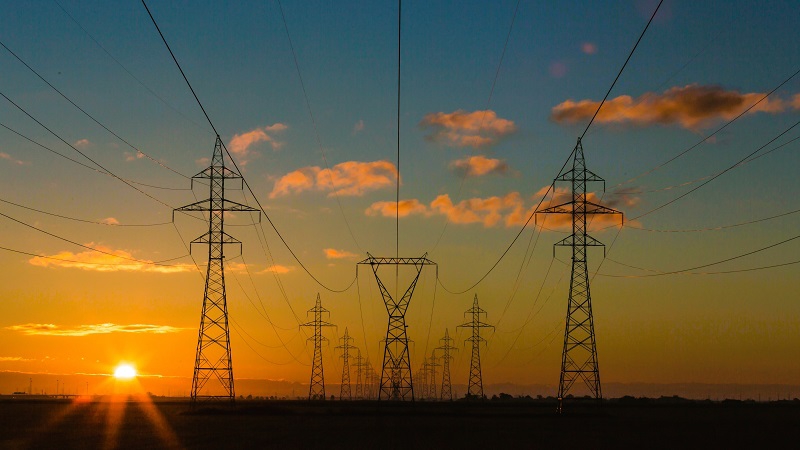
Electricity generation was responsible for around 133.7 million tonnes of CO₂e in 2024-25, according to the Clean Energy Regulator. Coal is still the largest single fuel source, though its share has dropped significantly as solar and wind expand. Gas heating in homes and businesses adds further to this sector's total. Every coal-powered kilowatt-hour a household avoids reduces emissions from this source. Understanding solar power cost helps households compare the upfront investment against the long-term carbon and financial savings.
Manufacturing and industry
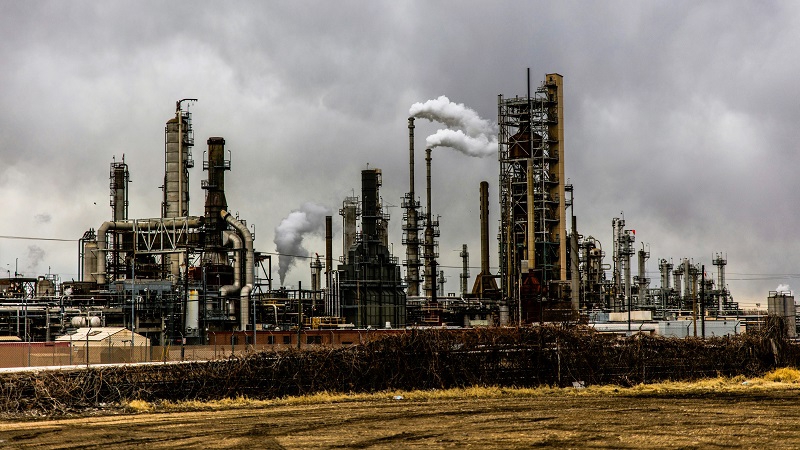
Producing steel, aluminium, cement, glass, and chemicals all generates significant emissions. Some of this is from burning fossil fuels for heat. Some is a direct chemical byproduct of the production process. These industrial emissions are among the hardest to eliminate because the processes involved are difficult to electrify. The Safeguard Mechanism covers Australia's 200+ largest industrial emitters and is gradually tightening their baselines.
Agriculture and land use
Agriculture contributes around 14% of Australia's emissions. Most of that is not CO₂. It is methane from livestock digestion and nitrous oxide from fertilised soils. Both are potent greenhouse gases. Land clearing adds further emissions by releasing carbon stored in vegetation and soil. Conversely, land that is allowed to regenerate can act as a carbon sink.

How to lower carbon emissions: 4 ways to lower your carbon footprint
Lowering carbon emissions starts with everyday choices that reduce energy consumption, support clean technologies, and minimize environmental impact.
Rethink transportation
Switching from a petrol car to an EV removes tailpipe emissions entirely. For households that cannot switch yet, combining trips, using public transport for regular commutes, and cycling for short distances all reduce fuel use meaningfully. Aviation is high-intensity. A single long-haul flight can represent a significant fraction of an annual personal carbon footprint.
Conscious eating
Beef and lamb produce far more greenhouse gas per kilogram of protein than chicken, pork, or plant-based foods. Livestock methane is a major agricultural emissions source. Reducing red meat frequency cuts the single biggest food-related emissions source. Cutting food waste and buying local produce in season add further reductions. None of this requires a complete dietary overhaul.
Responsible consumption
Manufacturing products generates emissions. Buying less, buying second-hand, and extending the life of existing goods all reduce the demand that drives that manufacturing. Electronics, clothing, and furniture all carry embedded carbon from their production. Repair before replace is a simple principle with a measurable emissions impact.
Transition to clean home energy
Home energy is one of the most direct levers available to Australian households. The grid still carries coal and gas generation, particularly during evening peak hours. Every unit of grid electricity avoided reduces the emissions associated with powering the home.
Rooftop solar covers daytime demand well. The gap is created in the evening, especially when solar panels are not generating and grid rates are highest. Battery storage fills that gap.
Modular solutions such as the EcoFlow PowerOcean Single-Phase Battery store excess daytime solar. After dark, that stored power replaces grid electricity that would otherwise come from coal and gas generation. It uses LFP chemistry with IP65 weatherproof certification suited to Australian climate conditions, and capacity starts from 5 kWh per unit.

Benefits of reducing your carbon footprint
Reducing your carbon footprint helps protect the environment, lowers energy costs, supports sustainability, and contributes to a healthier future.
Immediate financial savings: Lower energy use means lower bills. Switching from grid electricity to stored solar during peak-rate evening hours reduces what is paid per kilowatt-hour. Driving an EV costs significantly less per kilometre than petrol at current fuel prices. These savings start from day one and compound over the life of technology.
True energy independence: A household generating and storing its own electricity is less exposed to retail price movements and grid outages. Options in solar battery storage have expanded significantly since the federal Cheaper Home Batteries Program launched in 2025. That independence has financial and practical value, particularly in regions prone to summer storm outages.
Better personal and community health: Reducing fossil fuel use in and around the home improves air quality. Less combustion means fewer particulates. Communities with high EV adoption and solar penetration typically see lower local pollution levels. These benefits are felt most directly by people who spend more time at home or who have respiratory conditions.
Preservation of nature for the future: Fewer emissions means less warming. Less warming means fewer bleaching events on the Great Barrier Reef, less intense bushfire seasons, and slower sea level rise along Australia's coastline. These outcomes are not guaranteed by individual action alone. But individual action, aggregated across millions of households, is part of what changes the direction of the trend.
Wrapping up
Carbon emissions come from energy, transport, industry, and agriculture. All four sectors matter. All four are changing, at different speeds and with different levels of difficulty.
How to lower carbon emissions at the household level is more straightforward than the industrial challenge. Energy and transport choices are the biggest levers most households have. Switching to solar and battery storage addresses the energy side directly. It also tends to save money, which makes it one of the more accessible places to start.
Understanding Australia's carbon emissions at a national level provides useful context. Understanding what a household contributes provides a starting point for action.
For a personalised assessment of home solar and storage options, contact our professional energy consultants based on actual usage and local grid conditions.
Schedule Your Free Consultation Today!
What kind of product or solution are you interested in?

FAQs
What is the difference between carbon emissions and greenhouse gases?
Carbon emissions usually refers specifically to CO₂ released from burning fossil fuels. Greenhouse gases is the broader category. It includes methane, nitrous oxide, refrigerant gases, and others alongside CO₂. All greenhouse gases trap heat. They are measured on a common scale called CO₂e, which converts each gas into an equivalent warming impact relative to carbon dioxide.
Can planting trees completely offset my carbon emissions?
Trees absorb CO₂ as they grow. But planting trees cannot fully substitute for reducing emissions. Trees take decades to store meaningful amounts of carbon. They can burn in bushfires, be cleared, or die. The carbon stored is not permanent. Planting trees is a useful complement to actual emissions reduction, not a replacement for it.
How does the EcoFlow PowerOcean lower my carbon footprint if I'm already on solar?
Solar panels generate clean electricity during the day. Without storage, any surplus exports to the grid at a low rate, and the household buys back grid electricity at night, when coal and gas still dominate generation in most Australian states. The PowerOcean stores that daytime surplus. Instead of buying carbon-intensive grid power in the evening, the household draws from stored solar. That shift reduces the carbon intensity of the household's total electricity consumption, even for homes already running solar.