Battery Energy Storage Systems: Complete 2026 Guide for Australian Homes
Grid electricity in Australia is no longer cheap or reliable enough to ignore. Retail rates in most states have crept past 30 cents per kWh. Feed-in tariffs have fallen to just 5–10 cents/kWh across most Australian regions. That gap is costing solar households real money every day. A home battery storage system closes that gap. It holds the solar power generated during the day and available for evening use when peak grid tariffs hit the highest. This guide walks through how these systems work, what they actually do for an Australian household, and what to look for when choosing one.
What Is Battery Energy Storage System?
A battery energy storage system, or BESS, is essentially a large rechargeable power bank for the home. It captures excess electricity, stores energy chemically, and discharges power to the home on demand.
Three parts make up every residential BESS:
Component | What It Does |
Battery Modules | Hold electrical energy in chemical form until it is needed |
Inverter | Switches power between DC (battery) and AC (home appliances) |
Energy Management System (EMS) | Decides when to charge, store, or discharge based on demand and pricing |
One thing worth knowing: residential systems sit "behind the meter." That means they operate between the solar panels and the home's switchboard. They are private household assets. They are completely separate from the large grid-scale storage projects that network operators run.
How Do Battery Energy Storage Systems Work?
The process runs in three stages: capture, store, discharge.
Capture happens during daylight hours. Solar panels on the roof often produce more electricity than the home uses in the middle of the day. Normally, that surplus goes back to the grid at a low rate. With a BESS in place, the system catches it first.
Store is exactly what it sounds like. The excess power goes into the battery modules, where lithium iron phosphate (LFP) cells hold it with very little energy lost to heat.
Discharge kicks in once the sun goes down. The battery sends stored power through the inverter and into the home's circuits. Lights, appliances, and air conditioning all run on yesterday's solar. The grid only comes into play once the battery runs low.
Two more scenarios make a good system worth having:
Peak shaving: Grid electricity costs more during high-demand periods, usually late afternoon into early evening. A charged battery can cover the home through those hours, avoiding the most expensive part of the day on any Time-of-Use tariff plan.
Blackout protection: Outages hit parts of Queensland, regional New South Wales, and Western Australia hard during storm season. A BESS with backup capability switches over in milliseconds, keeping the lights and fridge running until grid power returns.
Key Benefits of Battery Energy Storage Systems in Australia
Maximising Solar Self-Consumption
The maths here are fairly blunt. Exporting surplus solar earns around 5 to 10 cents per kWh in most Australian states. Buying that same energy back from the grid costs 30 cents or more. Storing it and using it at home means keeping that 20-cent gap in the household budget instead of handing it to a retailer. Households that push their solar self-consumption rate above 80% often see their quarterly bills drop substantially.
Peak Shaving and Load Shifting
Retailers like Origin, AGL, and Energy Australia charge more between roughly 3 pm and 9 pm on weekdays. That is the Time-of-Use peak window. That window lines up almost perfectly with when families are home and using the most power. A fully charged battery handles that peak window from stored solar, and the system recharges overnight on cheaper off-peak rates. The cycle works in the household's favour every single day.
Enhanced Resilience During Outages
Severe weather is a growing reality for many parts of Australia. Cyclones in the north, bushfire-related grid disruptions in the south-east, and flooding across Queensland have all caused extended outages in recent years. A battery system with seamless backup switching keeps essential appliances running without any manual steps. Medical equipment, refrigerated food, and basic lighting all stay online.
Future-Proofing for Growing Energy Demands
An EV sitting in the garage adds a significant new load to the home's energy needs. So does switching from a gas cooktop to induction, or adding a heat pump hot water system. Australia hit 100,000 EV registrations in a single calendar year for the first time in 2024, and that figure is climbing. A well-chosen BESS grows with the household rather than becoming a bottleneck.
Virtual Power Plant (VPP) Participation
Some Australian retailers and network operators now pay battery owners for this service. The stored energy supports the grid during high-demand events. Households enrolled in VPP programs receive bill credits or direct payments in exchange. It turns a cost-saving tool into something that earns a modest return on top.
Factors Impacting the Life of Your BESS
A battery energy storage system is a long-term asset. Most are built to last 10 to 15 years. Getting there in good shape depends on a few practical factors.
Environmental Temperature Control
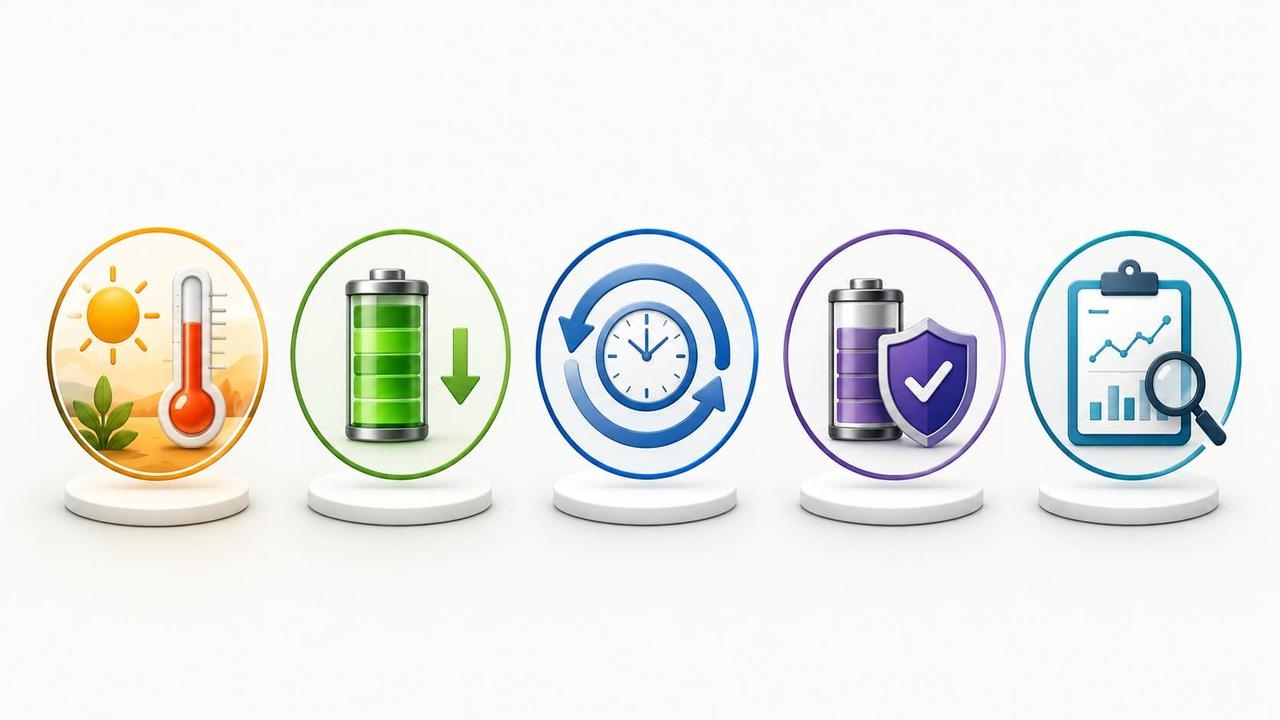
Heat is the main enemy of battery cells. Australian summers can push ambient temperatures well past what is good for lithium chemistry, particularly in Queensland, the Northern Territory, and inland South Australia. Installing the battery in a shaded, ventilated spot, such as a south-facing garage wall, protects the cells from the worst of it. A few extra metres of cable at installation can be worth several years of battery life.
Depth of Discharge (DoD) Management
Older battery types degraded quickly when fully drained. LFP cells, which are now standard in most quality home systems, handle 100% Depth of Discharge without the same problems. The full rated capacity is genuinely available to use, not just a number on a spec sheet.
Cycle Frequency
Each full charge and discharge uses a small fraction of the battery's total life. A system that cycles once a day will last longer in calendar years than one that runs multiple full cycles daily. Smart energy management reduces unnecessary cycling by reading household patterns and solar forecasts before deciding when to charge.
State of Charge (SoC) Maintenance
Sitting fully charged for long periods puts stress on the cells. So does draining repeatedly to near zero. A Battery Management System (BMS) handles this automatically, keeping the charge level within a healthy operating range without any input from the homeowner.
Regular System Diagnostics
Firmware updates and performance data matter more than most people realise. A battery running on outdated firmware may not be optimising its charge cycles or responding correctly to grid signals. By actively tracking battery state, solar generation, and grid activity in real time, you can catch issues early, which is far cheaper than replacing cells later.
Choosing the Right Battery Energy Storage System for an Australian Home
Battery Chemistry: Why LFP Sets the Standard
Not all battery cells are equal. LFP (Lithium Iron Phosphate) has become the most widely adopted cell type for residential storage across Australia. The reasons are practical:
Safety: LFP cells are chemically stable. They resist thermal runaway far better than older NMC (nickel manganese cobalt) cells, which matters in a hot climate.
Lifespan: Quality LFP systems are rated for 3,000 to 6,000 charge cycles. That is roughly double or triple older lithium-ion chemistries.
Heat tolerance: LFP performs better in warm conditions, a clear advantage across most of Australia.
PowerOcean battery safety standards are built around LFP chemistry, which carries a thermal runaway protection rating and meets AS/NZS certification requirements.
Modularity: Building a System That Grows
A fixed-capacity battery creates a real problem if household energy needs grow faster than expected. Modular systems avoid this. Additional battery units stack onto the existing setup without replacing anything already installed.
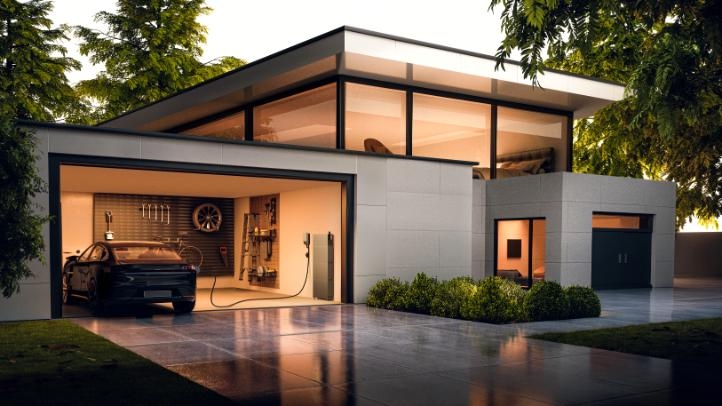
Many Australian families face growing power loads from EVs, air conditioning and home offices. Fixed-size batteries cannot adapt to rising energy demand, while expandable modular storage lets you scale capacity gradually to match your household’s changing needs. The EcoFlow PowerOcean Single-Phase Battery is built around this modular principle, with a usable capacity starting from 5 kWh and expandable up to 15 kWh per unit. Start with the capacity needed today. Add modules later when an EV joins the household, when a second air conditioner goes in, or when the home office load grows. Rated for up to 6,000 charge cycles and carrying an IP65 weatherproof rating, it holds up well across the full range of Australian climate conditions. The incremental approach is also easier to budget for.
Smart Energy Management
Maximising solar savings relies on automated charge-discharge scheduling that adapts to local weather, time-of-use tariffs and daily home power habits. Advanced home energy management systems remove manual adjustments and optimise your battery performance automatically. A smart energy management system like EcoFlow intelligent HEMS does the thinking that most homeowners do not have time for. It pulls in weather forecasts and charges the battery harder before a cloudy stretch. It learns when the household draws the most power and pre-stages stored energy for those windows. It tracks the local tariff schedule and times discharge to run during the most expensive hours.
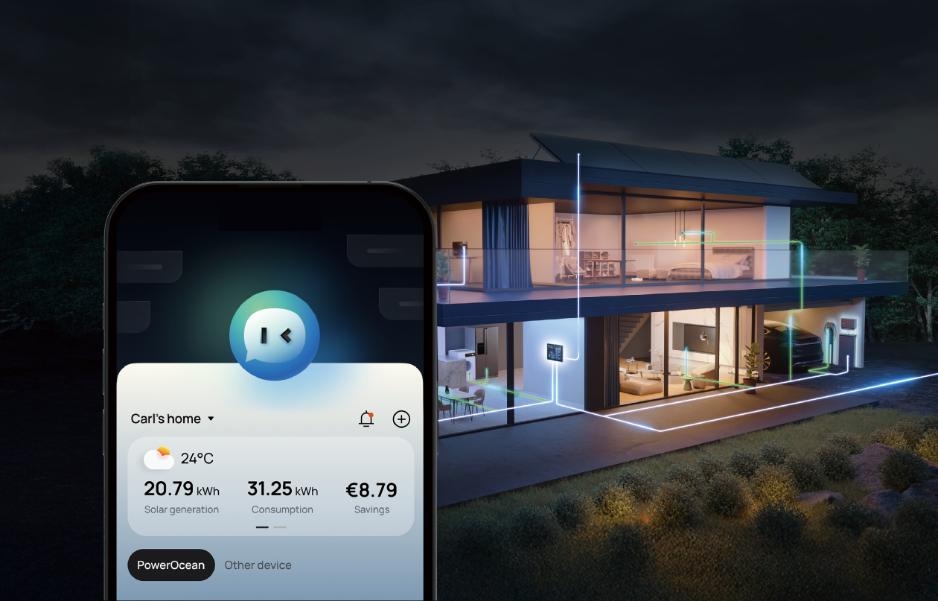
The EcoFlow Home Energy Ecosystem ties solar, battery, and EV charging together into a single managed system. Each part informs the others, so the household runs as efficiently as possible without anyone manually adjusting settings.
Still not sure what capacity suits a specific home? The EcoFlow team can assess energy usage, solar setup, and tariff structure together. Reach out to professional energy consultants for a personalised recommendation before making a decision.
Schedule Your Free Consultation Today!
What kind of product or solution are you interested in?


Conclusion
Australian energy in 2026 is shifting toward households that generate and manage their own power rather than depending entirely on the grid. Feed-in tariffs are too low. Grid rates are too high. Outages are too frequent in too many regions to leave resilience up to chance.
A battery energy storage system addresses all three problems at once. It stores solar power, shaves peak costs, and keeps the lights on when the grid fails. Understanding the technology is the first step. Matching the right system to a specific household is the second.
For a personalised capacity recommendation based on location, solar setup, and energy habits, contact our professional energy consultants. Getting the sizing right from the start saves money over the life of the system.
Frequently Asked Questions
What is a battery energy storage system?
A battery energy storage system (BESS) stores electricity from solar panels for use when the sun is not generating power. It pairs battery modules, an inverter, and an energy management system to run a home on stored solar energy.
How long do battery energy storage systems last?
Most LFP home batteries are rated for 10 to 15 years or 3,000 to 6,000 charge cycles. Regular firmware updates, shaded installation, and smart charge management help the system reach its full rated lifespan.
Can a battery energy storage system save me money?
Yes. Using stored solar during peak-rate evening hours avoids buying expensive grid power. Most Australian households reduce their quarterly bills noticeably, with full payback periods typically between 6 and 10 years.
Are battery energy storage systems safe for Australian homes?
LFP batteries are thermally stable and hold Australian safety certifications (AS/NZS). Installation by a Clean Energy Council-accredited electrician and compliance with local council rules keeps everything safe and code-compliant.
Do I need a large battery energy storage capacity?
Not always. A home with 6 to 10 kW of solar usually does well with 10 to 15 kWh of storage. Modular systems let households start smaller and add capacity later as energy needs change, such as when an EV arrives.