Australian Energy Rebates 2026: Eligibility, Amounts and How to Apply
Power and gas rebates can take the sting out of rising energy bills for Australian households, but what you get comes down to where you live and whether you qualify. In 2026, support runs from state and territory energy concessions to solar installation discounts and federal battery incentives. This guide walks through the main rebates, what you could receive and how to apply.
Key Takeaways
Relief comes in two tiers. There are nationwide Commonwealth schemes, plus concessions tailored to each state and territory.
It covers more than quarterly credits. You can also get sizeable discounts upfront on rooftop solar, home batteries and energy-efficient heat pump upgrades.
Concession holders get the most. Pensioners, Health Care Card holders and low-income families usually land automatic quarterly bill credits.
The paperwork is light. Most rebates hit your retailer account once you link your Centrelink Customer Reference Number (CRN), and accredited installers usually take solar incentives off at the point of sale.
Efficiency pays off long term. Stack the grants with load-shifting, battery storage and smart energy monitoring, and you’ll keep bills down all year.

What Energy Rebates Are Available in Australia in 2026?
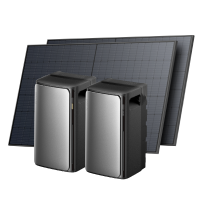
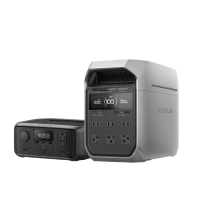
In 2026, Australian energy rebates include state and territory electricity concessions, federal solar and battery discounts, and selected energy efficiency incentives. Each program has its own eligibility rules and application process. For households also considering storage, the solar battery storage range provides home battery options to compare; rebate eligibility must be checked separately.
Federal Energy Rebates and Incentives
The federal Energy Bill Relief Fund ended on 31 December 2025. Eligible households received up to $300 in electricity bill relief during the 2024–25 financial year, followed by an additional $150 between July and December 2025. These payments have ended, but eligible households may still receive ongoing state and territory electricity concessions.
State and Territory Energy Rebates
Each state and territory runs its own concessions to ease cost-of-living pressure:
NSW. The Low Income Household Rebate, Gas Rebate and Family Energy Rebate, plus support for self-funded retirees and people who need cooling for medical reasons.
VIC. The Annual Electricity Concession, winter gas discounts, and Solar Homes Program incentives for panels, batteries and hot water heat pumps.
QLD. The Electricity Rebate and Reticulated Natural Gas Rebate for eligible concession holders — sometimes topped up with statewide cost-of-living credits that land automatically on residential power accounts.
WA. The Energy Assistance Payment (EAP), plus hardship schemes through Synergy and Horizon Power.
SA, TAS, ACT and NT. Annual energy concessions, targeted heating allowances and green energy upgrade loans.

How Much Can You Get from Australian Energy Rebates in 2026?
What you get comes down to the rebate and where you live. Power concessions tend to be a set yearly payment or a percentage off your bill, while solar and battery incentives cut what you pay upfront for the install.
Electricity and Gas Rebate Amounts
Concession amounts vary depending on where your home is plugged into the grid:
| State / Territory | Indicative Annual Electricity Rebate | Typical Annual Gas Concession | Common Eligibility Anchor |
|---|---|---|---|
| New South Wales | ~$285 – $350 | ~$285 – $350 ~$110 – $120 | Pensioner Concession, Health Care Card, DVA |
| Victoria | 17.5% off usage & service costs* | Seasonal winter discounts (~15%) | Pensioner Concession, Health Care Card |
| Queensland | ~$370+ | ~$80 – $90 | QLD Seniors Card, Pensioner Concession |
| South Australia | Up to ~$260 – $280 | Covered under single energy concession | Services Australia / DVA Concession Cards |
| Western Australia | ~$300 – $350 (EAP) | Varies / Dependent on provider | Services Australia Concession, WA Seniors Card |
| Tasmania | ~$550 – $600 | Heating allowances apply | Services Australia Concession Cards |
*In Victoria, the 17.5% Annual Electricity Concession applies to eligible electricity usage and service costs after retailer discounts and solar credits. The first $171.60 of the annual bill is excluded. Households with annual electricity costs exceeding $4,038.82 may need to apply for the Excess Electricity Concession. These thresholds are subject to periodic review.
Solar Panel and Battery Discount Amounts
Households installing eligible rooftop solar can knock down the upfront cost with Small-scale Technology Certificates (STCs). How much you save depends on system size, where you live, when it’s installed and what the certificates are worth at the time. Comparing solar battery cost alongside the available discount can help you assess the remaining upfront investment.
The federal Cheaper Home Batteries Program offers an upfront discount on eligible solar-connected battery installations through the Small-scale Renewable Energy Scheme (SRES). Introduced on 1 July 2025, the program uses Small-scale Technology Certificates (STCs) to reduce installation costs. From 1 May 2026, revised STC factors and capacity-based incentives affect the discount available. The final amount depends on the battery’s usable capacity, installation date and applicable program requirements.
Home Energy Efficiency Rebates and Incentives
Swapping out old, power-hungry appliances pays off straight away. Schemes such as the NSW Energy Savings Scheme (ESS) and Victorian Energy Upgrades (VEU) subsidise the move from old electric resistance storage or gas hot water units to high-efficiency heat pumps. These incentives often cover $600 to $1,500 of the equipment and installation costs, and can cut water heating running costs by up to 60–70%.
Who Is Eligible for Energy Rebates in Australia?
Who qualifies varies by scheme. Power concessions usually go to pensioners, concession card holders and low-income households. Solar and battery rebates have their own rules on income, property and how the system’s installed.
Eligibility for Pensioners and Concession Card Holders
Most electricity concessions require an eligible Centrelink or Department of Veterans’ Affairs (DVA) card. Common examples include the Pensioner Concession Card (PCC), Health Care Card (HCC) and DVA Gold Card. Some states also accept Seniors Cards, Commonwealth Seniors Health Cards (CSHC) or specific Veteran White Cards.
Income and Household Eligibility Requirements
Some state rebates also support working families. For example, the NSW Family Energy Rebate is available to eligible households receiving Family Tax Benefit (Part A or B), subject to the program’s income, tax assessment and application requirements.
Homeownership and Property Eligibility
Electricity concessions are generally available to eligible renters and homeowners, while solar and battery incentives have additional conditions: If you are planning a home energy ecosystem upgrade, check the eligibility requirements for each component before accepting a quote.
Solar and battery rebates: Eligibility depends on the program, property and household income. In Victoria, the combined household income limit for Solar Homes solar PV and hot water rebates fell from $210,000 to $150,000 on 1 July 2026. Eligible households may also access the federal battery discount, subject to separate requirements.
Embedded networks: Residents of apartments, retirement villages and caravan parks may qualify for concessions through separate on-supplied customer applications, depending on their state and program.
How Do You Apply for Energy Rebates in Australia?
Most power concessions you can sort through your retailer or your state government. For solar and battery incentives, accredited installers usually handle the STC paperwork and take the discount off your quote.
Check Your Eligibility and Application Requirements
Check your concession card against your latest power bill to confirm you qualify. And make sure the name on the card matches the one on your energy account.
Gather the Required Documents
Have your Centrelink or DVA Customer Reference Number (CRN) handy, along with a recent power bill, your account number and ID. Some schemes also ask for income details, Family Tax Benefit records or property documents.
Apply Through the Relevant Provider or Government Agency
For ongoing power concessions, call your retailer or apply through its online portal. State rebates often need a separate application through government sites such as Service NSW or Service Victoria.
Claim Solar and Battery Discounts Through Eligible Installers
Your installer usually handles the paperwork for federal STC discounts. Before you accept a quote, check the gear meets the scheme’s requirements and the installer holds Solar Accreditation Australia (SAA) accreditation. Ask for the STC discount itemised, plus details of any extra state incentives.
How Can Australian Households Manage Energy Costs Beyond Rebates?
Energy rebates can lower your bills, but how and when you use electricity also affects your costs. Adjusting appliance schedules, using more of your rooftop solar generation and storing excess energy can help reduce grid electricity purchases.
Reduce Electricity Use During Peak-Rate Periods
Under flexible Time-of-Use (ToU) tariffs, electricity prices surge during late afternoon and early evening hours (typically 3:00 PM to 9:00 PM on weekdays). Running pool pumps, washing machines, and dishwashers during off-peak morning windows or overnight significantly curbs discretionary grid draw when prices are at their highest. Reviewing interval data from a smart meter can help you identify which loads to move to lower-rate periods.
Use Rooftop Solar Power When It Is Available
Feed-in tariffs (FiTs) across the National Electricity Market (NEM) have dropped over recent years, meaning exporting power to the grid earns modest credits. To extract maximum value from rooftop PV, run major appliances—including hot water boosting, pool filtration, and split-system cooling—in the middle of the day while your panels are producing clean, free power.
Store Excess Solar Energy With a Home Battery
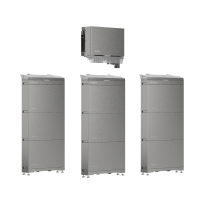
For households with rooftop solar, battery storage can help reduce reliance on grid electricity during the evening. Instead of exporting all unused solar power during the day, homeowners can store some of it for later use. Systems such as the Ecoflow OCEAN 2 Plus single phase support solar generation and battery storage management, helping households make better use of their electricity. Actual savings depend on household consumption, electricity tariffs and system configuration.
Track Energy Consumption to Find Potential Savings
Tracking household electricity use can also help identify opportunities to save. The EcoFlow PowerInsight 2 features a 10.95-inch touchscreen that displays real-time solar generation, household consumption and battery status when connected to compatible equipment. This helps homeowners see when they are using solar power, drawing from the grid or relying on stored energy.
Schedule Your Free Consultation Today!
What kind of product or solution are you interested in?
Conclusion
Energy rebates in Australia differ by state, by household and by what’s on offer. Start with your state or territory’s current concessions, then look at federal solar and battery discounts if you’re planning an install. Confirm the latest amounts and what’s needed to apply before you lodge anything. You can also keep ongoing power costs down by getting more from rooftop solar, off-peak tariffs and home battery storage.
Disclaimer: Energy rebates, incentives, eligibility criteria and application requirements may change over time and vary by state or territory. The information in this article is provided for general guidance only and should not be considered official or financial advice. Check the relevant government website or program administrator for the latest information before applying.
FAQs
Is It Worth Putting Solar Panels on a Rental Property?
Yes, solar on a rental can pay off for both landlord and tenant. Owners often get a more appealing property, stronger long-term value and tax depreciation deductions, while tenants see noticeably lower quarterly power bills. In several states, interest-free landlord solar loans help spread the upfront cost.
What Should You Do if Your Australian Energy Rebate Application Is Rejected?
Call your electricity provider or the relevant state agency straight away and ask why it was knocked back. Most rejections come down to a mismatch between the legal name on your energy bill and what’s on your Centrelink card. Once you’ve fixed any spelling, address or CRN discrepancies, the application can be reassessed — and missed concession credits can often be backdated.
Are Solar Rebates Reducing in Australia in 2026?
Yes. Federal rebates under the Small-scale Renewable Energy Scheme (SRES) step down slightly on 1 January each year until the scheme wraps up at the end of 2030. The deeming period drops by a year annually, which gradually cuts the number of Small-scale Technology Certificates (STCs) new installs receive. Install earlier and you lock in a bigger upfront certificate discount.
Can You Get More Than One Energy Rebate in Australia?
Yes. Eligible households can usually stack rebates across different categories. A concession card holder, for example, can claim their standard state electricity concession, tap a federal/state co-funded emergency relief payment, and still claim upfront STC discounts when upgrading to rooftop solar or a heat pump hot water system.
How Long Do Solar Panels Take to Pay for Themselves?
Payback depends on install costs, local power rates, how much sun you get and how much solar your household uses directly. Some homes break even within a few years; others take longer. Compare quotes and estimate annual savings from your actual consumption before working out payback. A battery adds to the upfront cost and is best assessed separately.