How Much Does a 6kW Solar Battery Cost in Australia (2026)
Energy bills across Australia keep climbing. The average household now spends over $2,000 a year on electricity — and that number isn't going down anytime soon. More Australians are turning to solar and battery storage to fight back. And for good reason. A well-sized system can slash your bills, keep your home running during outages, and free you from peak-rate grid prices.
This guide looks at the cost of a 6kW solar battery in 2026, and what affects the price. We will look at real numbers, the key factors, rebates, and how to choose the right system for your home.
Important note: When people refer to a “6kW solar battery”, they usually mean a 6kWh home battery paired with a 6kW solar panel system. Battery capacity is measured in kilowatt-hours (kWh), while solar system size is measured in kilowatts (kW). This guide uses “6kW solar battery” in that commonly searched sense.
What is the typical 6kW solar battery cost in Australia?
A 6kWh home battery in Australia costs between $3,000 and $4,500 for the unit alone. Once you add installation, inverter upgrades, and grid connection fees, that figure jumps. A fully installed 6kW solar battery usually costs between $6,000 and $9,000.
What makes up the total cost?
The battery unit is just one piece. Here's how a typical quote breaks down:
Cost Item | Estimated Range |
Battery unit (6kWh, supply only) | $3,000 – $4,500 |
Inverter (if upgrade needed) | $1,000 – $2,000 |
Installation labour | $1,500 – $3,500 |
Switchboard upgrade (if required) | $500 – $2,000 |
Grid connection fees | $200 – $500 |
LFP (lithium iron phosphate) batteries cost a bit more upfront than older types but last longer, run safer, and handle Australian heat better. Cost per kWh is a handy way to compare options — aim for around $900–$1,400 per usable kWh installed before rebates.
Estimated costs by state (6kW Solar + Battery, After Main Rebates)
State | Estimated Installed Cost (After Federal Rebate) |
NSW | $8,500 – $13,000 |
VIC | $8,000 – $12,500 |
QLD | $7,500 – $12,000 |
SA | $9,000 – $13,500 |
WA | $8,000 – $13,000 |
Note: Figures are indicative. Final costs depend on battery size, brand, system type, and local labor rates.
Key factors that affect solar battery costs
Plenty of things push the final cost of a 6kW solar battery up or down in Australia. Understanding them helps you avoid overpaying and pick the right system for your home.
Battery chemistry and technology
LFP (Lithium Iron Phosphate) is the go-to chemistry in the Australian residential market. It is safer, lasts longer, and can be stored at 100% without degradation. NMC batteries offer slightly higher energy density but degrade faster and carry more heat risk. For a hot Australian roof or garage, the LFP is the clear choice — and the current industry standard.
Brand and warranty
A longer warranty signals confidence in the product. All major brands now use LFP chemistry with 10 to 15-year warranties. Premium brands charge more, but they also tend to offer better local support, faster warranty claims, and more reliable performance over time. Don't just shop on price alone.
Installation complexity
Single-phase homes are simpler and cheaper to work with. Three-phase homes need more hardware. On average, solar battery installation costs between $1,000 and $2,000, depending on your existing solar system, location of the battery, and condition of your switchboard. Older switchboards often need an upgrade before a battery can be safely connected.
Location in Australia
Indicative pricing based on industry averages and installer quotes. Actual costs vary by property, system design, and market conditions.
Labor rates differ across states. Perth ranges from $10,500 to $15,000, Brisbane averages $11,000 to $14,500, and Adelaide runs $10,800 to $14,500 for a 6kW solar battery system. Regional areas can cost more again, and each state's network operator has its own grid connection rules that can affect your final quote.
Hybrid vs. AC-coupled systems
A hybrid inverter manages solar and battery from a single unit — generally cheaper and more efficient for new installations. An AC-coupled system uses separate inverters and suits retrofitting a battery to an existing solar setup. Retrofitting a battery to a solar system that hasn't allowed for battery integration requires an additional inverter or charger, which adds cost.
Government rebates and incentives
The Australian Government's Cheaper Home Batteries Program funds around a 30% discount on eligible small-scale battery systems connected to new or existing rooftop solar. The rebate is applied directly by your installer — no paperwork needed. On top of that, state-level extras are available in some areas:
NSW: VPP incentive up to $1,500 for connecting an eligible battery to a Virtual Power Plant, stackable with the federal rebate
SA: REPS VPP incentive with rebates of up to $2,050 available for connecting an eligible home battery to an approved Virtual Power Plant
WA: up to $3,800 for Horizon Power customers or $1,300 for Synergy customers, stackable with the federal scheme, with VPP participation required
ACT: low-interest loans for battery purchases through the Sustainable Household Scheme
VIC & QLD: state programs have closed; households now access the federal program only
What is the electricity output of a 6kW solar system?
A 6–6.6kW solar system typically produces 22–28 kWh per day on average, depending on where you live.
Perth: Often 26–29 kWh/day (plenty of sun)
Brisbane: Around 25–28 kWh/day
Sydney: 23–26 kWh/day
Melbourne: 21–24 kWh/day
A good roof orientation and minimal shade make it easier to reach that mark. A battery pack that is 6 kWh will be able to hold most of the surplus energy generated during the day for consumption in the evenings. This system usually provides enough for 50-70%, or even more, of the average home’s electricity requirements.
How to choose a 6kW solar battery system in Australia
What to look for before you buy
Before committing to a retailer or installer, keep these essentials in mind:
CEC accreditation: Always check that your installer holds Clean Energy Council accreditation. This keeps your system safe and unlocks government rebates.
Warranty and after-sales support: Look for solid product and performance warranties. Make sure the manufacturer has local service centers here in Australia.
Transparency on total installed cost: A trustworthy quote lists everything upfront. That means the battery, inverter, labor, and grid connection fees — no surprises.
Multiple quotes: Request at least three separate quotes from local businesses. Comparing options helps you find competitive pricing and realistic solar savings estimates.
Comparing purchase options (installer vs manufacturer vs retailer)
Local solar installers: They handle everything from design through to grid connection. Great local knowledge and hands-on service throughout the process.
Direct manufacturers: Buying straight from a major brand means genuine parts every time. Their installers also carry factory-level training, which counts for a lot.
Energy retailers: Big power companies sell battery packages wrapped into your bill. They offer handy discounts if you join their VPP, though hardware costs can be higher.
Option | Pros | Cons |
Local solar installer | End-to-end service, warranty support, rebate processing | Prices vary widely; quality depends on installer |
Direct from manufacturer | Potentially lower price, direct warranty support | May need to organise your own installer |
Online retailer/platform | Good for comparing brands and prices | After-sales support can be patchy |
For most homeowners, going through a CEC-accredited local installer is the safest path. They handle rebate paperwork, manage the installation, and are accountable if something goes wrong.
Example systems that suit 6kW solar households
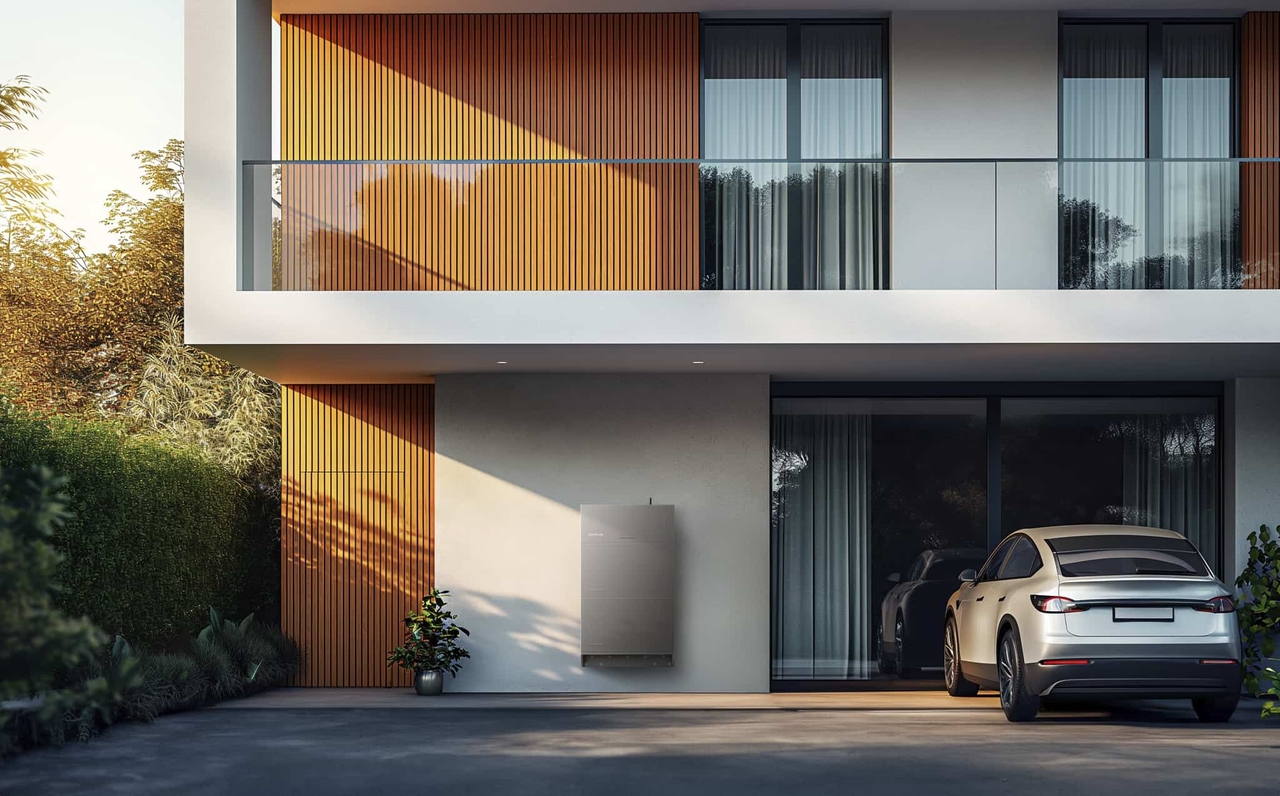
If you want a reliable system that fits a 6kW solar home, EcoFlow's Home Battery solutions are excellent options.
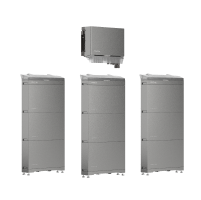
The EcoFlow PowerOcean is an elegant home energy storage system built around premium LFP battery cells. It features a built-in fire prevention module, a tough IP65 weather-proof rating, and an outstanding 15-year warranty. The system comfortably supports over 6,000 complete charge cycles. It is expandable from 5kWh up to 15kWh using parallel connection technology.
It includes an advanced Battery Management System (BMS) that monitors cell health and temperature in real time. It also has built-in heating pads — useful for homes in southern Australia where temperatures can drop significantly in winter.
EcoFlow OCEAN 2 Plus Single-Phase
For households with higher energy demands or more complex rooftop configurations, the OCEAN 2 Plus Single-Phase is EcoFlow's next-generation all-in-one home battery system.
Key highlights include:
3 independent MPPTs — captures more solar energy from roofs with multiple orientations or partial shading, with each string supporting up to 8 kW of input and up to 24 kW total PV input
0 ms seamless switchover — whole-home backup with no interruption when the grid goes down
Up to 77.6% energy savings — with an intelligent Home Energy Management System (HEMS)
10 layers of safety protection from cell to system level
Open ecosystem — connects solar, storage, EV charging, and smart home devices in one platform
Pre-integrated design for simpler, faster installation
The OCEAN 2 Plus is engineered for homeowners who want a future-proof system that can handle a growing energy footprint — whether that means adding an EV, a pool pump, or simply more panels over time.

Consider speaking with a qualified energy consultant or installer to assess whether a 6kW battery system is right for your home.
Schedule Your Free Consultation Today!
What kind of product or solution are you interested in?
Is a 6kW solar battery right for you? (Ideal users)
A 6kW solar system with battery storage isn't for every home, but it's a great fit for plenty of Australian households in 2026.
Here's who usually benefits the most:
Households with moderate-to-high energy use: If your bills are regularly $300–$600+ per quarter, this setup can slash costs and give you real energy independence.
Homes with good roof space and sun exposure: Your property needs about 25 to 30 square meters of clear roof space. It must get solid, unshaded sun throughout the day.
People wanting backup power and smart savings: Perfect if you hate blackouts, want to beat time-of-use tariffs, or plan to add an EV or heat pump in the future.
Families who like scalable solutions: Modular systems let you start with 6kWh and easily expand later as your needs grow.
Homes in high-price or unstable grid areas: Especially useful in parts of NSW, VIC, SA, and QLD where electricity rates are high, or storms often knock out power.
Conclusion
A 6kW solar battery is a smart investment for the right Australian household in 2026. With falling prices, strong government rebates, and excellent systems now available, many families are slashing their power bills and gaining real energy independence. Take a look at your recent energy bills, check your roof space, and factor in the available incentives. Getting a few quotes will quickly show you the real numbers for your home. Ready to take the next step? Book a free consultation to get a personalized solar battery quote with EcoFlow today.
FAQs
How much does a 6kW solar system with a battery cost?
A 6kW solar system combined with a battery typically costs between $10,000 and $18,000 installed (including solar panels and battery), depending on the battery size, brand, and your location. After the federal 30% battery rebate, costs can drop by $2,000–$4,000 or more.
Is a 6kW solar battery enough to power a house in Australia?
Yes, for most average homes. It easily runs your lights, fridge, TV, and small appliances through the evening. However, it will not run large ducted air conditioners or heated pools all night long without some grid backup.
How many solar panels do I need for a 6kW battery?
A 6kW solar system typically uses 15–20 panels, depending on the wattage of each panel. Modern 400W–460W panels mean you can get to 6kW with as few as 15 panels. You'll need roughly 25–38 sqm of roof space.
How long does a 6kW solar battery last?
Most modern LFP batteries are rated for 10–15 years or 6,000+ charge cycles. Real-world lifespan depends on how deeply you cycle the battery and your local climate. Quality products like the EcoFlow PowerOcean come with a 15-year warranty for added peace of mind.
Are there government rebates for 6kW solar battery systems in Australia?
Yes. The federal Cheaper Home Batteries Program launched in July 2025. It provides around a 30% discount on eligible batteries from 5kWh to 100kWh. As of May 2026, the rebate is now tiered by battery size and steps down every six months. Several states also offer additional incentives — including Victoria, South Australia, and Queensland — which can be stacked with the federal rebate.