
The Worst Wildfires in US History (And How to Protect Your Home
Nature is a remarkably untamed force, and few events demonstrate its sheer, overwhelming power quite like a massive wildfire. For centuries, wildfires have shaped the American landscape, acting as a natural reset button for forest ecology by clearing out dead brush and making way for new growth.
However, in recent decades, the narrative has drastically changed. The severity, frequency, and financial costs of these disasters have escalated to unprecedented levels, forever altering communities across the nation.
Modern examples, such as the "sprawling 2024 Texas panhandle fires or California's seemingly endless, year-round fire seasons," highlight a growing crisis. Entire towns have been reduced to ash in a matter of hours, leaving billions of dollars in damage and deep communal scars in their wake.
This guide looks back at the worst wildfires in US history, from where we can learn valuable lessons and take actionable steps to safeguard our homes and families today. We will also learn how we can act pro-actively and establish home battery energy management systems for emergency needs.
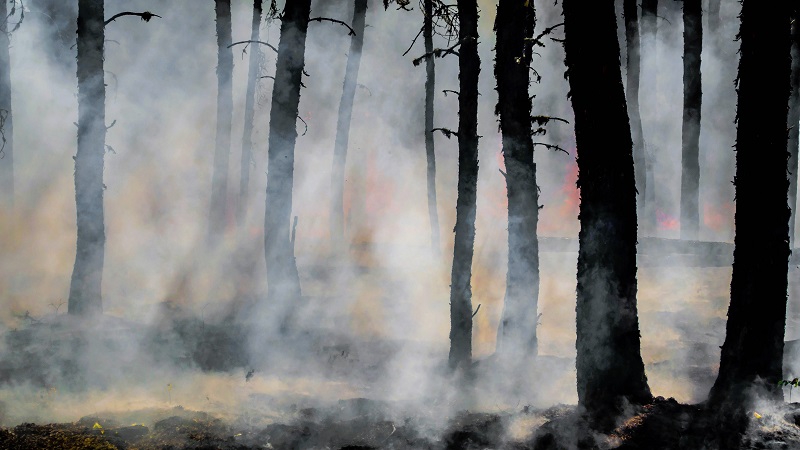
The deadliest wildfires in US history
When examining historical wildfires, it becomes hauntingly clear that the deadliest infernos often occurred over a century ago, before modern forecasting, rapid communication, and advanced firefighting technology. These events were characterized by their sudden onset and overwhelming intensity.
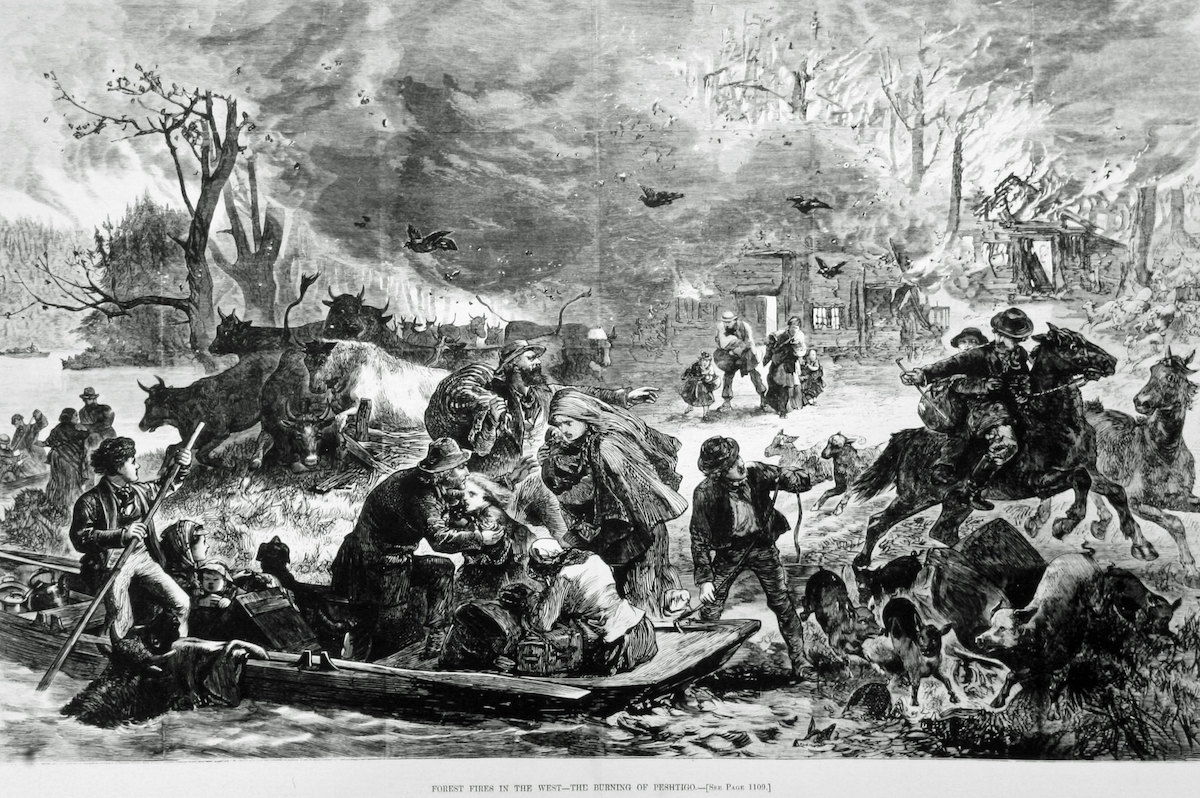
The Peshtigo Fire (1871): the deadliest of all-time
The deadliest wildfire in the history of the United States did not happen in California or the modern era; it occurred in the dense woods of Wisconsin. On October 8, 1871, the exact same day that the infamous Great Chicago Fire captured national headlines, a much deadlier catastrophe was unfolding to the north.
Fueled by a severe, prolonged drought and an abundance of dry logging debris left behind by timber crews, a small brush fire rapidly escalated into a terrifying "tornado of fire". This massive firestorm swept through the town of Peshtigo and the surrounding region, burning an estimated 1.2 to 1.5 million acres. The speed and heat of the fire were so intense that many residents had no time to flee, resulting in a staggering death toll estimated between 1,152 and 2,500 people. It remains a grim benchmark in American history.
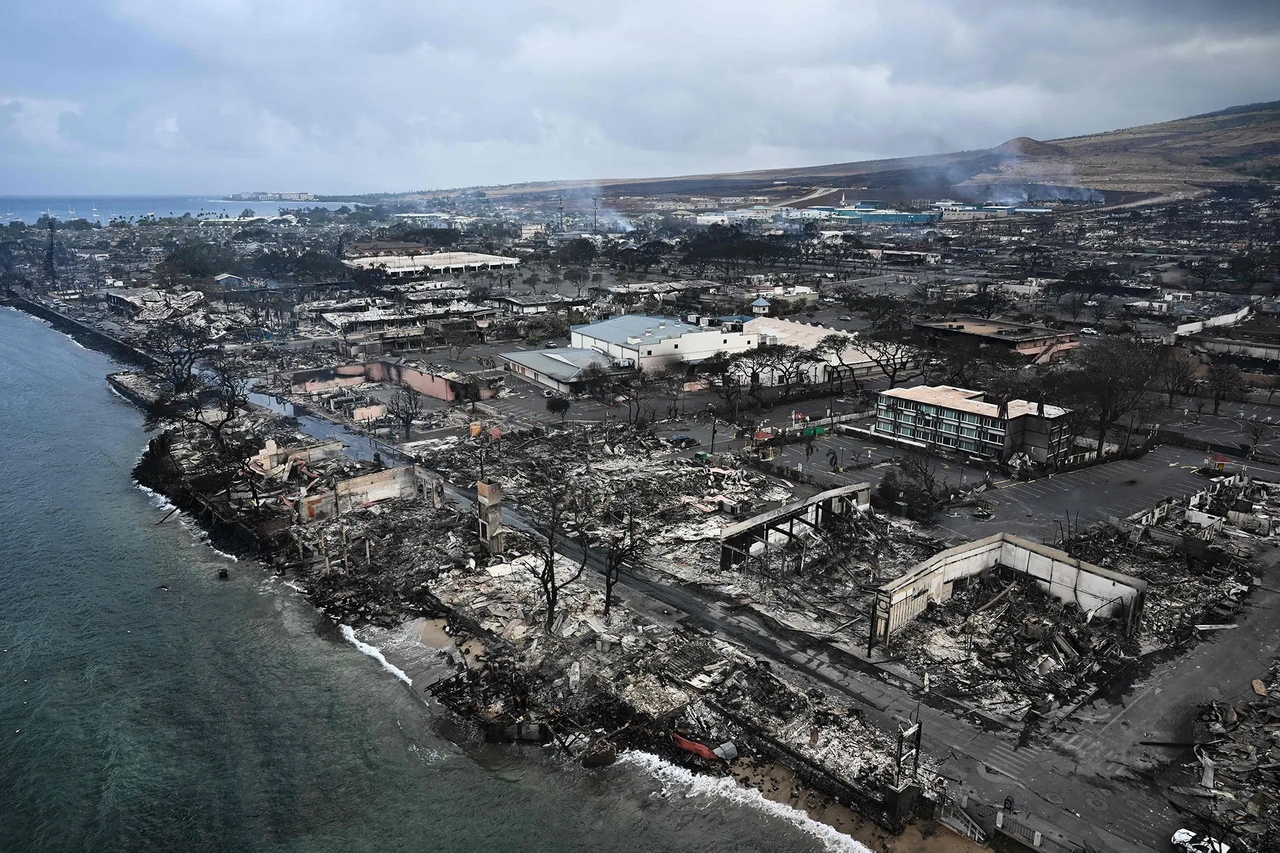
The Maui/Lahaina Wildfires (2023): the deadliest modern fire
For over a century, the US avoided mass-casualty wildfires on the scale of Peshtigo, largely due to advancements in fire suppression and evacuation protocols. Tragically, that changed in August 2023. The historic resort city of Lahaina on the Hawaiian island of Maui was virtually wiped off the map in a matter of hours.
An unseasonably dry landscape, combined with invasive, highly flammable grasses, provided the perfect tinder. When the powerful, hurricane-fueled winds of passing Hurricane Dora swept across the island, they fanned the flames into an uncontrollable urban firestorm. The disaster claimed over 100 lives, making it the deadliest US wildfire in more than a century and serving as a stark reminder that island and coastal communities are just as vulnerable as dense mainland forests.
The Cloquet and Moose Lake Fires (1918)
In October 1918, the state of Minnesota experienced a catastrophic series of fires that merged into a massive, deadly inferno. Driven by exceptionally strong winds and a landscape parched by a brutal dry spell, the fires were reportedly sparked by passing railroad locomotives.
The flames swept through the towns of Cloquet, Moose Lake, and several surrounding logging communities. Because the fire moved with such ferocity, thousands of residents were forced to flee on trains or seek refuge in nearby lakes. The fire ultimately claimed over 450 lives, left thousands of people completely homeless, and burned hundreds of thousands of acres.
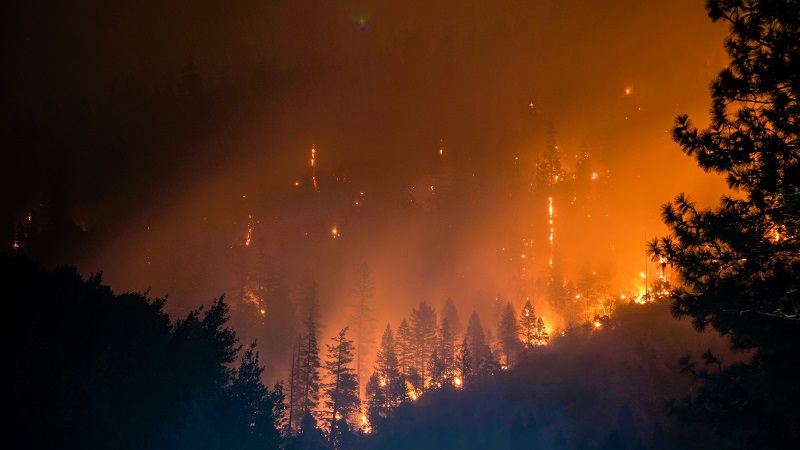
The largest and most destructive wildfires
While the worst wildfires in US history mentioned above are measured by the tragic loss of human life, other historic infernos are defined by their sheer, unimaginable scale and the unprecedented property destruction they left behind.
The Great Fire of 1910 (the "Big Blowup")
In the summer of 1910, the Northern Rockies experienced an inferno so massive it is still studied by forestry experts today. Known as the "Big Blowup", this fire consumed a staggering 3 million acres across Idaho, Montana, and Washington in the span of just two days.
The sky turned dark with smoke as far away as New England. The disaster resulted in 87 deaths, the vast majority of whom were brave, underequipped firefighters battling an unstoppable force of nature. This specific fire fundamentally shaped modern history, prompting the nascent US Forest Service to adopt a strict, decades-long policy of total fire suppression; a policy that, ironically, led to the buildup of natural fuels that worsen fires today.
The Camp Fire (2018): the most destructive
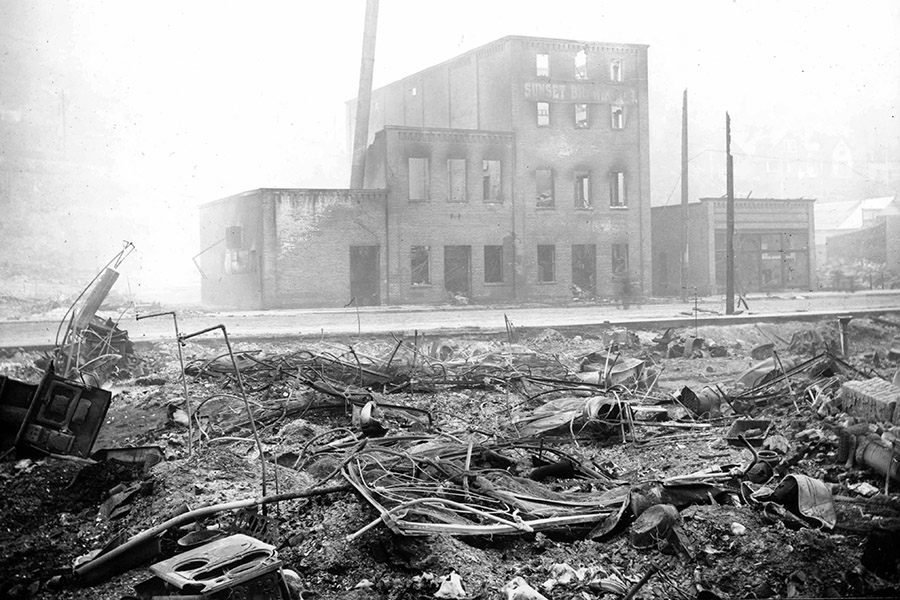
When measuring sheer destruction and financial cost, no fire compares to the 2018 Camp Fire in Butte County, California. Sparked in the early morning hours by a faulty PG&E electrical transmission line, the fire moved down the Sierra Nevada foothills with terrifying speed.
Within hours, it effectively wiped the town of Paradise off the map. The Camp Fire burned over 153,000 acres. It destroyed nearly 19,000 structures, mostly civilian homes, and caused an estimated $16.5 billion in damage. It holds the grim title of the most expensive and destructive wildfire in United States history.
The Smokehouse Creek Fire (2024) & The August Complex (2020)
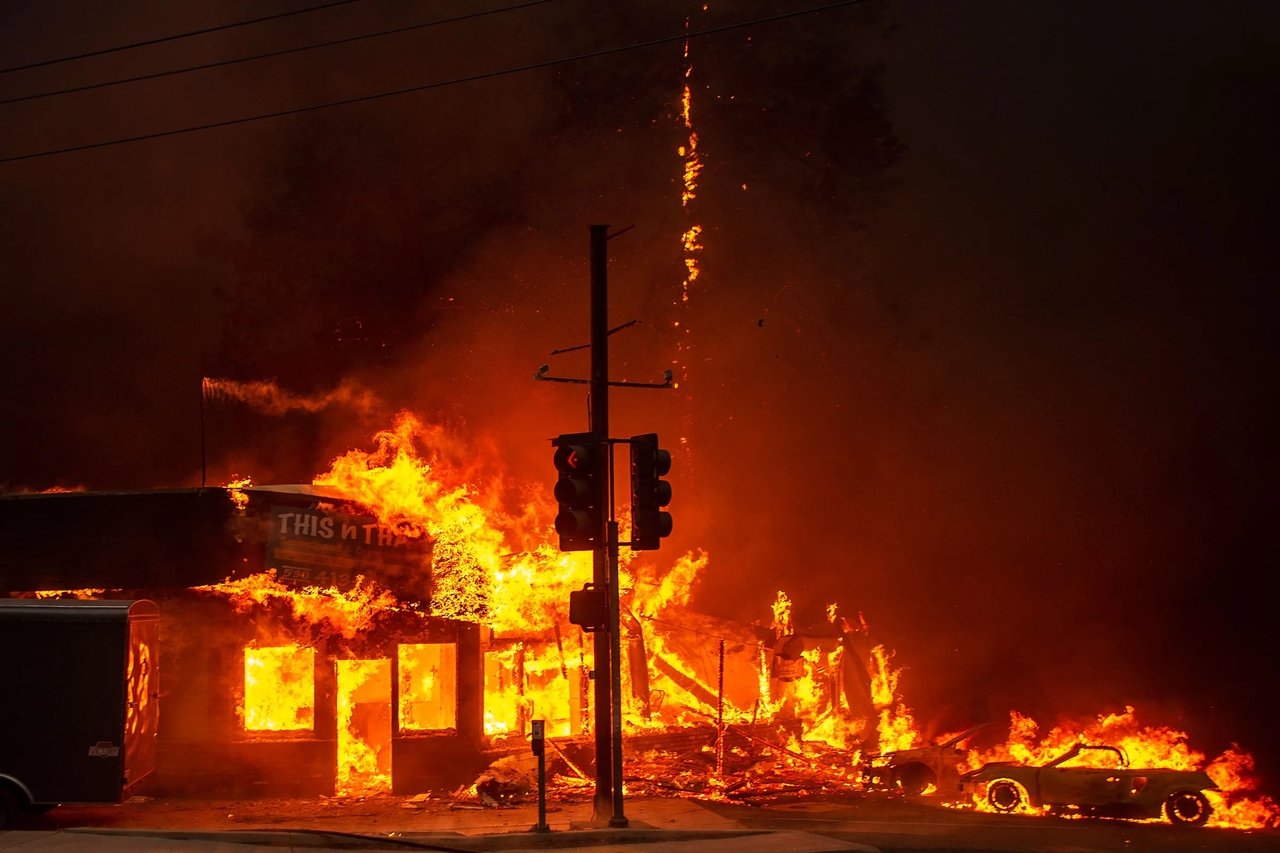
In recent years, the scale of wildfires has expanded into the "mega-fire" and "giga-fire" territories.
In 2020, California experienced its first-ever "giga-fire," the August Complex, which burned over 1 million acres across multiple counties.
Similarly, the 2024 Smokehouse Creek Fire in the Texas Panhandle rapidly exploded across dry, grassy plains, consuming over 1 million acres and becoming the largest wildfire in Texas state history. These events showcase the immense, sprawling scale of contemporary fire disasters.
What causes these historic infernos?
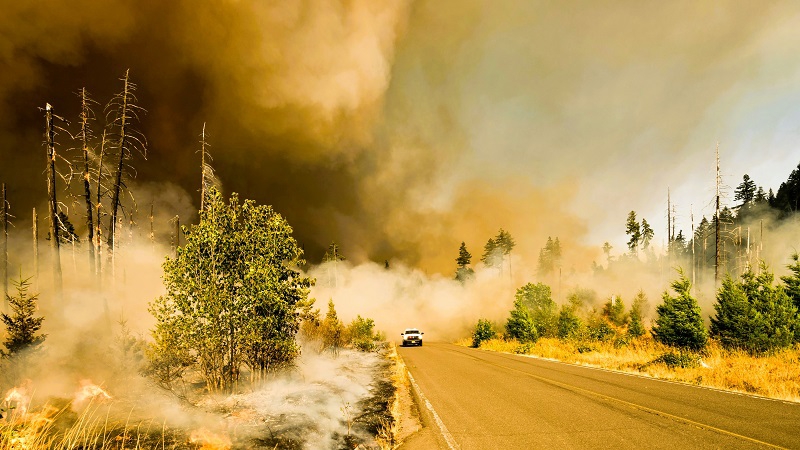
Understanding why these worst wildfires in US history have become so unmanageable requires looking at a combination of natural phenomena, human error, and shifting environmental baselines.
Natural factors: Many massive fires are born from a perfect storm of environmental conditions. Prolonged droughts dry out vegetation, turning forests and grasslands into tinderboxes. Dry lightning strikes can ignite dozens of fires simultaneously in remote areas. Furthermore, regional weather phenomena, like the Diablo and Santa Ana winds in California, act as bellows, driving flames forward at rapid speeds and carrying embers miles ahead of the main fire front.
Human activities: While nature sets the stage, humans are usually the spark. According to the National Park Service, humans cause 85% to 90% of all wildland fires in the United States. Unattended campfires, the burning of debris on windy days, discarded cigarettes, sparks from dragging trailer chains, and catastrophic powerline failures are the primary culprits.
Climate change: The overarching catalyst intensifying modern fires is a rapidly changing climate. Rising average global temperatures lead to the earlier melting of mountain snowpacks and prolonged, deeper droughts. What used to be a distinct, predictable "wildfire season" in the late summer and fall has now extended into a year-round threat.
Wildfire preparedness: safeguarding your home and family
The history of US wildfires is intimidating, but it shouldn't leave you feeling helpless. If you live in a fire-prone region, taking proactive, actionable steps can significantly increase your property's chances of survival and ensure your family's safety.
Step 1: Creating defensible space
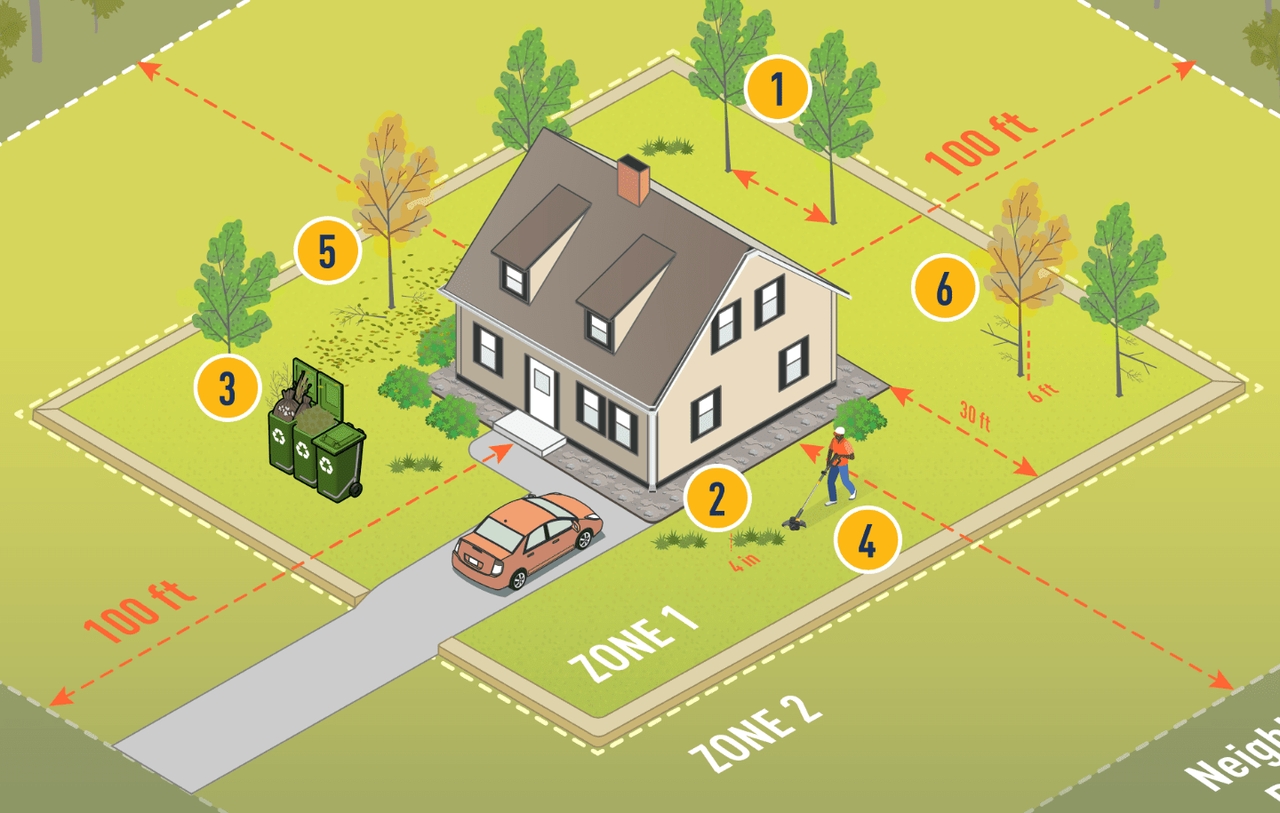
The most effective way to protect your home is to create "defensible space". This means aggressively managing the vegetation within a 30 to 100-foot radius around your house.
Clear out dead brush, remove fallen pine needles from your roof and gutters, and trim tree branches that hang over your property. When planting, opt for fire-resistant landscaping, utilizing high-moisture plants and succulents while keeping flammable mulch well away from your home's siding.
Step 2: Emergency evacuation plans and go-bags
When a fire approaches, you may only have minutes to leave. Every family member should know multiple evacuation routes outside of the neighborhood.
Keep a pre-packed "Go-Bag" near the door. This emergency kit should include N95 masks to protect your lungs from heavy smoke, physical copies of important documents, a week’s supply of necessary medications, water, and non-perishable food.
Step 3: Resilient Emergency Power Backup
During extreme fire weather, utility companies frequently initiate Public Safety Power Shutoffs (PSPS) to prevent their equipment from sparking a blaze in high winds. When the grid goes down for days at a time, having a reliable power backup is no longer a luxury; it's a critical survival tool. You need electricity to run life-saving medical equipment, keep mobile phones charged to receive emergency evacuation alerts, and power heavy-duty indoor air purifiers to filter out hazardous wildfire smoke.
For ultimate peace of mind, it is essential to turn to the EcoFlow Ocean Pro, a robust, whole-home energy system designed for the harshest environments. It is engineered for rugged reliability, capable of operating safely and efficiently in extreme conditions up to 140°F (60°C). When dealing with sweltering ambient heat of severe wildfire season, having a resilient whole-home backup that won't buckle under the heat is crucial.
Beyond its extreme temperature resilience, the Ocean Pro delivers up to 24.0kW of continuous AC output from a 10kWh base LFP battery. This scalable system allows 8 batteries per inverter, reaching an 80kWh capacity. Harnessing 40kW of maximum solar input, it easily sustains your household off-grid, when emergency strikes. And with a 205A load start capability, it effortlessly powers heavy-duty appliances and air-conditioning during prolonged utility shutoffs.

Get Your Free Home Energy Consultation!
Which energy solution are you interested in?


Signing off
The staggering scale of historic fires like the 1910 Big Blowup or the tragic human toll of Peshtigo are awe-inspiring reminders of nature’s power. Today, the modern threat of rapid, destructive mega-fires is a pressing reality for millions of Americans.
By respecting local burn bans, remaining vigilant during dry seasons, and investing in robust emergency preparedness, from cultivating defensible space to installing reliable, heat-resistant whole-home energy systems like the Ocean Pro, you can actively protect your home and your family from the flames.
Frequently Asked Questions (FAQs)
Are LA fires the largest wildfire in US history?
No, the 2025 LA fires are not the biggest by acreage. The 2018 Camp Fire burned more land. However, the LA fires scorched the largest urban area ever in California and could become the costliest disaster in US history.
What was the "biggest" wildfire in US history?
By acreage, the biggest wildfire in recorded US history is the Great Fire of 1910, also known as the "Big Blowup." It burned a staggering 3 million acres across Idaho, Montana, and Washington over the course of just two days.
What state has the most wildfires?
California traditionally experiences the highest number of wildfires and suffers the most significant property damage and financial loss. However, states like Texas, Oregon, and Alaska also rank extremely high in terms of total acreage burned annually.
How do most wildfires start?
Nearly 90% of wildland fires in the United States are caused by human activities. The most common human causes include unattended campfires, burning trash or debris, discarded cigarettes, equipment sparks, and utility or powerline failures.
What was the most "destructive" wildfire in US history?
The 2018 Camp Fire in California is the most destructive in US history. It nearly erased the town of Paradise, destroyed roughly 19,000 structures (mostly civilian homes), and caused over $16.5 billion in property damage.

