
Top 10 Worst Tornadoes in US History and How to Get Ready
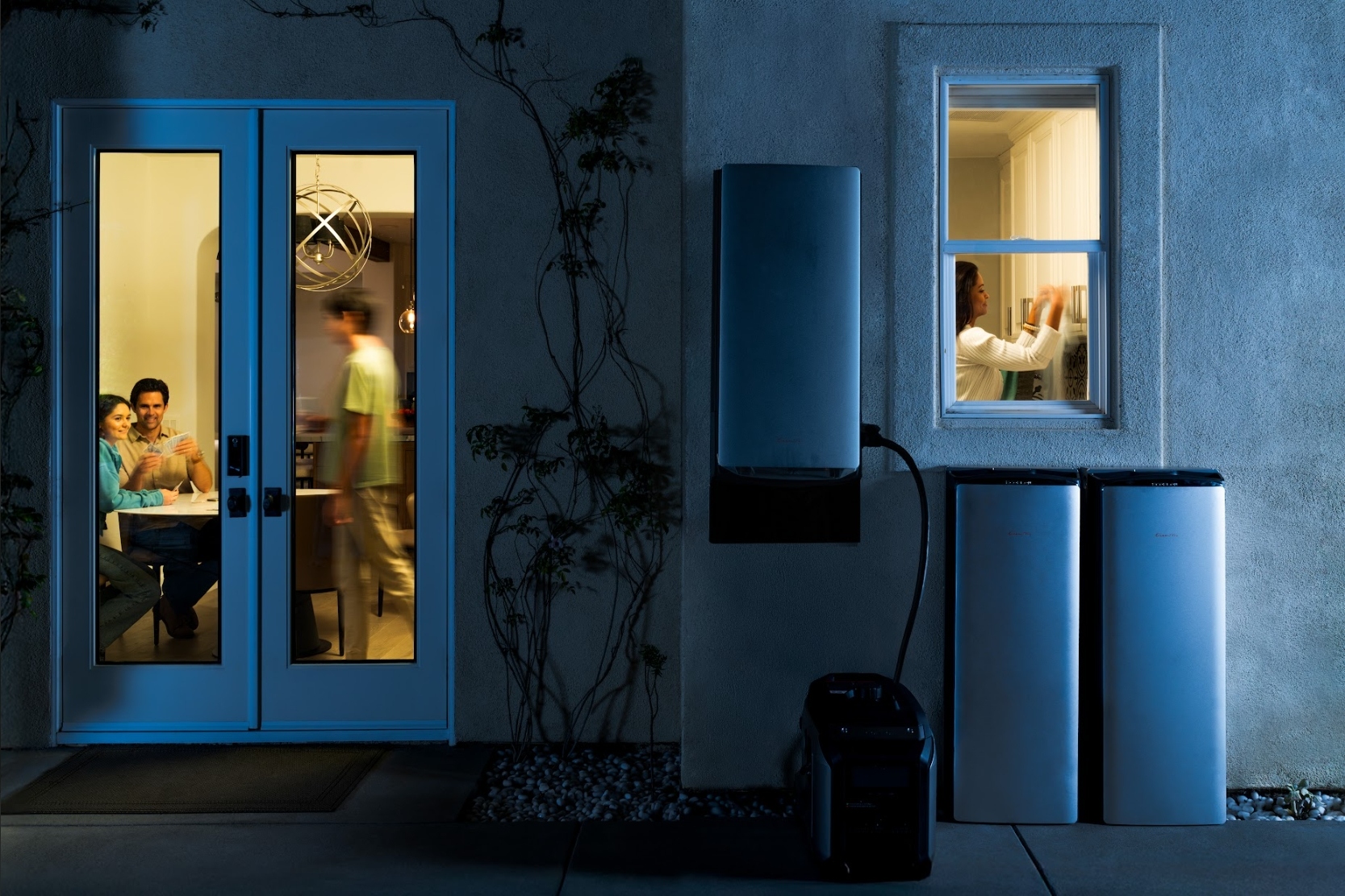
A big tornado can disrupt daily life in minutes. The destruction is immediate, but the stress often grows after the storm, when families face unsafe rooms, spoiled food, lost cooling, and long outages. For owners of larger homes, recovery is often harder because the house depends on more systems to stay safe and comfortable. That is why tornado history matters. It shows how destructive these storms can be, how big can a tornado get in extreme cases, and why home preparation needs to start well before the next warning.
What Were the 10 Worst Tornadoes in US History?
These ten disasters still stand out because of the lives lost, the communities hit, and the scale of destruction left behind. Each big tornado on this list points to the same hard truth: violent storms can overwhelm a town long before people feel ready for them.
Rank | Tornado | Year | Main Area | Deaths |
1 | Tri-State Tornado | 1925 | Missouri, Illinois, Indiana | 695 |
2 | Great Natchez Tornado | 1840 | Mississippi | 317 |
3 | Great St. Louis Tornado | 1896 | Missouri, Illinois | 255 |
4 | Tupelo Tornado | 1936 | Mississippi | 216 |
5 | Gainesville Tornado | 1936 | Georgia | 203 |
6 | Woodward Tornado | 1947 | Texas, Oklahoma, Kansas | 181 |
7 | Joplin Tornado | 2011 | Missouri | 158 |
8 | Amite and Purvis Tornado | 1908 | Louisiana, Mississippi | 143 |
9 | New Richmond Tornado | 1899 | Wisconsin | 117 |
10 | Flint-Beecher Tornado | 1953 | Michigan | 116 |
1. Tri-State Tornado
The Tri-State Tornado struck on March 18, 1925, and tore across parts of Missouri, Illinois, and Indiana. It remains the deadliest tornado in U.S. history, with 695 deaths. Many people still ask what is the deadliest tornado in us history, and the answer is the Tri-State Tornado. What made this big tornado especially terrifying was its long path and relentless speed. It moved through multiple towns in a single afternoon and left entire neighborhoods in ruins. Families had almost no time to react, and many communities had little protection against a storm of that scale. Even today, the Tri-State Tornado stands as the clearest example of how one violent tornado can devastate several states in just a few hours.
2. Great Natchez Tornado
The Great Natchez Tornado hit Mississippi on May 6, 1840, and killed 317 people. It remains one of the deadliest tornado disasters ever recorded in the United States. The storm struck at a time when warning systems, emergency planning, and storm shelters were almost nonexistent, which left people highly exposed once conditions turned violent. Its death toll also reflected how difficult recovery could be in that era, when transportation, communication, and medical care were far more limited. The Natchez tornado still holds a major place in U.S. weather history because it shows how deadly a powerful tornado can be when people have little chance to prepare.
3. Great St. Louis Tornado
The Great St. Louis Tornado struck Missouri and Illinois in 1896 and killed 255 people. It became one of the worst urban tornado disasters in American history because it hit a major city and surrounding areas packed with homes, businesses, and public spaces. A big tornado in an urban setting creates a different kind of danger. Falling brick, shattered glass, collapsing structures, and blocked streets can turn a fast-moving storm into a citywide emergency within minutes. The St. Louis tornado showed how quickly heavy damage spreads when violent winds move through a dense population center with little time for escape.
4. Tupelo Tornado
The Tupelo Tornado hit Mississippi on April 5, 1936, and killed 216 people. It remains one of the deadliest tornadoes ever to strike the South. The storm moved through residential areas where many homes were not built to withstand violent winds, which made the destruction even worse. In places with dense neighborhoods and limited shelter options, a tornado can cause enormous losses in a very short time. The Tupelo disaster is still remembered because it showed that the Deep South faces serious tornado risk, even though many people often picture tornado disasters as a Plains problem first.
5. Gainesville Tornado
The Gainesville Tornado struck Georgia on April 6, 1936, and killed 203 people. It tore through the heart of a busy business district filled with workers and shoppers, which helps explain why the death toll was so high. When a tornado hits a downtown area during working hours, the damage extends far beyond buildings. It can shut down factories, destroy stores, injure large groups of people at once, and leave a lasting economic wound in the community. Gainesville remains one of the most severe tornado disasters in the Southeast and a strong reminder of how destructive a big tornado can be in a crowded commercial center.
6. Woodward Tornado
The Woodward Tornado moved across parts of Texas, Oklahoma, and Kansas in 1947 and killed 181 people. It remains one of the deadliest Plains tornadoes ever recorded. This storm is often remembered for the way it kept producing destruction across a broad stretch of land rather than focusing on just one town. That kind of long-track damage creates a wider regional crisis because emergency response, medical care, and recovery needs all spread across multiple communities at once. The Woodward tornado also reinforced the danger of a big tornado in open country, where storms can travel far and still strike towns with full force.
7. Joplin Tornado
The Joplin Tornado struck Missouri on May 22, 2011, and killed 158 people. It showed that even in the modern era, a violent tornado can still cause catastrophic losses when it cuts through a populated city. This big tornado injured over 1,000 people and damaged homes, schools, businesses, and medical facilities across a large section of Joplin. Its impact went far beyond the first day because so much of the city’s daily life was disrupted at once. Joplin remains one of the most important modern examples of how severe tornado damage can overwhelm a community even when forecasts and public warnings are available.
8. Amite and Purvis Tornado
The Amite and Purvis Tornado crossed parts of Louisiana and Mississippi in 1908 and killed 143 people. It remains one of the deadliest tornadoes ever recorded in the Deep South. The storm is especially important in tornado history because it reminds people that violent tornadoes are not limited to the central Plains. In rural and wooded areas, the danger can be even harder to judge because visibility is poor and warnings may reach people later. The Amite and Purvis tornado also showed how scattered communities can suffer very high losses when a strong storm moves through places with limited shelter and weaker construction.
9. New Richmond Tornado
The New Richmond Tornado hit Wisconsin in 1899 and killed 117 people. It devastated the town and left a deep mark on local history. One reason this tornado is still remembered is that it showed how a powerful storm can turn a smaller community into the center of a national disaster story. A violent tornado does not need a large city to produce extreme destruction. In a small town, damage to homes, shops, public buildings, and basic services can affect nearly everyone at once. The New Richmond tornado remains a strong reminder that tornado risk reaches well beyond the areas people most often associate with severe storms.
10. Flint-Beecher Tornado
The Flint-Beecher Tornado struck Michigan in 1953 and killed 116 people. For decades, it was the last U.S. tornado to kill more than 100 people, until Joplin in 2011. The storm hit a suburban area, which made its impact especially striking. Many people tend to picture a big tornado crossing farmland or open Plains country, yet this disaster showed how dangerous violent tornadoes can be in developed residential areas as well. Homes, schools, roads, and neighborhood infrastructure can all be hit in a matter of minutes. Flint-Beecher still stands as a warning that suburban communities are never outside tornado risk.
How to Prepare for the Next Tornado at Home
After a big tornado, families often find that the emergency keeps unfolding long after the wind stops. A strong home plan needs to cover the few minutes before impact and the long hours or days that follow.
Larger homes need extra attention because daily life depends on more rooms, more equipment, and usually a heavier electric load. People often ask what states are in tornado alley in the US, but serious tornado risk is not limited to one part of the country. That is why it makes sense to prepare early, even if tornadoes are not seen as a major local threat.
Choose the Best Shelter Space Early
A tornado warning leaves very little time to decide where to go. The safest option is a safe room, basement, storm cellar, or a small interior room on the lowest level away from windows. In a larger home, it helps to settle that choice early and keep shoes, flashlights, chargers, medications, helmets, and basic first aid supplies close to that space.
Use More Than One Warning Method
Outdoor sirens can help, though they should never be the only way your household learns about a storm. Phones, weather radio, local television, and local radio all matter, especially at night or when family members are spread across different parts of a large house. A big tornado can move fast, so losing one alert channel should not leave your home blind.
Keep Supplies Where You Can Reach Them Fast
Emergency supplies work best when they are easy to grab. Water, shelf-stable food, batteries, power banks, pet supplies, sanitation items, and copies of insurance records should be stored where people can reach them quickly under stress. If your household includes children, older adults, or anyone with medical needs, those items should be prepared with the same urgency as food and water.
Prepare for a Long Outage
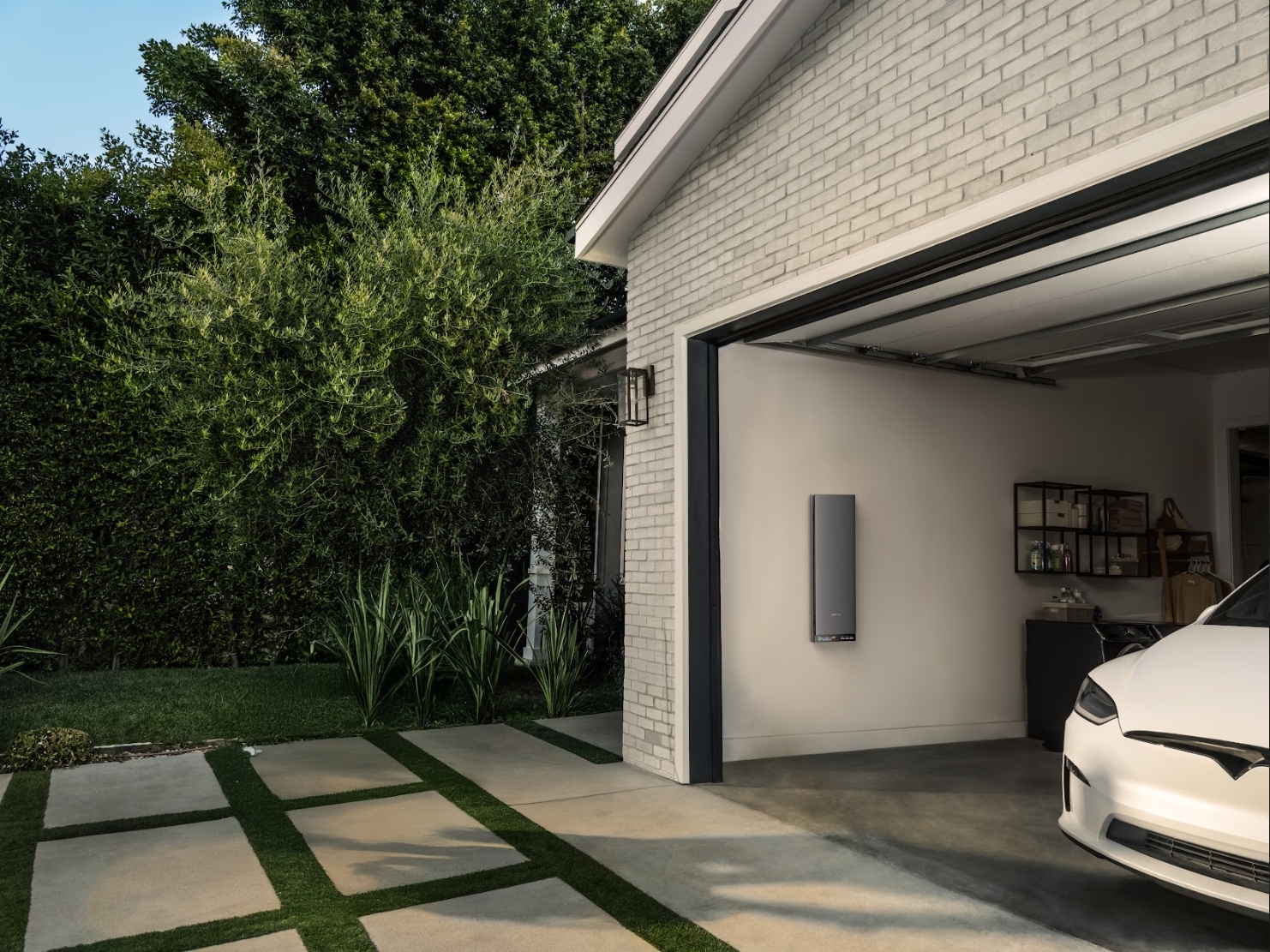
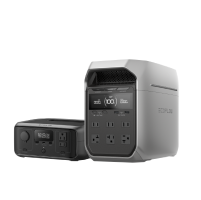
A big tornado can take down lines, transformers, roads, and communications across a wide area. In a larger home, the impact grows because safety and comfort often depend on multiple refrigerators, freezers, internet service, security systems, medical devices, well pumps, sump pumps, garage access, and part of the cooling system. That is why outage planning should include a written list of the loads your home cannot lose. For households building a stronger storm plan, EcoFlow OCEAN Pro fits naturally into that conversation as a whole-home backup option designed for larger residential energy needs.
Get Your Free Home Energy Consultation!
Which energy solution are you interested in?
Plan for the Next Tornado With Better Home Backup
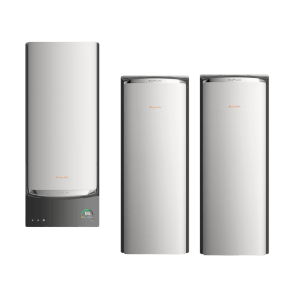
A big tornado can leave a large home dealing with far more than storm damage. Food storage, cooling, internet, security, water-related equipment, and key household systems may all depend on stable backup power during a long outage. That is why planning ahead matters. Start by identifying the loads your home cannot lose, then review whether your current setup can support them. If you are building a stronger whole-home backup plan for severe weather, EcoFlow OCEAN Pro is one option worth considering for larger residential needs.
FAQs
Q1: What has been the deadliest tornado in US history?
The deadliest tornado in U.S. history was the Tri-State Tornado of March 18, 1925. It killed 695 people as it tore across parts of Missouri, Illinois, and Indiana. It still holds the highest death toll ever recorded for a single tornado event in the United States, which is why it remains central to every discussion of historic tornado disasters.
Q2: Is an EF5 stronger than an F5?
No. An EF5 is not simply stronger than an F5. The two ratings come from different tornado scales. F5 belongs to the original Fujita scale, while EF5 belongs to the Enhanced Fujita scale introduced later. Both represent the highest rating on their own systems, but the EF scale uses updated damage indicators and a revised method for estimating wind strength.
Q3: How long can a tornado-related power outage last?
Tornado-related power outages can last anywhere from a few hours to several days, depending on the severity of the storm, the level of damage to local power lines, and how quickly utility crews can restore service. In areas hit by major tornadoes, some households may be without electricity for an extended period. That is why large homes often benefit from a backup plan that can keep essential systems running, such as refrigeration, lighting, communication devices, and HVAC support when needed.
Q4: Should you go to the basement during a tornado?
Yes. A basement is one of the safest places to shelter during a tornado because it puts more walls and flooring between you and flying debris. If there is no basement, move to a small interior room on the lowest floor, away from windows. Safe rooms and storm shelters offer even stronger protection when they are available.
Q5: Should large homes prepare for long power outages after a tornado?
Yes. Large homes should prepare for long outages because power loss after a tornado can affect far more than lighting. Refrigeration, cooling, internet service, security systems, medical equipment, well pumps, sump pumps, and garage access may all become urgent needs. That is why tornado preparation for larger homes should include both safe shelter planning and whole-home backup planning.

