
What is a Solar Array? Costs, Sizes, and How It Works
As energy costs continue to rise and extreme weather events put strain on the aging electrical grid, millions of homeowners are turning to solar energy. But as you start researching solar for your home, you are likely to run into a storm of industry jargon.
One of the most common points of confusion is understanding terminology. You might be wondering: What exactly is a solar array? Is it different from solar panels?
In this comprehensive guide, we will break down exactly what a solar array is, how it works, the different types available, and how to maximize its value by pairing it with a robust whole-home battery backup system.
What is a solar array?
In the simplest terms, a solar array is a linked collection of multiple solar panels wired together to capture sunlight and generate electricity.
While a single solar panel can only generate a limited amount of power, an array multiplies that power to meet the energy demands of an entire household. The array acts as the central power-generating element of any solar setup.
Solar panel vs. solar array vs. solar system: what's the difference?
These terms are often used interchangeably, but they represent entirely different scopes of equipment:
Solar panel: The individual module that captures sunlight. It is a single building block.
Solar array: Multiple solar panels physically connected and wired together. This is the power-generating portion of your setup.
Solar energy system: The complete, functional package. It includes the solar array, plus the inverters, wiring, mounting hardware, and any connected battery storage.
Common types of solar arrays
Now that you know "what is a solar array", it is important to know its few types. When designing a solar system, you have a few options for where and how your array is installed:
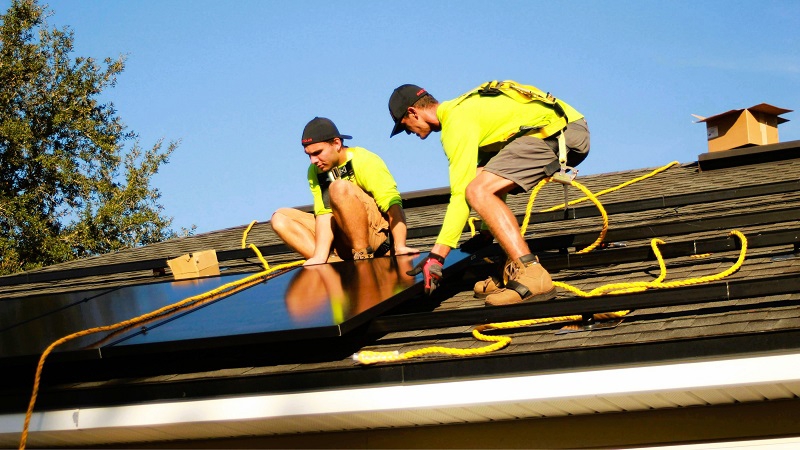
Roof-mounted arrays
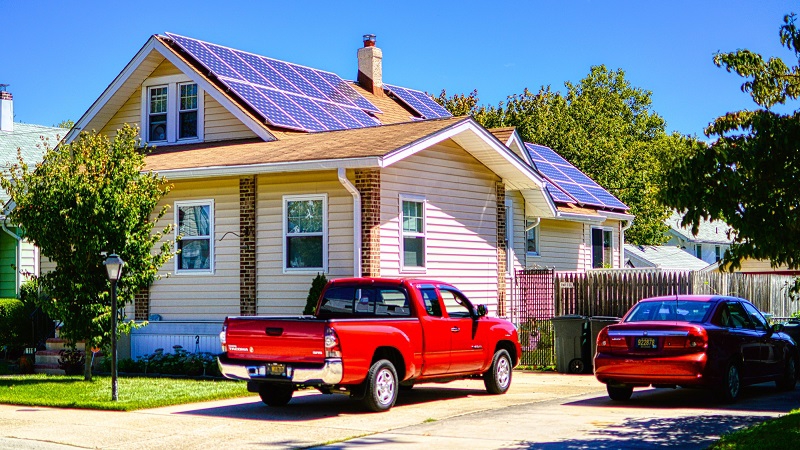
As the most popular choice for residential homes, these systems utilize existing roof space efficiently. They generally require fewer permits, eliminate the need for extra land, and minimize structural additions.
Ground-mounted arrays
Ideal for properties with expansive yards or high energy demands, these panels are installed on specialized ground racks. This placement allows for optimal sun angling and easier routine maintenance access.
Solar carports and canopies
These dual-purpose elevated arrays are built over parking areas. They provide valuable shade and weather protection for vehicles parked beneath them while simultaneously generating clean, efficient power from the sun.
What are solar arrays made of & how do they work?
To understand an array, you have to look at the individual panels that make it up. Standard solar panels consist of four primary components:
Photovoltaic (PV) cells: The core component of the panel. These cells, typically made of silicon, are responsible for actively converting sunlight into direct current (DC) electricity.
Glass casing: A highly durable layer of tempered, anti-reflective glass. It protects sensitive PV cells from harsh weather, hail, and flying debris while ensuring maximum sunlight passes through.
Metal frame: Usually made of lightweight but sturdy aluminum, the frame provides the necessary structural support to hold the glass and cells securely in place.
Backsheet and wiring: A protective polymer backsheet insulates the panel from the bottom. Inside, metallic strips (known as busbars) and wiring carry the generated electricity out of the panel and into the wider array network.
How do solar arrays work?
The process of turning sunshine into the electricity that powers your television, refrigerator, and HVAC system is surprisingly straightforward:
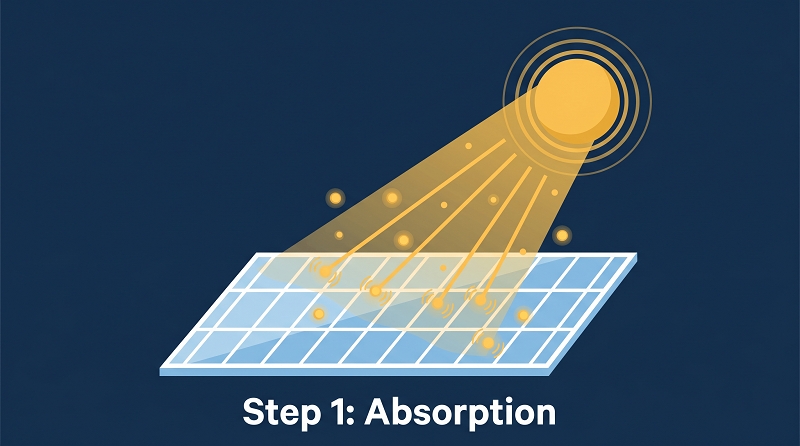
Step 1: Absorption
The PV cells within the array's panels absorb sunlight (a phenomenon known as the photovoltaic effect).
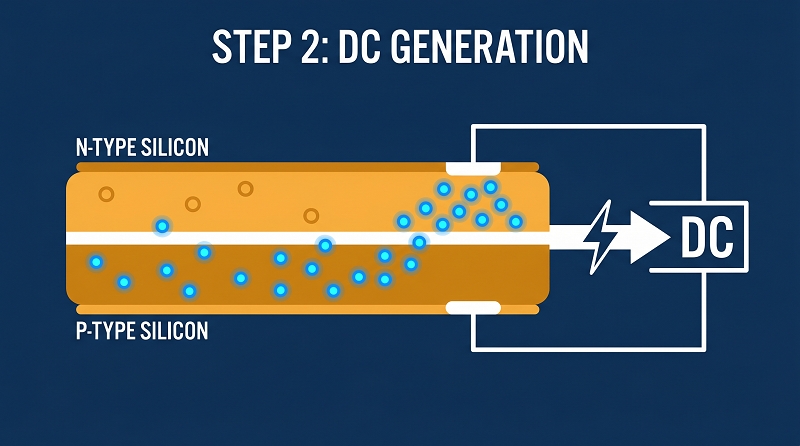
Step 2: DC generation
This absorbed sunlight excites electrons in the silicon cells, generating Direct Current (DC) electricity.
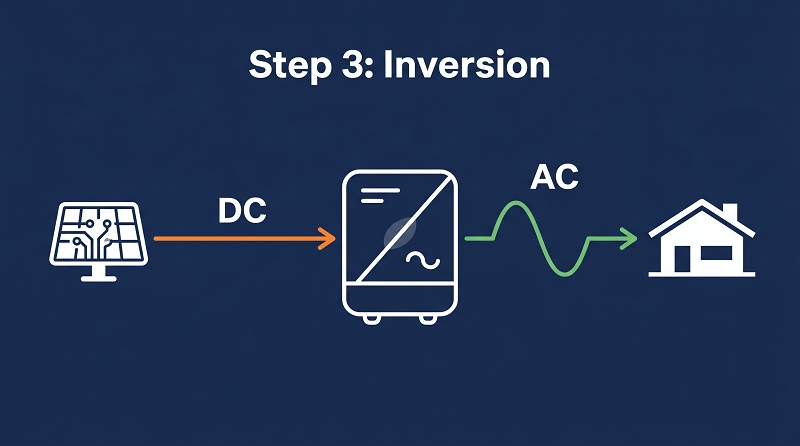
Step 3: Inversion
Because your home appliances run on Alternating Current (AC), the DC electricity is sent to an inverter, which translates the DC power into usable AC power.
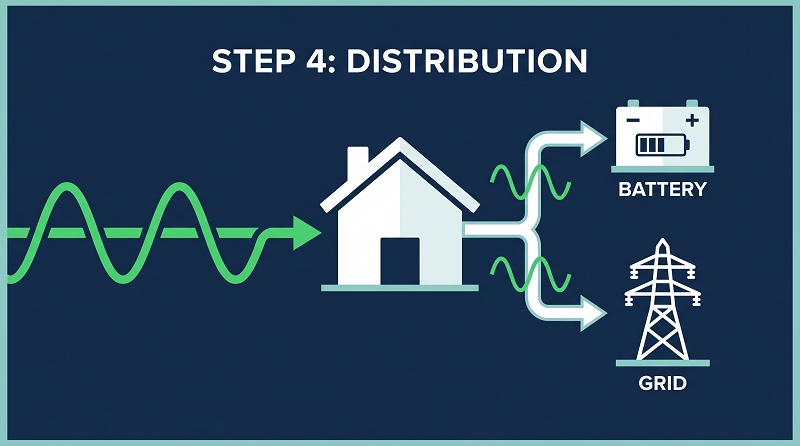
Step 4: Distribution
The AC electricity is then distributed to power your home. Any excess power is either used to charge a battery pack or is sent back to the local utility grid.
Maximizing your solar array with a whole-home battery backup system
A common misconception among homeowners is that a solar array will automatically keep the lights on during a blackout. In reality, standard grid-tied solar systems automatically shut down during a power outage to prevent sending electricity back onto the grid and injuring utility workers.
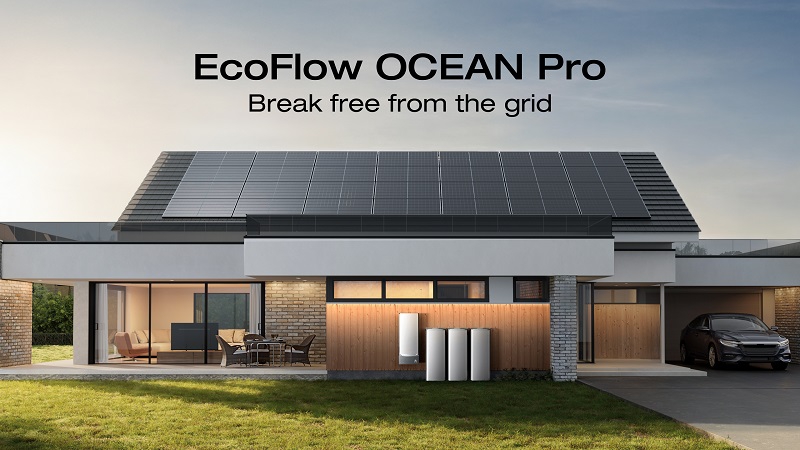
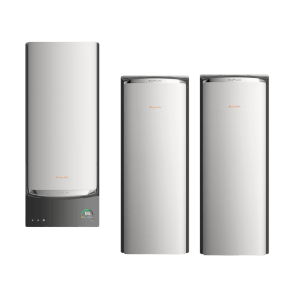
To achieve true energy independence and utilize your solar array during an outage, you need battery storage. If you are looking for seamless whole-home power backup to pair with a new or existing array, the EcoFlow Ocean Pro is a premier choice. Engineered to handle large solar arrays and heavy household demands, it turns your array into an unstoppable microgrid.
Get Your Free Home Energy Consultation!
Which energy solution are you interested in?
Why should you use EcoFlow Ocean Pro with solar arrays?
Massive solar input: It can handle an incredible 40kW of maximum STC solar input. With 8 built-in MPPTs (supporting 5kW per channel), it ensures your array harvests the maximum amount of energy regardless of shading on different parts of your roof.
High-performance output: It support a powerful 24kW continuous AC output. Crucially, it features a 205A LRA (Locked Rotor Amps) load start capability. This means it can easily handle the massive initial surge of electricity required to start up heavy appliances like central HVAC units and well pumps.
Maximum efficiency: You want to keep the power you make. The Ocean Pro boasts a 97.5% efficiency rating for routing solar directly to your home or the grid.
Highly scalable battery: You can start with a 10kWh battery unit and scale up to a massive 80kWh (using 8 battery units) connected to a single inverter.
All-weather durability: Built with a NEMA 3R enclosure rating, the system can be installed indoors or outdoors, operating perfectly from -4°F to 140°F (-20°C to 60°C).
Factors to decide whether you need a solar array
Is a solar array right for your home? Consider these four factors to arrive at your final decision.
Current electricity bills
Evaluate your average monthly utility costs. If you live in an area with high electricity rates, the upfront investment in a solar system pays off much faster.
Roof condition and sun exposure
Your roof needs the structural integrity to hold an array for 25+ years. It also needs adequate, unshaded sunlight (peak sun hours) throughout the day. Southern and western-facing roofs are usually best.
Local financial incentives
Local state rebates and net-metering programs can drastically reduce the total cost of your system. So, keep an eye-out for any procedures that you might need to follow to increase your ROI.
Outage frequency and energy independence
If your local grid is unreliable and you frequently experience blackouts or rolling brownouts, pairing an array with a battery system is highly beneficial for your peace of mind and family's safety.
How big of a solar array do you need & their cost estimation?
The cost of a solar array is generally measured in "price per watt."
On average, the cost ranges between $2.50 and $3.50 per watt in the United States. For a standard 8kW system, you can expect the total gross cost to be between $20,000 and $29,000 before any incentives are applied.
Variables that affect price: Your final price tag will be influenced by the size of the array, the quality and brand of the panels and inverters, local labor rates, and the complexity of your roof.
Factoring in battery storage: Adding a high-quality battery storage system, like the Ocean Pro, will increase your initial upfront costs. However, it drastically improves your Return on Investment (ROI) by maximizing your self-consumption (using your own stored power during expensive evening peak-rate hours) and providing priceless security during grid failures.
Return on Investment (ROI): Most homeowners see a complete ROI payback period on their solar investment in 6 to 10 years, though this varies significantly by state, local electricity rates, and available incentives.
Comparison of array sizes across 5 major United States regions
Because sunlight and climate vary, a home in Arizona needs a different array size than a home in New York to produce the same results.
The Southwest (e.g., AZ, NV): Maximum peak sun hours mean smaller arrays (5-6 kW) can often easily meet standard household needs.
The Northeast (e.g., NY, MA): Lower sun exposure and harsh winters generally require larger arrays (8-10 kW) to generate enough power.
The Southeast (e.g., FL, GA): While sunlight is abundant, heavy, year-round air conditioning usage drives up energy demands, typically requiring moderate-to-large arrays (7-9 kW).
The Midwest (e.g., IL, OH): Moderate sun exposure with highly varied seasonal weather typically necessitates standard-to-large arrays (7-9 kW) to balance out cloudy winter months.
The West / Pacific Northwest (e.g., CA, WA): This region is highly varied (very cloudy in Washington, very sunny in Southern California), but generally averages out to moderate array sizes (6-8 kW).
Wrapping up
A solar array is the beating heart of your home's clean energy system. By transforming free sunlight into usable electricity, it offers a path away from rising utility costs and fossil fuels.
Whether you are looking to install a modest roof-mounted array to offset your bills or a massive system with high-capacity battery backup to achieve total energy independence, understanding how these systems work is your first step.
Take the time to assess your home's unique energy needs, your local climate, and your budget, and consider future-proofing your home with a robust solar and storage setup today.
Frequently Asked Questions (FAQs)
Do I need to clean or maintain my solar array?
Solar arrays require incredibly little maintenance. If you live in an area with frequent rain, the weather will wash away most dust. However, in dry climates or areas with heavy pollen, occasional gentle rinsing with a hose can help maintain optimal efficiency.
What is a solar array's average lifespan?
Most high-quality solar arrays are incredibly durable and are built to produce efficient power for 25 to 30 years. It's worth noting, however, that string inverters typically have a lifespan of 10 to 15 years and may need replacing once during the lifespan of the array.
Can you run AC all day with solar panels?
Yes, you can absolutely run an air conditioner using solar power, provided your system is properly sized. Because AC units draw a massive amount of power, especially when the compressor first kicks on, you need an array large enough to cover the continuous draw, and ideally, a battery backup system (like the Ocean Pro with its 205A load start capability) to handle those massive startup surges without tripping your system.
Will my solar array work during a power outage?
Standard grid-tied arrays shut down entirely during outages to protect utility workers fixing the lines. If you want your array to work during a blackout, you must add an islanding-compatible backup battery system, such as the EcoFlow Ocean Pro.
How much does a 10kW solar array cost?
A 10kW solar array typically costs between $25,000 and $35,000 fully installed. However, you should always check with your installer about local state or utility rebates that can help push this initial investment cost lower, leading to shorter ROI terms.

