
Washing Machine Wattage: Know the Energy Cost of Your Laundry Day
Laundry shouldn’t come with surprise electricity bills, yet many households struggle to understand their washing machine wattage and its impact on energy costs. Different machines consume varying amounts of power, making it hard to estimate expenses accurately. However, monitoring the wattage is mandatory to keep bills in check. EcoFlow Ocean Pro can effortlessly monitor, manage, and reduce energy consumption, thus making laundry day both efficient and cost-effective. In this guide, we'll explore everything about machine wattage, key factors, and how you can view real-time consumption. Scroll down and learn more.
What is the typical washing machine wattage
Before we calculate the exact energy cost of your laundry day, let's first understand the washing machine wattage in detail. The term refers to the amount of electrical power a machine uses to operate. Wattage is measured in watts (W) and directly affects how much electricity your appliance consumes per cycle. The higher the wattage, the more power it draws, especially during energy-intensive stages like heating water or spinning at high speeds.
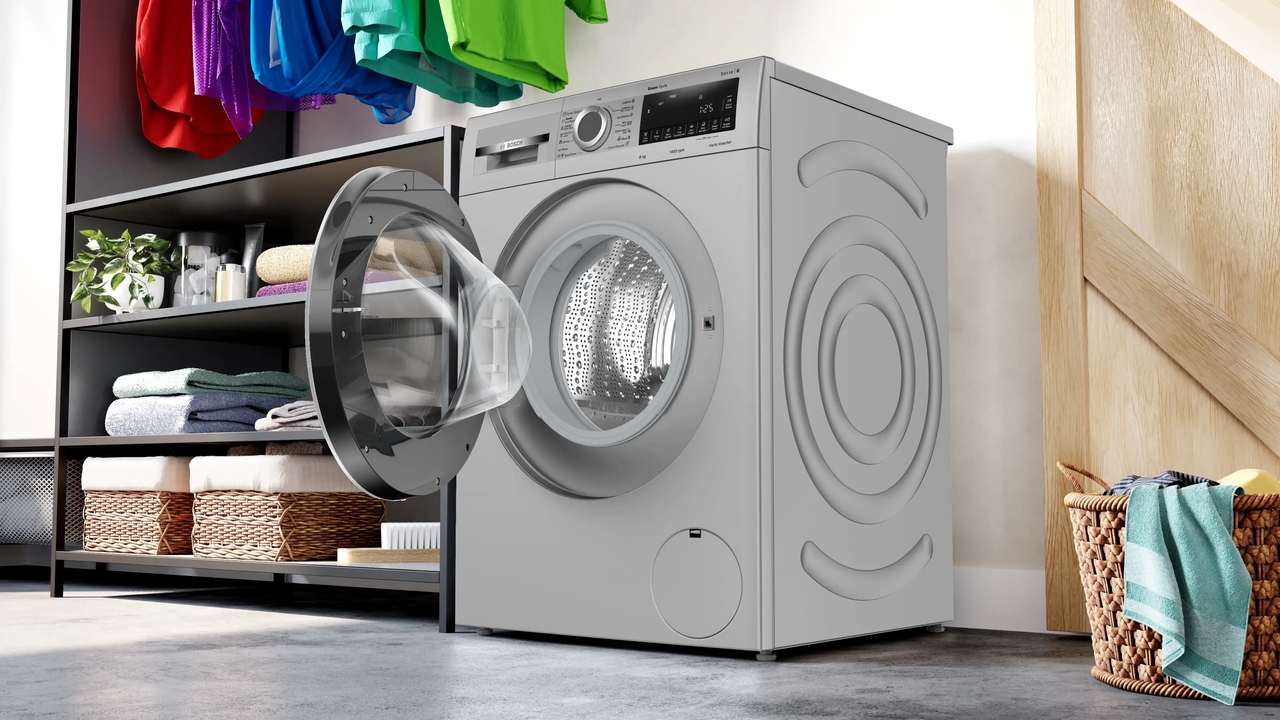
Different types of washing machines have varying power needs based on their design and features:
Top-load washing machines: Typically operate at 300–800 watts during standard cycles, with higher usage during heavy-duty or spin stages. They are generally less energy-efficient due to higher water consumption.
Front-load washing machines: Front-load washing machine average wattage goes from 200 to 500 watts. While they may reach higher power levels during spin cycles or heating (if equipped), they are more energy-efficient overall due to lower water usage and better spin performance.
Compact or portable washing machines: Consume around 150–500 watts, making them ideal for small spaces and lower energy consumption needs.
Factors influencing the wattage of the washing machine
Load size and frequency of use
The size of each laundry load plays a major role in energy usage. Larger loads require more power to agitate, rinse, and spin effectively. However, running multiple small loads can sometimes consume more energy overall than fewer full loads.
Water temperature settings (hot vs cold wash)
Heating water is one of the most energy-intensive parts of a wash cycle. Using hot water significantly increases wattage because the machine (or your home’s water heater) must work harder to raise the temperature. Cold washes, on the other hand, use much less energy and are often sufficient for everyday laundry, making them a more energy-efficient choice.
Spin speed and cycle type
Higher spin speeds require more power, especially during the final stages of the wash cycle. On the other hand, quick wash or eco modes are designed to minimize energy use by reducing cycle time and optimizing performance.
Age and efficiency of the washing machine
Last but not least, the factor affecting the average washing machine wattage is the age and efficiency of your appliance. Older washing machines tend to be less energy-efficient and may consume more wattage due to outdated technology and wear over time, while newer ones are designed to use less power and water while delivering better performance.
How much does it cost to power a washing machine
Understanding the cost of running your washing machine starts with knowing its wattage and how long each cycle lasts. This helps you estimate energy usage and plan smarter, more cost-effective laundry habits.
To calculate the cost of a single wash cycle, you can use this simple formula:
Energy (kWh) = (Wattage × Hours of Use) ÷ 1000
For example, if your washing machine uses 800 watts and runs for 1 hour, it consumes:
(800 × 1) ÷ 1000 = 0.8 kWh
If your electricity rate is 17.24 cents per kWh, then:
0.8 × 17.24 = 13.79 cents per cycle
This is a general estimate, as the actual cost can vary depending on cycle length, water heating, and machine efficiency.
Peak vs. off-peak usage considerations
Electricity rates can differ depending on the time of day, especially in areas with time-of-use pricing:
Peak hours: Electricity demand is higher, so rates are more expensive. Running your washing machine during these times increases your cost per cycle.
Off-peak hours: Rates are lower due to reduced demand, making laundry more economical during these periods.
Tips to reduce washing machine wattage
Wash full loads instead of partial loads
While partial loads may sound energy-saving, they do the exact opposite and cost more than washing full loads. Running your machine with a full load maximizes efficiency. Multiple small loads consume more energy overall than fewer full cycles, so try to consolidate your laundry whenever possible.
Use eco-friendly or cold-water cycles
Heated water often consumes more energy; hence, try to wash your load in eco-friendly or cold-water cycles. Switching to cold-water washes can further reduce energy use, as heating water is one of the biggest power drains in a cycle.
Schedule laundry during off-peak hours
If your electricity provider offers time-based pricing, doing laundry during off-peak hours can significantly lower costs. Even though the wattage stays the same, the price you pay per unit of electricity is reduced, which eventually saves money on electricity bill.
Regular maintenance to keep efficiency high
Regular maintenance of your washing machine is recommended to keep the expenses low and efficiency high. Clean the drum, check hoses, and avoid overloading to prevent the motor from working harder than necessary. A well-maintained machine uses less energy and lasts longer.
Real-time visualization
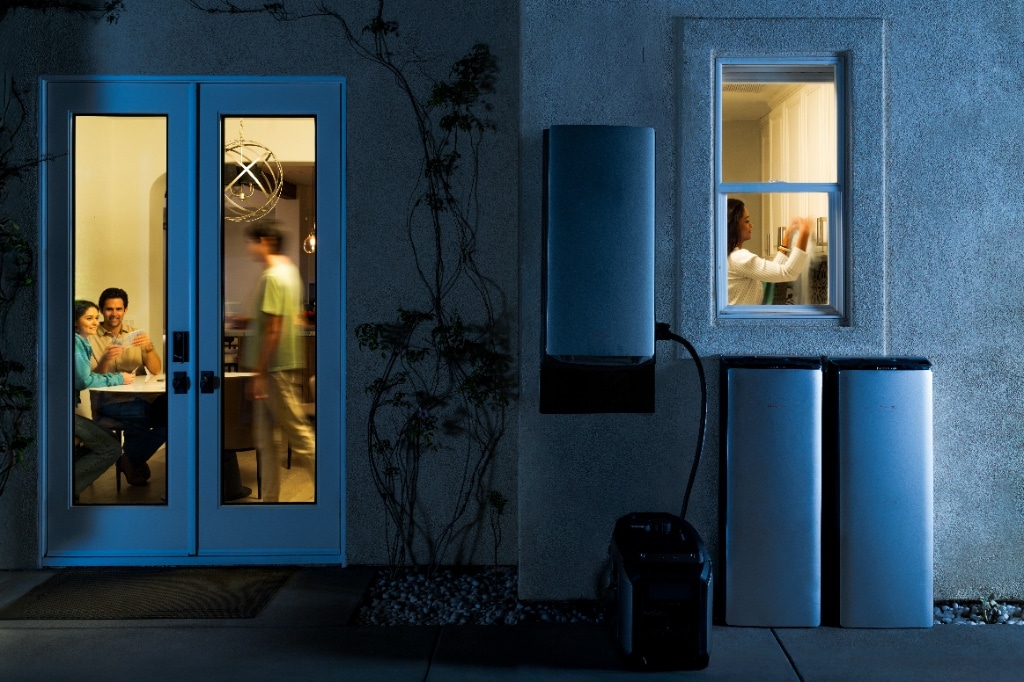
One of the most effective ways to reduce a washing machine's wattage is to understand how much energy it actually uses during different cycles. With real-time wattage visualization, you can monitor power consumption in real time. Advanced home energy systems like EcoFlow Ocean Pro take this a step further by offering detailed insights into appliance-level energy usage. Its PowerInsight 2 monitor brings a new level of visibility to household energy usage, especially for high-consumption appliances like washing machines.
Conclusion
Understanding and managing your washing machine wattage is key to controlling household energy costs and improving overall efficiency. From load size to cycle settings, small choices can have a significant impact on how much electricity your laundry routine consumes over time.
By using smart solutions like EcoFlow Ocean Pro along with the Ocean Power Insight 2 monitor, you gain real-time visibility and actionable insights into your energy usage. This allows you to make informed decisions, reduce waste, and optimize every wash cycle. Schedule your free consultation today and make your laundry day smarter and cost-friendly.
Get Your Free Home Energy Consultation!
Which energy solution are you interested in?

FAQs
1. What is the average wattage of a washing machine?
The average washing machine wattage typically ranges between 400 and 1,400 watts, depending on the type, size, and features. Standard household models typically operate at 500–800 watts. Monitor your laundry wattage using Ocean Pro PowerInsight 2 monitor and optimize your usage accordingly.
2. How much power does a 10kg washing machine use?
A 10kg washing machine generally consumes around 800 to 1,500 watts, especially during high-power phases like water heating and spinning. However, the actual usage depends on the model, star ratings, selected cycle, and temperature settings of the washing machine.
3. Does using hot water increase energy consumption?
Yes, absolutely. Using hot water significantly increases energy consumption. Heating water requires additional power, making hot wash cycles among the most energy-intensive parts of operating a washing machine. Hence, if you keep it low, make sure to use cold water to keep the consumption low.
4. What’s the most energy-efficient washing machine type?
While the energy efficiency of a machine depends on various factors, front-load washing machines are still considered the most energy-efficient. They use less water, require less detergent, and have faster spin cycles, which reduce drying time and overall energy usage.
5. How many watts is a 7kg washing machine?
A 7kg washing machine typically operates at around 200–500 watts during standard cycles. Power usage may increase during high-speed spin cycles and can reach up to 800–1000 watts in some cases. Models with built-in water heating can have peak power consumption of up to 1500–2000 watts. Actual wattage varies depending on the machine type, wash cycle, and features, and fluctuates throughout the cycle.

