
The Ultimate Guide to Vampire Energy: Hidden Costs Revealed
Have you noticed your monthly electricity bill creeping up, even when you are actively trying to conserve power? If you turn off the lights, run major appliances during off-peak hours, and still see stubbornly high utility charges, you might have "vampires" lurking in your home.
Vampire energy is a silent, invisible drain on both your household finances and the electrical grid. In this guide, we will explore exactly how these hidden energy drains operate, how much they cost you annually, and practical steps you can take to stop waste.
We will also explore how leveraging advanced home battery energy management technologies can help you transition from guessing where your power goes to exercising absolute control over your home's electrical ecosystem.
What is vampire energy?
Vampire energy, also commonly referred to as phantom load, standby power, or ghost power, is the electricity consumed by electronics and appliances when they are plugged in but turned off or in standby mode.
This continuous drain exists as a "convenience tax" in modern living.
We expect our televisions to turn on instantly at the click of a remote, our smart speakers to listen for voice commands continuously, and our coffee makers to display the correct time. To provide these instantaneous functions, devices do not fully shut down; instead, they hover in a low-power "standby" state, waiting for user input.
Over days, months, and years, this minor trickle of power runs non-stop, slowly inflating your electric bill.
How does vampire electricity work?
The mechanics of standby mode
At a mechanical level, standby mode relies on continuous circuitry. Modern appliances use "soft-power" buttons rather than mechanical toggle switches. A soft-power button tells the device's internal microprocessors to enter a sleep state, but the primary power supply remains energized. Other components that draw continuous power include:
Internal clocks and displays: Digital LEDs on ovens, microwaves, and DVD players.
Continuous connectivity: Wi-Fi and Bluetooth cards in smart appliances that remain ready to receive remote signals.
External power supplies: The "brick" transformers on chargers and power cables that convert AC power to DC power, which emit heat and consume power even when disconnected from a device.
The modern smart home issue
As homes grow increasingly integrated with smart technology, the standby power baseline naturally climbs. What used to be a single television drawing power has multiplied into smart bulbs, connected security cameras, mesh routers, smart plugs, and voice assistants. While individual devices only draw small wattages, the compound standby load of a fully connected home can reach significant baselines.
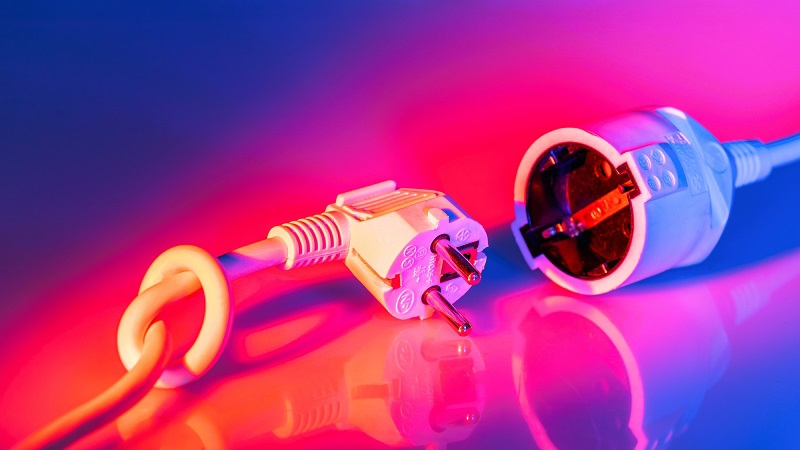
Common culprits: which devices drain the most power?
While almost everything with an external power adapter or an internal clock contributes to phantom load, certain high-use devices are the worst offenders:
Entertainment systems: Televisions (especially smart TVs), cable boxes, DVR systems, soundbars, and gaming consoles (like the PlayStation 5 or Xbox Series X when set to "Instant-on" mode).
Home office equipment: Desktop computers, active monitors, multi-function printers, internet modems, and Wi-Fi routers.
Kitchen & small gadgets: Microwave ovens, coffee makers with programmable timers, charging cradles for electric toothbrushes or vacuums, and phone or laptop chargers left permanently plugged into outlets.
How much does vampire load electricity cost?
The national average
According to studies by the U.S. Department of Energy, phantom loads account for roughly 5 to 10 percent of an average household's total energy consumption. On a national level, this standby power waste costs consumers billions of dollars annually and requires multiple power plants to run constantly just to feed devices that are technically turned off.
Cost breakdown examples
To put this into perspective, let us examine the estimated annual cost of several common standby culprits:
Device | Typical Standby Cost |
Gaming Console (Stand-by / Instant-On Mode) | About 5 to 30 dollars per year |
Cable Box / DVR System | About 16 to 18 dollars per year |
Modem and Router Combination | About 10 to 12 dollars per year |
Desktop Computer (Sleep Mode) | About 15 to 25 dollars per year |
The big picture
These individual sums might look minor, but they add up quickly. A household with multiple TVs, streaming boxes, computer setups, kitchen gadgets, and chargers can easily host 20 to 40 vampire devices. Cumulatively, this invisible waste can quietly add 100 to 200 dollars or more to your annual utility expenses.
Effective strategies to stop vampire power electricity
Slaying energy vampires does not require sacrificing modern convenience. Implementing a few simple strategies can significantly reduce your phantom load:
Unplug idle devices: The most straightforward approach. Unplug guest room TVs, seasonal appliances, and chargers when they are not in active use.
Use smart power strips: These strips automatically cut power to peripheral devices (like a DVD player, receiver, or soundbar) when they detect that the primary device (the television) has been powered down.
Utilize smart plugs and timers: Use programmable smart plugs or simple mechanical outlet timers to cut power entirely to appliances (like espresso machines or heated towel racks) during overnight hours when they are never needed.
Tweak device settings: Open the system menus on gaming consoles, smart TVs, and streaming players to disable Quick Start, Instant On, or continuous standby connection settings, opting instead for energy-saving or eco-modes.
Upgrade to Energy Star: When replacing appliances, look for the Energy Star label, which guarantees that the device features a strictly limited standby power draw.
Take total control with an efficient smart home backup system
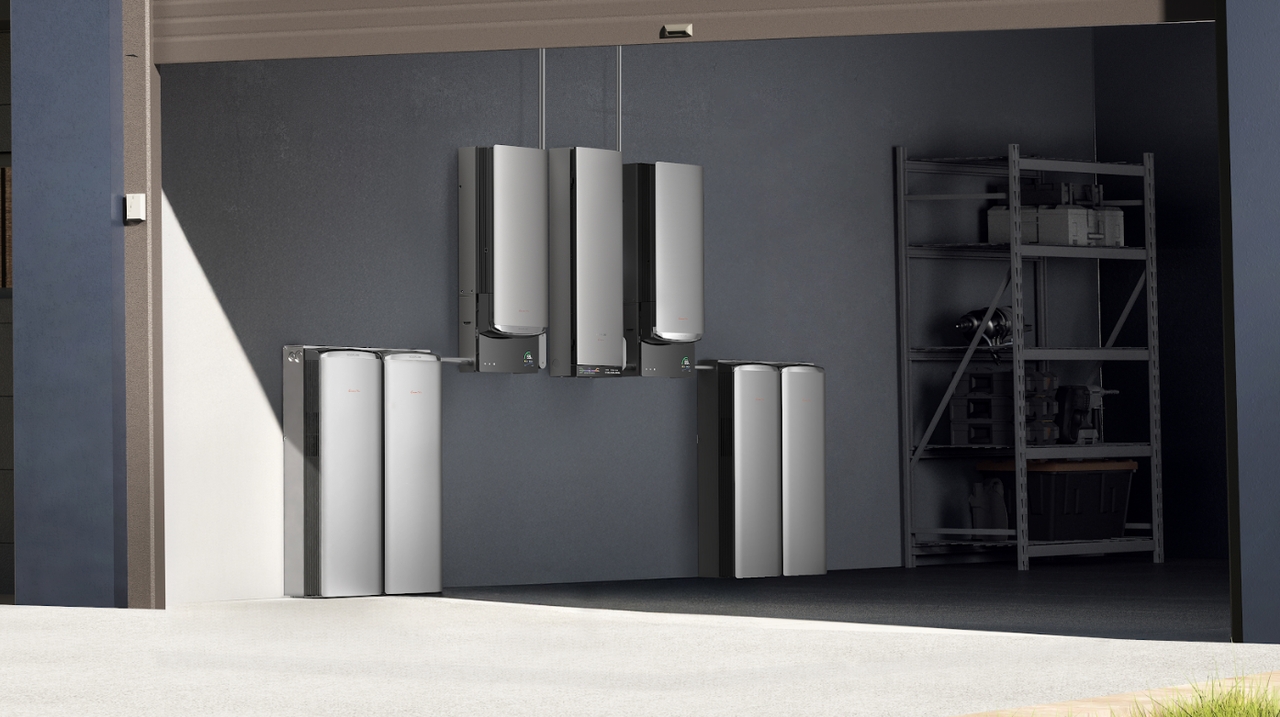
While individual habits and smart plugs help target specific outlets, managing an entire home's energy footprint requires comprehensive, top-down visibility. This is where the EcoFlow Ocean Pro system transforms how you manage power.
Get Your Free Home Energy Consultation!
Which energy solution are you interested in?
Circuit-level monitoring via the EcoFlow App
The Ocean Pro is not just a reliable home battery backup system for outages, it functions as a proactive money-saving command center.
By integrating the Ocean Pro with the compatible EcoFlow Ocean Smart Electrical Panel 40, homeowners can use the EcoFlow Mobile App (via 2.4 GHz / 5 GHz Wi-Fi or 4G LTE cellular connection) to track the real-time energy consumption of each individual circuit in their house.
Instead of guessing where your power is going, you can observe real-time circuit-level consumption data. If you notice a specific circuit drawing an unusually high baseline wattage when the family is asleep or away, you can immediately pinpoint and eliminate the underlying phantom loads.
Technical performance and integration
This app-driven monitoring works hand-in-hand with the powerhouse hardware capabilities of the EcoFlow Ocean Pro.
Homeowners can choose between the 11.5 kilowatt and 24.0 kilowatt models, both capable of managing heavy household appliances using a robust 205 amp locked rotor current startup capacity. Operating at 97.5 percent efficiency from solar to home, the system supports up to 40 kilowatts of total solar input, helping you easily offset all of your newly identified standby waste with clean energy.
You can also scale your setup up to 80 kilowatt hours with quiet, outdoor-ready NEMA 3R battery modules that integrate seamlessly with your smart electrical panel. These premium components work perfectly together to protect and optimize your home's entire electrical routing.
Signing off
Slaying vampire energy in your home is one of the easiest, most cost-effective ways to lower your monthly utility bills and reduce your household's carbon footprint. By making minor lifestyle adjustments, configuring your devices to eco-modes, and utilizing smart power strips, you can secure noticeable savings.
If you are ready to take energy management to the next level, the Ocean Pro system, paired with the EcoFlow Mobile App, offers the granular visibility and solar integration needed to eliminate standby waste completely. Take an audit of your electronics today, and stop paying for power you are not actually using!
Frequently Asked Questions
Can I completely eliminate vampire energy from my home?
Reaching 100 percent elimination is difficult because essential devices like internet routers and security systems require continuous power. However, you can easily minimize this unnecessary waste from non-essential household electronics by using simple smart plugs or automated systems.
Do phone and laptop chargers use energy when plugged in without a device attached?
Yes, they do. While a single unplugged charger draws minimal power (often under one watt), leaving multiple charging blocks plugged into your walls 24/7 adds unnecessary standby consumption to your electricity bill over the course of a year.
How can I accurately measure the standby power of a specific appliance?
You can measure an individual outlet using a plug-in electricity monitor like a Kill-A-Watt meter. For whole-home tracking, systems like the Ocean Pro monitor energy at the circuit level, sending real-time consumption data straight to your mobile phone.
What is the largest energy vampire in homes?
The largest culprits are typically home entertainment systems (cable boxes, DVRs, gaming consoles) and space heating or cooling systems. Left on standby, a single cable box with a DVR can consume more continuous power than a running refrigerator.
Does vampire energy impact the lifespan of my electronics?
Yes. Keeping devices constantly powered in standby mode exposes sensitive internal components to continuous electrical currents and low-grade heat. Completely cutting off power using smart strips or plugs will help extend their overall operational lifespan.

