
The Defining Tudor-style House: Architecture, Design, and Features
When it comes to thoughtful home improvement and architectural preservation, the Tudor-style house stands out as one of the most recognizable and coveted forms in the United States. Celebrated for its "Old World" charm and sophisticated craftsmanship, this style originally gained mass appeal in the early 20th century. These properties draw heavy inspiration from late Medieval English traditions. They seamlessly blend heavy masonry with intricate woodwork.
Whether you are planning a major renovation for a historic estate, upgrading your exterior, or building a modern Tudor-style house from the ground up, understanding the core elements of this design is essential. Approaching your remodeling projects with this foundational knowledge ensures you enhance the property's modern functionality while preserving its timeless appeal. You want to honor the past while preparing the home for the future.
What is a Tudor-style House?
A Tudor-style house is an architectural revival form that became highly popular in America during the 1920s and 1930s. To truly understand what a Tudor-style house is, we have to look back at history. The design takes its primary inspiration from 15th-century English homes. However, the American "Tudor Revival" movement adapted these ancient, sturdy designs into comfortable, modern residences for a growing suburban population.
The core design of these homes focuses heavily on asymmetrical layouts. You will not find perfectly mirrored windows. You also will not see perfectly centered doors. Instead, you notice handcrafted structural details that create a deep sense of permanence. This sturdy, grounded feeling anchors any exterior home upgrade you might plan. Before you start knocking down walls or diving into complex updates, reading up on eco-friendly home renovations can give you a solid baseline. It helps you understand exactly how to treat historic properties with care.
The scale and scope of Tudor-style houses vary widely. On one end, you have sprawling, luxurious "Stockbroker Tudors." These massive estates require extensive property management and upkeep. On the other end, you have more modest "Tudor Cottages." These smaller homes offer charming, storybook canvases for modern home improvement projects. Regardless of the size, the fundamental design rules remain the same.
Iconic Features of a Tudor-style House Exterior
The Tudor-style house exterior is famous for its high-contrast, dramatic appearance. It commands attention from the street. The materials used were originally chosen for their ability to withstand damp English weather. Today, they serve as the ultimate hallmark of the style.
Decorative Half-Timbering and Masonry
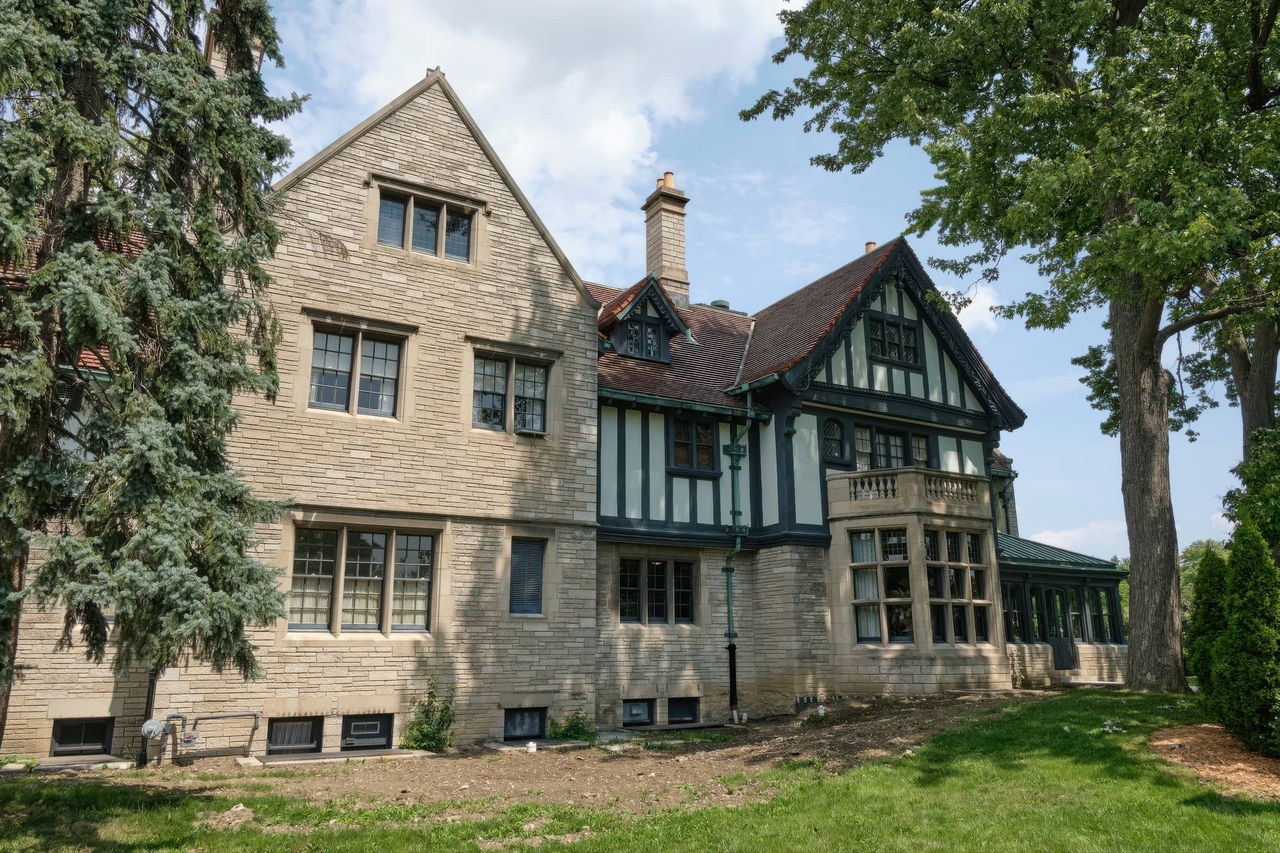
The most famous feature is the decorative half-timbering. This refers to the exposed wood beams set against light-colored stucco or brick infill. In original Medieval homes, these heavy timber frames actually supported the house. In 20th-century American homes, the wood is often decorative, applied over a standard wooden frame.
Builders also loved to use diverse masonry materials. You will frequently see complex herringbone brickwork patterns, large stone accents around the foundation, and clinker bricks that add a bumpy, rustic texture to the walls.
Architectural Geometry
The geometry of these homes is completely unique.
Steeply Pitched Gables: The sharp, steep rooflines are central to the home's silhouette. Originally, these steep roofs were designed to shed heavy snow and rain quickly. Because power lines often fall during these severe winter storms, investing in whole home backup power solutions is a smart idea for homes with this kind of classic architecture.
Windows and Entryways: You will rarely see a single window. They are usually grouped in sets of three or four. These tall, narrow windows often feature leaded glass or diamond-shaped panes. The entryways are equally grand. They feature recessed, heavy wooden doors often measuring 3 feet (0.91 m) or wider. These doors are typically framed by rounded stone arches, giving the house a castle-like feel.
Updating a Tudor-style House Interior
Inside, the Tudor-style house's interior traditionally reflects the rugged elegance of the exterior. The rooms were historically designed to feel cozy, enclosed, and safe from the elements.
Preserving Historic Details
If you want to preserve the soul of the property, keeping certain historic details is essential. Maintaining the exposed ceiling beams is crucial. These thick wooden timbers add massive character to living rooms and dining areas. You will also see a lot of dark wood wainscoting lining the hallways and staircases.
The fireplace is another non-negotiable feature. In a traditional Tudor, the massive stone or brick fireplace serves as the ultimate focal point of the main living space. It anchors the room and dictates where the furniture should go.
Contemporary Design Shifts
However, dark wood and separated rooms do not always fit today's lifestyle. In a modern Tudor-style house, designers aim for balance. They want to honor history while bringing in light.
One major shift is lightening the color palette. By painting the plaster between the dark timber beams a soft, crisp white, the room instantly feels larger. It creates a sense of space without destroying the woodwork. Another common update involves opening up the floor plan. While you do not want to remove every wall, widening the arched doorways can greatly improve the flow of the home. This retains the traditional Tudor-style house interior aesthetic while making the space functional for a modern family.
Enhancing Home Resilience with Smart Energy Solutions
When you own a historic property, aesthetics are only half the battle. Behind the beautiful plaster walls and dark wood panels, you have to deal with utility lines.
Many Tudor-style houses feature aging electrical systems and complex, sprawling layouts. This makes modern energy upgrades an important consideration. Homeowners today seek greater reliability and peace of mind during grid outages. You want to run your modern appliances safely without overloading old circuits.
The primary goal is to add 21st-century power resilience without disrupting the home's historic charm. This is a very common struggle. Traditional, industrial-looking backup systems often stick out like a sore thumb. They detract from the carefully preserved masonry and the intricate half-timbering you work so hard to maintain.
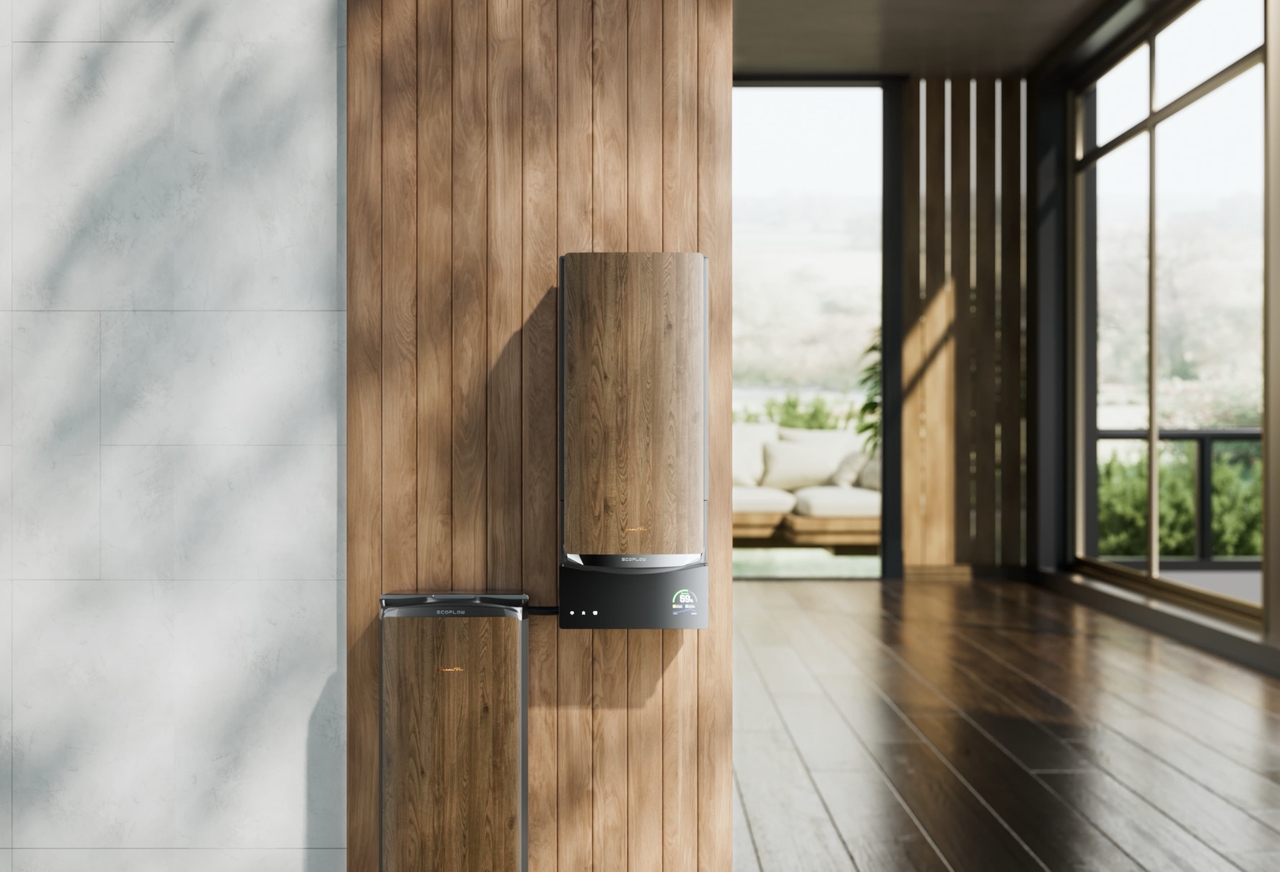
A Design-Forward Approach: To bridge the gap between historic preservation and modern utility, homeowners can look to aesthetic-focused solutions like the EcoFlow OCEAN Pro for unobtrusive backyard installations. Instead of settling for an ugly metal box, you can choose a system that respects your property's design.
Form Meets Function: Crafted with premium finishes such as Luxury Walnut Wood, Aerospace-Grade Aluminum, and Performance-Grade Carbon Fiber to complement upscale landscapes, this climate-resilient system delivers up to 24kW of continuous, scalable whole-home power and withstands extreme temperatures and flooding.
Intelligent Monitoring: You also gain full control over your usage. By using the intuitive energy dashboard and Intelligent Mode, you can visualize real-time consumption and optimize for bill savings right from your phone.
Are you ready to resolve your uncertainty about home battery backups? We can help you protect your modernized historic property. Request a consultation today to find the perfect energy solution for your home.
Get Your Free Home Energy Consultation!
Which energy solution are you interested in?


Essential Maintenance for Tudor Properties
Caring for these unique homes requires a proactive mindset. Because they use a mix of different building materials on the exterior, they face unique weather challenges.
Moisture Management: The biggest threat to a Tudor is water. You must regularly inspect the joints where the stucco meets the decorative timber. Over time, wood expands and contracts. This can cause the stucco to crack. If water gets behind the stucco, it can cause the wooden frame to rot. Sealing these gaps promptly prevents major structural damage.
Masonry Care: The beautiful brickwork needs attention, too. Pay close attention to the mortar joints. If they start to crumble, you will need to have a professional repoint the brickwork. Also, do not ignore the massive chimneys. Maintaining the decorative chimney pots and ensuring the roofline flashing is watertight will save you thousands of dollars in water damage.
Roof and Gutter Integrity: A steep roof sheds water fast, but it only works if the gutters are clear. Keeping complex gable rooflines clear of leaves and debris is vital for long-term structural health. If a gutter clogs, water will back up under the roofing materials, ruining the historic plaster inside your home.
Preserving the Storybook Legacy
Owning a Tudor-style house is more than just standard property ownership. It is a genuine commitment to preserving a specific, beautiful chapter of architectural history. From intricate half-timbering to sturdy, arched stone entryways, these homes offer a character that modern, cookie-cutter builds simply cannot replicate.
They demand attention, but they reward you with unmatched charm. By combining traditional maintenance practices with thoughtful modern upgrades, you can ensure that your home remains both a comfortable sanctuary and a stunning landmark in your neighborhood. Embracing the "Old World" soul of a Tudor, while safely integrating the efficiency of the 21st century, allows these unique properties to thrive for generations to come.
FAQs
1. What is a Tudor-style house?
It is a romantic, revival architectural style inspired by 15th-century England. It features steeply pitched roofs, decorative half-timbering on the exterior, and asymmetrical designs that resemble storybook cottages.
2. Are Tudor-style houses expensive to maintain?
They can be costly due to the use of historic materials. However, you can offset these costs by adding modern energy solutions, like the EcoFlow OCEAN Pro. Its Intelligent Mode helps optimize your daily power usage to lower your monthly utility bills.
3. Can I modernize a Tudor-style house interior?
Yes. Many owners lighten dark wood accents with soft, neutral paint. You can update lighting fixtures and widen doorways while keeping the original structural wood beams intact.
4. How can I incorporate Tudor architectural elements into my home?
You can add arched doorways inside your home, install dark wood wainscoting in your dining room, or upgrade your front door to a heavy, rounded wooden door with dark iron hardware.
5. What colors are most traditional for a Tudor-style house exterior?
Traditional palettes focus on high contrast. You will typically see off-white or cream stucco paired with dark brown or black timbering. This makes the architectural silhouette stand out clearly.

