
What Is a Sub Panel? A Complete Guide for Homeowners and Home Battery Backup

Many homeowners asking what is a sub panel are trying to solve a practical electrical planning issue. In a large home, backup design becomes more complex when one system has to support long circuit runs, added living space, major appliances, and future battery storage. A well-planned panel layout can improve organization, support essential loads, and make backup power easier to manage. That is why understanding the role of a sub panel matters before choosing a larger home energy strategy.
How Is a Sub Panel Different From a Main Panel
The first step is understanding the role of each panel in the home. Once that is clear, it becomes much easier to decide if you need a simple circuit expansion, a better backup layout, or a broader electrical upgrade.
A sub panel is a smaller distribution panel fed by the main service panel. It serves a specific area of the home or a selected group of circuits. The main panel is the central point of the electrical system. It handles incoming utility power and sets the home’s overall service capacity. The smaller panel takes the power that has already passed through the main panel and sends it to local branch circuits.
Here is the simplest way to look at it:
Panel Type | Main Role | What It Controls |
Main Panel | Central distribution point for the home | Overall service capacity and primary circuit distribution |
Secondary Panel | Local distribution point for a specific area or group of circuits | Selected circuits fed from the main panel |
That difference matters for large homes. If you need a cleaner way to serve a garage, basement, addition, guest space, or detached structure, a secondary panel can be a practical answer. If the real issue is that the whole house needs greater electrical capacity, the solution usually starts at the main service level.
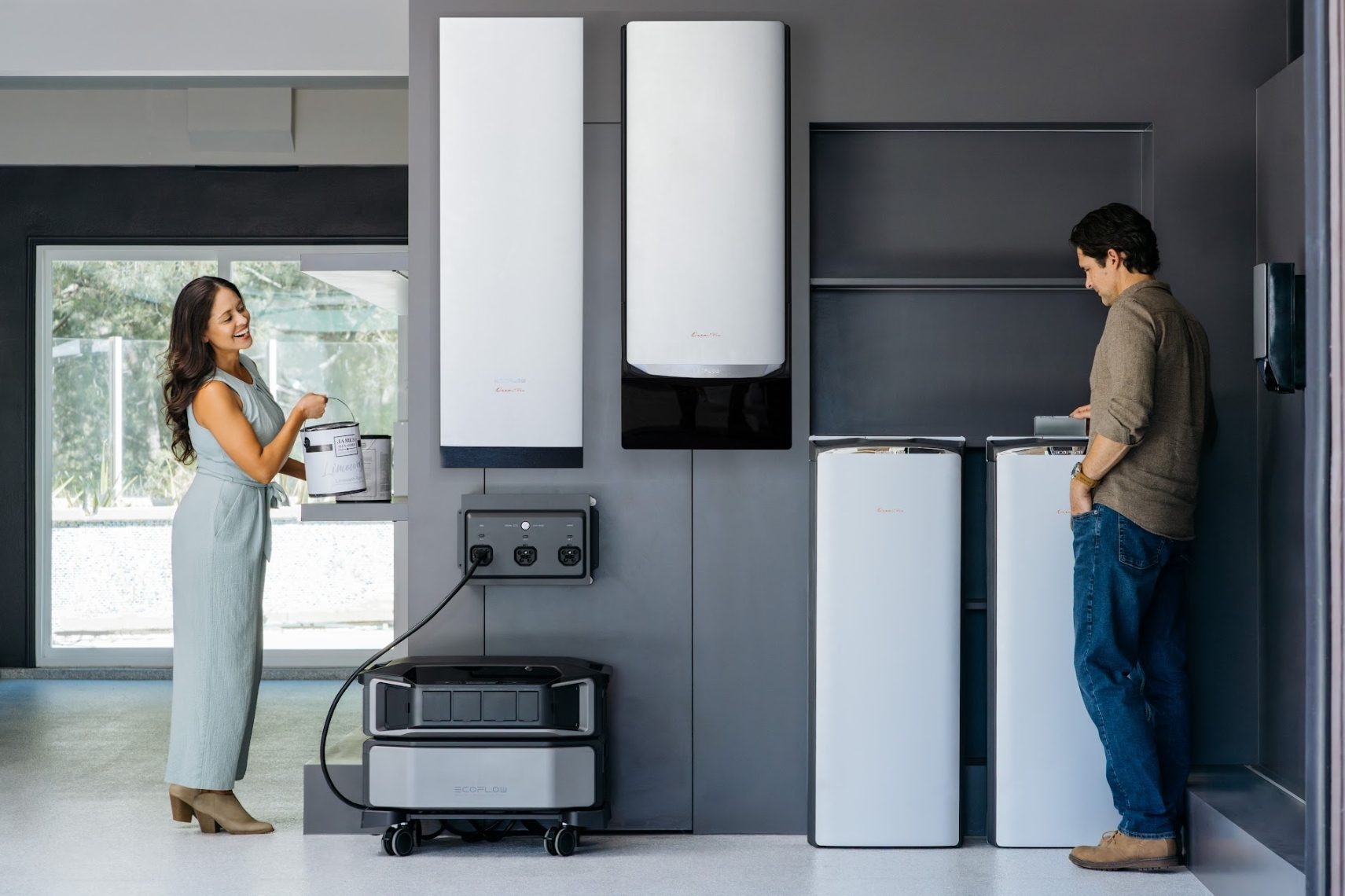
How Does a Sub Panel Work in a Home Electrical System
Once homeowners understand the basic definition, the next question is how power actually moves through the system. A feeder breaker in the main panel sends power to the secondary panel. From there, individual breakers distribute electricity to the circuits in the area it serves. That layout creates a local circuit hub, which can make a large property easier to wire, easier to expand, and easier to maintain.
This type of setup often helps with the following needs:
Grouping circuits in one part of the property
Reducing long wire runs in larger homes
Creating a local shutoff point for service work
Making future circuit additions easier
Proper installation is still critical. Panel work involves load calculations, feeder sizing, breaker selection, permit requirements, and code-compliant grounding and neutral configuration. For that reason, this is a licensed electrician project, not a casual DIY job.
When Does It Make Sense to Add a Sub Panel
A clear use case matters here. Homeowners do not add extra electrical equipment for no reason. They usually do it because one section of the property is growing faster than the rest of the load plan.
A sub panel often makes sense in situations like these:
A large garage or workshop with several dedicated circuits
A finished basement with new lighting, outlets, and HVAC loads
A detached office, guest house, or backyard structure
A pool area with pumps and related equipment
A home addition that needs its own organized circuit layout
This choice can also make sense when the main panel is running out of breaker space in a fast-growing area of the home. In that case, a secondary panel can improve organization and leave room for future changes.
Still, there is an important limit. A smaller downstream panel does not increase the total amount of utility power available to the house. If the home is adding major electric loads across multiple zones, the real challenge may be overall service capacity. That question becomes especially important in larger homes planning for battery backup, electric heating, or broader electrification over time.
What Are the Pros and Cons of Using a Sub Panel
This is where homeowners need a practical view. A sub panel can solve real problems, though it can also feel limiting if the home is moving toward a larger and more advanced backup plan.
Main Benefits
Cleaner circuit organization
Easier troubleshooting in one area of the home
Better support for remodels and future expansion
A simpler way to serve distant load centers
A useful structure for selected backup circuits
These are strong reasons to use one, especially in a large property with clear zone-based electrical needs.
Main Limitations
It does not increase the home’s service capacity
It adds equipment, labor, and permit costs
It still depends on the main panel’s overall layout
It can create a fixed backup structure that feels narrow later
That last point is important for large home backup planning. A simple zone-based design can work well at first. Later, the homeowner may want broader coverage, better circuit control, or a smoother experience during a long outage. That is where a traditional layout can start to feel tight.
How Is a Sub Panel Commonly Used in a Home Battery Backup System
Battery backup changes the conversation because the focus shifts from basic power distribution to outage planning. Homeowners start thinking about which circuits need support first, how long stored energy can last, and how to keep daily life as stable as possible when the grid is down.
Critical Loads Setup
In many backup systems, a sub panel is used as a critical loads panel. Selected circuits are moved into that panel so the battery can support the loads that matter most during an outage. These often include refrigerators, lighting, internet equipment, security devices, medical equipment, garage access, and sometimes part of the heating or cooling system.
Backup Efficiency
For many homes, this setup works well because it creates a clear backup boundary. It helps protect battery runtime and makes it easier to decide which circuits should stay on during an outage. It can also simplify system planning for homeowners who want essential backup coverage without extending support to every load in the house.
Whole Home Challenges
Large homes often face a different situation. The backup priority list may include multiple comfort systems, kitchen refrigeration, office circuits, well equipment, broad lighting coverage, communication systems, and other daily essentials. At that point, a small group of hand-picked circuits may no longer match the homeowner’s expectations for whole-home resilience.
That is why large home backup planning often comes down to one key decision: how much control and coverage do you want during an outage? If the goal is limited and selective backup, a traditional critical loads setup may be enough. If the goal is broader and more flexible support, the panel strategy may need to move beyond a standard sub panel.
When Is a Smart Electrical Panel a Better Upgrade Than a Traditional Sub Panel
A smart electrical panel makes more sense when a large home needs broader control, better visibility, and a smoother backup experience. In homes with growing electrical demand, a fixed critical loads setup can feel limiting over time. A smarter panel strategy can make it easier to manage circuits, adjust priorities, and support a backup plan that fits everyday living more naturally.
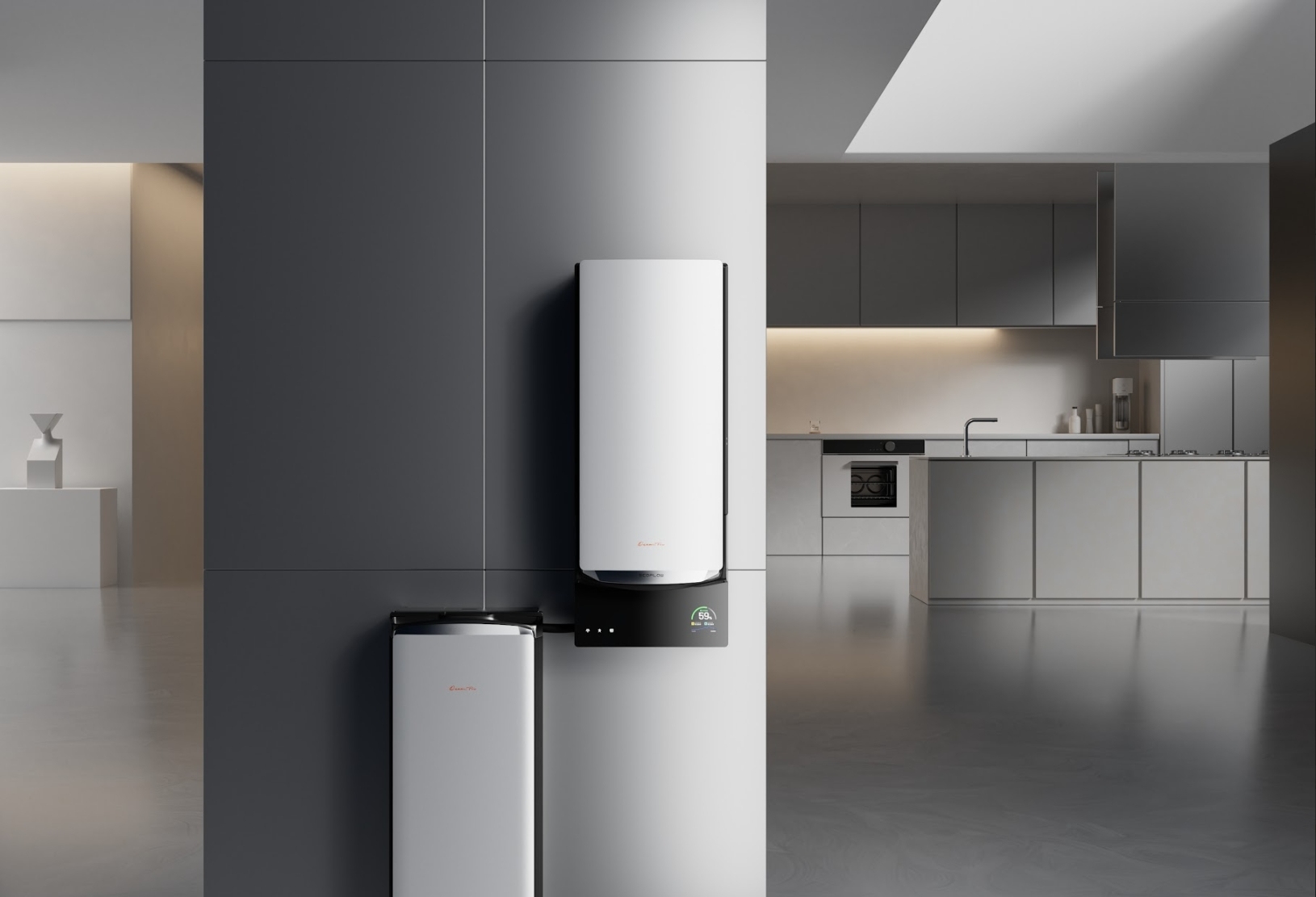
This is where the EcoFlow OCEAN Smart Electrical Panel 40 fits into the discussion. It is designed to integrate with EcoFlow OCEAN Pro as part of a more unified whole-home energy setup, which makes it a more flexible option for homeowners who want a more refined backup experience than a standard circuit grouping can provide.
Get Your Free Home Energy Consultation!
Which energy solution are you interested in?

Build a More Reliable Home Backup System with a Smarter Panel
For a large home, backup planning works best when panel strategy, load priorities, and battery design work together as one system. The right setup can make daily energy use easier to manage and backup performance more reliable during an outage. If you are planning a whole-home solution with stronger control and better long-term flexibility, EcoFlow OCEAN Pro is worth a closer look for a more integrated home energy experience. Learn more
FAQs
Q1: Does a Sub Panel in a House Need a Main Breaker?
No. In most homes, a sub panel does not need its own main breaker because the feeder breaker in the main panel already provides overcurrent protection. Some sub panels still include a main breaker for local disconnect or equipment design reasons, so the final setup depends on the panel type and local code requirements.
Q2: What’s the Difference Between a Sub Panel and a Main Panel?
The main panel is the home’s central distribution point and sets the overall service capacity. A sub panel is a secondary panel fed from the main panel to serve a specific area or group of circuits. It helps organize power distribution, but it does not increase the total amount of power available to the home.
Q3: Do All Homes Have a Sub Panel?
No. Every home has a main electrical panel, but many homes do not have a sub panel. A sub panel is usually added when the main panel is full, when circuits need to be grouped in another area, or when a garage, addition, workshop, or outbuilding needs its own local distribution point.
Q4: How Many Wires Are Needed for a Subpanel?
Four wires are typically needed for a residential 120/240-volt subpanel feeder: two hot wires, one neutral wire, and one grounding wire. This four-wire setup supports proper power distribution and grounding. The exact wire size still depends on feeder amperage, distance, and local code, so sizing should be confirmed by a licensed electrician.
Q5: What Is the Lifespan of a Subpanel?
A subpanel can last for decades, but there is no single code-defined lifespan. In practice, many electricians treat roughly 25–40 years as a common range for residential panels, but replacement should be based more on condition, overheating, corrosion, nuisance tripping, obsolete breaker availability, and inspection results than on age alone.

