
What Are Solar Windows? How Transparent Solar Tech Actually Works
For decades, residential solar power has been synonymous with bulky, dark blue rectangular panels bolted onto rooftops. While highly effective, traditional rooftop systems have structural, aesthetic, and spatial limitations.
Today, a quiet revolution is happening at the intersection of architecture and renewable energy. We are moving from a world where we "add" solar systems to our homes to one where we "build" our homes with solar.
At the forefront of this shift are solar windows. While still an emerging technology, transparent solar glass represents a massive leap forward in energy independence. When paired with an intelligent, next-generation home battery energy storage hub, this technology has the potential to fundamentally redefine how our homes interact with the power grid.
What are solar windows?
At their core, solar windows (also referred to as solar glass or transparent solar panels) are windows designed to serve a dual purpose: they allow natural light to illuminate your living spaces while simultaneously acting as active solar energy collectors.
This concept is a cornerstone of an architecture and design movement known as Building-Integrated Photovoltaics (BIPV). In traditional solar setups, panels are applied as an afterthought on top of an existing roof. BIPV, however, integrates solar technology directly into the building materials themselves. This includes solar shingles, solar facades, and now, solar glass.
From an aesthetic standpoint, the ultimate goal of solar window technology is invisibility. High-quality solar windows look almost completely identical to standard double-pane glass. Homeowners can look out at their gardens, and passersby will see nothing but a modern, reflective window. Yet, inside that glass, invisible reactions are turning sunlight into usable electricity.
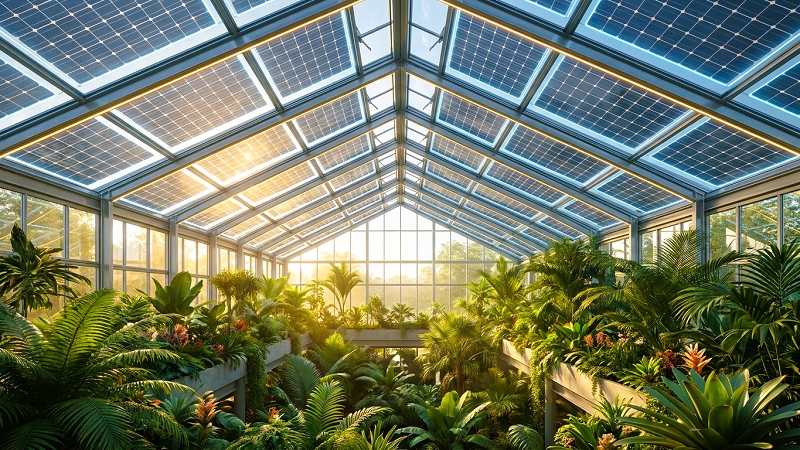
How do solar panel windows work? (science made simple)
Traditional solar panels work by absorbing visible light and converting it into electricity. This is why they are opaque and dark. If light passes through them, they cannot capture its energy. How, then, can a window remain transparent while still generating power?
The secret lies in selective light absorption.
The human eye can only perceive a small portion of the electromagnetic spectrum, known as visible light. Sunlight, however, contains massive amounts of energy in wavelengths that we cannot see, specifically ultraviolet (UV) light and infrared (IR) light.
Solar photovoltaic windows are engineered to let visible light pass-through uninterrupted (allowing you to see through the glass), while selectively capturing and absorbing these invisible wavelengths to generate electricity. To achieve this, manufacturers utilize several cutting-edge core technologies:
Luminescent Solar Concentrators (LSCs)
LSCs consist of specialized luminescent materials (such as organic dyes or luminescent plastics) embedded directly into or coated onto the glass. These materials absorb invisible UV and IR light. Instead of converting it to electricity on the spot, they re-emit the light at a different wavelength and guide it toward the edges of the window frame.
Quantum dots
Quantum dots are microscopic semiconductor particles measured on the nanoscale. These tiny particles can be tuned to absorb very specific, invisible wavelengths of light while remaining completely clear to the human eye.
Organic and perovskite solar cells
Perovskite is a synthetic material with a unique crystalline structure that is highly efficient at absorbing light. By creating ultra-thin, flexible chemical layers of organic compounds or perovskites and placing them between double-paned glass, researchers have created semi-transparent windows.
Key types of solar glass windows on the market
As the industry moves closer to mass commercialization, different manufacturing methods have emerged. Currently, three main types of solar window technologies are leading the market:
Photovoltaic coatings and gels: These are transparent liquid coatings that can theoretically be sprayed or retrofitted onto existing window glass. While still largely in the development phase, this technology holds the promise of turning standard, pre-existing residential windows into active energy harvesters without requiring full window replacements.
Dual-glass/crystalline windows: These windows feature a double-pane design where ultra-thin, microscopic monocrystalline or polycrystalline solar cells are sandwiched in the gap. Because the silicon cells themselves are opaque, they are spaced apart or arranged in patterns. These windows are semi-transparent and offer higher power output, but they do feature a visible tint or grid-like pattern.
Amorphous silicon glass: This technology uses a microscopic, 0.3-micron thin layer of non-crystalline (amorphous) silicon applied between glass sheets. These windows look slightly tinted, similar to sunglasses or office building privacy glass, but they offer highly reliable, stable performance in a variety of lighting conditions.
Solar windows vs. traditional rooftop solar
If you are considering solar windows for your home, it is important to understand how they compare to traditional rooftop panels. They are not designed to compete directly, but rather to complement each other.
Feature | Traditional Rooftop Solar | Solar Windows |
Average Efficiency | 20% to 22% | 8% to 15% |
Aesthetics | Visible panels on the roofline | Invisible or subtly tinted glass |
Placement Needs | Direct sunlight, specific roof angling | Vertical surfaces; works with scattered & ambient light |
Space Utilization | Limited to roof square footage | Utilizes massive vertical wall and window surface areas |
Efficiency comparison
Standard rooftop solar panels have a major head start in efficiency, hovering between 20% and 22%. Because solar windows must let visible light pass through, they sacrifice a portion of their energy-gathering potential.
Currently, residential solar windows average between 4% and 12% efficiency, though laboratory records are climbing closer to standard panel efficiencies every year.
Placement and space efficiency
Rooftop panels require clear, unshaded roof space oriented at a precise angle toward the sun. Solar windows, by contrast, utilize vertical real estate. In a standard suburban home, windows represent a massive amount of surface area. In urban high-rises, the vertical glass surface area can be dozens of times larger than the roof area.
Aesthetics
Traditional panels alter the roofline, which can sometimes conflict with strict HOA guidelines or historic district preservation rules.
Solar windows, on the other hand, maintain the clean, architectural design of a home or building. By integrating directly into standard window spaces, they offer a completely seamless, invisible way to harvest energy without compromising your home's original curb appeal.
Pros and cons of solar power glass windows
Like any emerging technology, transparent solar panels come with a unique set of trade-offs.
The advantages | The disadvantages |
|
|
Storing your solar energy with the EcoFlow Ocean Pro
Solar windows, like all solar technologies, generate power dynamically based on the sun's schedule.
This electricity is generated as Direct Current (DC) power, which must be managed, inverted to Alternating Current (AC) power, and stored for use when the sun goes down or during a grid outage.
To achieve true energy independence with solar windows, you need a robust, intelligent central brain. This is where the EcoFlow Ocean Pro comes in.
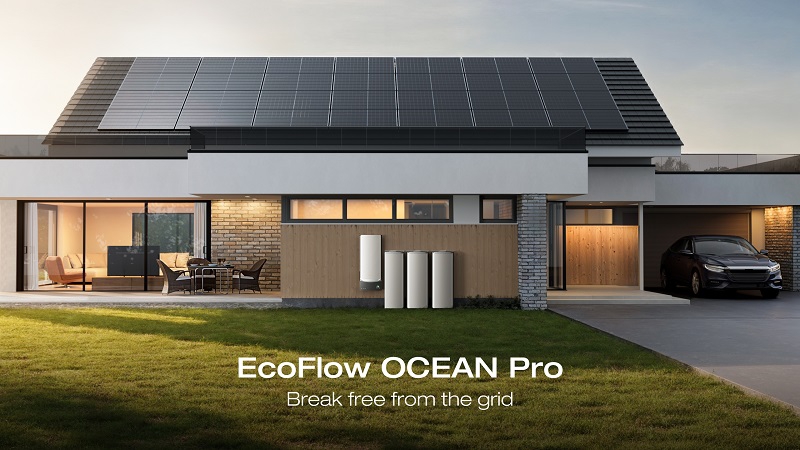
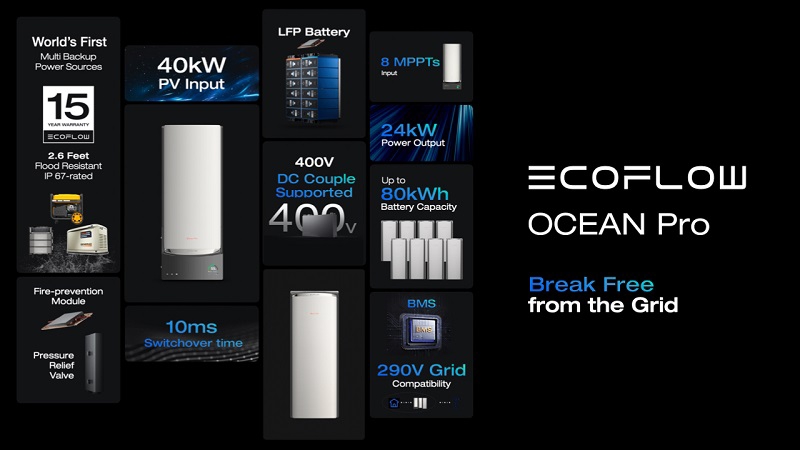
Designed as the ultimate whole-home backup and energy management hub, the EcoFlow Ocean Pro is uniquely equipped to handle the complex inputs of a modern, multi-source solar home (requires professional installation).
Get Your Free Home Energy Consultation!
Which energy solution are you interested in?
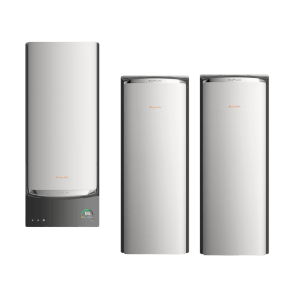
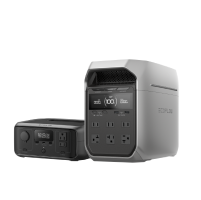
High-capacity multi-source solar input
Solar windows are often installed alongside traditional rooftop panels to maximize energy generation. The EcoFlow Ocean Pro accommodates this hybrid setup easily, boasting an impressive 40kW of solar input across 8 independent MPPT (Maximum Power Point Tracking) channels. This allows you to route power from your rooftop solar panels, your south-facing solar windows, and your skylights into a single, unified system without efficiency loss from varying sunlight levels.
Massive whole-home power output
With a continuous 24kW split-phase output (120V/240V) and a 205A LRA surge capability, the Ocean Pro can effortlessly power heavy-duty appliances simultaneously. Whether you are running multiple central HVAC systems, well pumps, or charging an electric vehicle, this system acts as the reliable electrical backbone of your home.
Scalable, safe, and climate-resilient storage
The Ocean Pro utilizes a modular, ultra-safe Lithium Iron Phosphate (LFP) battery design. Homeowners can start with a 10kWh base capacity and easily scale all the way up to 80kWh of battery storage as their backup needs grow.
Because windows are exposed to the elements, the system managing them must be equally tough. The Ocean Pro is engineered to operate in extreme conditions, ranging from -4 degrees F to 140 degrees F. It features a NEMA 3R weather-resistant housing for flexible installation and built-in active fire protection for peace of mind.
By serving as the central coordinator, the EcoFlow Ocean Pro uses intelligent management software to automatically optimize your energy usage, keeping your home powered 24/7 and maximizing the value of every watt harvested by your solar windows.
Wrapping up
The transition to a clean energy future is no longer about finding places to hide solar panels; it is about changing the very materials we use to build our world. Solar windows bridge the gap between high-performance energy generation and beautiful, modern architecture, turning passive, everyday building structures into active power plants.
While solar windows are a powerful step forward on their own, they reach their true potential when paired with an intelligent storage ecosystem. By combining passive energy-generating glass with a central power house like the EcoFlow Ocean Pro, the dream of a fully self-sustaining, carbon-neutral, grid-independent home is closer than ever before.
FAQs
Are solar windows worth it?
Currently, solar windows are worth it primarily for high rise commercial buildings or homeowners prioritizing modern aesthetics over raw efficiency. As manufacturing scales and prices drop, their return on investment for standard residential properties will significantly improve.
How much do solar windows cost?
Solar windows currently cost roughly 2-3X more than standard high efficiency double pane windows. This premium covers specialized transparent photovoltaic materials, integrated electrical wiring, and the custom architectural installation required for active power generation.
Can solar windows completely replace traditional rooftop solar panels?
For most residential homes, no. Because solar windows have lower efficiency ratings (8% to 15%) compared to traditional panels (20% to 22%), they are best used as a high-tech supplement to rooftop solar rather than a full replacement.
Are solar windows commercially available for residential homes right now?
Currently, solar glass is in the early stages of residential availability. While custom architectural firms and high-end sustainable builders are already installing them, they are primarily treated as custom orders.
How long do solar windows last?
Standard high-quality double-pane residential windows typically last 15 to 20 years before the seals fail. Solar windows are engineered to match or exceed this lifespan. Most manufacturers offer a performance and product warranty ranging from 20 to 25 years, aligning with the expected lifespan of standard rooftop solar systems.

