
Don't Get Burned: Ultimate Guide to Avoiding Solar Panel Scams in 2026
Solar energy has never been more popular or accessible. With soaring utility rates and a growing desire for energy independence, millions of homeowners are making the switch to clean, renewable power. Unfortunately, this massive boom has brought a dark cloud over the industry: a staggering uptick in solar panel scams.
The Federal Trade Commission (FTC) and consumer watchdogs report that homeowners are losing millions of dollars annually to deceptive marketing, aggressive door-to-door tactics, and forged contracts. Predatory salespeople are taking advantage of the complex nature of solar technology to trap well-meaning consumers in terrible financial agreements.
However, let's be perfectly clear: while bad actors definitely exist, solar power itself is not a scam.
When done right, solar power/panels are a brilliant financial and environmental investment. This article will expose the most common deceptive tactics dominating the market in 2026. To boot, we'll also explore how modern home battery energy management solutions are bringing much-needed transparency back to the solar industry.
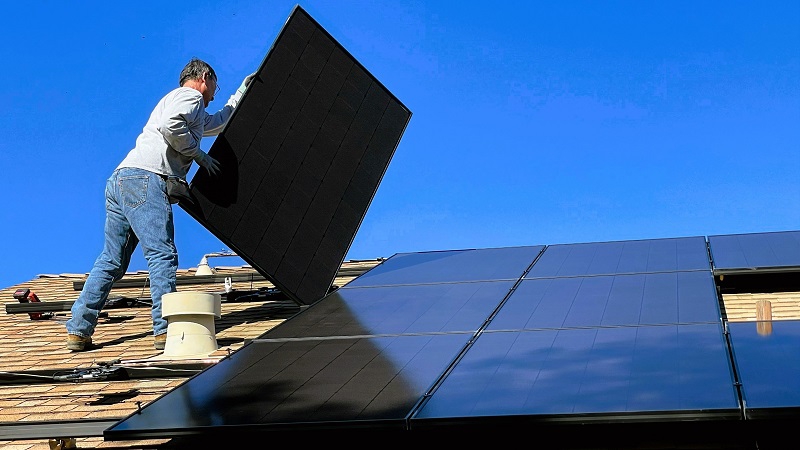
Are solar panels a scam? The 5 most common solar panel scams
To protect your investment, you first need to know what the traps look like. Here are the five most pervasive solar scams dominating the industry today.
Scam 1: The "free solar panels" deception
The Pitch: You scroll through social media and see an ad promising "Free Solar Panels for Your ZIP Code," or an aggressive salesperson knocks on your door claiming you qualify for a "no-cost installation" government program.
The Reality: There is absolutely no such thing as free solar. These pitches are almost always predatory Solar Leases or Power Purchase Agreements (PPAs). While you might not pay anything upfront, you are signing a 20-to-25-year contract to buy the power the panels produce, often with an escalator clause that increases your payment every year.
Scam 2: Government & utility impersonators
The Pitch: A salesperson wearing a hardhat and a generic safety vest knocks on your door. They claim to work directly for your utility company or a "special state-funded clean energy initiative" that is expiring in a matter of days.
The Reality: The government and utility companies do not go door-to-door selling solar panels. This is a tactic designed to lower your guard and borrow unearned authority. If someone claims to be from the city or utility company, ask for their badge and call the utility provider directly to verify.
Scam 3: Exaggerated savings and "zero dollar" bills
The Pitch: The sales rep promises that installing their system will permanently eliminate your utility bill from day one, and the panels will completely pay for themselves in just two to three years.
The Reality: Most utility companies charge mandatory grid connection fees that you will have to pay regardless of how much solar you produce, meaning a true "$0 bill" is incredibly rare. Furthermore, a realistic Return on Investment (ROI) for a purchased solar system is usually between 6 and 8 years, depending on your local net-metering laws and electricity rates.
Scam 4: High-pressure sales and false urgency
The Pitch: You sit through a multi-hour sales presentation, and the rep refuses to leave. They tell you, "You must sign today to get this neighborhood discount," or they falsely claim that the federal tax credit is expiring tomorrow.
The Reality: Legitimate, highly-rated solar companies will respect your timeline and encourage you to think it over. There is rarely a legitimate reason you must sign a contract on the spot. Furthermore, the 30% Federal Solar Investment Tax Credit (ITC) for homeowner-purchased systems officially expired at the end of 2025. If a salesperson uses federal tax credits to pressure you into buying a system today, they are lying to you.
Scam 5: Fly-by-night installers & warranty traps
The Pitch: A brand-new company offers you an absurdly low price that undercuts every other bid by thousands, backed by an impressive-sounding "25-year bumper-to-bumper warranty."
The Reality: Scammers often rely on ultra-cheap, low-grade equipment and shoddy installation practices to keep prices low. They install the system, collect their money, and file for bankruptcy a year or two later. This leaves you as a "solar orphan": stuck with a voided labor warranty, malfunctioning panels, and potentially a leaking roof with no one to call for repairs.
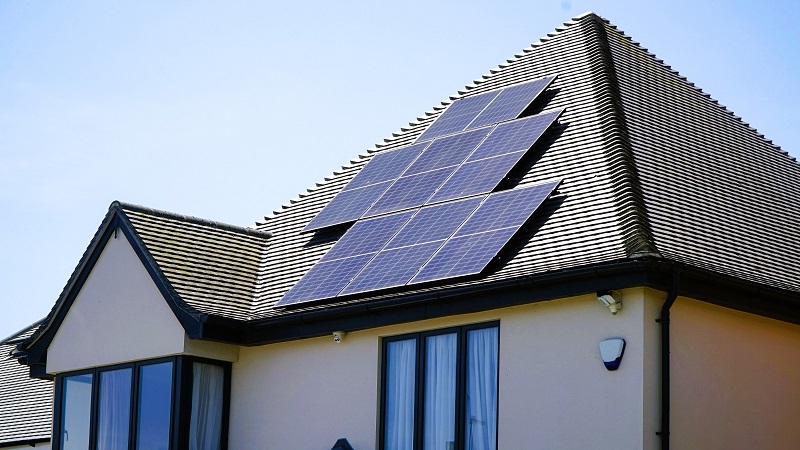
Debunking misinformation: is solar itself a scam?
Because of these shady sales tactics, a wave of misinformation has flooded social media, leading some people to believe the technology itself is a fraud. Let's separate fact from fiction.
Misinformation: "I got solar and my bill didn't change; therefore, the technology is a scam."
The Truth: Solar panels work perfectly when they are calculated, angled, and installed correctly.
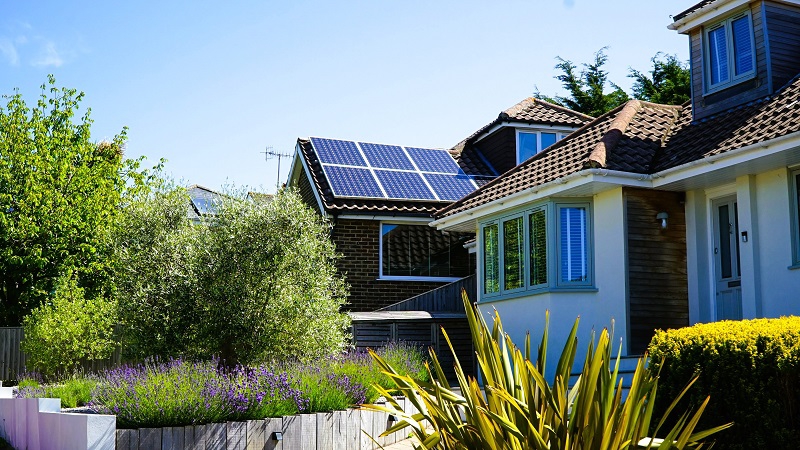
If your bill is still high post-installation, it is usually due to human error in the sales process. Shady installers often undersize systems to make the initial quote look cheaper, or they base your system size on your past usage without accounting for future additions like an electric vehicle (EV) or a hot tub.
It can also be due to poor local net-metering rates, not faulty technology.
Misinformation: "The government will send me a 30% cash check for installing solar."
The Truth: This is a massive red flag on two fronts. First, the historical federal incentive was always a tax credit, not a cash rebate check.
Second, as of the end of 2025, the federal tax credit for homeowner-owned systems has completely expired. Any marketer promising you a federal cash payout or tax credit for buying solar panels today is using illegal, deceptive marketing.
While you may still qualify for local or state rebates, the federal program for purchased systems is gone.
Misinformation: "Solar works flawlessly on every house."
The Truth: Not every roof is viable for solar. Heavy shading from trees, the direction your roof faces (South is ideal in the US), and the structural integrity of your home all matter.
A scammer will happily bolt panels under a heavily shaded oak tree to get a commission; an honest installer will simply tell you that solar isn't a good fit for your home.
How to Avoid Solar Panel Scams and Protect Your Investment
Taking the leap to renewable energy should be exciting, not anxiety-inducing. Here is actionable advice to ensure you partner with a reputable company.
Get three quotes
Never settle for the first door-to-door offer you receive. Use unbiased platforms to compare local costs, equipment brands, and warranties side-by-side. Seeing multiple quotes makes it immediately obvious if one company is overcharging or promising unrealistic production numbers.
Refuse e-signatures under pressure
Never sign a binding contract on a salesperson's iPad at your front door or kitchen table. Demand that a printed or emailed copy be sent to you. Take a few days to read the fine print, paying special attention to cancellation fees, warranty clauses, and any mention of property liens (UCC-1 filings).
Verify credentials
Before hiring anyone, check for NABCEP (North American Board of Certified Energy Practitioners) certification: the gold standard in the solar panel industry. Verify their state contractor licenses and check their Better Business Bureau (BBB) ratings. Prioritize companies that have been in business for at least five years to avoid fly-by-night operations.
Evaluate owning vs. leasing
The best choice depends on your financial goals. Purchasing your system using cash or a loan maximizes savings, increases your home resale value, and lets you claim remaining incentives directly. Conversely, leasing offers a lower barrier to entry and easy maintenance, as the company handles repairs.
However, if you decide to go the leasing route, it is crucial to verify the company's credentials and business history to ensure they will actually be around to honor that long-term maintenance agreement. Review both paths carefully to decide what works best for your home.
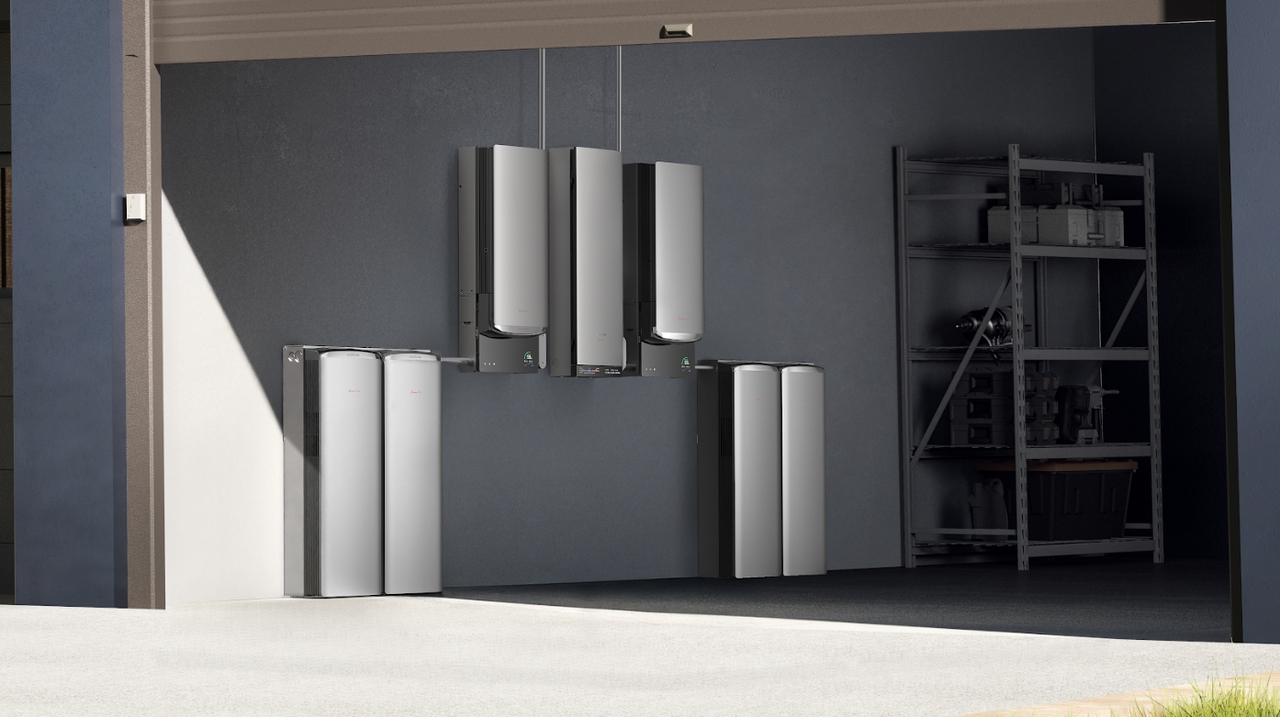
A modern, transparent solution: EcoFlow Ocean Pro
One of the main reasons scammers succeed is by exploiting the confusing, piecemeal nature of traditional solar installations. Many dishonest installers piece together no-name inverters, cheap batteries, and outdated panels. When something breaks, they blame the manufacturer, leaving you in the dark.
The antidote to this industry confusion is investing in a cohesive, globally recognized smart energy ecosystem. A prime example of this modern approach is the EcoFlow Ocean Pro coupled with EcoFlow solar panels.
Choosing an integrated system from a trusted brand eliminates the mystery of home solar and puts the control directly back in the homeowner's hands.
Get Your Free Home Energy Consultation!
Which energy solution are you interested in?
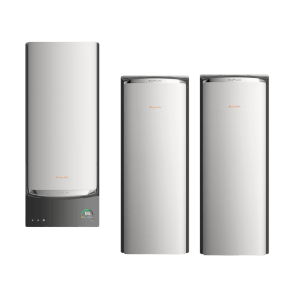

Here is why a unified system like Ocean Pro easily beats the scammers:
Unmatched transparency: Scammers love to hide your true energy production, so you can't see if their promises were lies. The Ocean Pro features a mobile app and a brilliant on-device LED display that shows exactly how much power you are generating and consuming in real-time.
Massive power & flexibility: You'll never be undersold on power. The Ocean Pro supports an incredible 40kW of solar input and delivers up to 24kW of continuous output. That is more than enough to run a massive whole-home setup, including power-hungry dual AC units.
True energy independence: Standard scam setups are grid-tied without batteries, meaning your power still shuts off during a blackout. The Ocean Pro integrates seamlessly with your solar panels, the grid, your EVs, and even gas generators.
Automated savings: Combined with EcoFlow's analysis-driven Time-of-Use (TOU) forecasting, the system automatically pulls cheap power from the grid at night and runs your home on stored solar during peak expensive hours.
Signing off
Transitioning to solar energy is a brilliant way to slash your utility costs and achieve true energy independence, but navigating the industry in 2026 requires vigilance.
Trust your gut, demand total transparency, and always read the "fine print".
By arming yourself against high-pressure tactics and relying on industry-leading, transparent technology like the EcoFlow Ocean Pro, you can safely and confidently power your home for decades to come.
Frequently Asked Questions (FAQs)
How do solar panel scams work?
Scammers typically use high-pressure sales tactics, impersonate government or utility officials, or promise unrealistic financial returns like "free" panels. They often trick homeowners into signing long-term, high-cost leases where the corporation reaps the tax benefits, or they install ultra-cheap equipment and disappear.
Can a house run 100% on solar power?
While 100% solar power is the ultimate ideal, it is generally not a realistic expectation for the average homeowner. For most people, a much more realistic and cost-effective goal is offsetting 70% to 90% of their utility bill while remaining tied to the grid for backup power.
What is the "20-rule" for solar panels?
The "20% rule" is a widely used design and engineering guideline that recommends sizing your solar panel system to generate 20% more energy than your home's average monthly usage. This built-in buffer compensates for natural energy loss (like inverter inefficiencies), cloudy days, and sudden spikes in electricity demand, ensuring your home gets enough power year-round.
Why are my electricity bills still high after getting solar?
This usually comes down to math, not a scam. High post-solar bills can result from your utility company's fixed connection fees, increasingly poor net-metering policies (like California's NEM 3.0), an installer undersizing your system, or a significant increase in your home's electricity usage after the panels were installed.
Is it better to lease or buy solar panels?
The best choice ultimately depends on your financial goals. Buying (via cash or loan) is excellent for maximizing long-term savings, as it increases your home's resale value and allows you to claim any remaining state or local incentives directly. Conversely, leasing is a great option if you prefer a path with predictable monthly costs and hassle-free maintenance, as the leasing company is fully responsible for all repairs.

