
How Many Solar Panels Do I Need to Charge an Electric Car
The move to electric cars and home solar power is a giant leap toward energy independence. Many homeowners would like to have a solar car charger to reduce dependence on fossil fuels. However, determining the number of solar panels you would need for an electric car is not the same for everyone. It requires you to consider the energy efficiency of the car, the miles you drive every day, the solar exposure of the area you are in, and your home energy configuration. This guide provides you with a simple method to calculate the solar panel requirements you would need for electric car charging in 2026.
The Fundamental Calculation: Energy In vs. Energy Out
To calculate the solar panels you would need for an electric car, you first have to know the energy requirements of the car. Most electric cars today are designed to have an energy efficiency of kilowatt hours per mile. On average, an electric car would require 0.3 kilowatt hours of energy per mile.
Step 1: Determine Monthly Mileage
According to national averages, a typical driver travels roughly 1,200 miles per month. If a vehicle consumes 0.3 kWh per mile, the total monthly energy requirement for the car is approximately 360 kWh.
Step 2: Calculate Solar Panel Output
A standard high-efficiency solar panel used in 2025 typically has a power rating of 400 watts (0.4 kW). The actual energy these panels produce depends on "peak sun hours"—the equivalent number of hours per day when solar intensity is high enough to produce maximum rated power. In many parts of the United States, this average is around 5 hours per day.
Step 3: The Panel Count Formula
The basic formula for a solar powered car battery charger installation is:
(Monthly Energy Usage ÷ Monthly Peak Sun Hours) ÷ Panel kW Output.
Using the average numbers:
360 kWh ÷ 150 hours (5 hours/day × 30 days) = 2.4 kW system size.
2.4 kW ÷ 0.4 kW (per panel) = 6 panels.
While the "average" requirement is 6 panels, most residential installations utilize between 5 and 10 panels to account for seasonal variations, shading, and system losses.
Variables That Influence Solar Requirements
The above calculation provides a good starting point, but there are some environmental and technological factors that can influence the number of panels you need.
Regional Sunlight Variance
You will receive many more peak sun hours in Arizona than in Washington. Areas that receive fewer hours of sunlight need more panels to reach the same 360 kWh. Areas at a high altitude can actually benefit you by increasing the performance of the panels slightly compared to normal conditions.
Get Your Free Home Energy Consultation!
Which energy solution are you interested in?
Vehicle Efficiency and Driving Habits
Not all EVs are created equal. A heavy electric SUV may consume 0.45 kWh per mile, while a streamlined sedan might use only 0.25 kWh per mile. If you have a long daily commute or a less efficient vehicle, your panel requirement will naturally increase.
System Conversion Losses
No electrical system is 100% efficient. Energy is lost as it moves through the inverter (converting DC to AC) and through the charging cable. Most professional installers factor in a "derate factor" of roughly 15-20% to account for these thermal and electrical losses.
Essential Equipment for Solar EV Charging
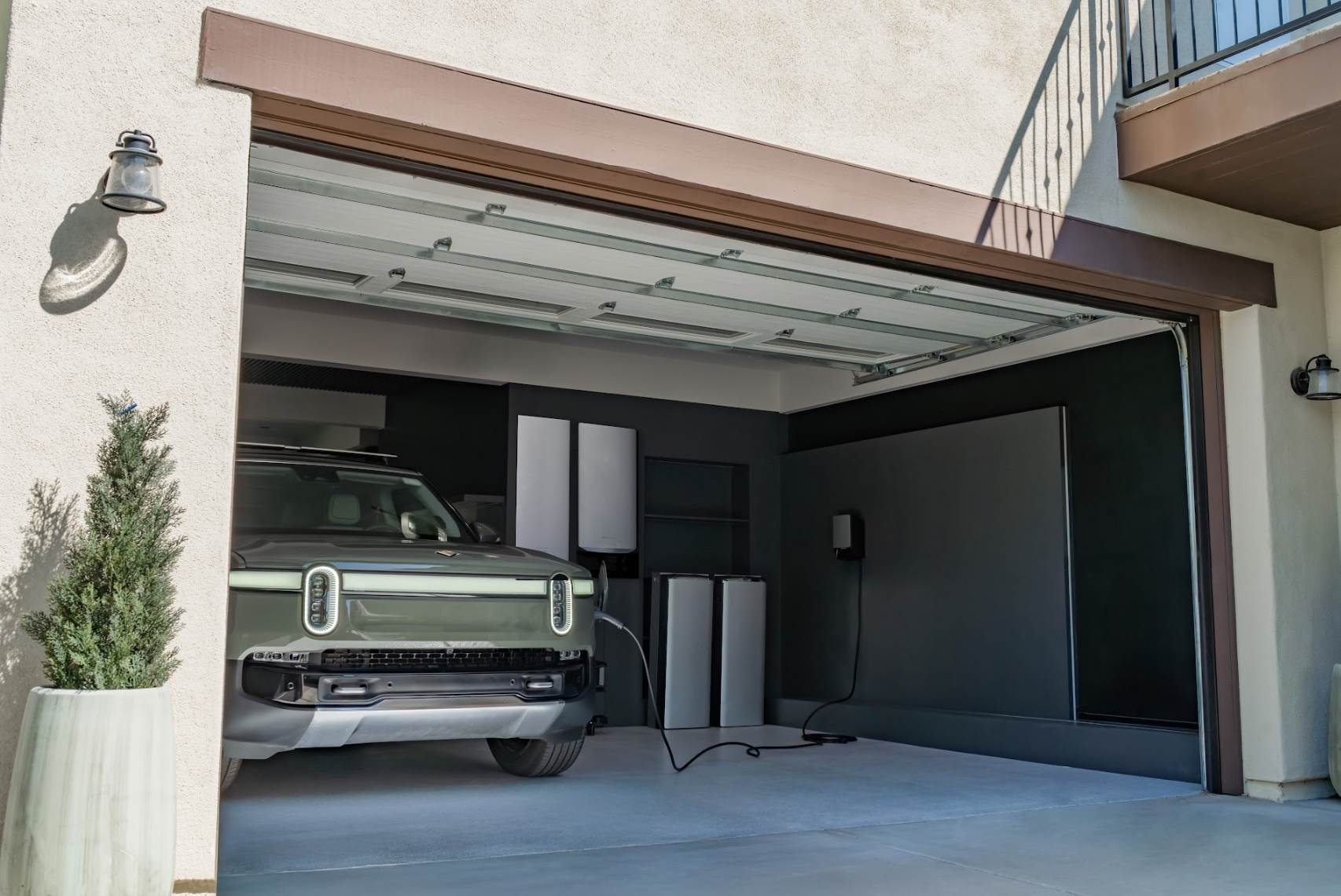
Charging a car with solar energy requires more than just panels. An integrated system must be capable of managing high loads safely and efficiently.
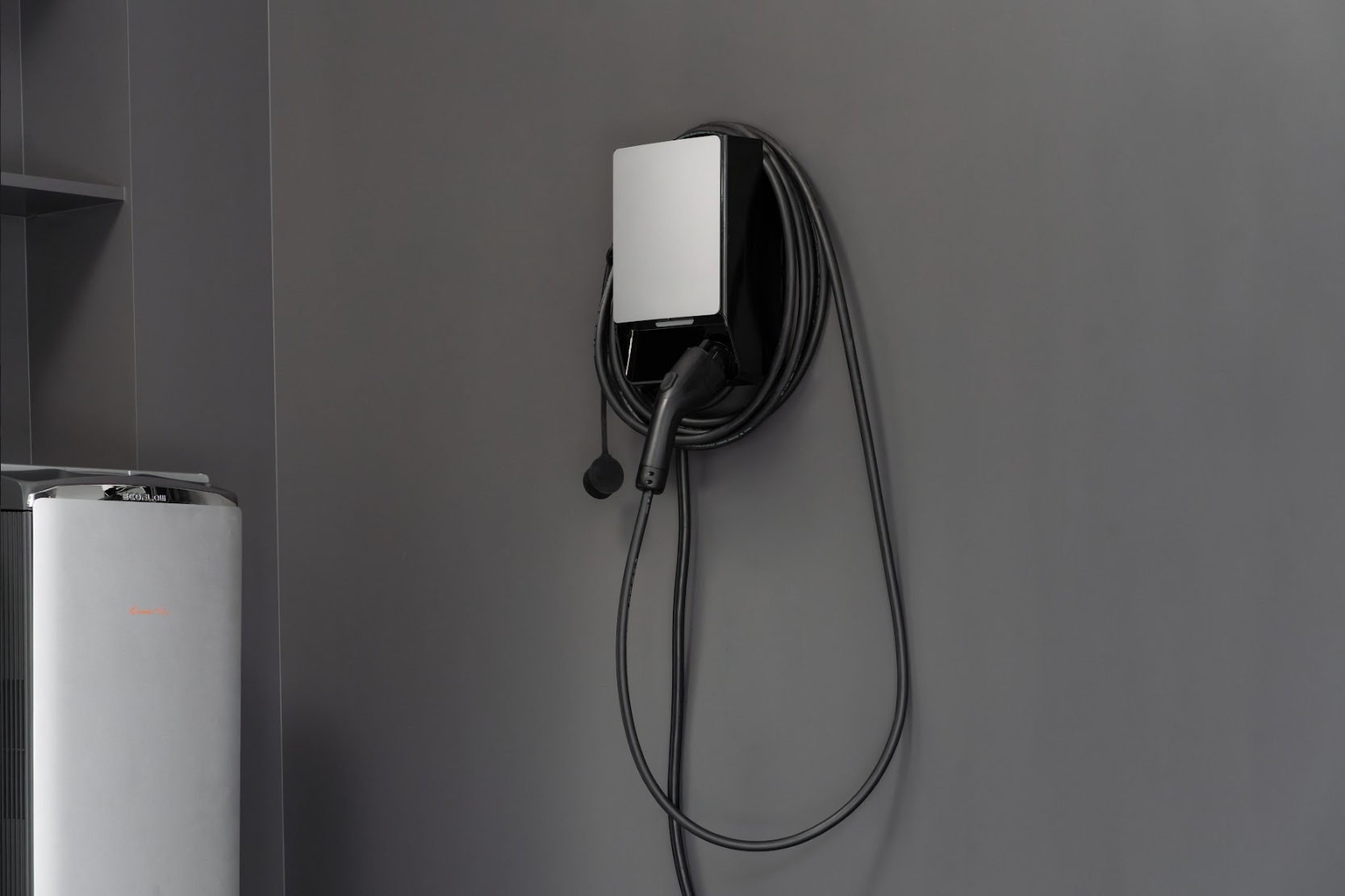
Level 2 Charging Stations
For residential use, a Level 2 charger is the industry standard. These units operate on a 240-volt circuit and can charge an EV battery significantly faster than a standard 120-volt wall outlet. To support a Level 2 solar car charger, your home’s electrical panel must be capable of handling a 40-amp to 50-amp breaker.
Hybrid Inverters and Battery Storage
In a standard "grid-tied" system without a battery, you can only charge your car directly from solar during the day. If you plan to charge at night, you need a high-capacity storage system.
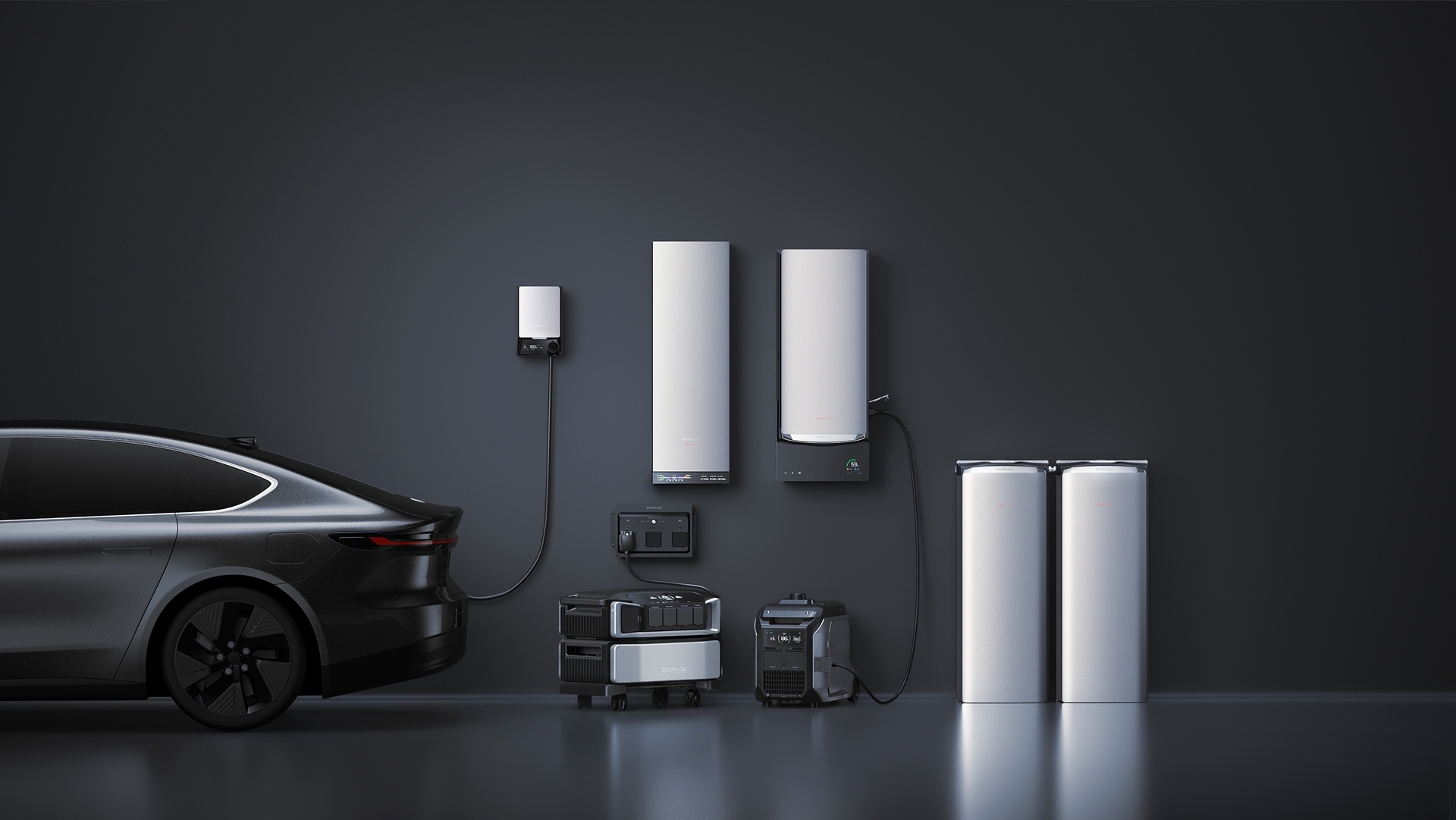
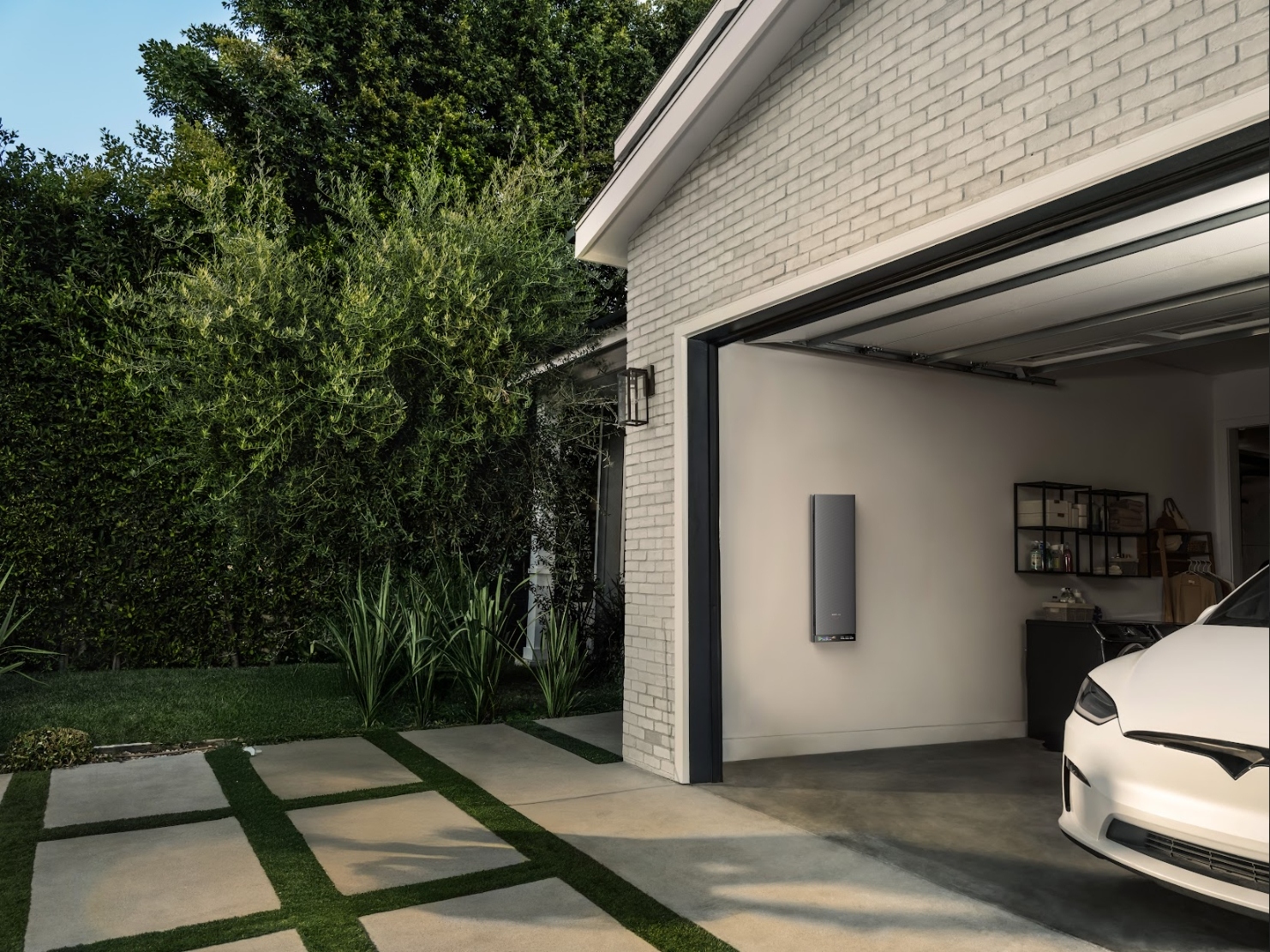
The EcoFlow OCEAN Pro is an All-in-One Home Energy Ecosystem that integrates high-capacity solar input with Whole-Home Backup, ensuring seamless EV charging even during power outages via its 24kW continuous output.
The Role of MPPTs
Modern inverters use Maximum Power Point Tracking (MPPT) to ensure the solar panels are always operating at their most efficient voltage. High-end systems feature multiple MPPTs, allowing panels to be placed on different roof facets (e.g., East and West) to capture sunlight throughout the day, providing a more consistent energy flow for the solar powered car battery charger.
Financial Impact: Gasoline vs. Solar Fueling
The transition to solar EV charging is often driven by the "Levelized Cost of Energy" (LCOE).
Monthly Savings Comparison
The average cost to fuel a gasoline vehicle is approximately $140 per month. Charging an EV from the grid typically costs around $60 per month. However, when using home solar, the "cost" of that energy over the 25-year life of the panels is estimated to be equivalent to roughly $20 per month. This results in an average monthly saving of over $100 compared to internal combustion engines.
Return on Investment (ROI)
While the upfront cost of adding 6-10 panels and an EV charger can be several thousand dollars, the accumulated savings on fuel and utility bills often lead to a full ROI within 5 to 7 years. After this period, the energy used to fuel the vehicle is essentially free for the remaining life of the solar equipment.
Charging Levels Explained
Understanding the different ways to charge is vital for planning your solar capacity.
Level 1 (120V AC): Uses a standard household outlet. It adds about 3-5 miles of range per hour. It is too slow for most daily commuters and is generally not the focus of a professional solar installation.
Level 2 (240V AC): The standard for home solar car charger setups. It adds 20-40 miles of range per hour. It requires professional installation and a dedicated circuit.
DC Fast Charging (Level 3): Found at public stations (like Tesla Superchargers). These are not practical for residential use due to extreme power requirements and costs.
Safety and Future-Proofing
High-load applications like EV charging put significant stress on a home's electrical system. Safety modules are essential.
Arc Fault Protection (AFCI): Detects dangerous electrical arcs in the solar wiring to prevent fires.
Ground Fault Protection (GFCI): Protects against current leakage that could cause electric shocks.
Scalability: As more households move toward having two electric vehicles, the ability to expand the solar array and battery storage is a critical feature of modern home energy designs.
Driving on Sunshine
Determining your solar needs depends on balancing your energy consumption with your available sunlight. Most people are comfortable using 6 to 8 solar panels; however, many people prefer to have a slightly larger system to ensure they are completely independent in energy usage. Installing a larger system can turn your home into your own gas station, saving you money and the environment.
Take a look at the EcoFlow OCEAN Pro Solar Battery System to ensure your home has backup power and can charge your electric vehicle. It can accept up to 40 kW of PV input, making it a great energy option for your home. [Learn More]
FAQs
Q1: Can I charge my car with solar power?
Yes. The solar car charger setup is a very cheap alternative for fuels. If you have installed a solar power setup for your home, then you can use solar power to charge your car, thereby saving on your fuel costs and reliance on the electrical grid.
Q2: How much solar power is needed to charge a car?
Most average EVs require approximately 6 to 8 high-efficiency solar panels to cover monthly driving needs. This calculation depends on your daily mileage, local peak sunlight hours, and the power rating of the panels used in your specific residential home energy installation.
Q3: Can I hook a solar panel directly to a car battery?
No. You cannot directly hook up a solar panel to your car battery. For charging your car, you will need a solar car battery charger setup, and it will require an inverter and a Level 2 charging station to safely manage high-voltage energy transfer between the array and the car.
Q4: How long will a 200W solar panel take to charge a car battery?
A 200W solar panel can charge a typical 12V car battery in about 10–12 hours of direct sunlight, depending on battery size, sunlight conditions, and system efficiency. In real-world use (with losses and less-than-perfect sun), it may take 1–2 days to fully charge a partially depleted battery.
Q5: Do solar panels work on cloudy days?
Yes. The solar panels will still work on cloudy days, but they will not be very efficient, as they will be able to generate only 10% to 25% of the power generated on a sunny day. A robust home energy system with battery storage ensures consistent power for your EV charging needs regardless of daily weather fluctuations or nighttime requirements.

