
The Only Prepper's List You Need: A Step-by-Step Survival Guide
Feeling anxious about sudden grid failures and need a solid prepper's List to protect your family? The sheer amount of survival gear available online can be overwhelming and often leads to costly panic buying. This step-by-step survival guide cuts through the noise to help you build a practical, budget-friendly stockpile of essentials. We will also explore critical long-term energy solutions, introducing you to a robust home battery system to keep your house running safely during extended blackouts.
What is a prepper's List?
A true prepper's List is simply a logical, comprehensive inventory of supplies needed to survive severe disruptions like natural disasters, grid failures or blackouts, or an economic collapse. Far from being driven by paranoia, it serves as a clear roadmap to self-reliance.
Having this prepared ahead of time effectively prevents the chaos of panic buying during a sudden crisis. Furthermore, a well-rounded list is not merely an extended grocery run. It strategically covers essential categories, including water, long-term food, medical supplies, shelter, security, and communication tools.
Most importantly, your prep list should be treated as a living document that continually evolves as your family's specific needs, geographic location, and survival skills change.
Learning about the Pareto 80-20 rule in prepping
The foundation of efficient planning starts with the Pareto Principle, which states that 80 percent of outcomes generally result from just 20 percent of causes or efforts.
When applied to prepping and survival scenarios, this rule means that 80 percent of your overall survivability and comfort during a crisis will come from just 20 percent of your core supplies, namely your water, basic food, essential first aid, and shelter.
The Pareto concept matters deeply because many beginners get bogged down buying expensive, niche tactical gear. They end up collecting 80 percent of the stuff that only solves 20 percent of the actual problems. Understanding the 80-20 rule helps you bypass clutter and prioritize high-impact, everyday survival items.
As actionable advice, you should focus your initial budget and time entirely on acquiring and mastering the absolute basics before you even consider investing in highly specialized doomsday equipment.
6 simple steps to follow to build your prepper's Lists
Now that you understand the mindset and the importance of prioritizing your core needs, it is time to take action. By following these six manageable steps, you can methodically build a comprehensive stockpile tailored to your unique risks and ensure your family remains safe in any unexpected crisis.
Step 1: Assess your unique risks and needs
Before buying a single can of beans, you must determine what you are actually preparing for. This step forms the foundation of your customized list. Assess the most likely threats in your geographical area, whether you are prone to hurricanes, earthquakes, harsh winter storms, or wildfires.
Next, evaluate your personal household needs. Consider if you have infants, elderly family members, or pets, and check if there are daily prescription medications required to keep someone alive. By identifying your most likely emergencies and specific family vulnerabilities, you prevent wasting money on unnecessary gear and ensure your list reflects your reality.
Step 2: Prioritize water storage and purification
Water is the absolute most critical element of any preparation strategy. You can survive weeks without food, but only days without water. The general rule of thumb is to store one gallon of water per person per day for at least two weeks to account for drinking, cooking, and light sanitation.
However, storing water takes up immense space, so your list must also include purification methods. Stock up on water purification tablets, high-quality microfilters, and unscented household bleach. You should also consider adding a water bob to your list, which allows you to temporarily store up to 100 gallons in your bathtub.
Step 3: Build a rotating food pantry
Your prepper's food list supply should focus on high-calorie, nutrient-dense items that require little to no cooking and have long shelf lives. Start with a two-week supply of non-perishables like canned meats, vegetables, peanut butter, and protein bars. Once the basics are covered, expand into bulk dry goods like white rice, dried beans, oats, and pasta, stored in food-grade bags with oxygen absorbers.
A crucial part of this step is implementing a first-in, first-out rotation system, so your food for emergencies never expires. Do not forget to include manual can openers, a camping stove, and extra fuel to prepare your meals.
Step 4: Assemble a comprehensive first aid and trauma kit
Medical emergencies become life-threatening when hospitals are overwhelmed or inaccessible. Your inventory must include a robust medical kit that goes far beyond standard bandages. Include over-the-counter medications for pain, fever, allergies, and digestive issues.
You must also prepare for severe injuries by stocking a trauma kit with tourniquets, hemostatic clotting gauze, pressure dressings, and splints. Furthermore, this step includes personal hygiene and sanitation supplies, which are critical for preventing disease when plumbing fails. Add heavy-duty trash bags, large buckets, toilet paper, hand sanitizer, and feminine hygiene products to your overall inventory.
Step 5: Secure shelter, warmth, and alternative power
If the grid goes down, protecting yourself from the elements is vital. Your list needs items to regulate body temperature and secure your home. Stock up on heavy sleeping bags, emergency blankets, duct tape, and thick plastic sheeting or tarps to seal broken windows.
For power and lighting, avoid relying solely on candles due to fire hazard. Instead, invest in high-quality LED flashlights, headlamps, plenty of extra batteries, and solar-powered power banks to keep small devices charged.
Get Your Free Home Energy Consultation!
Which energy solution are you interested in?


Step 6: Plan for security and communication
During a prolonged crisis, desperation can lead to security threats, and information becomes a vital resource. Your list should include self-defense tools that you are legally allowed to own and that you are properly trained to use. Secure your home with stronger locks and solar-powered security lights.
For communication, the internet and cell towers will likely fail. Include a battery-operated or hand-crank emergency weather radio to receive critical updates. Finally, keep physical copies of important documents like IDs, insurance, and deeds, local topographical maps, and a stash of small-denomination cash in a waterproof and fireproof bag.
Tips and mistakes to avoid when creating a list for preppers
Even with a solid plan, many beginners stumble when building their inventory. To ensure your supplies are practical and reliable, keep these crucial tips and common mistakes in mind as you finalize your preparations.
Tips:
Store what you eat, eat what you store
Do not buy crates of freeze-dried meals you hate. Instead, purchase foods your family already eats regularly. This approach makes rotating your stock effortless, reduces waste, and helps maintain morale.
Organize and inventory regularly
Keep a detailed spreadsheet or a physical ledger that tracks exactly which supplies you have and their expiration dates. A disorganized stockpile quickly leads to wasted money, expired goods, and a false sense of security.
Invest in skills, not just gear
A top-tier medical kit is completely useless if you do not know how to apply a tourniquet. Dedicate your time to learning practical skills like first aid, gardening, fire-starting, and foraging to make equipment effective.
Start small and pace yourself
The prepping process can easily become overwhelming and expensive. Instead of draining your savings account all at once, buy a little extra water or a few extra canned goods each time you go to the grocery store.
Prioritize resilient, scalable power
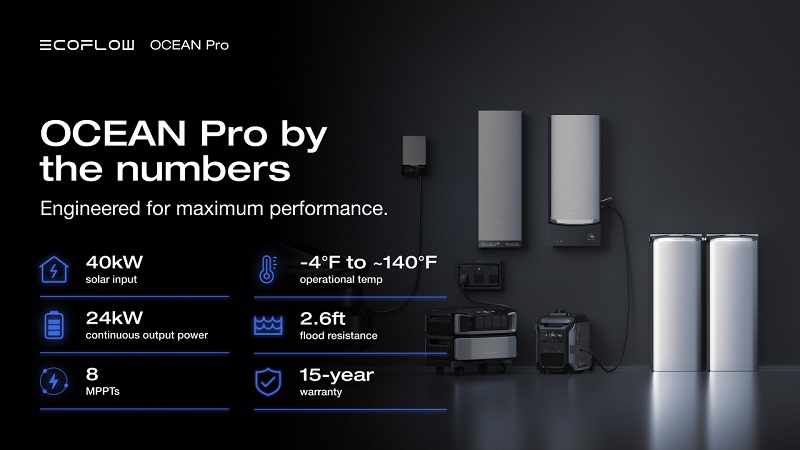
For true grid independence and long-term use during extended blackouts, invest in a whole-home backup system like the EcoFlow Ocean Pro. Designed for extreme climates, it operates reliably in harsh conditions ranging from negative 20 to 60 degrees Celsius.
The system is highly flood-proof and weather-resilient thanks to its NEMA 3R rated enclosure, making it safe for both indoor and outdoor installation. Beyond its rugged build, it delivers massive power with either 11.5kW or 24.0kW of AC output. You can confidently scale it up to eight solar battery units for 80kWh of total capacity, ensuring your home remains powered through the longest emergencies.
Mistakes:
Ignoring physical fitness
The single most important survival tool you have is your own body. If you buy expensive tactical gear but cannot carry a heavy backpack or walk several miles without stopping, your entire preparation strategy is fundamentally compromised.
Forgetting pets and vulnerable family members
Many well-meaning people completely forget to stockpile extra pet food, essential animal medications, or specialized items like infant formula and diapers. You must account for every dependent in your household long before store shelves are empty.
Bragging about your stash
Avoid broadcasting your proper status on social media or casually discussing it with neighbors. If a severe disaster hits, you absolutely do not want your home to become the primary target for unprepared, desperate people seeking supplies.
Relying solely on bugging out
The common fantasy of running off into the woods is highly dangerous. Your own home is usually the safest place to be. Focus primarily on sheltering in place rather than planning to flee immediately into unfamiliar environments.
Wrapping up
Creating a beginning prepper's List is ultimately about securing peace of mind for you and your family, not giving in to irrational paranoia. It represents a highly practical approach to living in an unpredictable world.
By carefully applying the Pareto 80-20 rule, you can focus your time and budget on the most critical supplies that ensure your survival during the vast majority of emergencies.
Once you start tackling the foundational steps we have discussed, from assessing your unique risks to securing resilient power like the Ocean Pro, anyone can build a robust safety net. Start small today to prepare for tomorrow!
FAQs
What are the best items to stockpile?
The best items to stockpile include shelf-stable foods like rice, beans, and canned goods, along with purified water. You should also prioritize medical supplies, hygiene products, essential prescription medications, and reliable alternative power sources for long-term emergencies.
What should all preppers have?
All preppers must have a clear emergency plan, a comprehensive first-aid kit, a reliable water filtration system, a rotating pantry of non-perishable food, and the practical skills to use their gear effectively in an emergency.
What are the 5 C's of survival?
The five C's of survival represent the hardest items to manufacture in nature. They serve as a cutting tool, a combustion device for starting fires, a shelter cover, a container for boiling water, and cordage for binding.
What two foods can you survive on?
While not ideal for long-term health, you can theoretically survive on a combination of potatoes and butter. Potatoes provide essential carbohydrates and vitamins, while butter supplies the necessary fats and calories your body requires to function under stress.
What are the 10 essential survival items?
The ten preppers' survival kit list items typically include a map and compass, sun protection, extra clothing, a light source, first aid supplies, fire-starting materials, a multi-tool or knife, extra food, extra water, and an emergency shelter or blanket.

