
What Is a Prairie-style House? Design Elements for a Modern Home
The Prairie-style house is a cornerstone of American architecture. It is celebrated for its deep harmony with the natural landscape. It is also known for its strong emphasis on horizontal integrity. Today, severe weather is more common. Grid instability is a growing concern for everyone. As a result, homeowners face a difficult challenge. They often struggle to balance the classic aesthetics of this historical style with the demand for modern resilience.
Integrating high-performance technology can be difficult. Adding a reliable home battery backup or a comprehensive home energy system can sometimes feel wrong. These large metal boxes can feel at odds with organic, unpainted interior finishes. Transitioning to a modern Prairie-style house requires a thoughtful strategy. You must preserve the building's architectural heritage. At the same time, you must ensure the property remains functional and secure. This resource explores core design principles. It also shows how to manage whole-home backup power seamlessly. You can add home energy storage without disrupting your home's natural, organic flow.
The Origins of the Prairie School Movement
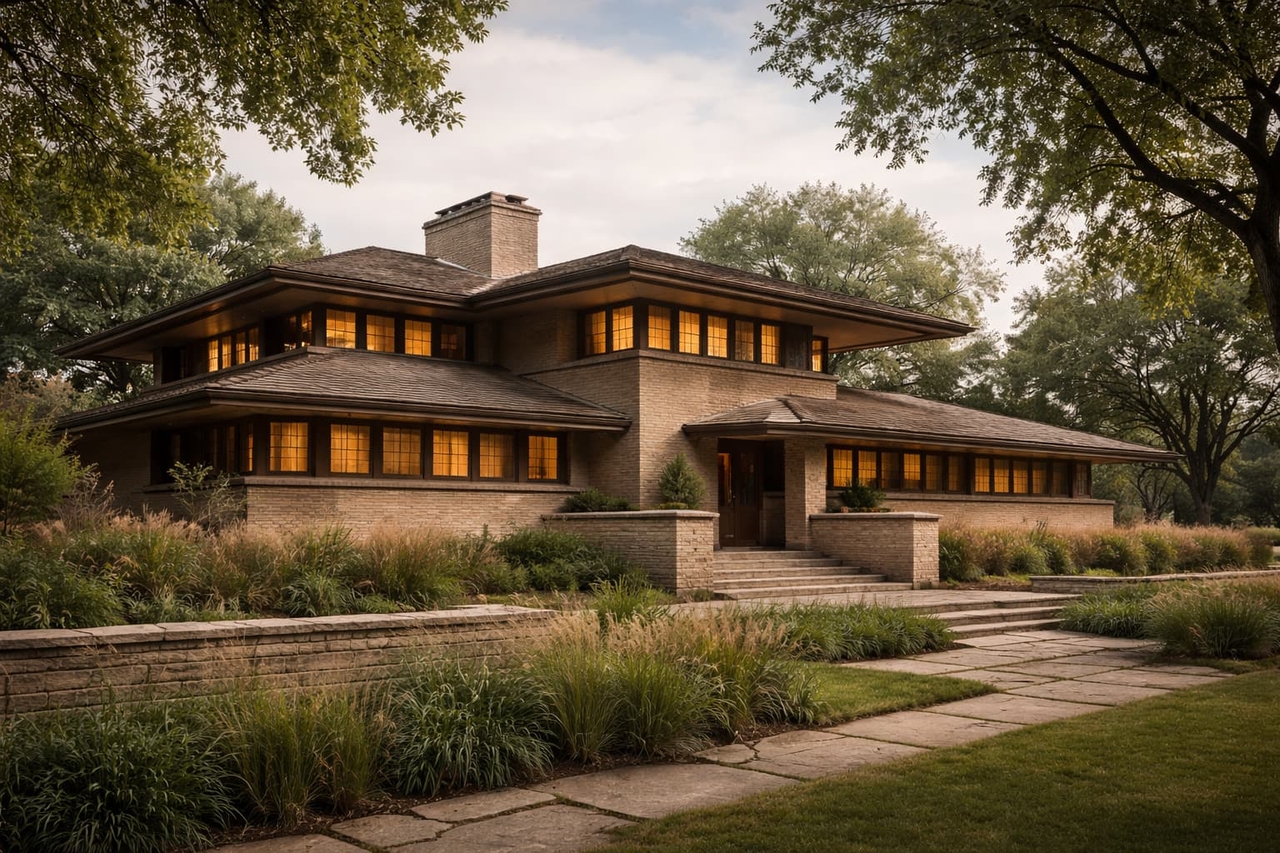
Organic Philosophy: This architectural movement emerged in the early 20th century. A specific group of Chicago architects created it. They were tired of copying old European buildings. Instead, this movement focused on buildings that appeared to grow directly out of the landscape. They did not want houses that dominated the land. They wanted homes that belonged to the earth. The idea was to respect the natural environment completely.
Horizontal Focus: The architects used very strong horizontal lines in their drawings. They wanted to mimic the flat, endless horizons of the American Midwest. This design choice grounded the structure. It kept the house looking low and wide. In doing so, they completely rejected vertical Victorian ornamentation. There were no tall towers. There were no useless decorations. Everything served a practical purpose.
The Central Hearth: Traditional designs almost always feature a massive central fireplace. This large chimney served as a structural anchor for the heavy roof. It also served as a symbol of familial unity. It was a crucial, reliable source of warmth during harsh midwestern winters. In a modern context, that core idea of self-reliance has evolved. Today, a modern energy setup acts as the new hearth. It provides the ultimate peace of mind. It keeps the family powered, warm, and comfortable even when the external grid fails.
Essential Features of Prairie-style Houses
Low-Pitched Rooflines: You can easily spot these homes by their roofs. Broad, low-pitched rooflines characterize them. They feature deep, overhanging eaves. These eaves often extend 3 to 4 feet past the outside walls. These wide roofs serve a purpose. They shield the home from the hot summer sun and heavy rain. They also emphasize the home's low profile against the sky.
Integrated Windows: These homes do not use standard, small windows. Instead, they use continuous bands of glass. These are often called clerestory or ribbon windows. These rows of glass flood the interior rooms with natural light. They give the people inside a panoramic view of the yard. At the same time, they maintain a cohesive, linear exterior look. The glass lines run parallel to the flat rooflines.
Natural Palette: The choice of building materials is very strict. The use of brick, rough stone, and unpainted wood is a hallmark of Prairie-style house design. Architects avoid paint whenever possible. They want you to see the wood's natural grain. They want you to see the true color of clay bricks. This helps the home blend perfectly into its site. It makes the house look as if it were made from the earth it sits on.
Open Floor Plans: Older houses from the 1800s were built with many small, closed-off rooms. This movement completely changed that. It moved away from compartmentalized rooms. Instead, architects created a continuous, flowing space. They tore down unnecessary interior walls. This open concept promotes excellent natural air circulation. It also promotes social connectivity, allowing family members to see and talk
Pros and Cons of Prairie-style Houses
Before committing to a new build or an extensive home renovation, you need to think carefully. It is important to weigh the distinct advantages and the unique architectural challenges of this iconic style.
The Pros:
Seamless Integration with Nature: The strong horizontal lines pull the eye outward. The deep eaves protect the glass. The organic material palette makes the walls look natural. Together, these elements create a home that feels perfectly grounded in its environment. It brings the outside world inside.
Abundant Natural Light: The extensive ribbons of glass do more than just look pretty. They reduce the need for artificial lighting during the day. This can save money on electric bills. The glass also offers beautiful, wide views of the surrounding landscape. You can watch the seasons change from your living room.
Spacious Fluidity: Open floor plans eliminate cramped, dark rooms. This fosters a highly social living environment. It creates a breathable space that feels incredibly modern, despite its deep historical roots. It is perfect for families who love to entertain large groups of guests.
The Cons:
Large Physical Footprint: The sprawling, horizontal nature of these homes creates a challenge. They require a significantly larger plot of land than traditional vertical, multi-story buildings. You cannot easily fit a true Prairie house on a narrow city lot. Buying a larger piece of land can increase your overall budget.
High Heating and Cooling Demands: Open-concept interiors are wonderful to look at. Expansive glass walls are visually stunning. However, they are very difficult to keep comfortable. Maintaining a consistent temperature across a massive, single-story footprint is hard. It typically requires robust, high-draw HVAC systems. Heat escapes easily through large windows. Cold air rushes through open hallways.
Vulnerability to Outages: Because these large, open spaces rely heavily on massive electricity for climate control, the home can lose comfort very quickly when the grid fails. A high-capacity whole-home backup power solution, like the EcoFlow OCEAN Pro, solves this. It delivers enough power to run heavy HVAC loads while its walnut finish naturally blends with the home's organic aesthetic.
The Evolution of Modern Prairie-Style House Design
Architecture never stops changing. The classic rules of the past are now merging with today's technology.
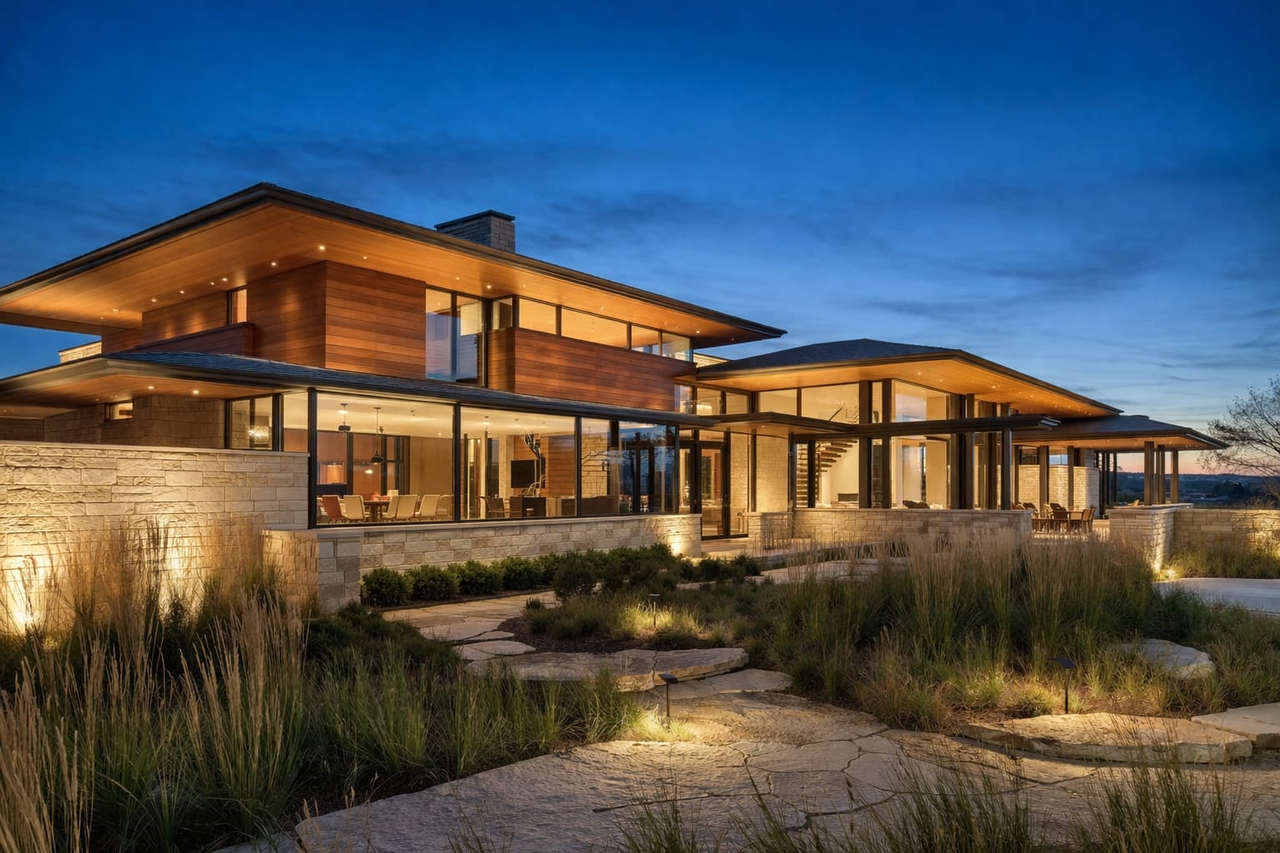
Contemporary Materials: Modern interpretations still respect the old rules. However, they often incorporate new support systems. Builders use heavy steel supports hidden inside the walls. This allows for even larger, more expansive glass walls without the roof collapsing. They achieve massive open spaces while retaining the classic low-slung silhouette.
Sustainability Focus: A century ago, energy was cheap and plentiful. Today's designs must prioritize the environment. Builders use highly energy-efficient envelopes. They pack thick insulation into the walls. They use triple-pane glass for the ribbon windows. They also rely on passive heating strategies. For example, they angle the home so the winter sun warms the stone floors. This helps to minimize the home's total carbon footprint.
Refined Craftsmanship: Modern design is very clean. Stripping away ornate details is crucial. This allows the honest beauty of the building materials to lead the interior aesthetic. Designers love to use premium woods like walnut. They use large slabs of smooth limestone. They avoid busy patterns. This focus on simple, high-quality materials makes the modern Prairie-style house feel luxurious and calm.
Integrating Functional Energy into High-Design Homes
Integrating massive energy systems into a modern home requires careful planning. You must work hard to avoid clashing with the home's architecture. Modern luxury estates have much higher power demands than their predecessors. They have electric vehicles, smart kitchens, and central air. They require backup systems that are both powerful and visually discreet. Key considerations include:
Concealed Infrastructure: Wires and cables can ruin a beautiful room. Utilizing dedicated chases inside the walls is a must. You need to hide the thick wiring required for high-capacity backup systems. Everything should be tucked away out of sight.
Acoustic Management: A Prairie environment is meant to be peaceful and quiet. Ensuring that your energy inverters and battery storage modules operate quietly is vital. You must preserve the peaceful atmosphere. You do not want a loud buzzing sound ruining your outdoor dinner.
Material Coordination: This is the most important visual step. Selecting technology that uses high-quality materials is essential. Look for systems that use real wood. The equipment should match your custom cabinetry perfectly. It should look like high-end furniture, not garage equipment.
Intelligent Monitoring: You should not have to guess how much power you are using. Using data tools to track energy usage in real-time is smart. This enables optimized energy consumption without manual intervention.
The EcoFlow OCEAN Pro is a prime example of this specific "Forms Meet Functions" philosophy. It is designed to elevate both your home's energy security and its visual aesthetic. It does this by blending into any space while delivering industry-leading performance.
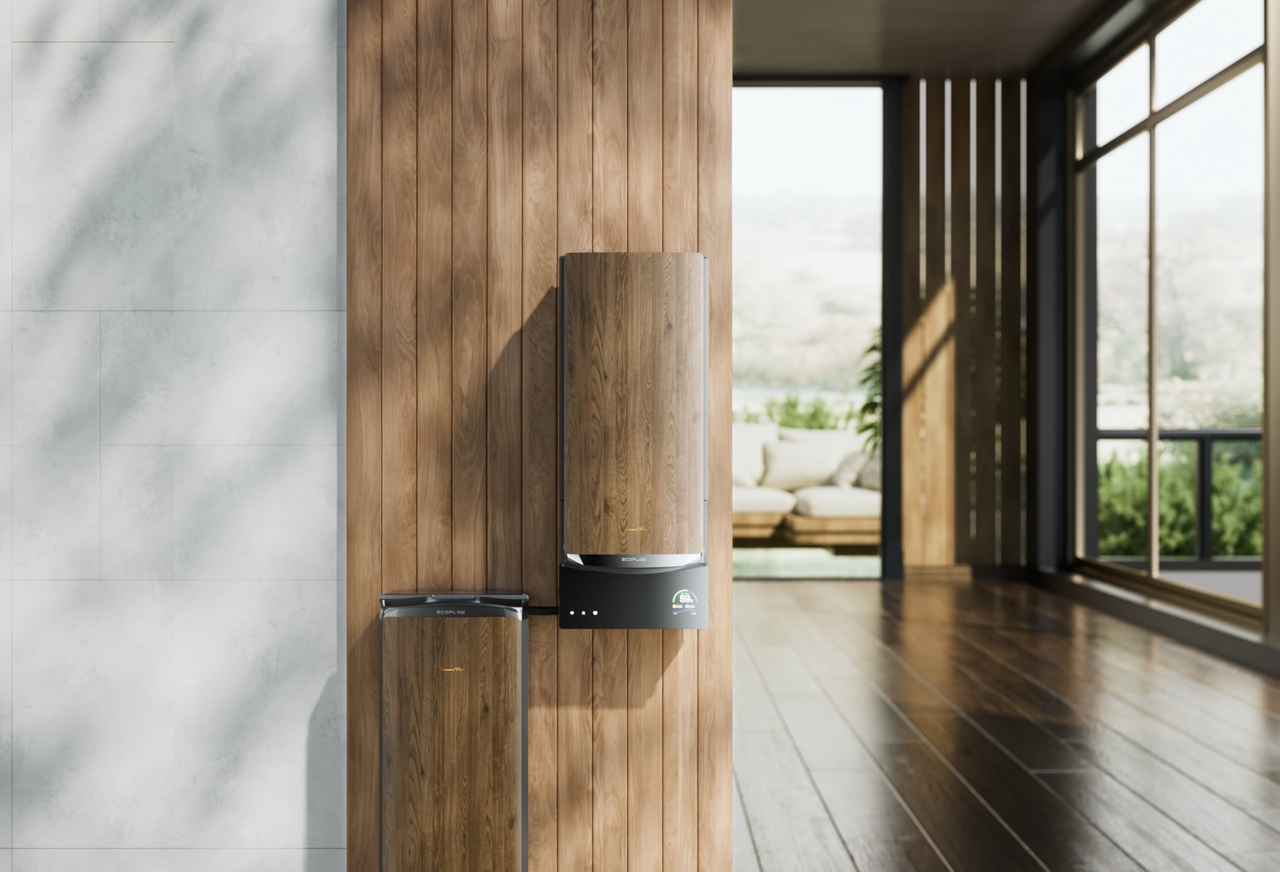
Premium Walnut Wood Finish: It is crafted from high-density hardwood with a refined, smooth finish. It offers a completely natural look. This beautiful wood finish perfectly complements the unpainted woodwork found in Prairie-style houses.
High-Performance Output: It provides a massive 24kW of continuous electrical output. This is enough to start heavy air conditioners. It is also fully scalable. You can start with 10kWh and expand up to 80kWh to power the largest luxury estates for days.
Extreme Resilience: The system is built like a tank. It features an incredible 3.3 feet (1.01 m) of flood resistance. It also operates safely in brutal temperatures, ranging from a freezing -4°F (-20°C) all the way up to a scorching 140°F (60°C).
Are you ready to resolve your uncertainty about home battery backups? We can help you protect your modernized historic property with beautiful, hidden power. Request a consultation today to find the perfect energy solution for your home.
Get Your Free Home Energy Consultation!
Which energy solution are you interested in?
Landscaping as an Extension of Architecture
In this architectural style, the yard is just as important as the living room. The outside must match the inside perfectly.
Native Topography: Designing outdoor spaces requires local knowledge. You should utilize local tallgrass in your garden beds. You should plant flat-topped trees, like the native Hawthorn. The horizontal branches of these trees reinforce the home's physical connection to the regional landscape. They mirror the house's flat rooflines.
Terraced Hardscaping: The yard should not be completely flat. Using low-profile stone walls creates visual interest. Built-in stone planters are also very common. These features help transition the home's tall height to ground level naturally. It creates a stepped effect that looks very organic.
Seamless Transitions: The goal is to blur the line between inside and outside. Creating large, covered stone patios is the best way to do this. These patios extend the interior living area into the fresh air. Because they are protected by the broad roof eaves typical of the style, you can use these patios even when it is raining.
Conclusion
The Prairie-style house is a timeless architectural choice. It is perfect for those who truly value quality, nature, and honest craftsmanship. It reminds us of a time when buildings respected the earth. By selecting building materials and energy systems that respect these core tenets—such as the walnut-finished Ocean Pro—you can ensure your home is protected. Your house will remain a highly resilient, beautifully functional tribute to organic design for decades to come.
FAQs
1. What defines a Prairie-style house?
Strong horizontal lines, low-pitched roofs, and wide overhanging eaves define it. These homes use open floor plans. They also use natural, unpainted materials like wood and stone to connect with the landscape.
2. Who is the most famous Prairie-style architect?
Frank Lloyd Wright is the most famous architect of this style. He created the idea of "organic architecture." He believed that a house should look like it naturally grew out of the specific plot of land it sits on.
3. What are modern Prairie-style house features?
Modern versions keep the horizontal lines but add modern elements. They use massive steel-supported glass walls. They feature minimalist finishes. They also use smart energy management systems to achieve high efficiency without compromising the natural look.
4. What colors are best for Prairie-style design?
The palette is strictly earth-toned. You should use natural colors like ochre, muted greens, deep browns, and rust. These colors are chosen to mimic the natural colors found outside in a Prairie environment.
5. What is the best way to power a large home during a blackout?
A scalable battery storage system is the most reliable method. Systems like the Ocean Pro provide up to 80kWh of storage. This is enough to safely run heavy HVAC units and appliances for several days.

