
How to Transform Multi-Generation Homes for Comfortable Multigenerational Living
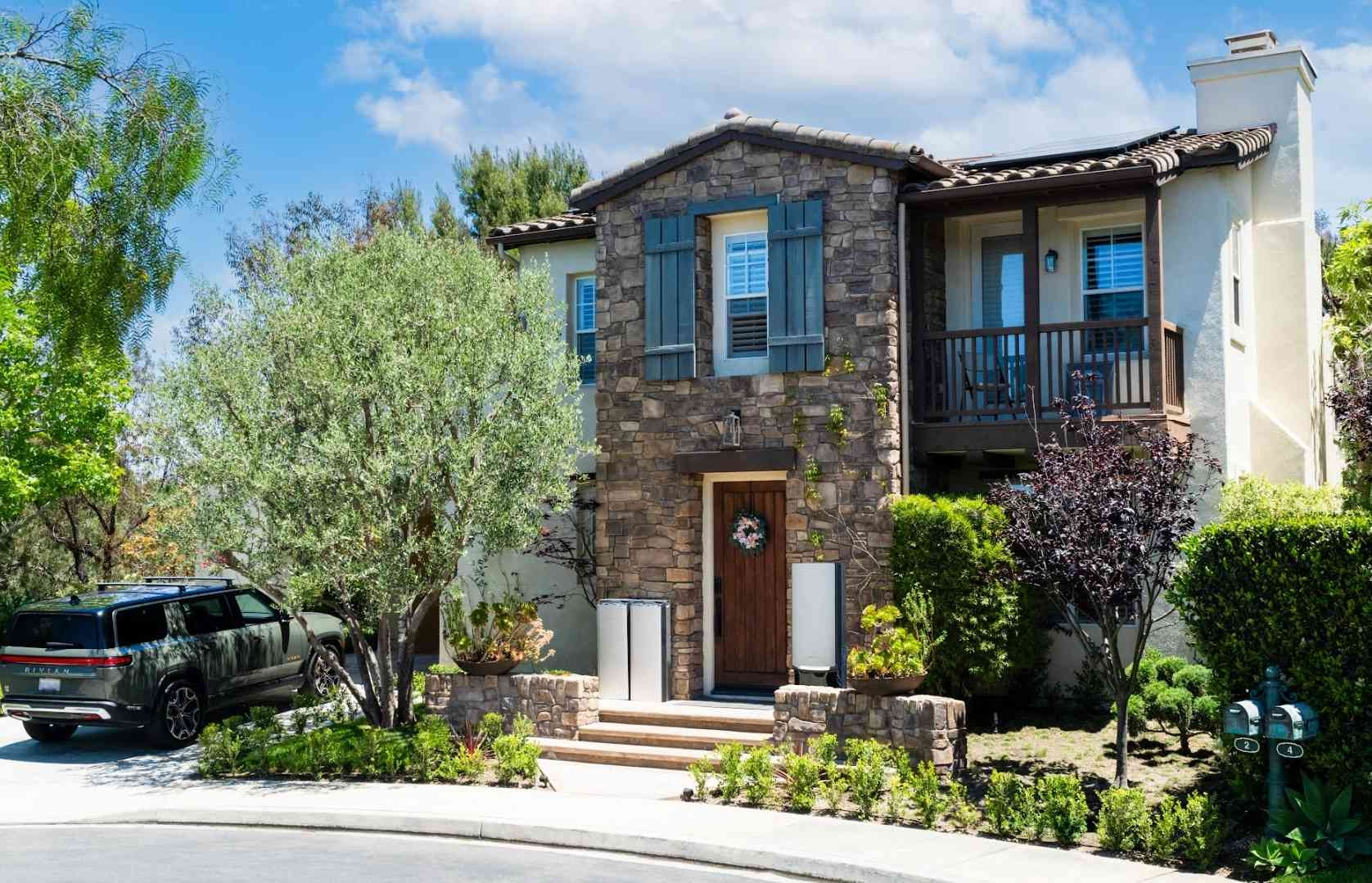
Multigenerational living is becoming a practical choice for many U.S. families. Rising housing costs, caregiving responsibilities, and the need for closer family support are bringing more generations under one roof. For households planning multi-generational homes, the key challenge is creating a space that feels private, safe, and comfortable while still supporting the daily routines of a larger shared home. In many cases, that planning also includes long-term considerations such as accessibility, storage, and home battery storage for more dependable daily living.
What Does Each Generation Need From the Home Layout?
The best multi-generational homes begin with daily routines. A floor plan may look fine on paper, yet still create stress when grandparents need quiet, parents need flow, and kids need space to move, study, and sleep on different schedules.
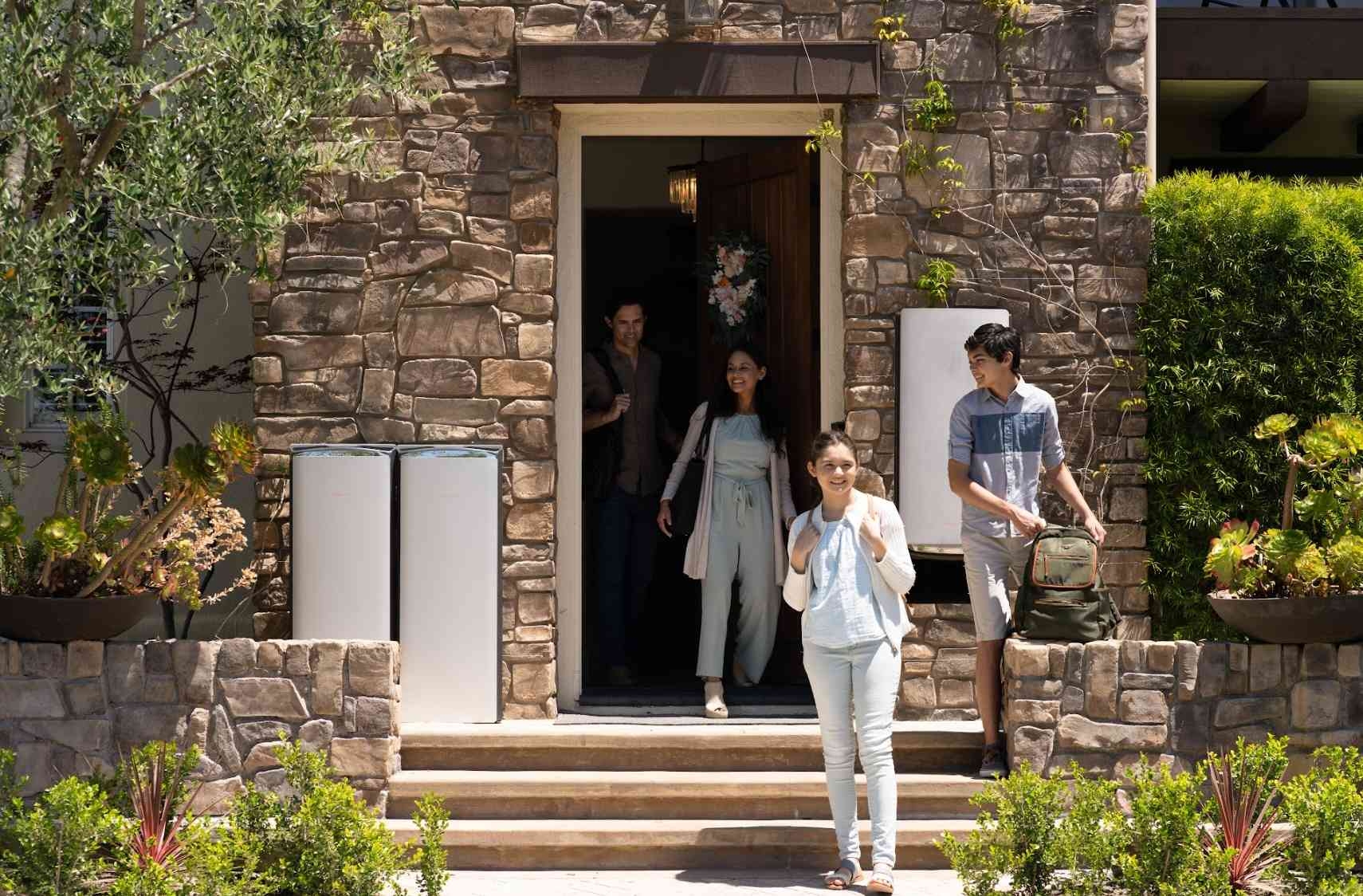
Separate the Home Into Clear Zones
Private space for bedrooms, quiet rest, and personal routines
Shared space for cooking, eating, gathering, and family time
Support space for storage, laundry, cleaning items, and household supplies
This structure helps a multi-generational home feel more balanced. It also lowers conflict because each activity has a logical place.
Ask Practical Questions Early
Before changing walls or picking finishes, look at how the home works during a normal day.
Who needs the shortest path to a bathroom at night?
Who needs a first-floor bedroom?
Which room should stay quiet during work or school hours?
Where will coats, shoes, backpacks, and medications go?
These details shape comfort in a lasting way. In multi-generational homes, small layout issues often turn into daily frustration, so early planning matters.
Early planning can also help families think beyond layout alone, including whether future upgrades such as safer entries, better lighting, or home battery storage may support a larger household more effectively over time.
Should You Rework Existing Rooms or Add a Separate Suite?
Many multi-generational homes come together through renovation. Some families repurpose a bedroom and a nearby bath. Others convert a basement, finish a garage, or build an addition. The right option depends on budget, lot size, local rules, and the level of privacy each generation needs.
A multi-generational home does not always need a major addition. In some houses, the better move is to use existing square footage more wisely. In others, a separate suite creates the breathing room that makes long-term shared living feel sustainable.
Compare the Most Common Options
Option | Best Fit | Main Advantage | Main Concern |
Repurposed room | Smaller budget, shorter timeline | Lower construction scope | Privacy may stay limited |
Basement conversion | Adult child or grandparent suite | Strong separation | Light, plumbing, and access |
Garage conversion | Need extra living area quickly | Efficient use of existing structure | Parking loss and insulation work |
Addition | Long-term family plan | Better comfort and privacy | Higher cost and permit work |
ADU | Large lot, stronger need for independence | Separate living area | Zoning and utility review |
Know When Separation Matters Most
A separate suite often makes sense when family members keep very different hours, need quiet recovery space, or want more independence. A simpler remodel often works well when the goal is one extra bedroom, a safer bath, and a stronger flow through shared spaces. That keeps the project focused and protects the budget.
Which Accessibility Upgrades Matter Most for Aging in Place?
Accessible design gives multi-generational homes long-term value. It supports older adults today and makes the house easier for everyone tomorrow. A safer entry, a better bathroom, and wider walking paths can improve comfort right away and also reduce the chance of urgent upgrades later.
Start With the Features That Change Daily Life
The first priority is movement through the home. At least one no-step entry makes daily life easier for older adults, anyone recovering from surgery, and family members bringing in groceries, strollers, or medical equipment. After that, focus on a first-floor bedroom and full bath if the layout allows it.
High-Value Upgrades
No-step entry at the main door
Wider doors and clear hallways
Walk-in shower with grab bars
Slip-resistant bathroom flooring
Better lighting in baths, halls, and stairs
Lever handles and easy-to-reach switches
A multi-generational home with these features feels easier to live in because movement takes less effort and less worry. Good accessibility also helps guests, caregivers, and younger children, so the value reaches across the whole household.
For households supporting older adults, long-term comfort may also depend on reliable lighting, climate control, and home energy storage during outages or periods of heavier daily demand.
How Can Kitchens, Bathrooms, and Laundry Areas Support a Larger Household?
In busy multi-generation homes, shared work areas shape the mood of the day. Mornings can feel rushed. Evenings can feel crowded. When the kitchen, bathroom, and laundry room are planned well, routines become smoother, and family life feels less compressed.
Improve Kitchen Flow
A kitchen in a larger shared home needs clear movement and a few simple work zones. Wider aisles, easy-reach storage, and open landing space near appliances help a lot. Families also benefit from strong pantry organization and seating that supports short meals, conversation, and slower mornings with older relatives.
Ease Bathroom and Laundry Bottlenecks
A bathroom works better when two people can use parts of it at the same time. A separate sink area, stronger lighting, and safer shower access can save time and improve comfort. In the laundry room, a folding counter, closed storage, and a clear spot for supplies keep the space functional even during busy weeks.
Small Upgrades That Help Right Away
Add storage near the kitchen for daily-use items
Keep toiletries and towels close to the bathrooms that use them most
Place hampers, linens, and cleaning products where the work happens
Use durable surfaces that can handle heavier family use
In multi-generational homes, these details help the house feel organized even when many people are moving through the same spaces.
How to Reduce Noise, Crowding, and Storage Pressure in Shared Spaces
In multi-generational homes, shared spaces can feel stressful when too many activities happen in the same areas. A better setup starts with a few practical steps that improve privacy, circulation, and storage at the same time.
Separate Quiet Areas From Busy Zones
Place bedrooms, study areas, and rest spaces away from the kitchen, family room, and main entry whenever possible. This helps reduce daily noise and gives each generation more privacy. If the layout is fixed, use solid doors, rugs, soft flooring, and add wall insulation to limit sound transfer.
Keep Walkways Open and Easy to Use
Shared spaces work better when movement feels simple. Make sure the path from the entry to the kitchen, from bedrooms to bathrooms, and from the laundry area to storage stays clear. Avoid oversized furniture and remove items that block high-traffic areas.
Get Your Free Home Energy Consultation!
Which energy solution are you interested in?

Create Storage Where Daily Life Happens
Storage works best when it is placed close to the activity it supports. Add closed storage near the front door for shoes and bags. Keep extra linens near bedrooms and bathrooms. Store laundry supplies in the laundry area, and give caregivers a secure place for medications and essential items.
Give Each Family Member a Defined Drop Zone
Crowding often starts when everyday items have no clear home. A simple drop zone for each person can keep shared areas from getting messy too quickly. This can include a basket, drawer, shelf, or cabinet near the spaces they use most.
Use Vertical and Flexible Storage in Smaller Areas
In tighter support spaces, vertical storage can free up floor area and keep walkways open. Tall cabinets, wall hooks, stacked bins, and narrow shelving can all help reduce clutter without taking over shared rooms.
A multi-generational home feels larger and calmer when quiet areas are protected, walkways stay open, and storage is built around real daily habits.
Why Should Energy Resilience Be Part of a Multi-Generational Home Plan?
Energy planning deserves a central place in multi-generational homes. Larger shared households often have longer active hours, heavier HVAC use, fuller refrigerators, stronger lighting demand, and more devices running at the same time. During an outage, the impact is also greater because comfort, health, communication, and food storage can all be affected at once.
Build Your Power Plan Around Real Household Needs
Start with the loads that protect daily life:
Heating and cooling for occupied areas
Refrigeration and kitchen essentials
Internet and communication
Lighting in halls, stairs, and bathrooms
Security systems and garage access
Medical devices and critical outlets
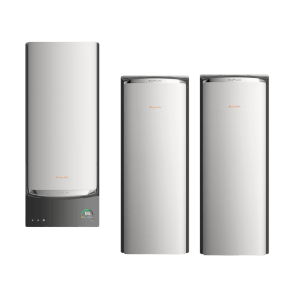
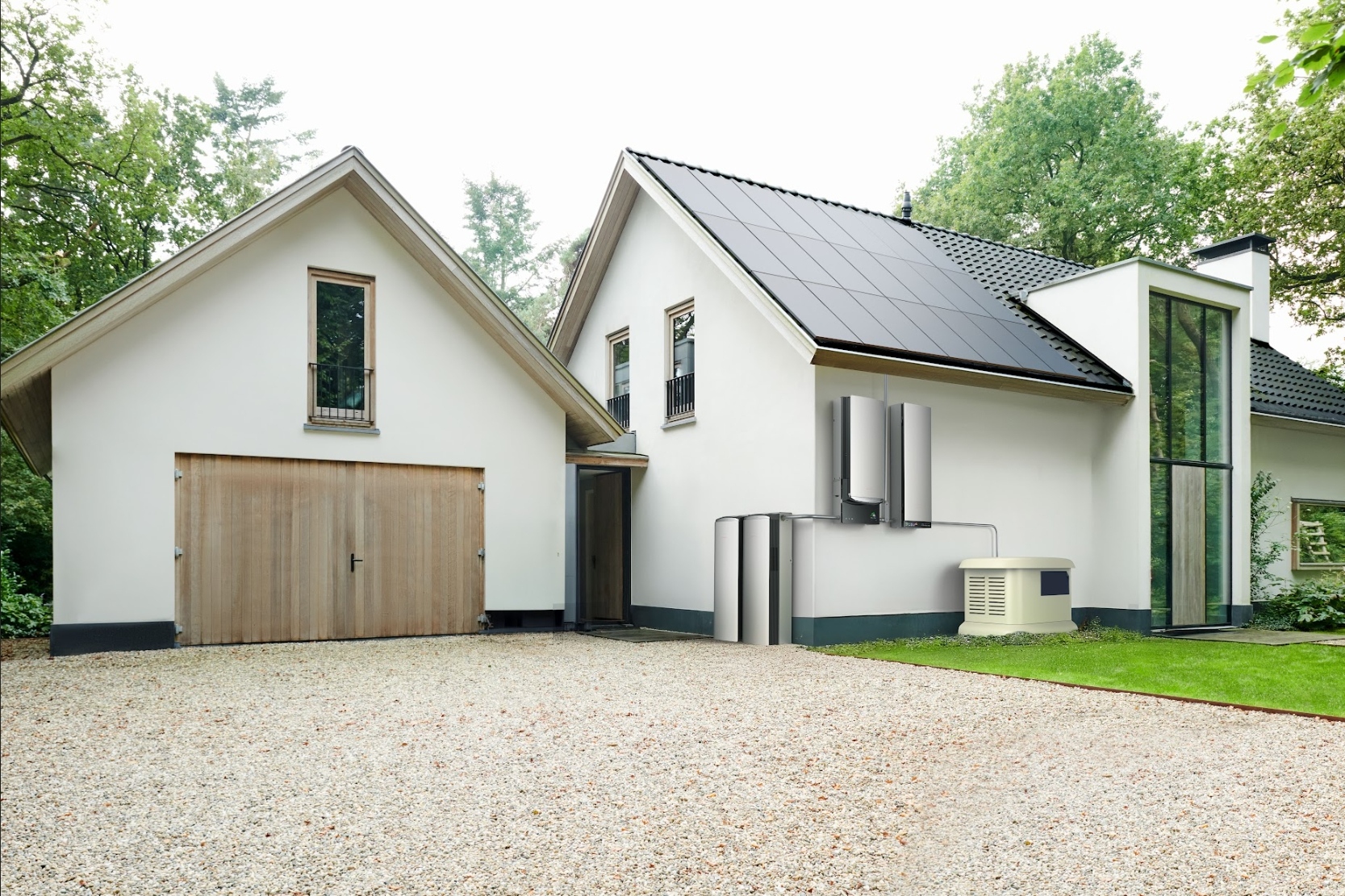
This planning matters even more in a multi-generational home with older adults, children, or family members who spend more time at home during the day. A whole-home approach helps families think clearly about backup priorities and long-term energy stability. For homeowners shaping that kind of plan, EcoFlow OCEAN Pro can be a good home energy storage solution designed for whole-home backup.
Create a Multi-Generational Home Built for Long-Term Comfort
Strong multi-generational homes work because the layout, shared spaces, accessibility, and power planning all support real family life. A well-designed multi-generational home feels easier to live in every day and better prepared for the years ahead. If your household is planning for long-term comfort and dependable backup, explore EcoFlow OCEAN Pro as part of that next step. Learn more
FAQs
Q1. Are multi-generational homes a good fit for large families?
Yes. Multi-generational homes can work very well for large families when the layout supports privacy, safe movement, and smoother daily routines. The key is to plan for different schedules, shared spaces, and long-term needs from the beginning. A home that balances private zones and common areas usually feels much more comfortable for everyone.
Q2. Do multi-generational homes need a separate suite?
No. A separate suite can help in some cases, though it is not required for every household. Many families make a multi-generational home work by repurposing existing rooms, improving bathroom access, and creating better storage and circulation. A separate suite makes more sense when privacy, caregiving, or different routines are major concerns.
Q3. What upgrades matter most for older adults in a shared home?
The most useful upgrades are usually a no-step entry, a first-floor bedroom, a full bathroom on the main level, better lighting, and a safer shower. Wider doors and clearer hallways also help. These changes improve daily comfort for older adults and make the home easier to use for children, guests, and caregivers as well.
Q4. How can a larger household reduce crowding in shared spaces?
Start by improving flow. Keep main walkways open, place storage near the activities it supports, and give each family member a defined drop zone. Kitchens, bathrooms, and laundry areas often need the most attention. Small changes like better storage, wider movement space, and clearer room functions can make a busy home feel much more organized.
Q5. Should energy resilience be part of a multi-generational home plan?
Yes. Energy resilience is important in a larger shared home because outages can affect comfort, food storage, internet access, lighting, and medical needs at the same time. Families should think early about backup priorities and long-term power planning. For whole-home energy support, EcoFlow OCEAN Pro can be a relevant option to consider.

