
Is It Better to Have More Solar Panels or More Batteries for a Large Home?
For a large home, a solar panel and battery kit should do two jobs well: produce enough power during the day and carry that value into the hours when your family uses the most electricity. The right expansion path depends on your daily load, your roof, your utility plan, and the length of backup you want during outages.

What Problem Are You Really Solving in a Large Home?
Before expanding a solar panel and battery kit, define the problem with care. Large homes often deal with high cooling loads, longer evening usage, and several big appliances running in the same window. That means the answer is tied to your pressure point: low daytime production, high evening grid use, or limited backup time when the power goes out.
Check When Your Home Uses the Most Electricity
Start with the last 12 months of utility bills. Look for three patterns:
High usage during the summer cooling season
Strong evening consumption after solar hours slows down
Large seasonal swings driven by heating, pool equipment, or EV charging
A large house can use a lot of electricity across the year and still have one sharp daily pain point. Some homes simply need more solar generation. Others already produce a fair amount of daytime power and still pull heavily from the grid at night.
Separate Energy Volume From Energy Timing
Solar panels raise production. Batteries shift energy into the hours when solar is no longer active. For many large homes, that timing issue matters a great deal. Dinner prep, air conditioning, laundry, home office use, and entertainment loads often pile up late in the day. Once you identify that pattern, the next system upgrade becomes easier to choose.
Should You Add More Solar Panels or More Batteries First?
A solar panel and battery kit perform best when each part matches the job it needs to handle. If daytime generation still falls short, solar panels usually deserve the next investment. If your array already covers a solid share of daytime use and your evening bill still feels heavy, battery storage often becomes the stronger next step.
Your Main Situation | Better First Move | Why |
Daytime solar output is too low | Add solar panels | You need more production before extra storage can do much |
Evening usage stays high after sunny days | Add batteries | Your home is making power, yet too little is available later |
Outage coverage is a top priority | Add batteries | Backup duration depends on stored energy |
Roof still has good solar potential | Add solar panels | Extra generation can still bring strong value |
Export credit is weak and evening rates are high | Add batteries | Keeping energy on site becomes more attractive |
A solar panel and battery kit often reaches a better balance when you compare your production curve with your household demand curve. That is especially true in large homes where comfort expectations are high, and energy use extends well beyond daylight hours.
When to Add More Solar
If your system struggles to cover daytime loads, more battery capacity will not fully solve the issue. There is too little surplus solar to store. In this case, panel expansion deserves priority. Roof space, shade, orientation, and local solar resource all shape how much value you can gain from additional solar.
When to Add More Battery
If your home already produces solid daytime energy and still buys a lot of grid power after sunset, storage can have a stronger impact. A solar battery kit is especially useful when evening air conditioning, cooking, hot water, and family activity keep demand elevated long after the sun is down.
How Do Utility Rates, Peak Usage, and Net Metering Change the Better Choice?
The value of a solar panel and battery kit depends heavily on how your utility charges for electricity. In many U.S. markets, power costs more in the late afternoon and evening than it does earlier in the day. For a large home, those hours often bring the highest demand as cooling, cooking, lighting, and other household loads stack up. That is why battery storage can become more valuable even when the home already produces a healthy amount of solar power.
Time-of-use pricing is one of the clearest examples. If your highest rates fall during the hours when solar output is dropping, stored solar energy can help reduce expensive grid purchases. In that situation, adding battery capacity may improve bill savings faster than adding more panels alone.
Net metering can change the answer. If your utility still gives strong credit for exported solar, expanding solar production may remain attractive. If export credit is lower than the price you pay to buy electricity later, holding more energy on site often makes better financial sense. That pushes the decision toward storage.
Check When High Usage Happens
Look at the hours when your home uses the most electricity. A large house with long cooling hours, a pool pump, electric cooking, and vehicle charging may see its biggest demand after sunset. In that case, more battery capacity can help cover the most expensive part of the day. If your usage stays heavier during daylight hours and evening demand is more moderate, added solar panels may deliver better value first.
How Much Solar and Battery Capacity Does a Large Home Actually Need?
A large home should size a solar panel and battery kit around three numbers: how much electricity the home uses, when that electricity is used, and how long power needs to stay available after sunset or during an outage. A solar panel kit with battery and inverter works best when solar production, battery storage, and inverter output are planned together rather than treated as separate parts.
Estimate How Much Solar Your Home Needs
Start with your average daily electricity use. Solar size estimate:
Required solar capacity (kW) = Daily electricity use (kWh) ÷ Peak sun hours ÷ System loss factor
For a homeowner-friendly estimate, many projects use a system loss factor of about 0.8 to reflect real-world losses from heat, wiring, inverter conversion, and panel conditions.
For example, if a large home uses 60 kWh per day and gets 5 peak sun hours, the rough solar size would be:
60 ÷ 5 ÷ 0.8 = 15 kW
That number should still be adjusted for roof space, shading, roof direction, and local climate. Still, this gives the reader a real starting point, which is much more useful than a vague statement about annual usage.
Get Your Free Home Energy Consultation!
Which energy solution are you interested in?

Estimate How Much Battery Capacity You Need
Battery sizing should follow the load you want to cover after sunset or during an outage. Battery capacity estimate:
Required battery capacity (kWh) = Target backup energy use (kWh) ÷ Usable battery factor
A simple planning factor can be 0.9, since the full nameplate battery capacity is not always available for everyday use.
If your home needs to cover 30 kWh from evening through early morning, the rough battery target would be:
30 ÷ 0.9 = 33.3 kWh
This is where a lot of large-home projects go wrong. Homeowners often size the battery around total daily usage, even though the real target is the portion of electricity that must be carried into the evening, overnight, or through an outage.
Make Sure the Inverter Can Handle Real Household Loads
Battery capacity tells you how long the power can last. Inverter capacity tells you how many things can run at the same time. Inverter sizing estimate:
Required inverter output (kW) = Total running wattage of simultaneous loads ÷ 1,000 + surge margin
For a large home, that means looking at the loads likely to overlap, such as:
Central air conditioning
Refrigerator
Lighting
Internet and home office equipment
Electric cooking
Water heating
Pool equipment
EV charging, if it is part of the backup plan
If those loads add up to 12,000 watts at the same time, the system may need at least 12 kW of inverter output, and often more if large motor loads have a startup surge.
What Costs More to Expand and What Can Limit the Upgrade?
A solar panel and battery kit can be held back by roof space, shading, electrical work, equipment placement, local permitting, and utility interconnection rules. In large homes, these project details carry real weight because the system size is larger and the expectations are higher.
Common Limits That Shape the Decision
Roof area may be tighter than expected once setbacks, obstructions, and shade are considered
Electrical upgrades can add to the project cost before new capacity is installed
Battery placement needs adequate space and code-compliant installation
Utility rules may influence export value, backup setup, and system design
Rising household demand can make a small expansion feel short very quickly
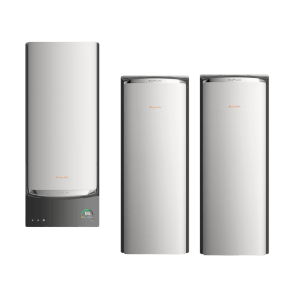
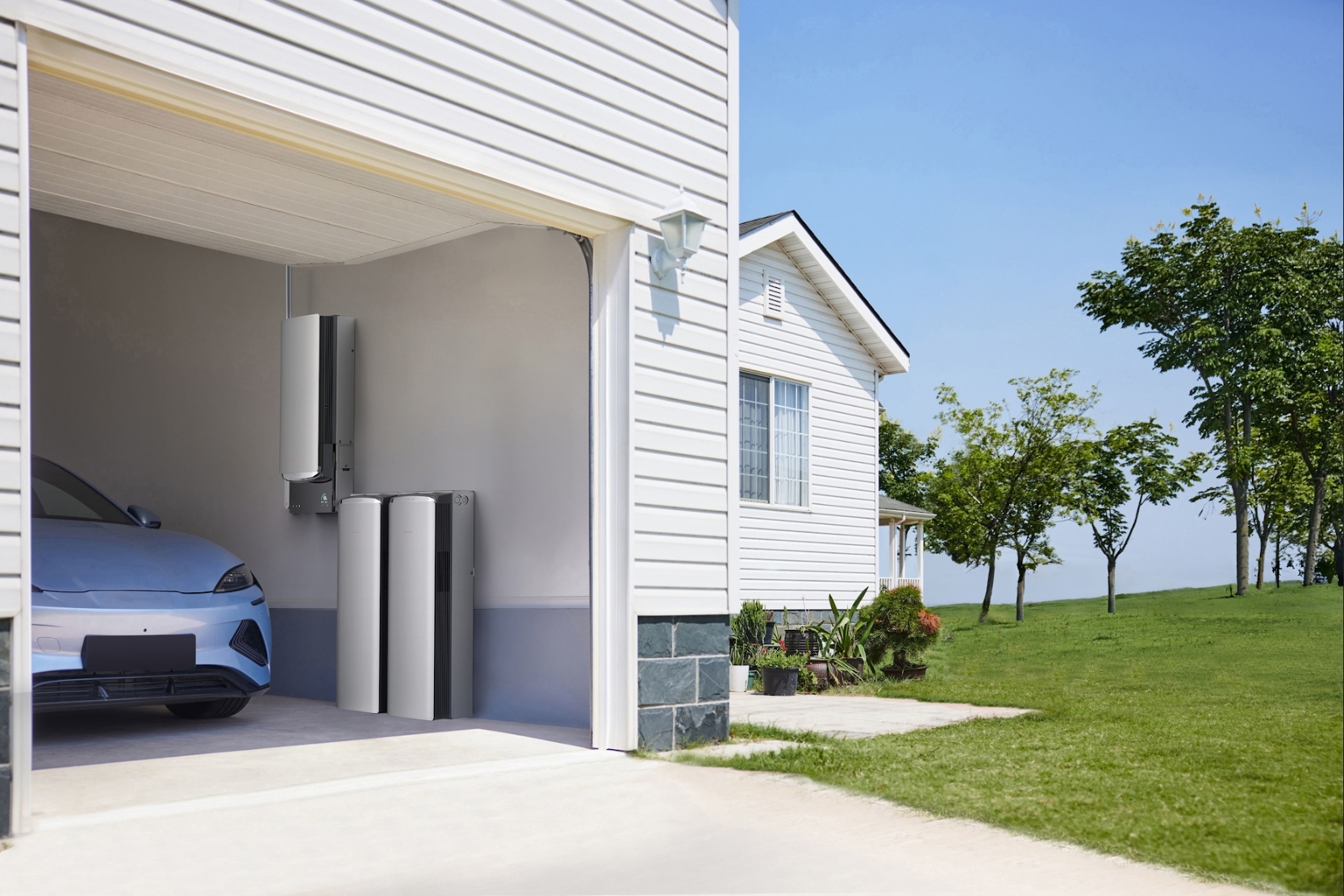
A solar battery kit can be the next clean move when rooftop potential is limited, and the house already produces a healthy amount of daytime solar. Panels often win when the roof still has a strong usable area and current solar generation remains too small. For homeowners weighing solar expansion against added storage, EcoFlow OCEAN Pro is one option built for whole-home backup and better use of solar energy across the day and into the evening.
Choose the Right Solar and Storage Balance for a Smarter Large Home Energy System
The best solar panel and battery kit for a large home comes from a clear match between solar production, battery coverage, household load, and utility pricing. If your biggest issue shows up during daylight hours, add panels. If the pain shows up after sunset or during outages, grow storage. For large homes that need a better balance between solar production, stored power, and backup coverage, EcoFlow OCEAN Pro is a whole-home solution to consider.
FAQs
Q1: Should I get more batteries or more solar panels?
If your large home still cannot produce enough electricity during the day, adding solar panels usually makes more sense first. If your system already generates solid daytime power but you still rely heavily on the grid at night, more battery storage may deliver better value. The right answer depends on your usage pattern, utility rates, and backup goals.
Q2: What Is the 20% Rule for Solar?
The 20% rule usually refers to a planning cushion in solar system sizing. Some homeowners size a system slightly above current usage to allow for future load growth, seasonal variation, and normal performance losses. It is not a universal legal rule. The right buffer depends on your roof space, utility policy, and expected changes such as EV charging or HVAC upgrades.
Q3: How Many Solar Panels and Batteries Do You Need to Power a House?
That depends on how much electricity the home uses, when demand is highest, and how long backup power is needed. For example, if a large home uses around 40 kWh of electricity per day, it may need roughly 25–30 solar panels (depending on panel wattage and local sun hours) plus 1–2 batteries for evening use and basic backup. If the goal is to run more appliances during an outage for longer, the home may need more battery capacity. In most cases, solar panels handle daytime production, while batteries store extra energy for later use, so both should be sized together.
Q4: How Many Solar Panels Do You Need for a Large Battery?
A large battery should be matched with enough solar to recharge it reliably in real conditions. For example, if a homeowner installs a 20 kWh battery but only has a small solar array, the system may not fully recharge the battery in a single day, especially if the house is still using electricity while the sun is out. In most cases, the solar array should be sized based on daily energy use, battery charging goals, and available sunlight, rather than battery size alone.
Q5: What Is the Biggest Downside to Solar Electricity?
The biggest limitation is that solar production is tied to sunlight, while household demand often stays high in the evening or during bad weather. That is why solar alone may not fully match the needs of a large home. Roof space, export rules, upfront cost, and installation limits can also affect how much value a system delivers over time.

