
Level 1 vs. Level 2 vs. Level 3 Charging for EVs: How to Choose a Level 2 EV Charger for Your Home
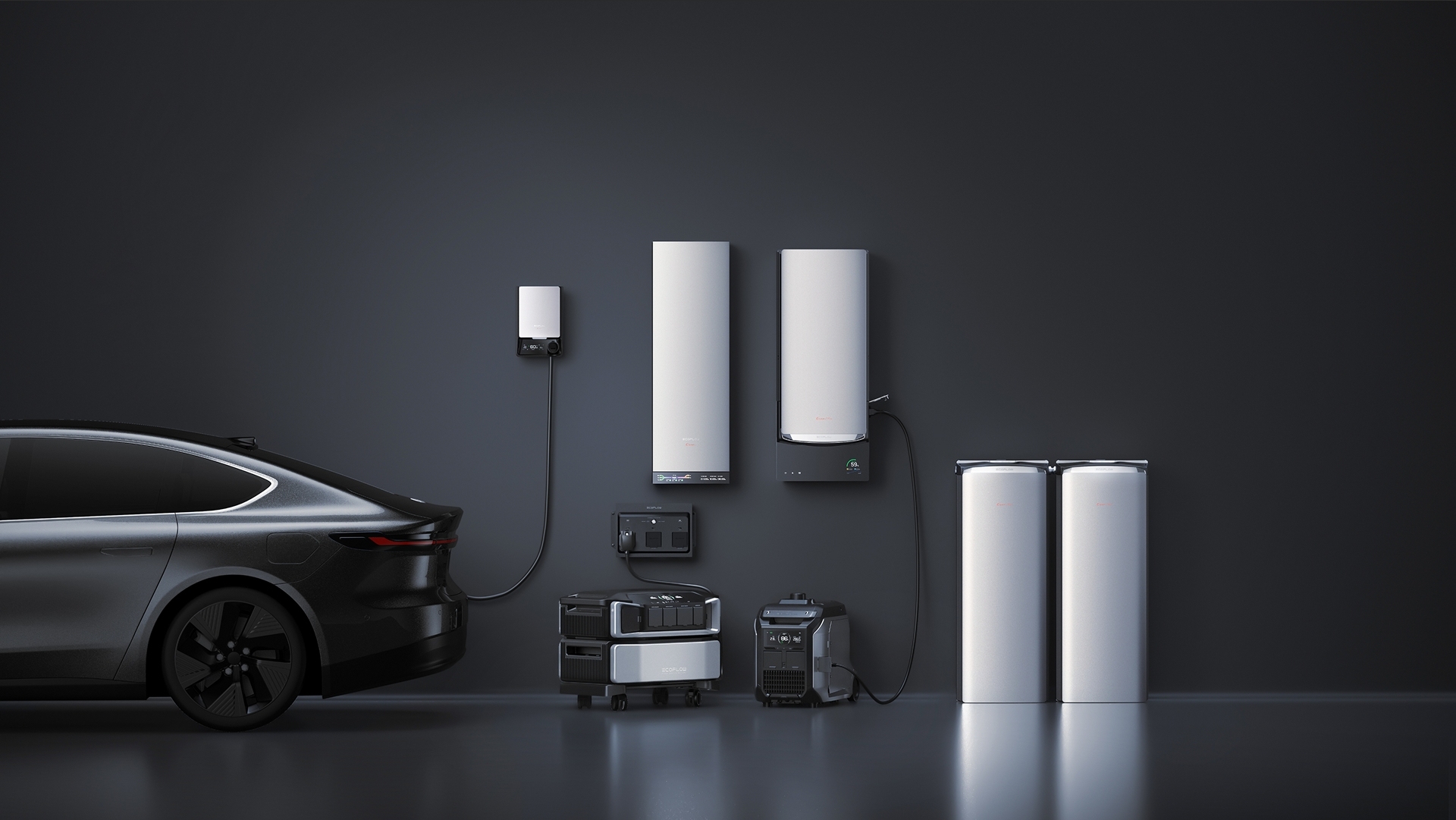
For homeowners with solar, whole-home battery storage, high monthly energy use, or two EVs at home, charging is part of a much bigger energy decision. It can shape your daily routine, affect utility costs, and influence how efficiently your home uses power. In many cases, a level 2 EV charger is the right fit because it supports overnight charging, works well with larger battery packs, and gives households a more dependable way to manage charging within a broader home energy plan.
How Fast Is Each EV Charging Level in Real Life?
The first step is simple. You need a clear view of what each charging level can actually do during a normal week at home. Speed matters, yet so does context. A charger that looks fine on paper can feel slow very quickly once commutes get longer, battery sizes get bigger, or the household starts sharing charging time.
Charging Level | Power Source | Typical Speed | Best Fit |
Level 1 | 120V outlet | About 5 miles of range per hour | Light daily driving and long parking windows |
Level 2 | 240V at home or 208V in some commercial settings | About 25 miles of range per hour | Most home charging needs |
DC Fast Charging, often called Level 3 | Public fast charging equipment | About 100 to 200+ miles in 30 minutes | Road trips, fast public charging, tight turnarounds |
Level 1 works best for drivers who cover limited miles and park for long stretches. DC fast charging serves a different role. It is built for public sites and quick stops away from home. For most households, especially larger homes with active schedules, a level 2 EV charger lands in the sweet spot between convenience and real-world speed.
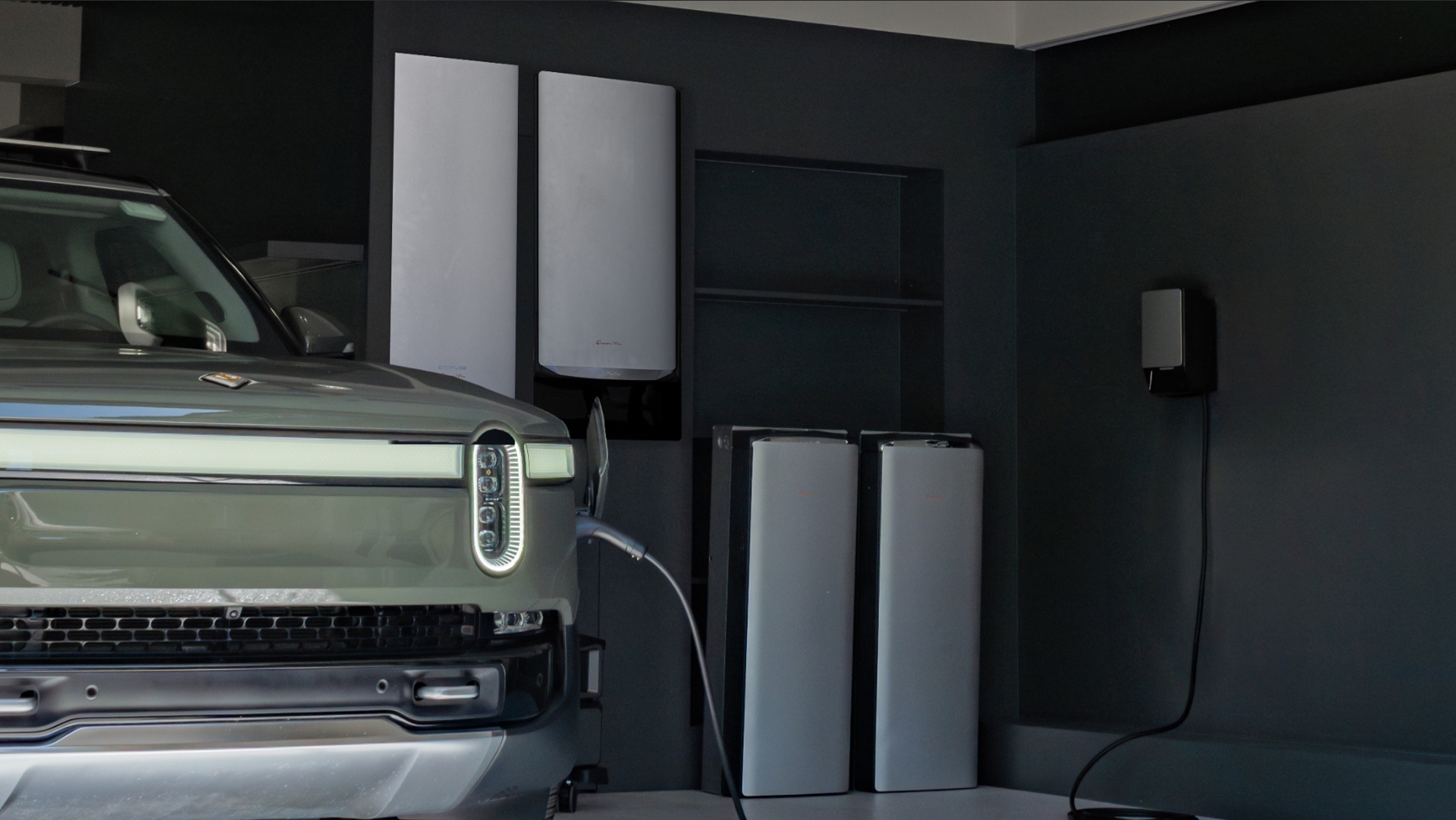
Matching Charging Speed to Daily Driving Habits
A household charging plan should reflect the way people actually live. Commute length, vehicle size, return time, departure time, and the number of EVs at home all shape the right answer. In larger homes, charging also has to fit around HVAC demand, cooking loads, laundry, and the rest of the electrical picture.
One EV and a Predictable Schedule
If you leave and return at roughly the same time each day, overnight charging becomes easy to manage. For many drivers, a level 2 EV charger gives enough time to recover daily mileage with a comfortable margin. That extra margin helps on busy days, during cold weather, and after longer weekend trips. Level 1 can still cover some routines, though it leaves less room for schedule changes.
Larger EVs and Longer Commutes
A larger battery changes the pace of home charging. Many homes use Level 2 charging around 7.2 kW, and average monthly EV charging can reach about 408 kWh. Those numbers matter when the vehicle is an SUV, pickup, or long-range family car. In practice, a steady home setup becomes easier to live with when the charger can refill a meaningful range during the night.
Two EVs in One Household
Two drivers bring a new layer of pressure. One car may need charging after work, while the other needs a fresh battery before sunrise. At that point, the decision is not only about raw speed. It is also about timing and household flow. The right EV charger level 2 setup gives your home a better chance to keep both vehicles ready without turning charging into a nightly chore.
What Does It Take to Install a Level 2 EV Charger at Home?
Installation is where many homeowners feel the real difference between a simple charging idea and a durable home upgrade. A level 2 EV charger needs 240V service, safe placement, code-compliant wiring, and enough electrical capacity to support both the charger and the rest of the home.
Check Electrical Capacity First
Many homes already have 240V service available, though available panel capacity varies a lot from house to house. Some properties can add Level 2 charging with minimal work. Others need a new circuit or a closer review of existing loads. Residential Level 2 units commonly run up to 30 amps and often require a dedicated 40-amp circuit. That makes panel planning especially important in large homes with heavy electrical demand.
Plan Around the Way You Park
Location affects daily convenience. Cable reach, garage layout, driveway parking, outdoor exposure, and family driving patterns all matter. Outdoor charging can be safe, though the equipment should be outdoor-rated. A good installation feels easy every evening and every morning, even on rushed days.
Think Beyond Today
Home energy needs usually grow. A second EV may arrive. A remodel may add new electric appliances. Solar and battery storage may join the plan later. An EV level 2 charger should fit that long-term picture, especially for homeowners who already think in terms of whole-home energy management and future load growth.
Get Your Free Home Energy Consultation!
Which energy solution are you interested in?
What Makes a Level 2 Smart EV Charger Worth It?
Smart charging matters most when the house has a lot going on. A level 2 smart EV charger earns its place by helping the household charge at the right time, track energy use clearly, and reduce friction across the week. That is a strong advantage for homes with solar, battery storage, time-based utility rates, or more than one major electrical load running each day.
Useful smart charging features often include:
Charging timers for overnight sessions
Data collection and usage visibility
Communication features for remote control
Flexible scheduling around departure time
Easier coordination with changing utility rates
A strong level 2 smart EV charger also supports a better household rhythm. You can move charging into lower-cost hours, reduce overlap with heavy evening loads, and keep the vehicle ready without constant manual input. For large homes, that kind of control often matters as much as charging speed itself.
How Solar and Whole Home Battery Storage Change the Charging Decision
Once solar and whole-home battery storage are part of the house, a level 2 EV charger becomes part of a larger energy system. Charging affects self-consumption, peak-hour demand, and how efficiently the home uses solar production throughout the day and night. That is why large-home buyers often look at EV charging as one piece of a wider strategy.
During the day, rooftop solar may cover household loads and charge the battery system. Later, the car can charge on a schedule that fits home demand and local rates. That kind of planning is appealing for households with high usage because EV charging is a meaningful load over the course of a month. It can shape the bill in visible ways if it is left unmanaged.
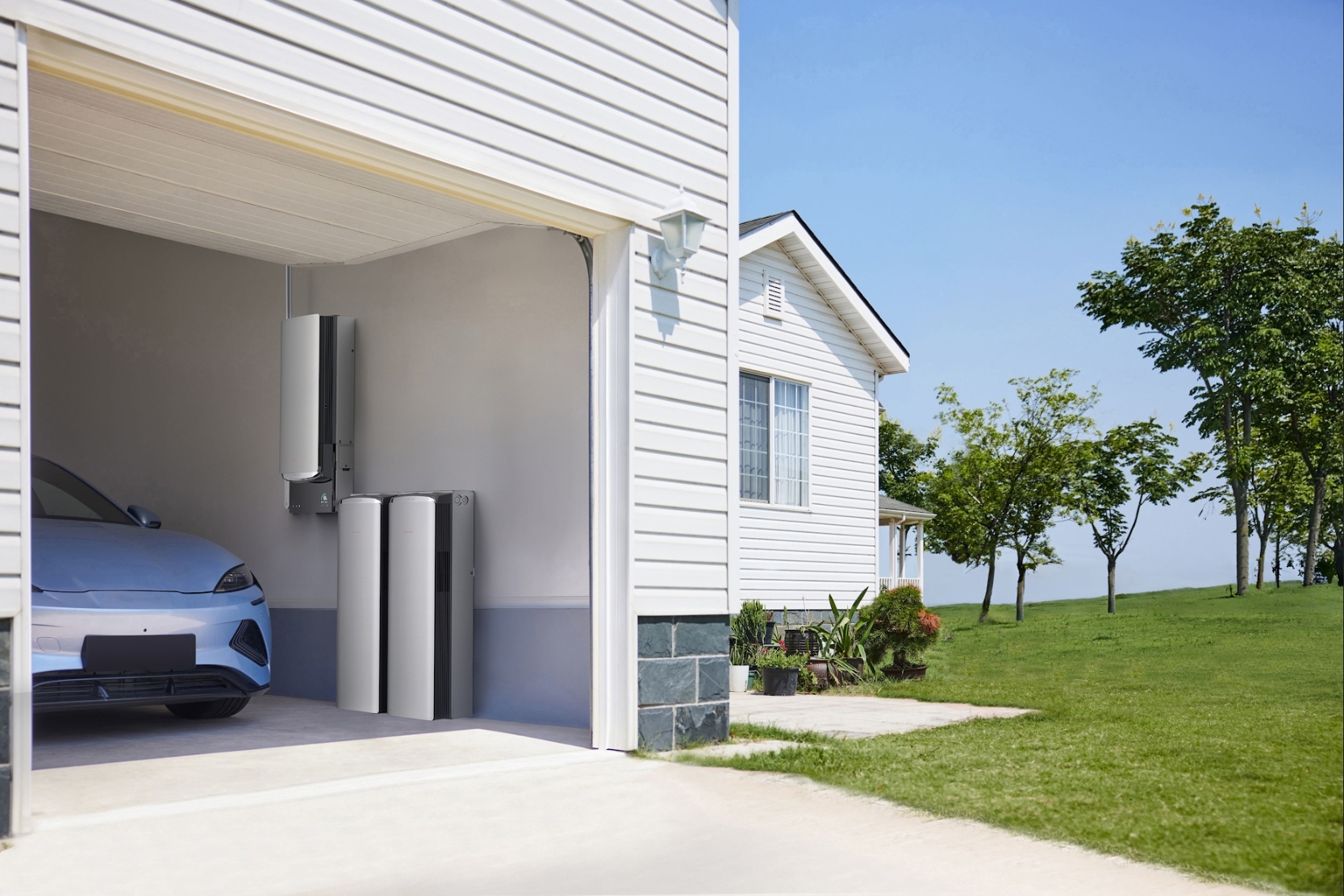
In a whole-home setup, the EcoFlow OCEAN EV Charger (11.5kW) can pair with EcoFlow OCEAN Pro in a coordinated solar and battery storage plan aimed at home charging, load scheduling, and stronger day-to-day energy control.
Choose a Charging Setup That Supports Your Home Energy Goals
For large homes, the right charging setup should support overnight convenience, future electrical growth, and better control over when energy is used. A level 2 EV charger fits that need well, especially when it works as part of a broader solar and whole-home battery storage strategy. If you are building a smarter long-term home energy setup, the EcoFlow OCEAN EV Charger and EcoFlow OCEAN Pro are worth considering as part of that bigger system. Learn more
FAQs
Q1: What are the differences between level 1, level 2, and level 3 chargers? Where can each of them be best utilized?
The major differences between level 1, level 2, and level 3 chargers are the speed of charging and the usage of the chargers. A level 1 charger is the slowest and is best utilized for very light usage or homes with long parking hours. A level 2 charger is faster than a level 1 charger and is best utilized for normal home usage. A level 3 charger is best utilized at public fast charging stations while on the go.
Q2: Is it necessary for me to have a level 2 charger at my house?
Not always. It is a very practical option for people who own an electric vehicle and drive daily. A level 2 charger is often the best option for people who own an electric vehicle, especially for people who drive daily and own a bigger vehicle or two vehicles. A level 1 charger is the slowest and is best utilized for very light usage. It may still work for people who drive less.
Q3: Should I get a type 1 or type 2 charger?
For most homeowners in the United States, the answer lies in your car's charging port. In the United States, home AC charging standards commonly include J1772 and J3400 or NACS, while “Type 2” is essentially a European standard. The first step in choosing an EV charging station is to familiarize yourself with your car's connector standard. In most home settings in the United States, it is advisable to choose an EV charging station based on your car's charging port standard.
Q4: Is it worth having a Level 3 charger at home?
No, it is usually not worth having a Level 3 charger in your home. A Level 3 charger is mainly meant for public fast charging. A Level 3 charger is essentially meant for long trips where one needs to drive long distances. In such instances, it is very convenient to have such a charger. In residential settings, it is usually not advisable to have such a charger. A Level 2 charger is much better in such settings.
Q5: Can I just plug in a Level 2 charger at home?
Sometimes, you can. The decision to plug in a Level 2 charger in your home depends on your charger model. There are plug-in Level 2 charging units. They can be plugged into your home. They need a proper 240-volt outlet. Some Level 2 charging units are hardwired. You need to ensure your home has enough capacity for your charging unit.

