
The Complete Checklist: How to Prepare for a Long Road Trip
There is nothing quite like the excitement of hitting the open road. With the windows down, your favorite playlist queued up, and a map full of possibilities ahead, a road trip represents the ultimate sense of freedom.
However, a truly successful journey requires much more than just a full tank of gas and a good sense of direction. Without the right preparation, that dream vacation can quickly turn into a stressful ordeal filled with sudden breakdowns, driver fatigue, and roadside anxiety.
If you are wondering exactly how to prepare for a long road trip, you have come to the right place. This comprehensive guide will walk you through everything you need to know, from getting your vehicle road-ready and packing smart, to preparing your body for the drive and securing your home battery energy management systems before you leave.
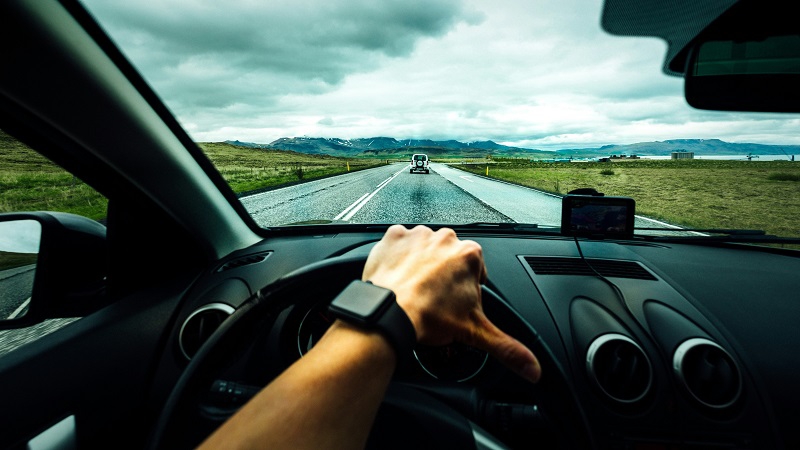
Step 1: Get your vehicle road-ready
When you are planning a massive cross-country drive, your vehicle is your lifeline. Preventive maintenance is the absolute most critical step to avoid being stranded on the shoulder of a remote highway. Before you start packing your bags, you need to properly prepare your car for a long drive.
Check the tires: Your tires are the only point of contact between your car and the road. Under-inflated tires reduce fuel efficiency and are more prone to blowouts at high speeds. Additionally, inspect the tread depth; if the tread is worn down, it's time for a replacement. Don't forget to check the pressure and condition of your spare tire, too!
Top off essential fluids: Engines run hot, especially during long drives. Check your engine oil and get an oil change if you are near your mileage limit. Next, inspect your coolant and antifreeze levels to prevent your engine from overheating in warm weather. Finally, top off your brake fluid, transmission fluid, and windshield washer fluid.
Test the battery: Extreme temperatures, both hot and cold, can severely impact your car battery's lifespan. If your battery is more than three years old, take it to an auto parts store for a quick charge test. Take a few minutes to clean any white, ashy corrosion off the battery terminals using a wire brush and a mixture of baking soda and water.
Inspect brakes and wipers: If your brakes are squeaking, grinding, or feel spongy when pressed, have a professional mechanic inspect the brake pads and rotors immediately. Additionally, replace your windshield wiper blades if they leave streaks. Maximum visibility is essential when you inevitably drive through a sudden rainstorm or bug-heavy area.
Step 2: Pack a roadside emergency kit
Even with a perfectly tuned-up vehicle, unpredictable emergencies can still happen.
A flat tire or a dead battery in an unfamiliar area can be terrifying if you aren't equipped to handle it. Having a dedicated roadside emergency kit is a non-negotiable part of your road trip essentials.
Your kit should include:
Essential tools: Heavy-duty jumper cables (or a portable lithium jump starter), a reliable tire jack, a lug wrench, a tire pressure gauge, and a basic tool kit containing screwdrivers, pliers, and an adjustable wrench.
Safety and visibility: Reflective warning triangles or LED road flares to alert other drivers if you are pulled over at night. Include a bright tactical flashlight with extra batteries.
Survival gear: A comprehensive first-aid kit, a roll of duct tape, a warm wool blanket, extra bottles of drinking water, and a portable power bank to ensure your phone stays charged, so you can call for help.

Step 3: Plan your route and navigation
Spontaneity is part of the fun when thinking about how to prepare for a long road trip, but having a general blueprint of your journey is one of the best long road trip tips you can follow.
Proper route planning saves time, saves gas, and keeps you out of dangerous weather conditions.
Digital and analog maps While we rely heavily on smartphones, cellular service can easily drop in mountainous or rural areas. Download offline maps on apps like Google Maps, Apple Maps, or Sygic before you leave Wi-Fi. As a foolproof backup, keep a physical, updated paper atlas in your glovebox.
Plan your rest stops Follow the golden "2-hour rule." Plan your route so that you can stop every two to three hours (or roughly every 100 miles). Use this time to use the restroom, top off the gas tank, and stretch your legs.
Monitor the weather Check the extended forecast along your intended route a few days before departure. If you see severe thunderstorms, extreme heat waves, or blizzards approaching, you can adjust your travel times or choose an alternate, safer route.
Step 4: Prepare your body and mind for the drive
We often spend so much time prepping the car that we forget to prepare the driver.
Driver fatigue is a major safety hazard, contributing to thousands of accidents every year. Getting your mind and body ready is just as important as checking your oil.
Get proper sleep Do not start a 10-hour drive after pulling an all-nighter to pack. Aim for 7 to 8 hours of high-quality sleep for at least two consecutive nights before your departure.
Diet and hydration What you eat before and during your drive directly impacts your alertness. Avoid heavy, greasy fast food or carb-loaded meals, as they cause your blood sugar to spike and crash, leading to severe drowsiness. Instead, opt for light, protein-rich meals. Stay hydrated by sipping water consistently, but balance your intake, so you aren't forced to pull over for a bathroom break every forty-five minutes.
Manage your caffeine It is tempting to rely on massive energy drinks to push through a long stretch of highway, but this usually results in jitters followed by a hard crash. Stick to moderate amounts of coffee or tea, and rely on fresh air, upbeat music, and physical stretching to naturally boost your energy.
Share the wheel If you are traveling with a partner or friends, set up a strict rotation schedule. Swapping drivers every few hours keeps everyone fresh, alert, and safe.
Step 5: Secure your home while you're away
When you finally hit the highway, the last thing you want to worry about is what's happening back home. Securing your house is a critical step in preparing for any extended vacation.
Start with the basics: double-check that all doors and windows are locked, set your security alarms, and pause your mail delivery so piled-up packages don't signal an empty house. You can also set a few interior lights on a smart timer to simulate someone being home.
However, true peace of mind comes from knowing that your home's critical systems, such as security cameras, smart locks, and refrigerators, will stay online even if the neighborhood loses power while you are out of state.
To completely future-proof your home while you travel, we highly recommend integrating the EcoFlow Ocean Pro home energy ecosystem. Rather than just hoping the grid stays stable, this system actively manages and protects your home's power supply.
Get Your Free Home Energy Consultation!
Which energy solution are you interested in?



Here is how it elevates your home security and efficiency while you travel:
Uninterrupted backup power: Summer storms or grid failures can easily knock out neighborhood power. With the Ocean Pro's massive 40kW solar input and up to 80kWh of scalable battery storage, your home can function completely independently.
Remote smart control: You don't have to wonder if everything is okay back home. Using the EcoFlow App, you can monitor your home's real-time energy flow and battery reserves right from the passenger seat of your car.
Intelligent savings: Before you pull out of the driveway, you can switch the system to "Intelligent Mode". It will automatically optimize your home's energy use when the house is empty.
Step 6: Smart packing and organization strategies
A cluttered, messy car inevitably leads to a stressful trip.
The process of "how to prepare for a long road trip" also involves creating a well-organized cabin that makes finding what you need effortless and keeps the driver focused on the road.
Weight distribution: When loading your luggage, distribute heavy suitcases evenly across the trunk or cargo area to maintain the vehicle's stability and fuel efficiency. Never stack items so high that they block your rearview mirror.
Cabin essentials: Create a dedicated "essentials" bag that stays in the front or middle console. This should be part of your main road trip checklist and includes healthy snacks, water bottles, sunglasses, hand sanitizer, lip balm, and a small trash bag. Keeping these within arm's reach prevents dangerous rummaging while driving.
Entertainment: Stretches of empty highways can get monotonous. Pre-download a variety of audiobooks, engaging podcasts, and collaborative music playlists to keep everyone in the car entertained when the cell service inevitably drops out.
Signing off
Thorough preparation is the ultimate secret to a memorable, safe, and stress-free road trip.
By taking the time to tune up your vehicle, pack intelligently, and secure your home's energy with tools like the EcoFlow Ocean Pro, you eliminate the "what-ifs."
Finalize your checklists, download your maps, and hit the open road with complete confidence! And as always, enjoy the ride & bon voyage.
Frequently Asked Questions (FAQs)
How do I prepare my car for a 1,000-mile road trip?
Take your vehicle to a trusted mechanic for a comprehensive inspection. Focus on getting a fresh oil change, checking tire tread and pressure, topping off all vital fluids, and testing the battery and brakes to ensure they can handle high mileage.
What is the 3-3-3 rule for road trips?
The 3-3-3 rule is a popular pacing strategy designed to prevent travel burnout. It suggests driving no more than 300 miles in a day, arriving at your destination by 3:00 PM, and staying in one place for at least 3 nights to ensure you actually relax and enjoy the journey.
How often should you stop on a long road trip?
Road safety experts highly recommend taking a 15-minute break every two to three hours, or approximately every 100 miles. This routine helps prevent driver fatigue, allows your eyes to rest, and gives you a chance to stretch your muscles.
What to eat before a long road trip?
Opt for a light, energy-boosting meal that includes complex carbohydrates and protein—such as oatmeal with nuts, a grilled chicken salad, or Greek yogurt. Avoid heavy, greasy, or high-sugar foods that can cause a severe energy crash and make you sleepy at the wheel.
Is it possible to drive 500 miles in one day?
Yes, it is entirely possible and quite common, but it translates to roughly 7.5 to 8.5 hours of pure driving time on highways. To do this safely, you should start early in the morning, take frequent breaks to combat fatigue, and ideally share the driving responsibilities with another passenger.

