
How Many Watts Does a Microwave Use? A Complete Guide
Wondering how many watts does a microwave use and why your energy bill spikes after quick reheats? Many homeowners face surprise costs or outage worries when relying on this daily essential. Microwaves vary widely in power draw, impacting everything from cooking speed to backup needs. In this guide, we'll break down typical wattages, real-world usage, and how EcoFlow solutions keep your microwave running.
Understanding microwave wattage
Microwave wattage refers to the amount of cooking power a microwave uses to heat and cook food. Higher wattage means the appliance can cook food faster and more evenly because it produces stronger microwave energy.
It's important to understand the difference between cooking power and electricity consumption. Cooking power is the effective energy used to heat food, while electricity consumption is the total electrical power the appliance draws from the outlet. Not all of that power becomes cooking energy.
Most household microwaves typically range from about 600 to 1200 watts, with higher-watt models offering quicker cooking times and more consistent results.
How many watts does a microwave oven use by type
The physical size of your unit is usually the best indicator of its energy needs. Here is a breakdown of how many watts a microwave oven uses based on its category:
Small microwaves
Small microwaves, often used in dorm rooms, offices, or compact kitchens, typically operate within a wattage range of 600–800 watts. These models are designed for basic tasks such as reheating leftovers, making popcorn, or heating beverages. Because of their lower power, cooking and heating may take slightly longer compared to larger models. However, they are energy-efficient and convenient for light daily use.
Standard household microwaves
Most standard household microwaves fall within the 800–1000 watt range. This level of power is ideal for everyday cooking, defrosting, and reheating meals. These microwaves provide a good balance between cooking speed and energy consumption, making them the most common choice for home kitchens.
High-power or large microwaves
High-power or large microwaves usually operate at 1000–1200 watts or more. These models are designed for faster cooking and more even heating. They are often found in larger households or used for preparing a wider variety of meals, including more complex microwave recipes.
How much electricity do microwaves use?
To understand how many watts does microwave use over time, we look at kilowatt-hours (kWh). If you run your microwave for roughly 15 minutes a day (91.3 hours per year), here is the breakdown:
Microwave Wattage | Hours Per Year Run | Yearly kWh of Electricity |
600 W | 91.3 | 54.8 kWh |
700 W | 91.3 | 63.9 kWh |
800 W | 91.3 | 73.0 kWh |
900 W | 91.3 | 82.2 kWh |
1,000 W | 91.3 | 91.3 kWh |
1,100 W | 91.3 | 100.4 kWh |
1,200 W | 91.3 | 109.6 kWh |
Factors affecting microwave power consumption
Microwave power consumption depends on how often the appliance runs and how long it operates each time. Electrical supply conditions can also influence efficiency. Understanding these factors helps estimate energy usage and manage electricity costs more effectively.
Usage frequency
It sounds simple, but the cumulative effect of a busy household adds up. If your microwave is used ten times a day for quick snacks versus once for a large meal, the total kWh increases. Frequent starts also mean the cooling fan and turntable motor run more often, leading to higher overall consumption than occasional use.
Cooking time
Longer cooking or reheating cycles naturally require more electricity. For example, defrosting frozen food or cooking large portions can take several minutes, which increases power usage. Short tasks like warming a cup of coffee use significantly less energy compared to full cooking cycles. Monitoring these longer cycles with the EcoFlow OCEAN PowerInsight 2 Monitor ensures you aren't overtaxing your energy reserves during peak hours.
Voltage supply
The voltage provided by your home's electrical system can influence how efficiently a microwave operates. Most household microwaves are designed for standard voltage levels. If the voltage fluctuates or is lower than recommended, the microwave may take longer to cook food, increasing overall energy consumption.
How to power and monitor microwave energy use at Home
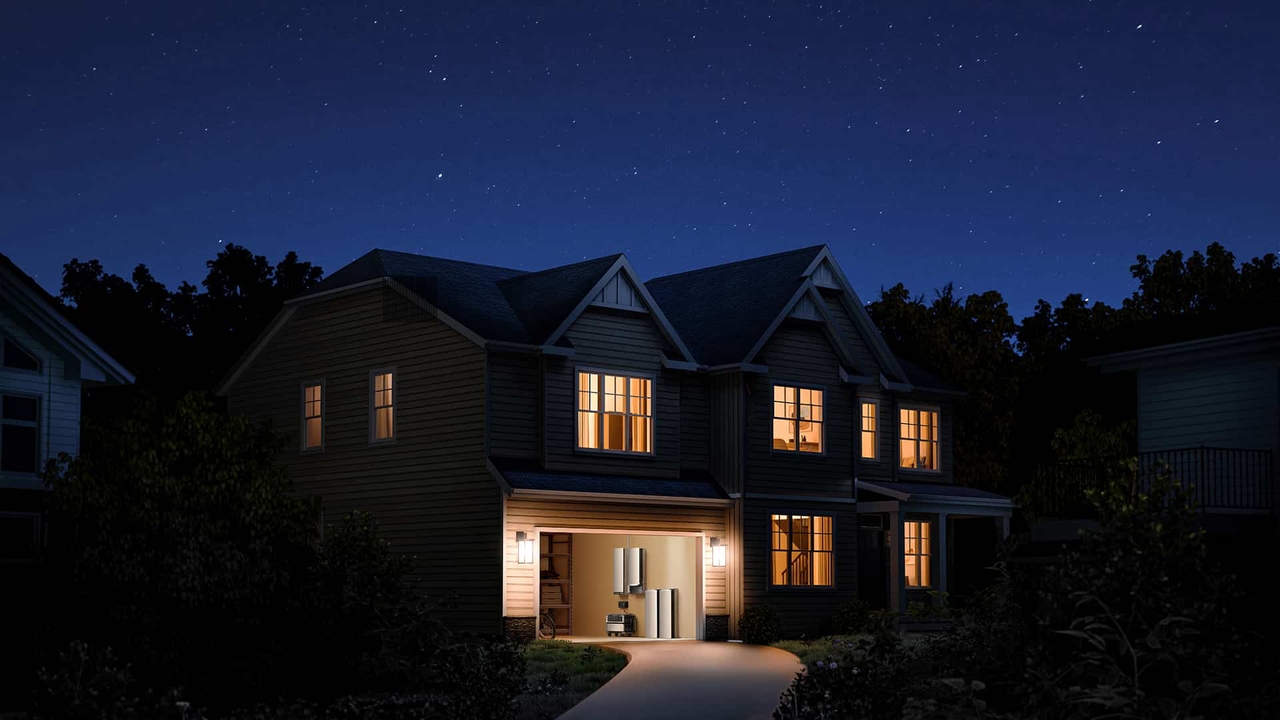
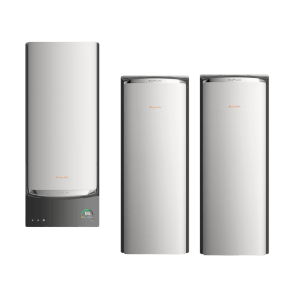
Managing your microwave's energy use becomes simple with smart systems like the EcoFlow OCEAN Pro, which provides whole-home backup power and can handle high-wattage appliances (800–1,600W) during outages while optimizing daily consumption. It offers up to 24 kW output, scalable storage from 10 kWh to 80 kWh, high solar input support, and AI-driven energy management for efficiency and reliability. Built with durable LFP chemistry and backed by a 15-year warranty. Monitoring is equally important, as microwaves consume significant power even when idle, leading to hidden energy waste or potential overloads. With the EcoFlow PowerInsight 2 Monitor, you can track real-time energy usage, view power draw during operation, and manage consumption more effectively to ensure your home energy system runs safely and efficiently.
Tips to reduce microwave energy consumption
While microwaves are already one of the most efficient ways to heat food, you can further lower your electricity usage by adopting a few smart habits. Small changes in how you operate your appliance can lead to noticeable savings on your energy bill.
Choosing energy-efficient microwaves: When shopping, look for models with a high Energy Star rating or a dedicated "Eco-mode." These units are designed to minimize "phantom load" by turning off the LED clock and internal sensors when the microwave is not in use, which can save a surprising amount of electricity over a year.
Using appropriate power settings: You don't always need 100% power. For tasks like defrosting or softening butter, using a lower power setting (e.g., 30% or 50%) allows the heat to distribute more naturally. This prevents the edges from overcooking while the center stays frozen, often resulting in a more efficient use of energy for the results achieved.
Avoiding unnecessary long heating cycles: To speed up cooking and reduce the time the magnetron is active, cover your food with a microwave-safe lid or damp paper towel. This traps steam and creates a "mini-sauna" effect, heating the food much faster than an uncovered plate and reducing the total wattage required for the job.
Monitoring usage with smart energy tools: Use a system like the OCEAN PowerInsight 2 Monitor to identify exactly how much power your microwave is drawing. By tracking real-time consumption, you can spot if your microwave is becoming less efficient due to age or if certain habits are unnecessarily draining your battery reserves.
Conclusion
Understanding how many watts does a microwave use is the first step toward a more energy-efficient and resilient home. While these appliances are daily essentials, their high power draw requires careful management, especially during outages. By integrating the EcoFlow OCEAN Pro into your kitchen, you ensure that your microwave stays powered by clean, reliable energy. Pairing this with smart monitoring allows you to track every watt, reducing waste and lowering costs. Take control of your home’s energy future today.
Ready to optimize your home energy? Schedule your free consultation today to see how the EcoFlow OCEAN ecosystem can power your lifestyle.
Get Your Free Home Energy Consultation!
Which energy solution are you interested in?
FAQs
1. How many amps does a 1000 watt microwave use?
A 1000-watt microwave on a 120-volt household circuit draws about 8–9 amps (amps = watts ÷ volts). The actual current may be slightly higher because the appliance also powers components like the cooling fan, control board, and turntable motor.
2. How to find the wattage of a microwave?
Check the specification label inside the door, on the back, or in the manual. It lists both cooking power and input power. If missing, a "Time to Boil" test with water can estimate it, though the manufacturer’s sticker is the most accurate.
3. How many watts does a small microwave use?
Small or compact microwaves usually operate between 600 and 800 watts. They are designed for light tasks such as reheating leftovers, warming drinks, or simple cooking. Because of the lower wattage, they typically take longer to heat food than larger models.
4. How can I see exactly how much power my microwave is drawing?
You can measure microwave usage with a plug-in power meter that displays watts, amps, and energy use. For whole-home monitoring, smart systems such as EcoFlow PowerInsight 2 show real-time appliance consumption, historical data, and energy flow across the house.
5. What is the best way to power a microwave during a blackout?
A portable power station or home battery system with at least 1000–1500W output can run a microwave during outages. Solutions like EcoFlow OCEAN Pro provide backup power, fast switchover, and solar charging options to keep essential appliances running.

