
How to Install a Battery for Your Home: Should It Go Outside or Inside?

For most large U.S. homes, indoor battery installation is often the better choice because it offers a more stable and protected environment. Outdoor placement can still work well when indoor space is limited, and the site can support safe, code-compliant installation. In either case, battery location affects safety, service access, daily use, and future expansion. Since a whole-home battery system is fixed equipment connected to the house, the final decision should be based on climate, layout, backup goals, and professional site planning.
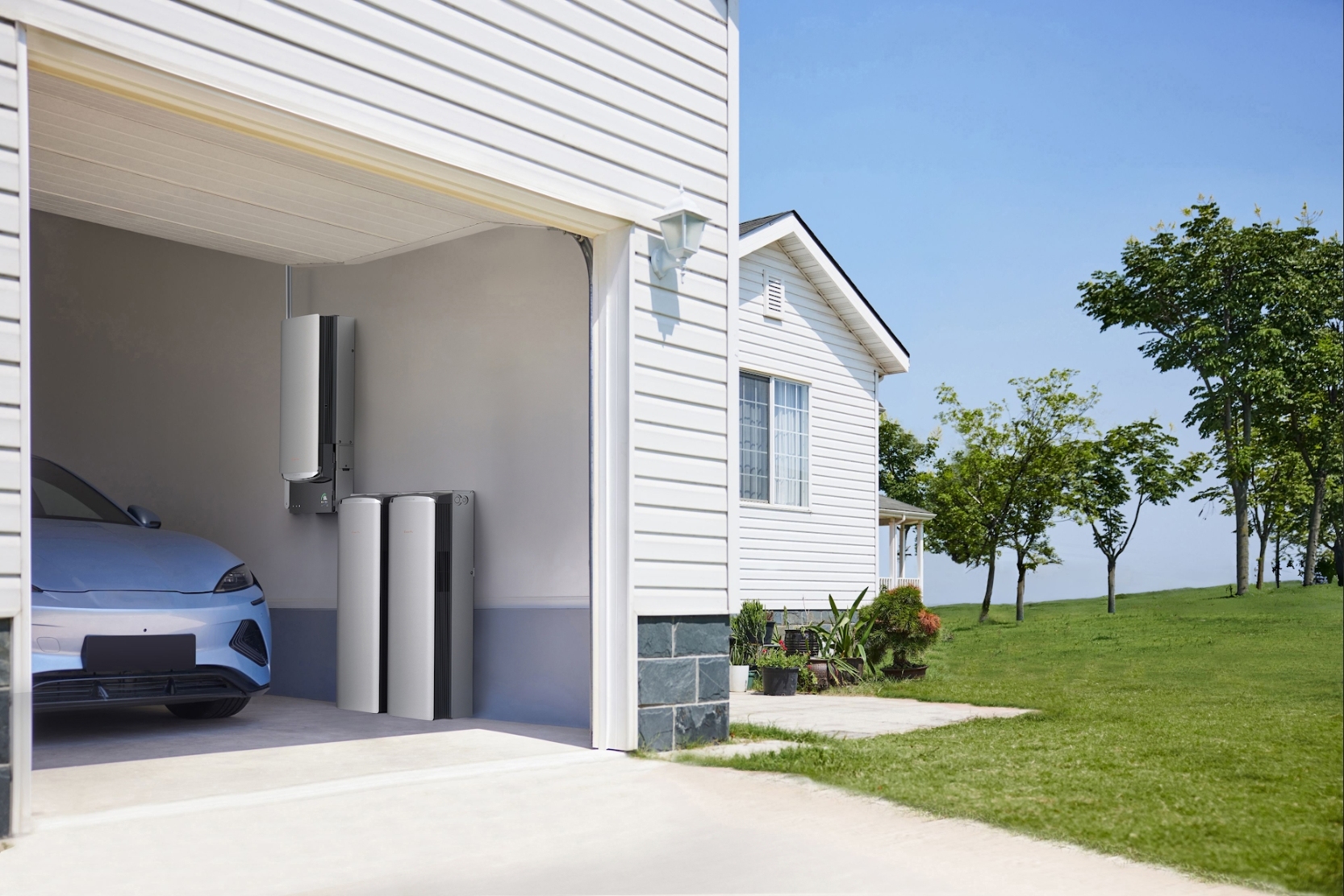
What Should You Check Before Choosing Outside or Inside?
Before you decide where to place a battery, step back and look at the home as a full system. In a large house, battery placement is tied to the electrical panel, solar equipment, ventilation, service access, and the loads you want to support during an outage. For homeowners trying to understand how to install a battery for whole-home backup, location is one of the first decisions that can affect safety and long-term performance. A location that looks convenient at first may create problems later if it is hard to access, exposed to water, or too tight for safe installation.
Review the Proposed Location Itself
The first thing to check is the environment around the proposed location. Outdoor spaces need protection from direct weather exposure, standing water, and heat buildup. Indoor spaces need airflow, safe clearances, and enough room for maintenance.
Look at the Surrounding Conditions
If the battery is going in a garage or utility area, the installer also needs to review wall conditions, fire-resistant finishes where required, and possible vehicle impact risk.
Consider System Size and Backup Scope
System size matters too. Large home battery systems often support central air, well pumps, major appliances, EV charging, or future electrification plans. That raises the importance of code review and equipment layout. For that reason, home battery installation should never begin with a quick visual guess. It should begin with a site review and a professional design plan.
When Does Outdoor Home Battery Installation Make Sense?
Outdoor placement can work well in large homes when indoor space is limited, or the service equipment is already outside. It can also simplify cable runs and make future maintenance easier. In many cases, this is the first option homeowners consider when planning a whole-home battery installation.
Start With Site Exposure and Clearance
An outdoor location only works when the site can support the system safely. The battery should stay clear of standing water, flood-prone areas, and spots that trap too much heat. It also needs proper clearance from doors, windows, walkways, and other parts of the home where safety or code concerns may come up.
Service Access Still Matters Years Later
Battery placement is not only about day-one installation. The system still needs inspection, maintenance, and possible upgrades over time. That is why technicians need a location they can reach easily without working around tight corners, blocked paths, or crowded exterior spaces.
Get Your Free Home Energy Consultation!
Which energy solution are you interested in?

Outdoor Placement Fits These Homes Best
Outdoor placement is often the stronger fit when indoor utility space is limited, the main service area is already outside, or the home has a protected exterior wall or side-yard area that supports a code-compliant layout. It can also make sense for homeowners who want to keep garages and utility rooms open for daily use.
Outdoor placement can be a strong option for large properties, especially when the layout supports safe access and future expansion. Still, the trade-off is real. Once the battery moves outside, it faces more moisture, dust, debris, and temperature swings. That is why the final decision should come from a careful site review, not convenience alone.
When Is Indoor Installation the Better Choice?
Indoor placement often appeals to homeowners because the environment is steadier and easier to control. A garage, utility room, or dedicated storage space can protect the battery from weather, reduce UV exposure, and make the system easier to monitor and service throughout the year.
Better Protection From Weather
Indoor placement gives homeowners more control over the immediate environment. It is easier to keep the battery away from direct rain, storm debris, and harsh sun. In many homes, that added protection can support long-term performance and make home battery installation easier to manage over time.
Safety Requirements Still Apply
A battery should not be placed in the main living areas, and unfinished spaces may need added wall and ceiling protection. If the unit is close to parked vehicles, impact protection may also become part of the installation plan. Good airflow, safe clearances, and a practical service path all matter before the location can be approved.
Best Fit for Indoor Spaces
Indoor placement is often the stronger choice in regions with heavy rain, snow, humidity, or long heat waves. It also fits homes that already have a garage or utility room with enough ventilation and clearance for a safe setup. For many large properties, this is the more practical answer when homeowners want to install a home battery in a cleaner, more protected environment.
Indoor placement often feels simpler, but it still needs the same level of professional review as an outdoor location. A controlled space helps, yet the final decision should still come from a full site plan.
How Do System Size and Future Energy Storage Plans Affect Placement?
For large-home owners, battery placement is never just about today. It also has to work for tomorrow. There are really two questions here: how much of the home you want to back up, and how your energy needs may grow over time.

How Backup Needs Affect Where the Battery Should Go
For large-home owners, battery placement is closely tied to the scale of backup the home needs. A larger whole-home battery system may require more wall space, better service access, and a layout that leaves room for future equipment. That is why backup scope can directly affect whether an indoor or outdoor location is the better fit.
In many large homes, backup planning may include HVAC, refrigeration, pumps, kitchen appliances, home offices, EV charging, and longer outage coverage. As backup needs grow, placement decisions become more important because the system may require more clearance, a more practical wiring path, and better room for future expansion.
Planning for Future Expansion
A battery location that works today may not work as well in the future if the home adds an EV charger, heat pump, pool equipment, or broader backup coverage. Large homes often grow into their energy needs, so the best installation plan leaves room for service access, added equipment, and future electrical work.
For many homeowners, the real question is not only where the battery should go today. It is also whether that location will still work years later as the home’s energy needs grow and change.
Why a Professional Site Review Still Matters
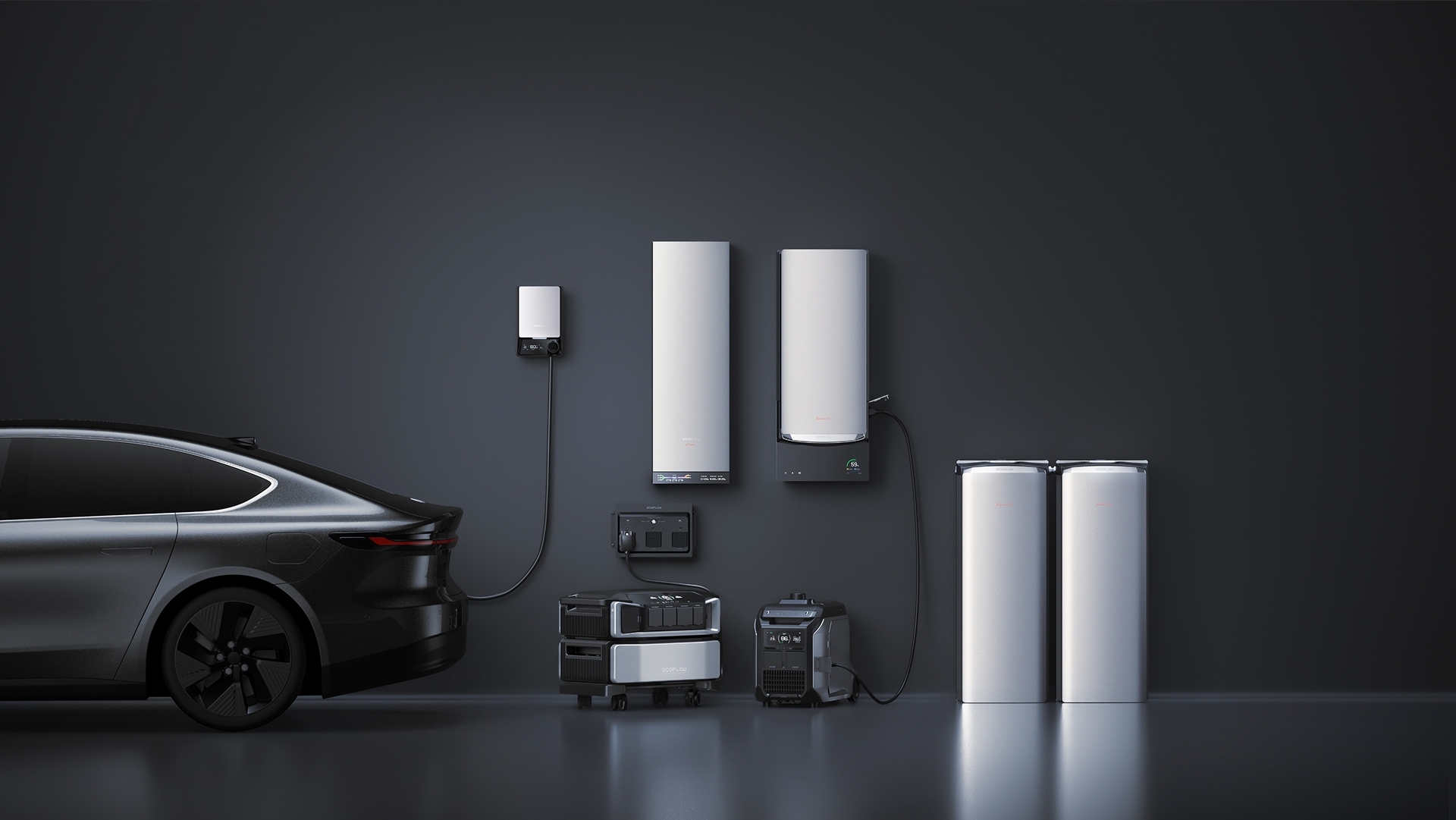
Even when the main question is whether the battery should go inside or outside, the final location still needs a professional site review. A qualified installer can confirm code requirements, safe clearances, service access, and whether the chosen location supports the home’s backup goals and future expansion. For fixed whole-home systems such as EcoFlow OCEAN Pro, placement should always be approved as part of a professional installation plan.
DIY is the wrong path for a large fixed battery system. A poor location can create service problems, clearance issues, permit delays, and safety risks that are expensive to fix later. If the question is how to install a battery in a large home, the real answer begins with a qualified installer who can design the system properly from the beginning.
Choose the Right Battery Location With a Qualified Installer
The right battery location is the one that fits your home, your climate, your backup priorities, and your future energy plans. If you are planning a whole-home battery for a large U.S. home and want to decide whether it should go inside or outside, speak with a qualified installer about the safest and most practical location for your property and whether EcoFlow OCEAN Pro is a good fit.
FAQs
Q1: Can I install a home battery before I add solar power?
Yes. Many homeowners install a battery first and add solar later. That can make sense if backup power is the immediate priority. The key is to plan the system with future expansion in mind, so the battery location, wiring path, and equipment layout still work well once solar panels are added.
Q2: Will I need to tell my homeowners' insurance company?
Yes. It is smart to notify your insurer once a fixed home battery system is installed. They may want updated information about the equipment, the installer, and the final permit status. This step can help avoid confusion later if you ever need to file a claim related to electrical equipment or storm damage.
Q3: Will my home lose power during installation?
Yes, usually for a limited time. Most installations require at least a short power shutdown while the electrician works on the panel and connects the system safely. In a large home, that window may be longer if the layout is more complex. A good installer will explain the schedule in advance so you can prepare.
Q4: Do home batteries need regular maintenance?
Yes, but not in the same way as a generator. A fixed battery system usually needs periodic inspection, software checks, and general monitoring rather than frequent hands-on maintenance. Homeowners should still pay attention to alerts, keep the area around the system clear, and schedule service if performance changes or warning messages appear.
Q5: Can HOA rules or neighborhood restrictions affect installation?
Yes. In some communities, exterior equipment placement may be reviewed more closely, especially if the battery is visible from the street or mounted on an outside wall. That does not always stop the project, but it can affect where the battery goes. It is worth checking neighborhood rules early to avoid delays.

