
Electrical Permit Requirements: Everything You Need to Know Before You Wire
Let's face it: no one enjoys dealing with red tape. When you are eager to kick off a home renovation or finally install that new electric vehicle charger in your garage, filling out municipal paperwork is probably the last thing on your mind. However, while pulling permits might feel like an administrative headache, it is an absolutely critical step that can save your property, and your life.
An electrical permit is a legally binding document required by your local Authority Having Jurisdiction (AHJ). Its primary purpose is to ensure that any electrical work performed on your property aligns perfectly with the National Electrical Code (NEC) and any specific local amendments.
If you are a homeowner, trying to navigate the complex world of local building departments, you are in the right place. In this complete guide, we will cover exactly when you need to pull an electrical permit, the step-by-step application process, and how much you can expect to pay.
What is an electrical permit, and why is it so important?
At its core, an electrical permit is formal, legal permission granted by your local government, usually the city building department or county code enforcement office, to legally install, alter, or repair electrical systems. The importance of this permit cannot be overstated, primarily due to risk mitigation.
Shoddy, unpermitted electrical work is one of the leading causes of house fires in the United States. Without an inspector's expert eyes verifying your load calculations and wire gauges, you risk severe fire hazards, electrocution, and catastrophic structural damage.
Furthermore, permits provide crucial financial and legal protection. If an electrical fire occurs and the insurance investigator discovers unpermitted wiring was the cause, your homeowners' insurance claim will likely be denied outright.
Additionally, unpermitted work can severely devalue your property; when it comes time to sell, savvy buyers and home inspectors will demand to see permits for any major electrical upgrades, and the lack thereof can derail a sale.
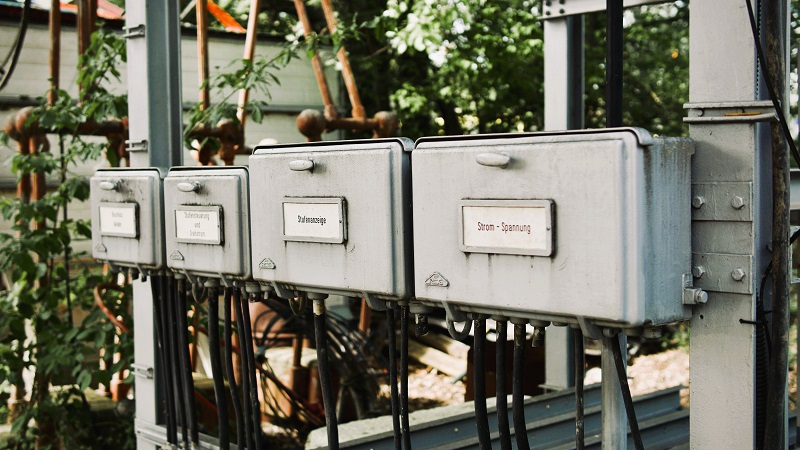
When do you need an electrical permit?
As a general rule of thumb, any new installation, major repair, or system upgrade will trigger the need for an electrical permit. While exact codes vary by municipality, the following major projects almost universally require municipal approval:
Panel changes or upgrades: Modern homes require a massive amount of electricity. When it comes to the question of "do I need a permit to upgrade my electrical panel?", it should be known that if you are upgrading your old, maxed-out 100-amp electrical panel to a robust 200-amp or 250-amp modern panel to accommodate new technology, you absolutely need a permit. This involves disconnecting from the main utility grid, which requires strict oversight.
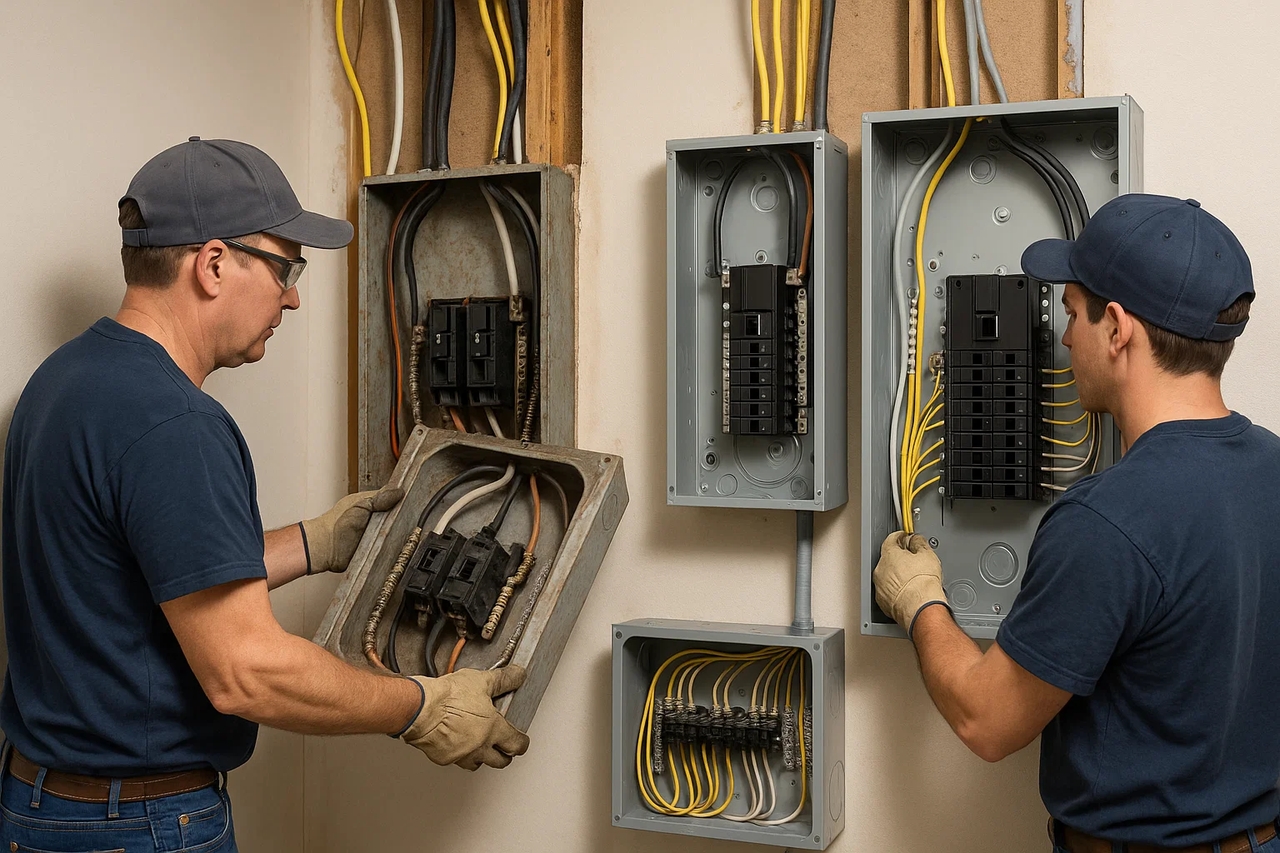
Rewiring or adding circuits: Whether you are undertaking a complete, down-to-the-studs whole-house rewire to remove outdated knob-and-tube wiring, or you are simply extending a new 20-amp circuit to power a new home office addition, a permit is required to ensure the circuit isn't overloaded.
Heavy-demand appliance installations: Adding hardwired, high-draw appliances necessitates a permit. This includes installing central HVAC systems, electric ranges, heavy-duty electric dryers, and hot tubs. These devices put a significant, continuous load on your home's electrical system.
Outdoor and landscape lighting: Digging trenches to run underground conduit to a detached shed, or adding extensive deck lighting, introduces weatherproofing into the equation. Because water and electricity are a deadly combination, outdoor electrical work is heavily regulated.
Electric Vehicle (EV) chargers and solar panels: These are essential modern upgrades, but they draw massive amounts of continuous energy from the grid (or push it back in). Integrating these complex systems requires thorough load calculations, specialized equipment, and strict inspections.
What electrical work can be done without a permit?
Fortunately, you don't need to call the city inspector every time a lightbulb burns out. Routine maintenance and minor aesthetic fixes usually do not require municipal approval.
For example, swapping out a cracked outlet receptacle for a new one, replacing a discolored light switch cover, or executing a simple "like-for-like" light fixture swap (such as taking down an old chandelier and wiring a new one to the existing, intact ceiling box) are all generally considered exempt from permitting.
Disclaimer: You should always double-check with your local Authority Having Jurisdiction (AHJ) before lifting a screwdriver. The definition of a "minor repair" can vary widely across different municipalities. When in doubt, a quick five-minute phone call to your local building department can save you thousands of dollars in potential fines.
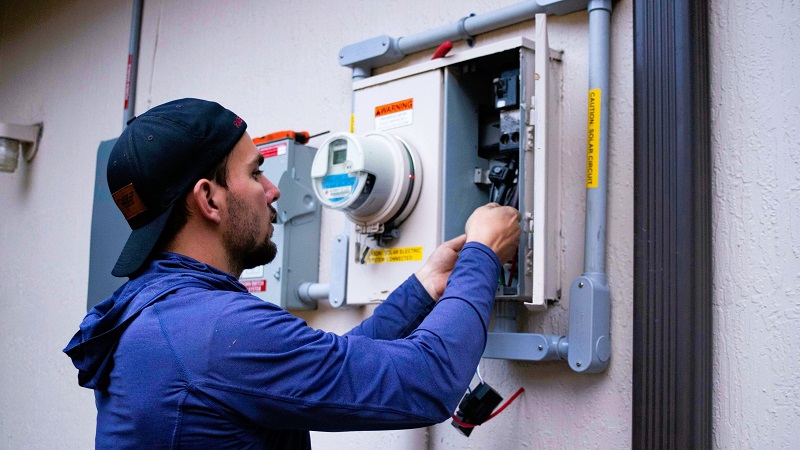
A step-by-step guide on how to apply for an electrical permit
If you are wondering, "Can a homeowner pull an electrical permit?", well, you absolutely can. However, applying for a permit can feel intimidating, but it generally follows a highly structured, predictable path. Here is a step-by-step guide to successfully pulling your electrical permit:
Step 1: Scope and code check
Before submitting anything, nail down the exact scope of your project.
Are you adding three outlets, or rewiring an entire kitchen? Once you know the scope, cross-reference the latest edition of the National Electrical Code (NEC) and any applicable local amendments.
Step 2: Gather documentation for the electrical permit application
Your local permitting office will require a detailed packet of information. If you are hiring a professional, they handle this. If you are pulling an owner-builder permit, you will need:
Proof of property ownership (and contractor licenses/insurance if applicable).
Detailed load calculations are mathematically vital if you are installing a sub-panel, solar array, or EV charger to prove your existing service can handle the new draw.
One-line diagrams or floor plans showing new circuit routes and device counts.
Product specification "cut sheets" (UL-listed data sheets for your specific panels, breakers, or generators).
Step 3: Submit and pay
Today, most medium-to-large cities utilize centralized online permitting portals where you can upload your PDFs directly. The following is a table, listing the centralized online permitting portals, for some of the major regions in the US:
Region / City | Name of Permitting Portal | Website Link |
|---|---|---|
New York City, NY | DOB NOW: Build | |
Los Angeles, CA | LADBS Express Permit | dbs.lacity.gov |
Chicago, IL | Inspections, Permitting & Licensing Portal | ipi.cityofchicago.org |
Houston, TX | Houston Permit Portal (iPermits) | permits.houstontx.gov |
Miami-Dade, FL | Miami-Dade e-Permitting |
Rural towns or smaller counties may still require you to bring physical paper forms to the county clerk. Always save your payment receipt, as inspectors may ask to see it on-site.
Step 4: Plan review
Simple projects (like a basic service swap) might qualify for over-the-counter, same-day approval.
However, complex projects involving solar tie-ins, heavy service upgrades, or structural load changes will go into a plan review queue. This process typically takes anywhere from 2 to 10 business days as engineers review your load calculations.
Step 5: Issuance and inspections
Once approved, you will receive a physical card or digital placard. Post this visibly at the job site.
The permit issuance starts the clock for your inspections. A major project usually requires three distinct inspections:
Underground/slab: Checked before trenches are buried.
Rough-in: Checked when wires are run through the framing, but before drywall goes up.
Final: Checked when all devices are installed, panels are labeled, and the system is fully energized.
State-by-state variations in permitting rules
Because the United States operates on a "Home-Rule" concept in many regions, electrical codes and permitting requirements are not universally identical across the country. While the NEC provides the national baseline, states, counties, and individual cities have the authority to amend and enforce codes as they see fit.
For instance, states like California and New York are notorious for having incredibly strict, statewide enforcement. Conversely, states like Texas and Florida are highly localized.
However, in the rural, unincorporated counties of these same states, regulations might be significantly more relaxed. Despite this, state laws generally dictate that any heavy-duty electrical work must be performed by a state-licensed master electrician, regardless of county lines.
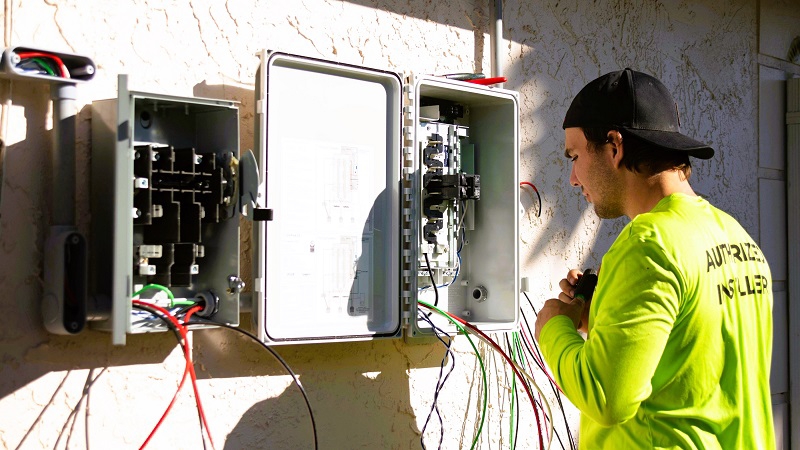
How much does an electrical permit cost?
The cost of an electrical permit varies heavily depending on the scope of the work and your geographic location. Based on standard national averages, minor residential upgrades usually cost between $50 and $500. For major changes, such as a whole-home rewire, heavy commercial upgrades, or complex solar tie-ins, fees can range from $500 to $2,000+.
Building departments calculate these fees in a few different ways: some use a flat rate per fixture or circuit added, while others use a tiered system based on the total estimated valuation of the construction project.
Modernizing your home? Meet EcoFlow Ocean Pro
If you are already going through the effort of pulling electrical permits to upgrade your home's energy infrastructure, it makes sense to maximize your investment. The modern electrical grid is becoming increasingly strained, making home resilience and advanced energy systems more important than ever.
Enter EcoFlow Ocean Pro, the premier home battery backup system designed specifically for modern, sustainable living. Whether you are already pulling permits for a solar power installation or a much-needed 200-amp panel upgrade, integrating Ocean Pro is the ultimate way to future-proof your home.

Why the EcoFlow Ocean Pro is ideal for modern homes:
Massive capacity: Utilizing powerful, ultra-safe LiFePO4 (Lithium Iron Phosphate) battery chemistry, Ocean Pro offers scalable storage ranging from 10kWh up to 80kWh. This is enough sustained power to keep your HVAC, refrigerator, and essential lights.
Smart integration: The system integrates effortlessly with your existing solar panels or directly with the municipal grid. The entire power flow can be monitored and managed via an intuitive smart home EcoFlow mobile app.
Uncompromising safety: Ocean Pro is engineered with a built-in, advanced Battery Management System (BMS) that constantly monitors temperature and voltage. Housed in a durable, IP67 & NEMA-rated enclosure, it guarantees safe, reliable performance.
The EcoFlow Ocean Pro provides total peace of mind, genuine energy independence, and a streamlined path to a sustainable home, making the time spent navigating the electrical permitting process completely worth it.
Get Your Free Home Energy Consultation!
Which energy solution are you interested in?


Signing off
Navigating the world of electrical permits might seem like a daunting bureaucratic hurdle, but it is an essential process designed to protect your home, your family, and your financial investment.
By ensuring every wire and breaker is NEC-compliant, you eliminate life-threatening fire hazards and secure your property's future resale value. Start your next renovation project right by checking your local building regulations, submitting the proper documentation, and reaching out to professionals.
And if you are ready to truly elevate your home's energy resilience, consider integrating a robust system like Ocean Pro to guarantee safe, sustainable power for decades to come.
Frequently Asked Questions (FAQs)
What happens if I do electrical work without a permit?
You risk municipal fines, stop-work orders, and voided homeowners' insurance if a fire occurs. Unpermitted work also severely devalues your property and can delay or prevent a future home sale.
Can a homeowner do their own electrical work in Florida?
Yes, Florida permits homeowners to perform their own electrical work using an owner-builder permit. However, the property must be their primary residence, and it cannot be sold or leased for one year afterward.
Do I need a permit to change electrical outlets?
Generally, no. Direct replacements of existing outlets or switches are considered minor maintenance. However, adding a completely new outlet and extending a circuit always requires an electrical permit.
Do electricians pull permits for you?
Yes, licensed electricians typically pull the necessary permits for any work they perform. The permit is tied to their professional license, ensuring they hold the liability for safety and local code compliance.
How long is an electrical permit good for?
Most permits are valid for 180 days. The 180-day clock resets each time you pass an incremental inspection. If there is no documented activity for 180 days, the permit expires.

